+86-632-3621866
- Chinese
- French
- German
- Portuguese
- Spanish
- Russian
- Japanese
- Korean
- Arabic
- Irish
- Greek
- Turkish
- Italian
- Danish
- Romanian
- Indonesian
- Czech
- Afrikaans
- Swedish
- Polish
- Basque
- Catalan
- Esperanto
- Hindi
- Lao
- Albanian
- Amharic
- Armenian
- Azerbaijani
- Belarusian
- Bengali
- Bosnian
- Bulgarian
- Cebuano
- Chichewa
- Corsican
- Croatian
- Dutch
- Estonian
- Filipino
- Finnish
- Frisian
- Galician
- Georgian
- Gujarati
- Haitian
- Hausa
- Hawaiian
- Hebrew
- Hmong
- Hungarian
- Icelandic
- Igbo
- Javanese
- Kannada
- Kazakh
- Khmer
- Kurdish
- Kyrgyz
- Latin
- Latvian
- Lithuanian
- Luxembou..
- Macedonian
- Malagasy
- Malay
- Malayalam
- Maltese
- Maori
- Marathi
- Mongolian
- Burmese
- Nepali
- Norwegian
- Pashto
- Persian
- Punjabi
- Serbian
- Sesotho
- Sinhala
- Slovak
- Slovenian
- Somali
- Samoan
- Scots Gaelic
- Shona
- Sindhi
- Sundanese
- Swahili
- Tajik
- Tamil
- Telugu
- Thai
- Ukrainian
- Urdu
- Uzbek
- Vietnamese
- Welsh
- Xhosa
- Yiddish
- Yoruba
- Zulu
- Kinyarwanda
- Tatar
- Oriya
- Turkmen
- Uyghur


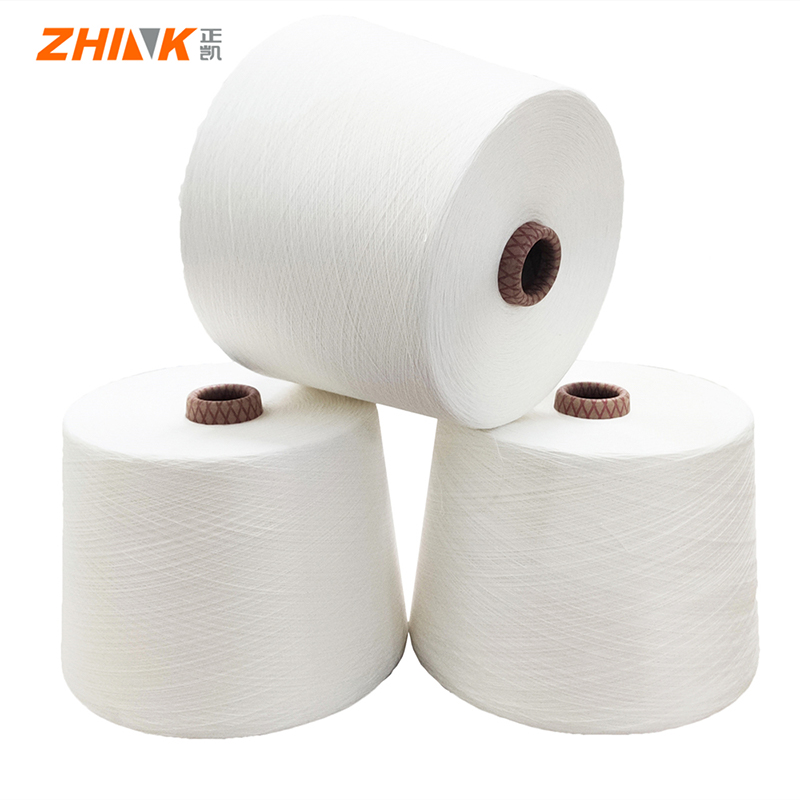
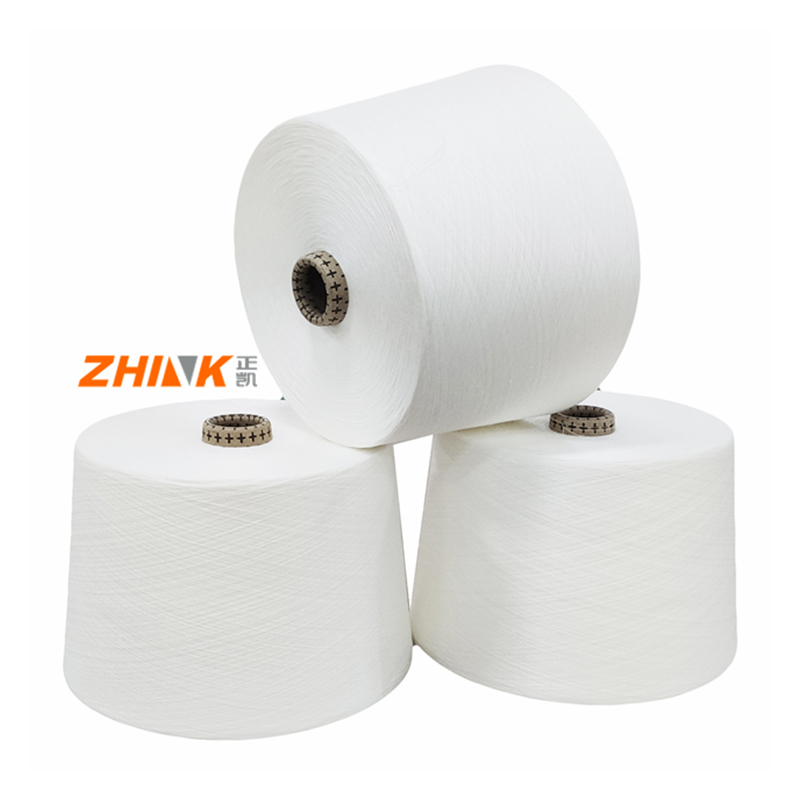
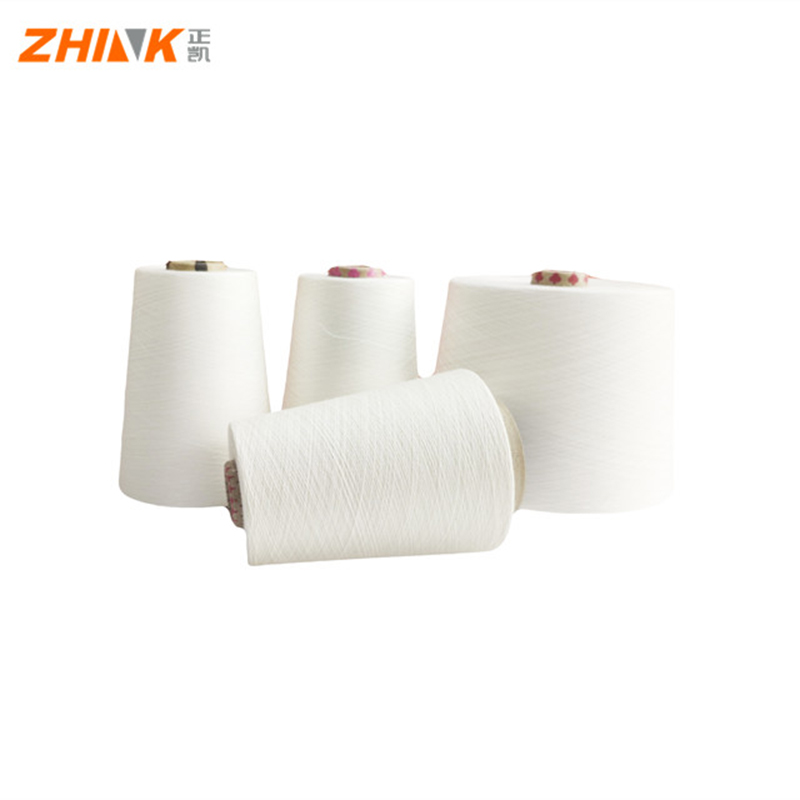
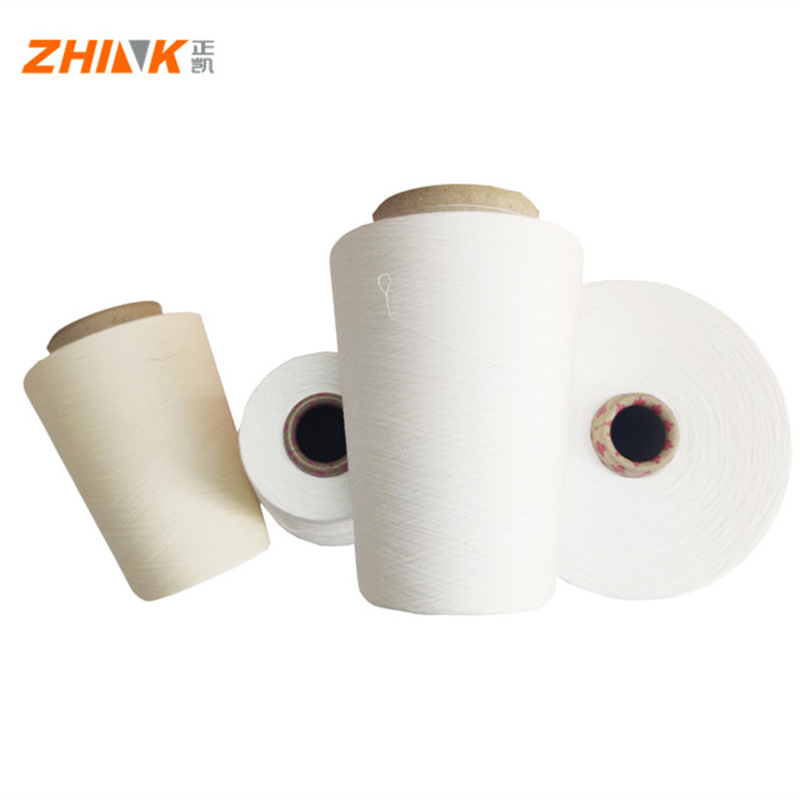
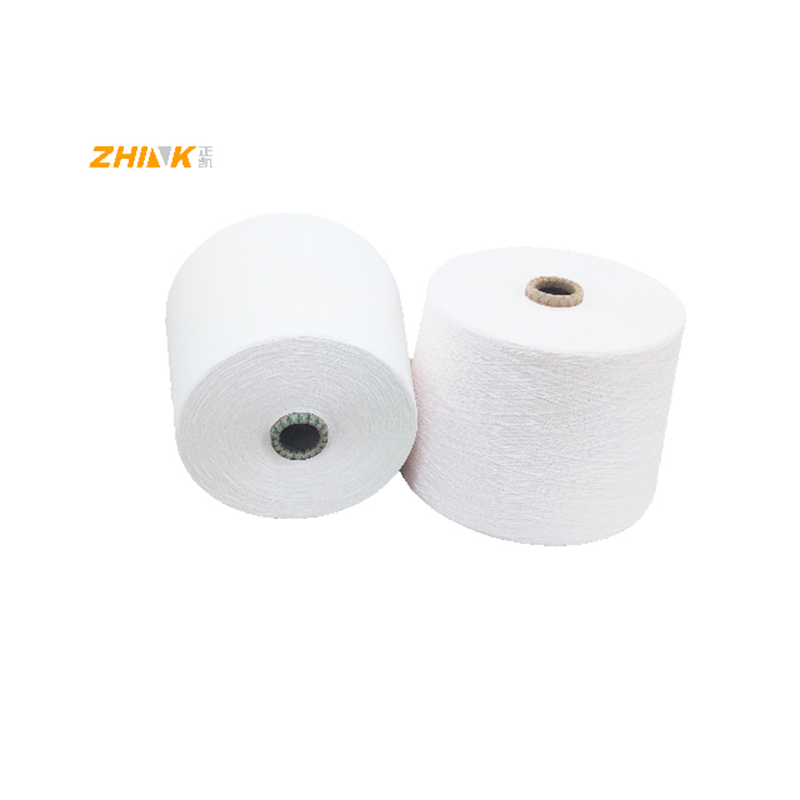
Flame retardant polyester spun yarn
Understanding Flame Retardant Polyester Spun Yarn
Flame retardant polyester spun yarn is essential in various industries, where safety and durability are top priorities. However, misunderstandings about its efficacy and applications often arise. This article aims to clarify and delve deeply into the nuances, drawing from practical experiences in the field.
The Basics of Flame Retardant Polyester
When we talk about flame retardant polyester spun yarn, we're focusing on a material that combines polyester's inherent advantages with the added benefit of flame resistance. These yarns are specially treated or modified during the polymer stage to inhibit or resist ignition.
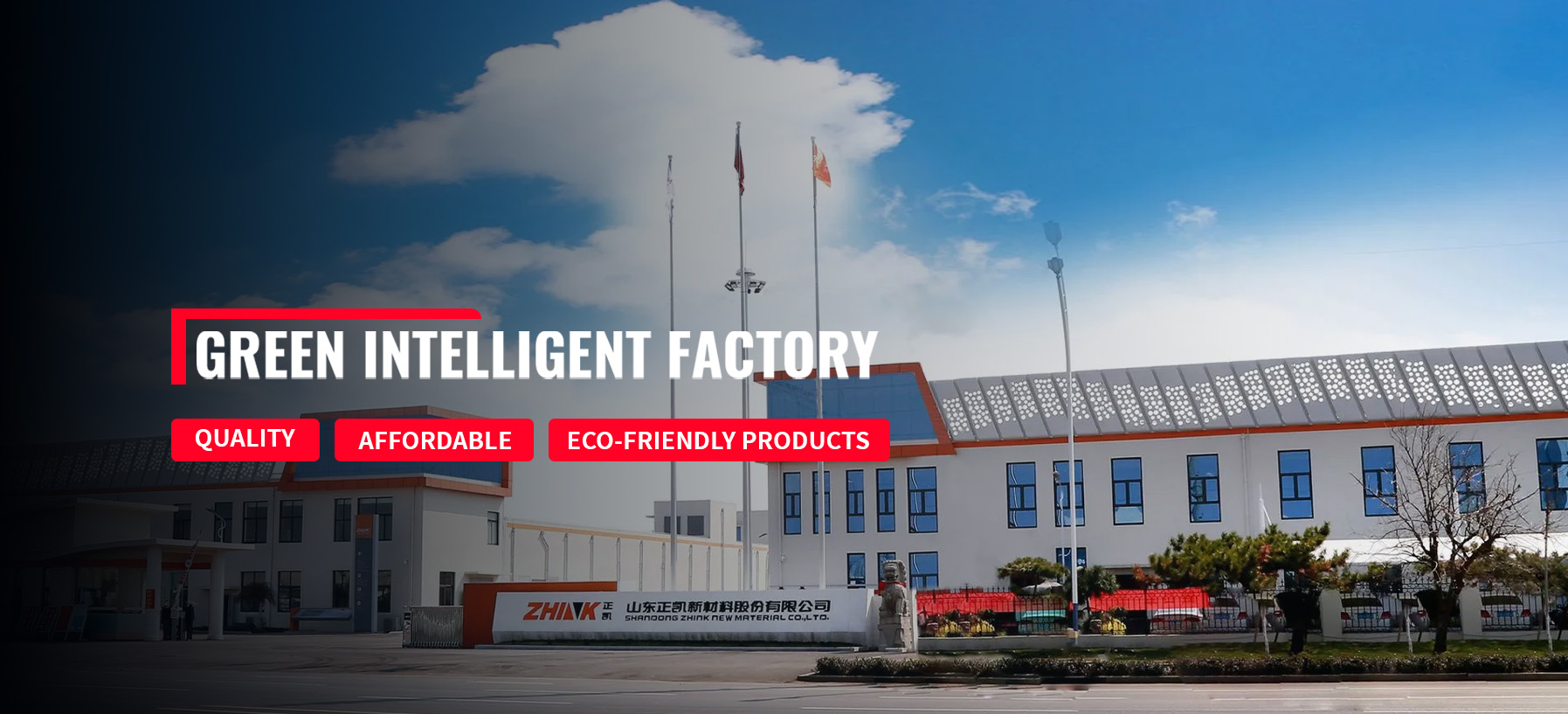
From my experience, it's important to note that not all flame retardant yarns are created equal. The level of protection can vary widely depending on the treatment process and the quality of materials used. Companies like SHANDONG ZHINK NEW MATERIAL CO., LTD specialize in the development of such advanced textile solutions, offering detailed specifications that guide users in selecting the right yarn for their needs.
I've often seen projects fail because teams overlooked these specifications, assuming 'flame retardant' means completely fireproof. It’s a crucial distinction—these yarns provide enhanced safety but under specific conditions, understanding this can prevent costly mistakes.
Applications and Considerations
In practical terms, these yarns find their way into various applications, from workwear and uniforms to home textiles and automotive interiors. Each application calls for a different consideration of yarn properties. Think about the balance of safety, comfort, and cost. Often, the challenge is in optimizing these factors without compromising on flame retardancy.
For instance, I've worked on a project involving firefighter uniforms where the key was to balance heat resistance with breathability. It was not just about using flame retardant polyester spun yarn but choosing the right blend and weight. This is where companies offering customized solutions, like Zhink New Material, prove invaluable.
Another important factor is regulatory compliance, which can vary greatly between regions. Being up-to-date with standards is essential, and liaising with manufacturers who have in-depth knowledge, like those available via https://www.zhinkyarn.com, can make a significant difference in ensuring compliance.
Challenges in Production
From a manufacturing perspective, producing flame retardant polyester yarns poses its own set of challenges. In my time at the textile mill, regulating the chemistry involved without compromising fiber integrity was a consistent obstacle.
Particularly, the chemistry used must enhance the yarn's flame-retardant properties without affecting its tactile feel or strength adversely. One approach some manufacturers use involves incorporating flame-retardant additives into the polyester polymer itself, which tends to yield better performance over traditional surface treatments.
The refinement of these processes is what makes leading manufacturers like Zhink New Material stand out, providing a robust mix of innovation and reliability that end-users can trust.
The Role of Innovation
Innovation in this field has been a game-changer. New technology and research continue to enhance the properties of flame retardant polyester spun yarn, allowing for lighter, stronger, and more heat-resistant variations.
Investing in R&D, as Zhink New Material does, supports not just the advancement of yarn quality, but also customer education—a vital component often overlooked. Clients benefit from understanding the yarn's lifecycle, from production to end-use.
Consider the environmental impact too. Newer processes aim to reduce the ecological footprint of production, aligning product development with sustainability goals. This focus is becoming increasingly significant in textile manufacturing, as consumers and industries alike push for sustainable practices.
Real-World Impacts
Real-world scenarios frequently test the assumptions made in the lab. In one collaboration we handled, a flame retardant fabric was used in public transport upholstery. The key takeaway was the fabric's performance under different temperature conditions, factoring in passenger comfort and safety.
The feedback loop between end-users and developers became a pivotal part of improving yarn features. It’s fascinating to see how theoretical safety criteria translate into practical use cases, informing further refinement of these products.
Ultimately, flame retardant polyester spun yarn is more than just a technical component—it's about enhancing safety while maintaining the fabric's utility and comfort across various industries. Engaging actively with trustworthy suppliers and staying informed on the latest innovations can significantly elevate project outcomes.
Related Products
Related Products