+86-632-3621866
- Chinese
- French
- German
- Portuguese
- Spanish
- Russian
- Japanese
- Korean
- Arabic
- Irish
- Greek
- Turkish
- Italian
- Danish
- Romanian
- Indonesian
- Czech
- Afrikaans
- Swedish
- Polish
- Basque
- Catalan
- Esperanto
- Hindi
- Lao
- Albanian
- Amharic
- Armenian
- Azerbaijani
- Belarusian
- Bengali
- Bosnian
- Bulgarian
- Cebuano
- Chichewa
- Corsican
- Croatian
- Dutch
- Estonian
- Filipino
- Finnish
- Frisian
- Galician
- Georgian
- Gujarati
- Haitian
- Hausa
- Hawaiian
- Hebrew
- Hmong
- Hungarian
- Icelandic
- Igbo
- Javanese
- Kannada
- Kazakh
- Khmer
- Kurdish
- Kyrgyz
- Latin
- Latvian
- Lithuanian
- Luxembou..
- Macedonian
- Malagasy
- Malay
- Malayalam
- Maltese
- Maori
- Marathi
- Mongolian
- Burmese
- Nepali
- Norwegian
- Pashto
- Persian
- Punjabi
- Serbian
- Sesotho
- Sinhala
- Slovak
- Slovenian
- Somali
- Samoan
- Scots Gaelic
- Shona
- Sindhi
- Sundanese
- Swahili
- Tajik
- Tamil
- Telugu
- Thai
- Ukrainian
- Urdu
- Uzbek
- Vietnamese
- Welsh
- Xhosa
- Yiddish
- Yoruba
- Zulu
- Kinyarwanda
- Tatar
- Oriya
- Turkmen
- Uyghur


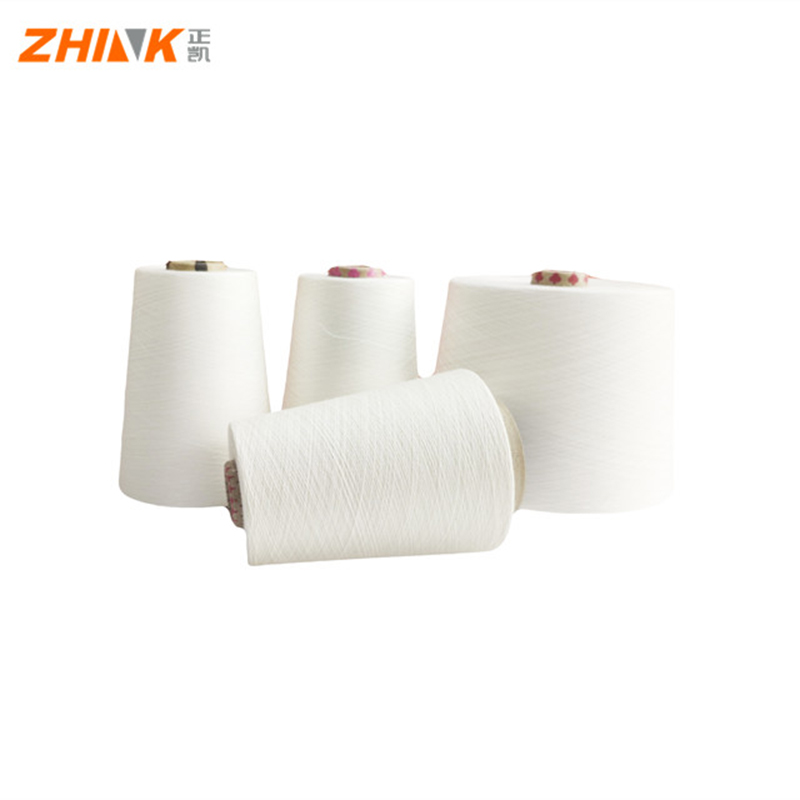
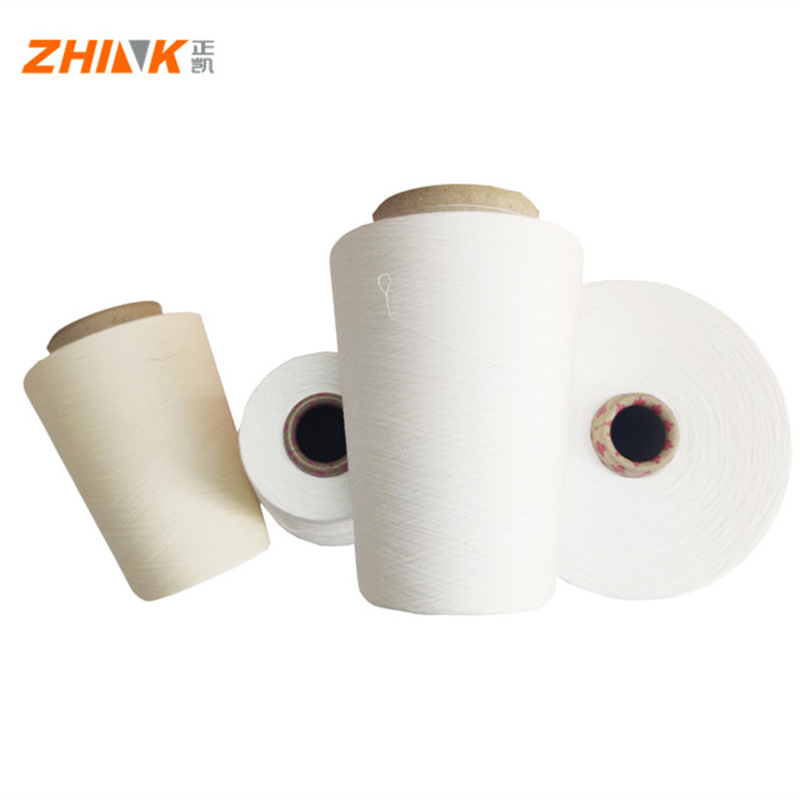
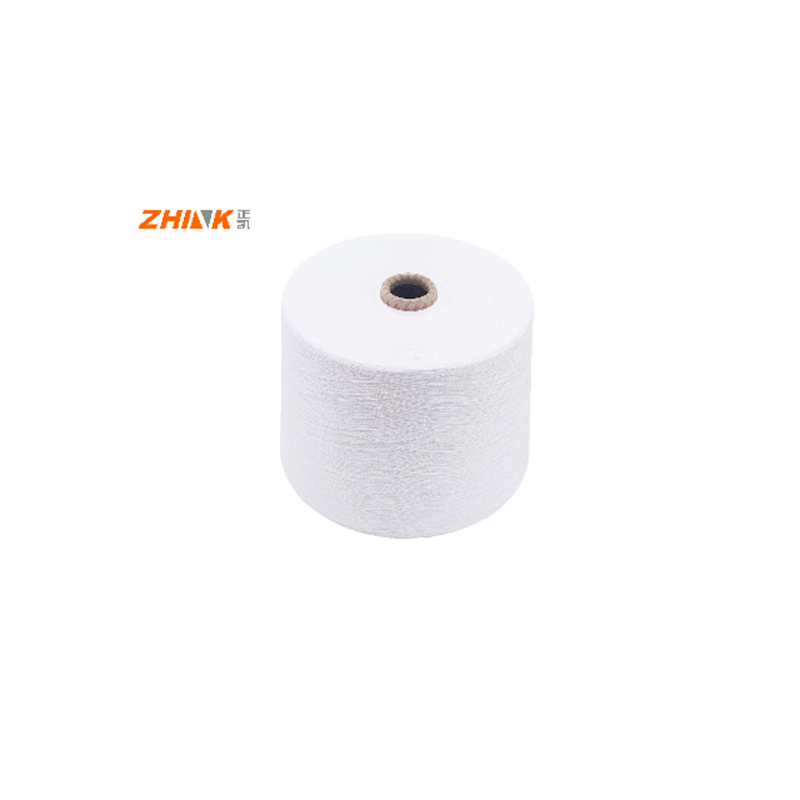
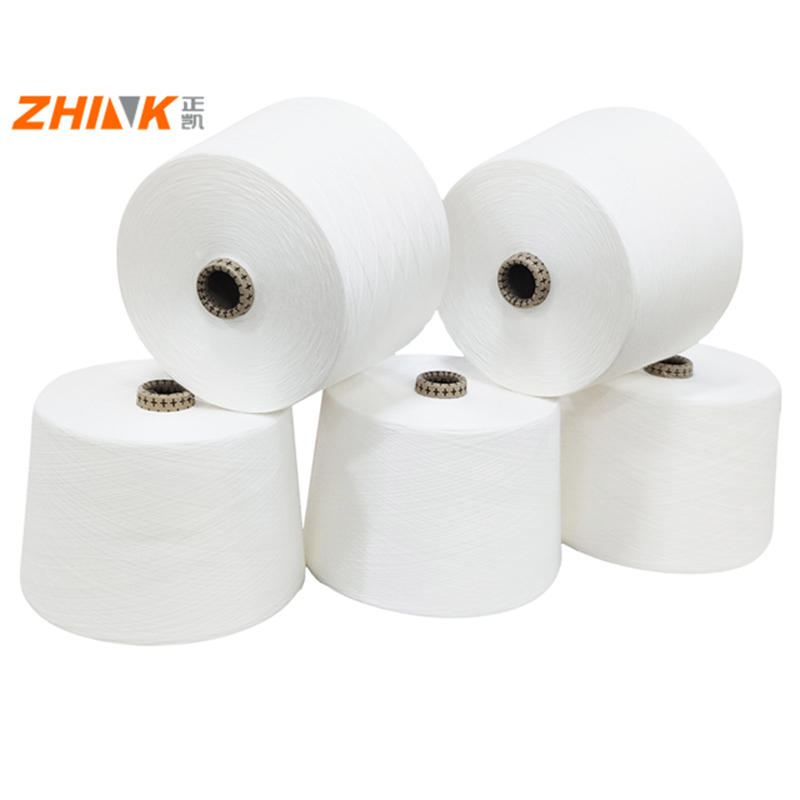
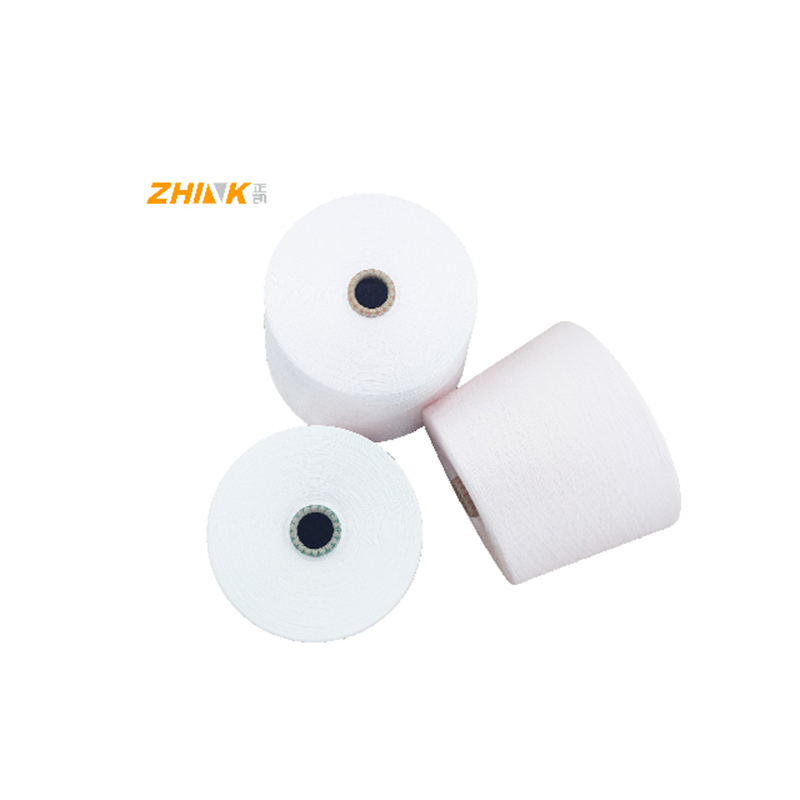
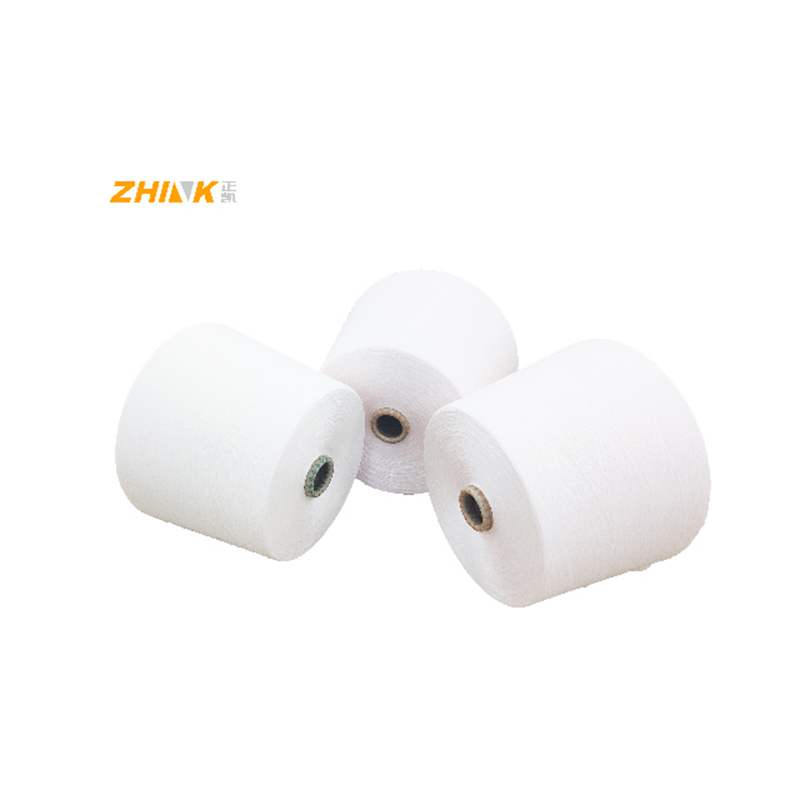
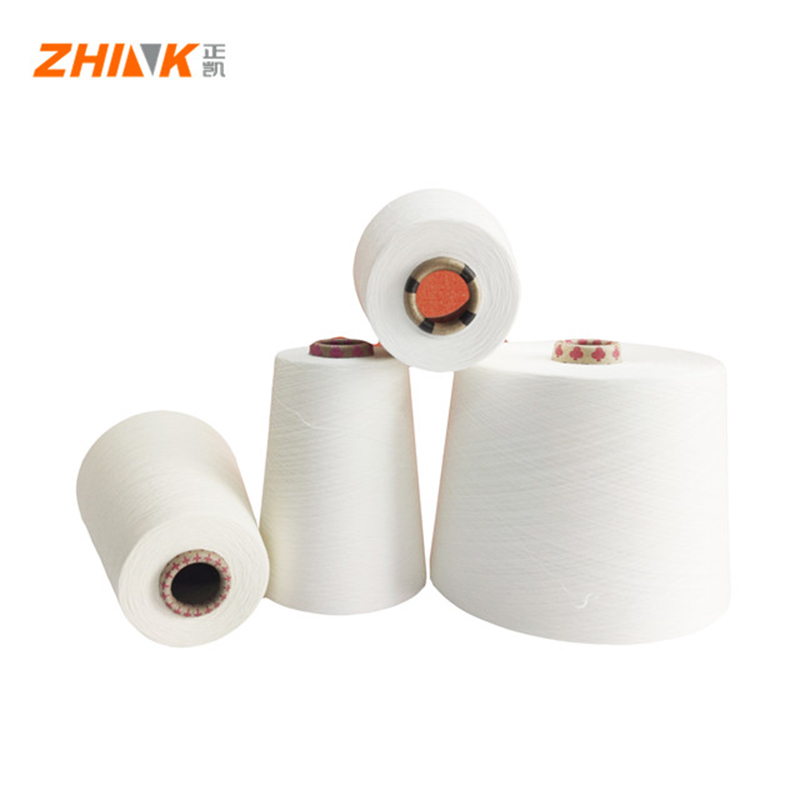
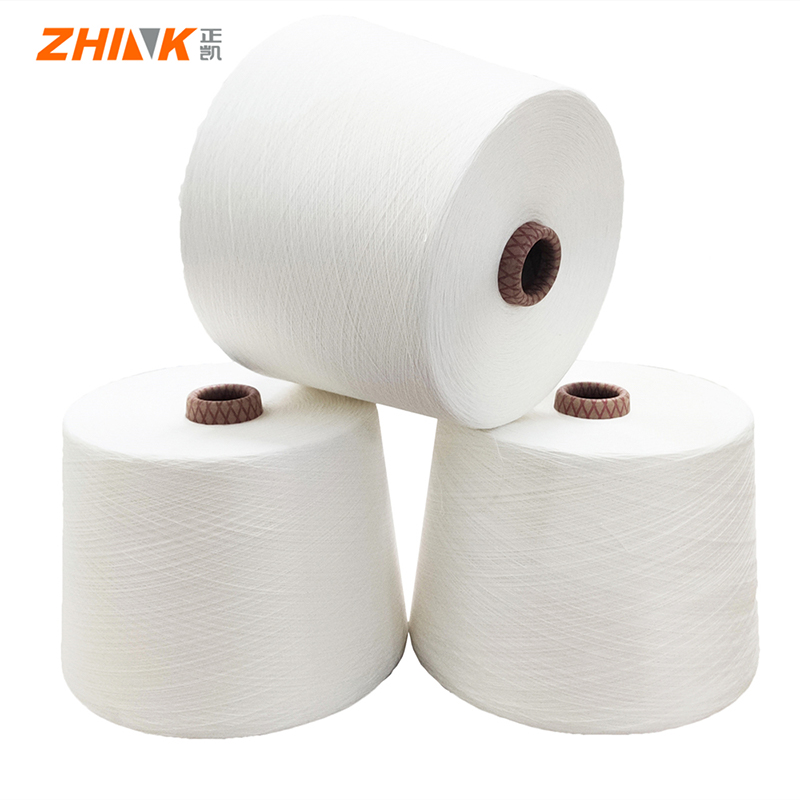
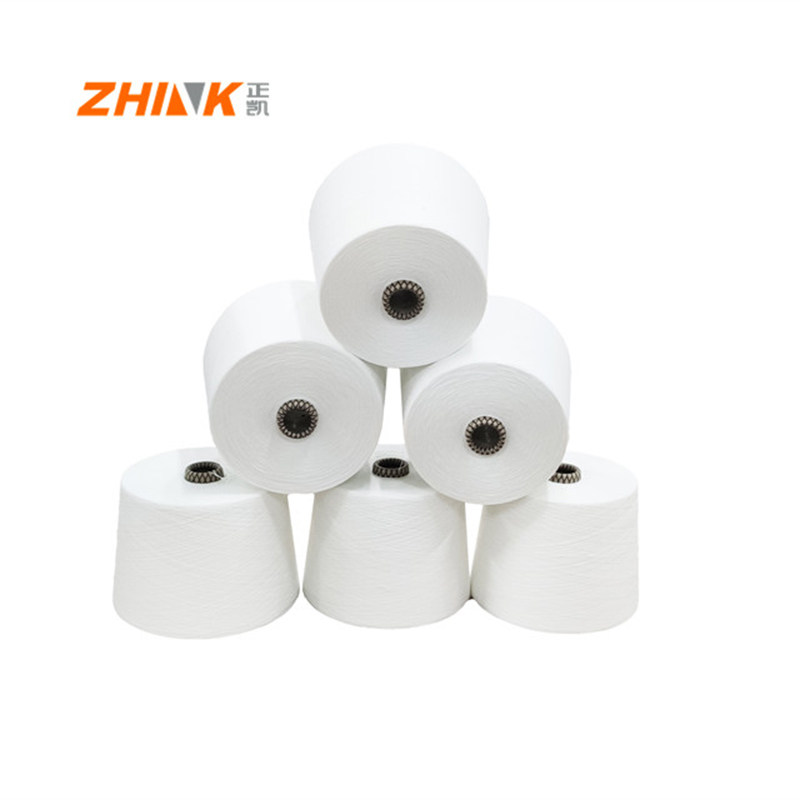
Flame retardant polyester spun yarn for knitting
Understanding Flame Retardant Polyester Spun Yarn for Knitting
Flame retardant polyester spun yarn is key in several industries, providing safety without sacrificing texture or usability. Yet, misconceptions abound about these yarns. Some believe they compromise on quality or are not suitable for knitting specific types. But experience tells a different story.
The Basics of Flame Retardant Polyester
When we talk about flame retardant polyester, it’s crucial to recognize its development has evolved over the years. Initially, people were skeptical—thinking anything fire-resistant would be bulky or uncomfortable. However, in practice, advancements have led to yarns that maintain the properties knitters love.
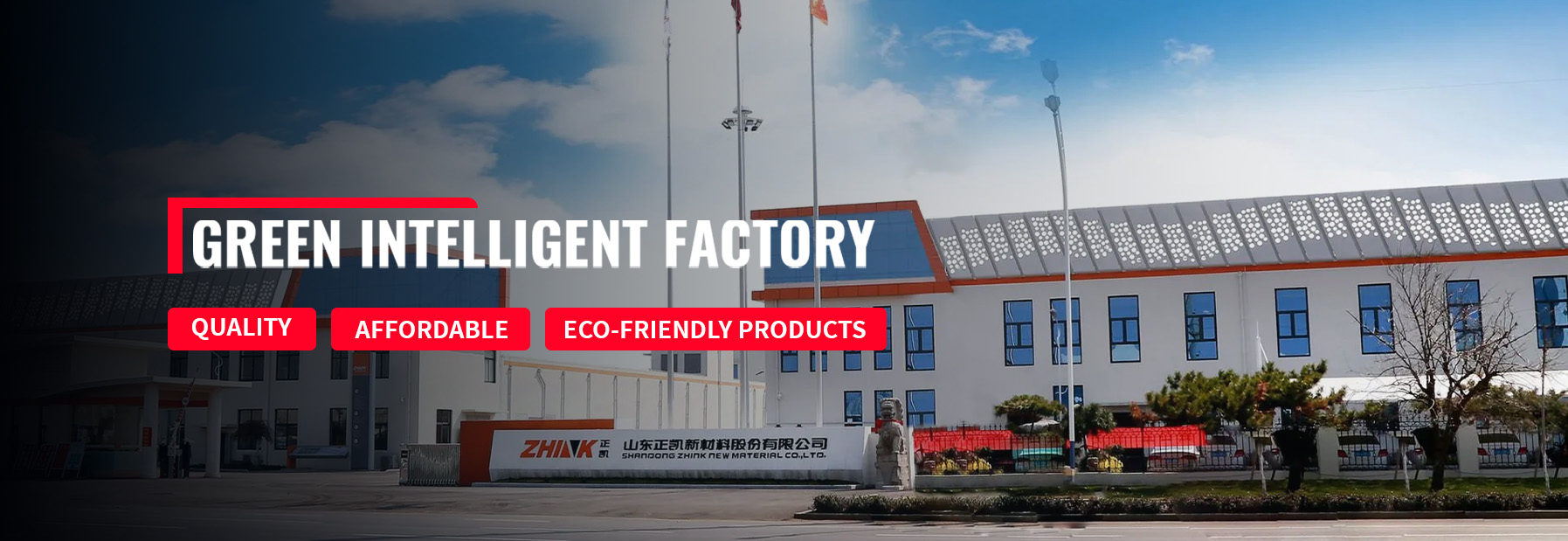
An aspect often overlooked is the chemistry. The additives used are integrated at the polymer level, which means the safety is embedded, not just coated. This makes a difference in durability during washing and wear, an area where non-experts might falter in understanding. Companies like SHANDONG ZHINK NEW MATERIAL CO., LTD have been pivotal, offering insights into such nuanced production processes.
Visit their site at Zhink Yarn to see how these advances translate into real-world applications. The company excels in R&D—an aspect critical for innovation in flame retardant yarns.
Knitters’ Concerns Addressed
A challenge knitters often face is the tactile feel. Many worry flame retardant yarns may feel synthetic or rough. What’s fascinating is how specialized finishing techniques have addressed this. Today’s flame retardant polyester spun yarn can be indistinguishable in feel from traditional yarns.
Consider the projects that involve children's clothing—which demand both softness and safety. Here, the yarn’s adaptability shows its strengths. As I’ve noticed in my work, combining these yarns with soft natural fibers can create garments that are safe yet comforting.
Beyond feel, there’s the question of color. The fear that flame retardant yarns might limit color palettes is unfounded. In my practice, the dyeing process seamlessly integrates with modern flame-resistant treatments, allowing vibrant, lasting colors.
Real-World Applications and Trials
From my perspective in the industry, there have been applications where these yarns shine. In public spaces like auditoriums or conference halls, fire safety is paramount. Here, curtains and seat covers utilize flame retardant polyester spun yarn to meet stringent safety standards without aesthetic compromise.
Take mechanical stretch, for example, which previously was a concern. Recent production techniques have enabled these yarns to stretch and recover, treating them almost like a sportswear component. This has opened doors for new, unexpected uses.
Yet, it’s not all been plain sailing. Early experimental batches faced challenges with consistent quality. But with suppliers like Zhink New Material driving the research, improvements have steadily built trust and reliability in these yarns.
Production Insights from an Expert
From a manufacturing standpoint, producing flame retardant yarn requires precision. The machinery involved and the environmental considerations are complex. A detail to note is the controlled temperatures during extrusion, which can impact fiber strength.
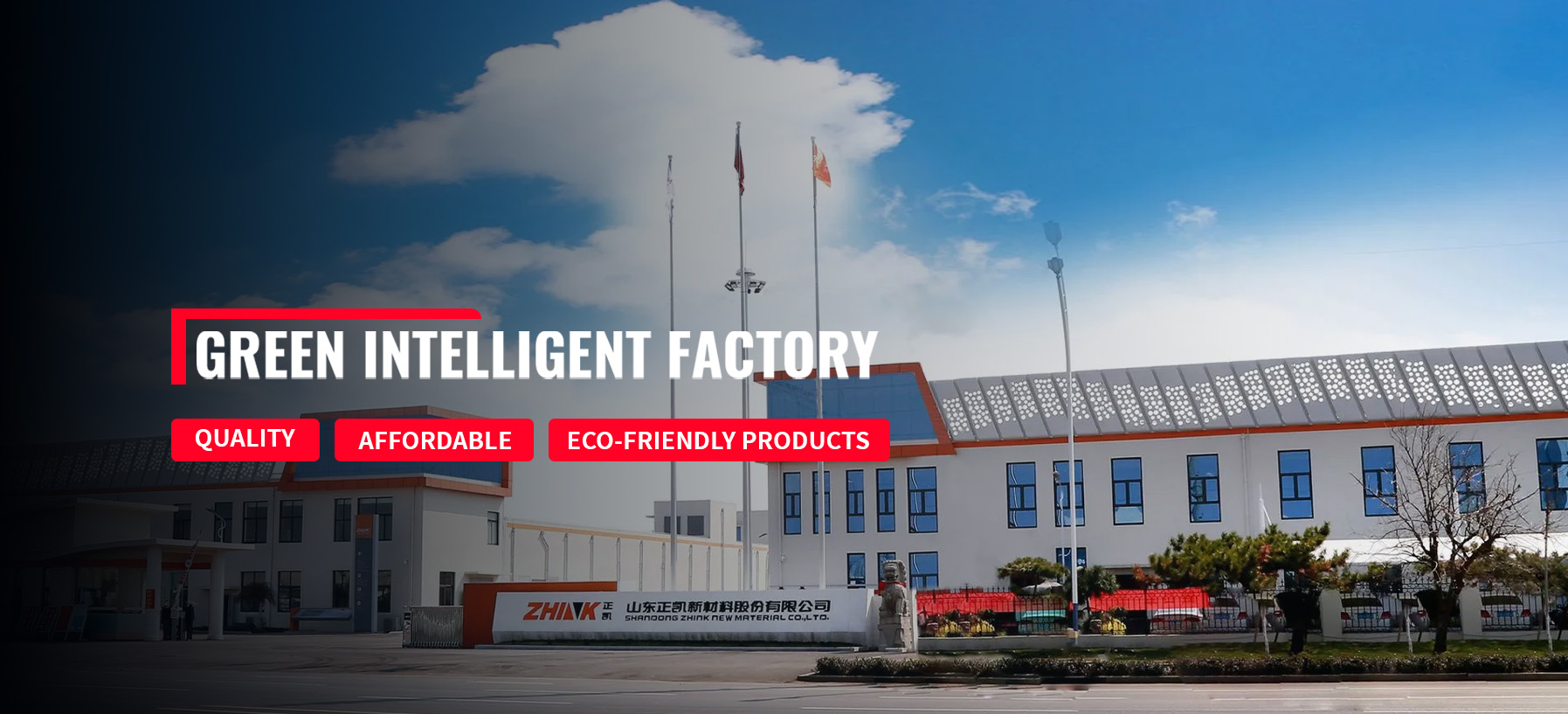
It’s here that Zhink New Material's expertise becomes invaluable. Their facilities incorporate advanced technology and strict quality management—helping ensure each batch meets the expectations of wearability and safety. Detailed information is available on their website, here.
Ultimately, the production isn’t merely about the yarn itself but how it serves various end-use environments. Monitoring real-world performance continues to be a priority—a factor that shapes ongoing R&D strategies.
Future Directions and Considerations
Looking forward, there’s excitement about how these yarns might evolve. We anticipate improvements not just in property but also in sustainability. Flame retardant properties are being developed with eco-friendly methods, hoping to align with the textile industry’s green movement.
As we focus on both innovation and practical application, flame retardant yarns are tipped to play a larger role. For now, understanding their capabilities and limitations is the foundation for future breakthroughs.
Whether you’re an enthusiast or professional, exploring the tangible benefits of these yarns promises to be a rewarding endeavor. The evolution is ongoing, and keeping informed through experts in the field, like those at SHANDONG ZHINK, is vital for anyone looking to delve deeper into this specialized niche.
Related Products
Related Products