+86-632-3621866
- Chinese
- French
- German
- Portuguese
- Spanish
- Russian
- Japanese
- Korean
- Arabic
- Irish
- Greek
- Turkish
- Italian
- Danish
- Romanian
- Indonesian
- Czech
- Afrikaans
- Swedish
- Polish
- Basque
- Catalan
- Esperanto
- Hindi
- Lao
- Albanian
- Amharic
- Armenian
- Azerbaijani
- Belarusian
- Bengali
- Bosnian
- Bulgarian
- Cebuano
- Chichewa
- Corsican
- Croatian
- Dutch
- Estonian
- Filipino
- Finnish
- Frisian
- Galician
- Georgian
- Gujarati
- Haitian
- Hausa
- Hawaiian
- Hebrew
- Hmong
- Hungarian
- Icelandic
- Igbo
- Javanese
- Kannada
- Kazakh
- Khmer
- Kurdish
- Kyrgyz
- Latin
- Latvian
- Lithuanian
- Luxembou..
- Macedonian
- Malagasy
- Malay
- Malayalam
- Maltese
- Maori
- Marathi
- Mongolian
- Burmese
- Nepali
- Norwegian
- Pashto
- Persian
- Punjabi
- Serbian
- Sesotho
- Sinhala
- Slovak
- Slovenian
- Somali
- Samoan
- Scots Gaelic
- Shona
- Sindhi
- Sundanese
- Swahili
- Tajik
- Tamil
- Telugu
- Thai
- Ukrainian
- Urdu
- Uzbek
- Vietnamese
- Welsh
- Xhosa
- Yiddish
- Yoruba
- Zulu
- Kinyarwanda
- Tatar
- Oriya
- Turkmen
- Uyghur



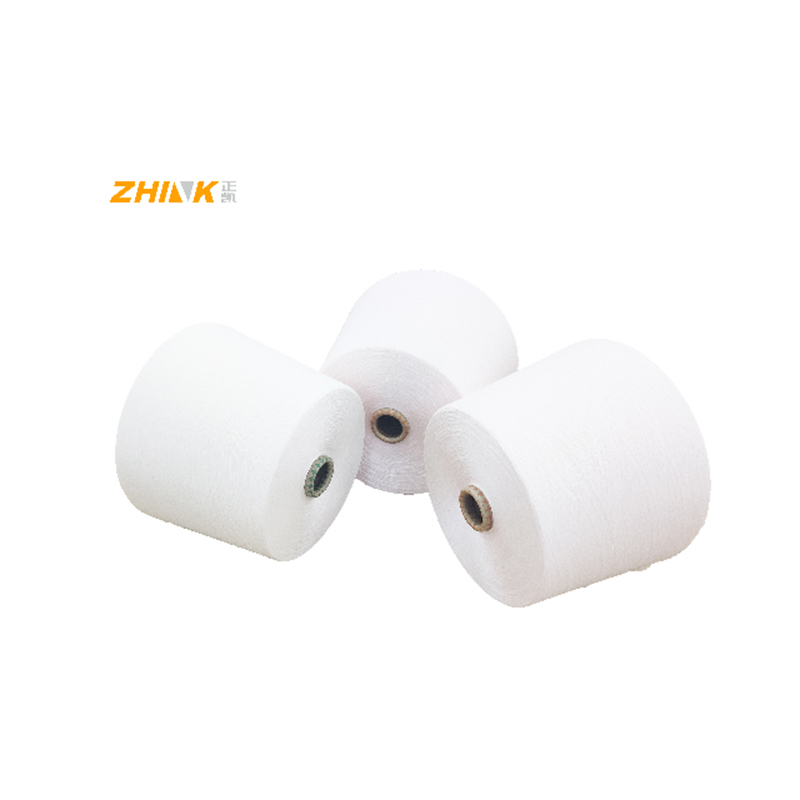
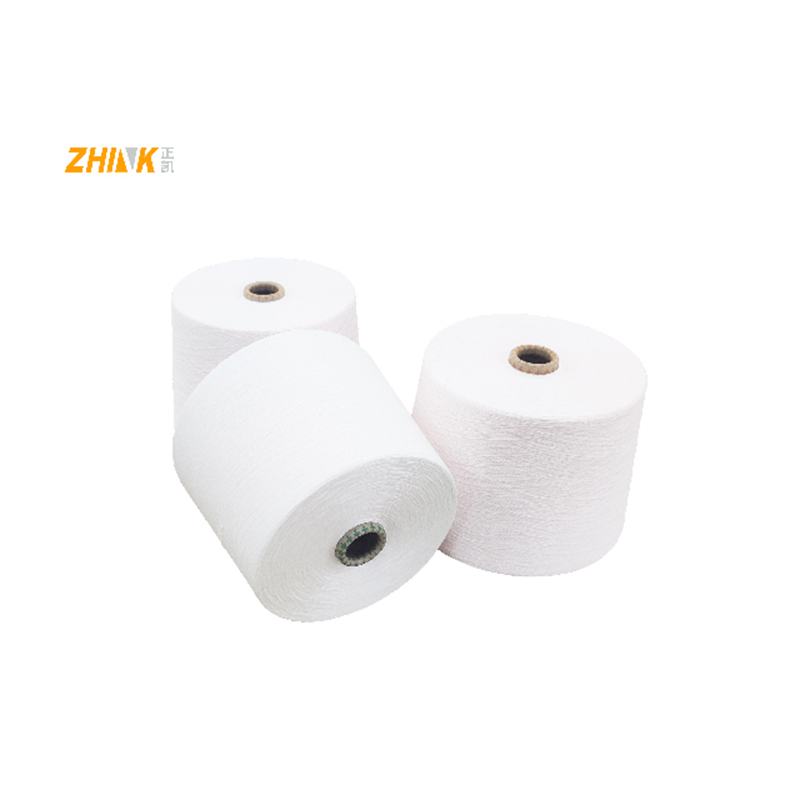
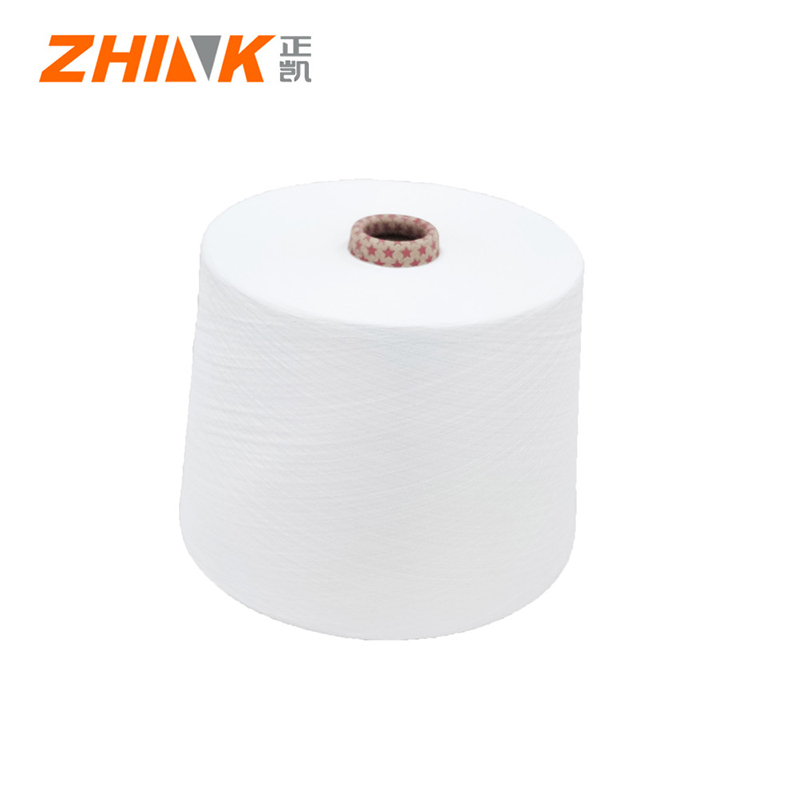
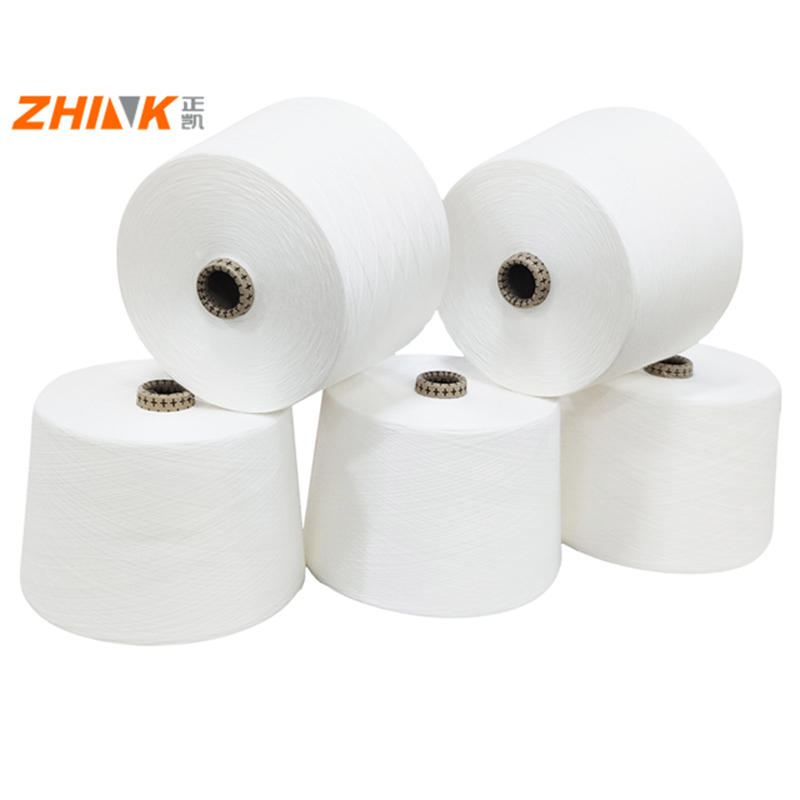
Flame retardant polyester spun yarn for weaving
The Potential of Flame Retardant Polyester Spun Yarn in Weaving
Flame retardant polyester spun yarn might sound technical, but its practical application in weaving is profound, touching industries where safety and functionality converge. If you’ve ever wondered whether it’s all marketing hype or there’s real substance behind it, this exploration through the lens of industry experience should clarify.
Understanding Flame Retardant Polyester Spun Yarn
Let’s start with understanding what we’re really dealing with. Flame retardant polyester spun yarn isn’t just any yarn; it has specific treatments that make it resist ignition. I remember a project where we aimed to create safer workwear, and the right yarn was critical. The balance we had to find was between maintaining fabric integrity and providing effective flame resistance.
There's a tendency to assume that any flame-retardant material will be thick and uncomfortable. However, innovations have allowed us to maintain softness and breathability. Companies like SHANDONG ZHINK NEW MATERIAL CO., LTD have been pivotal in developing these yarns. Their commitment to research has yielded materials that don't force us to compromise on comfort.
A key detail worth mentioning: not all flame retardants are created equal. It’s a learning curve, understanding which chemical treatments are used and their environmental impacts. Flame retardants should not wash out easily, and this is something I've seen overlooked in early trials. Long-term authenticity of these protective qualities is paramount.
The Role of Flame Retardant Yarn in Modern Weaving
Why does this yarn matter so much in weaving? Apart from obvious applications like upholstery in public transportation or protective clothing, there’s a versatility often missed. Its integration into everyday textiles can go unnoticed yet provide an additional safety layer, reducing fire-related accidents at a consumer level.
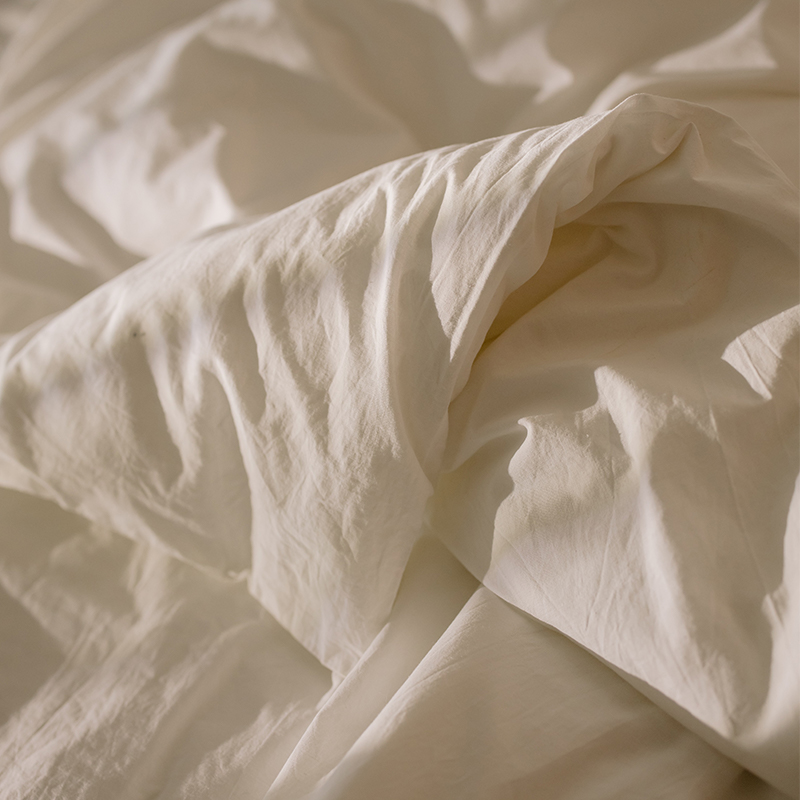
I recall an instance where a hotel chain sought to upgrade their room furnishings. They turned to flame retardant solutions and were amazed at the soft, luxurious fabrics available with these properties. We landed on fabrics that were not only aesthetically pleasing but also conformed to stringent safety codes.
There’s no denying that aesthetics are a driving force in textile choices. With these yarns, bridging the gap between safety and visual appeal has become achievable. It’s exciting to work on projects where clients don’t have to choose one over the other. At the core, the technical specifications should enhance, not hinder, creative possibilities.
Challenges Faced by Textile Manufacturers
While working with these yarns, I’ve encountered a few hurdles. Tension consistency during weaving is one, particularly given that different flame retardants can alter the yarn’s behavior slightly. Each new batch can contain subtle variations, implying that quality control remains a significant focus area.
Moreover, sourcing quality flame retardant yarns can sometimes be challenging. Companies like Zhink New Material, provided by the website https://www.zhinkyarn.com, are invaluable partners. Their extensive R&D efforts support developers in creating textiles that meet evolving industry standards.
Price points can also be a sticking point. Clients often worry about the cost — though, in my experience, the long-term safety benefits and reduced risk of liability substantially outweigh initial investments. It boils down to educating clients about value beyond mere raw material cost.
Real-World Application Scenarios
Consider transportation textiles. In public buses, where thousands use the service daily, flame retardant properties can prevent disaster. I’ve seen projects where investing in this yarn was initially met with hesitation, but after reviewing safety incidents, it became an unquestioned choice.
Another striking use is in children's sleepwear. Striking the right balance in softness and safety, SHANDONG ZHINK's yarn made waves in this sector. Ensuring that nightwear wouldn't become a hazard was achieved without compromising on child-friendly textures and designs.
Not to forget outdoor gear, where this yarn proves its mettle in rugged conditions without sacrificing durability or flame resistance. The end-product is always a testament to the yarn's versatility, often passing rigorous field tests with flying colors.
Conclusion: Weighing the Benefits and Future Prospects
As we wrap up, it's clear that flame retardant polyester spun yarn for weaving is not merely an industry buzzword. For those deep in the textile world, it represents a safety revolution. It's practical, accessible, and constantly improving through diligent R&D, as seen with pioneers like Zhink New Material.
The future? It likely involves continued exploration into blending sustainable practices with these safety innovations. It’s an exciting era where textiles do far more than cover — they protect. The potential for evolution seems limitless, and being part of this moment in textile history feels like both a responsibility and a privilege.
More often than not, it’s the seemingly small decisions, like choosing the right yarn, that resonate long into the fabric’s lifetime. Flame retardant properties are simply another layer ensuring that garments not only serve a purpose but do so responsibly.
Related Products
Related Products