+86-632-3621866
- Chinese
- French
- German
- Portuguese
- Spanish
- Russian
- Japanese
- Korean
- Arabic
- Irish
- Greek
- Turkish
- Italian
- Danish
- Romanian
- Indonesian
- Czech
- Afrikaans
- Swedish
- Polish
- Basque
- Catalan
- Esperanto
- Hindi
- Lao
- Albanian
- Amharic
- Armenian
- Azerbaijani
- Belarusian
- Bengali
- Bosnian
- Bulgarian
- Cebuano
- Chichewa
- Corsican
- Croatian
- Dutch
- Estonian
- Filipino
- Finnish
- Frisian
- Galician
- Georgian
- Gujarati
- Haitian
- Hausa
- Hawaiian
- Hebrew
- Hmong
- Hungarian
- Icelandic
- Igbo
- Javanese
- Kannada
- Kazakh
- Khmer
- Kurdish
- Kyrgyz
- Latin
- Latvian
- Lithuanian
- Luxembou..
- Macedonian
- Malagasy
- Malay
- Malayalam
- Maltese
- Maori
- Marathi
- Mongolian
- Burmese
- Nepali
- Norwegian
- Pashto
- Persian
- Punjabi
- Serbian
- Sesotho
- Sinhala
- Slovak
- Slovenian
- Somali
- Samoan
- Scots Gaelic
- Shona
- Sindhi
- Sundanese
- Swahili
- Tajik
- Tamil
- Telugu
- Thai
- Ukrainian
- Urdu
- Uzbek
- Vietnamese
- Welsh
- Xhosa
- Yiddish
- Yoruba
- Zulu
- Kinyarwanda
- Tatar
- Oriya
- Turkmen
- Uyghur



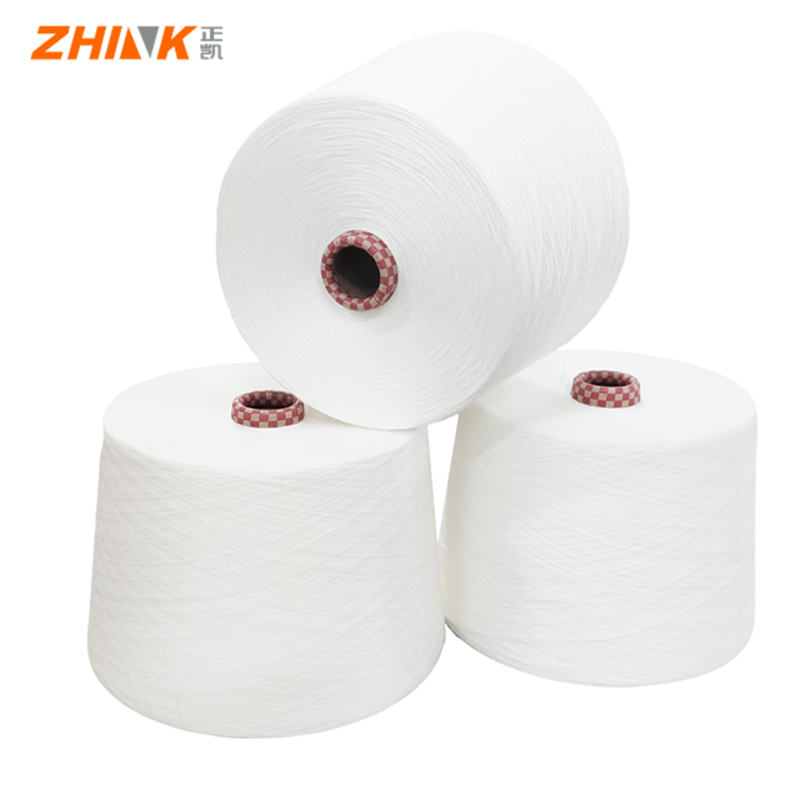
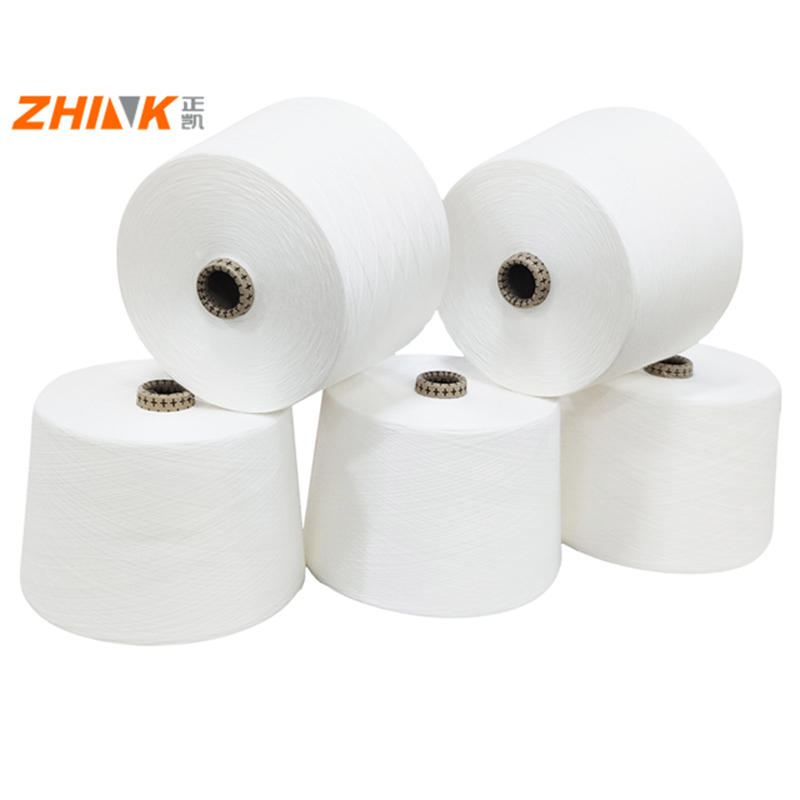
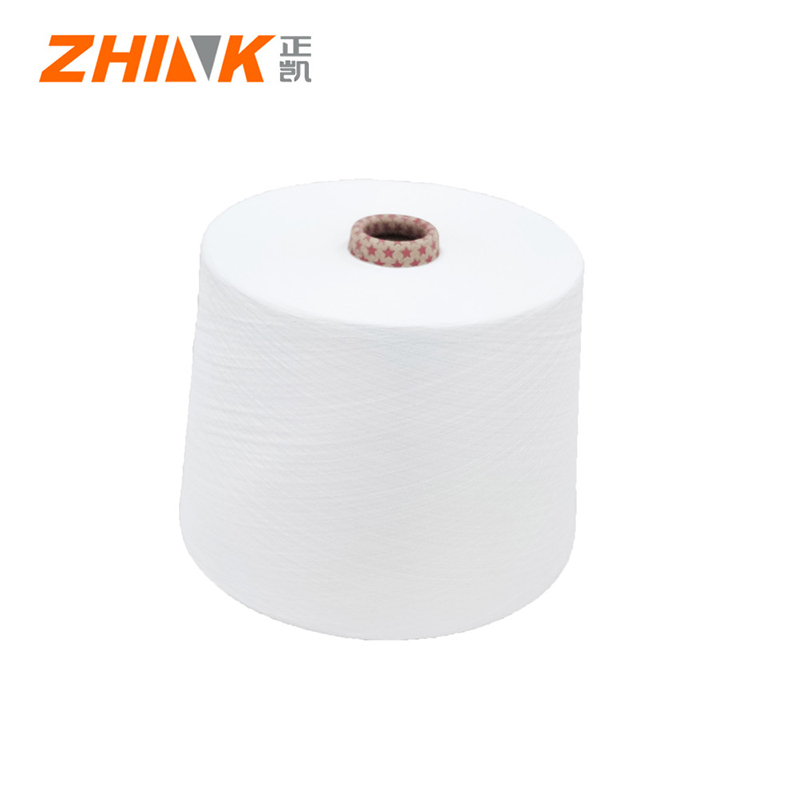
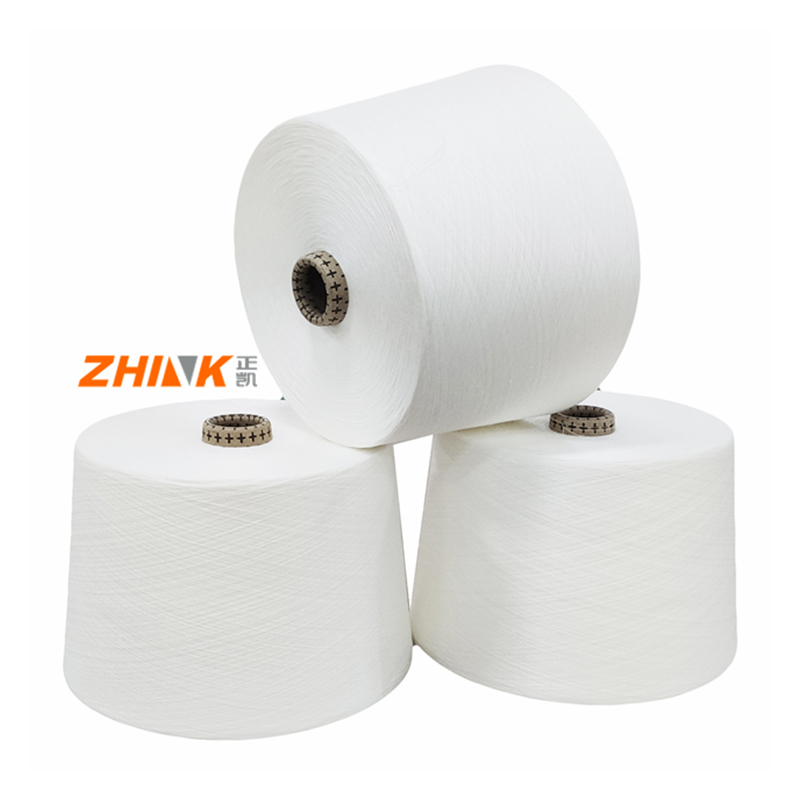
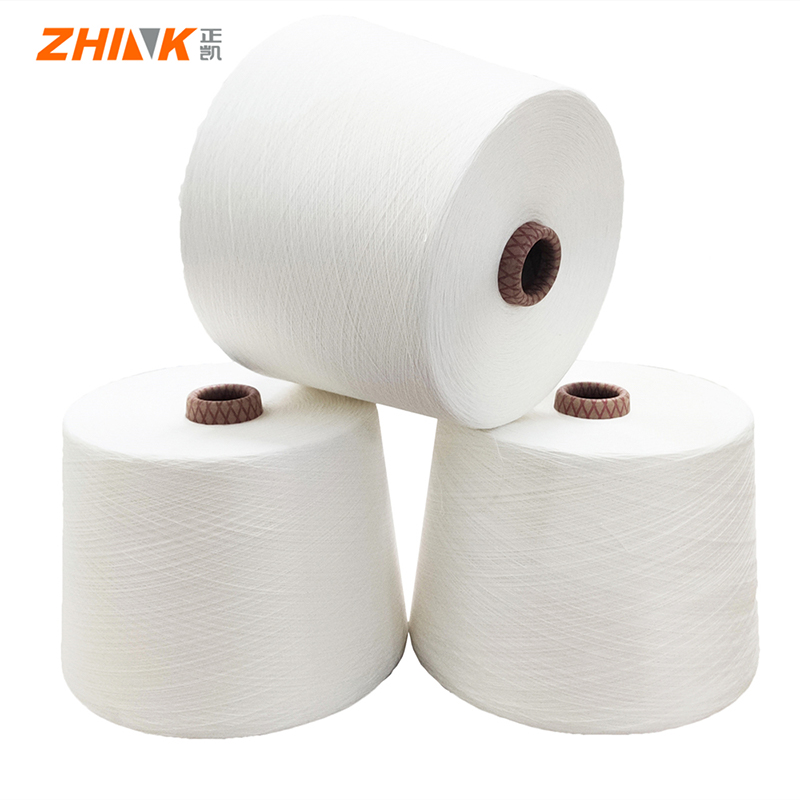
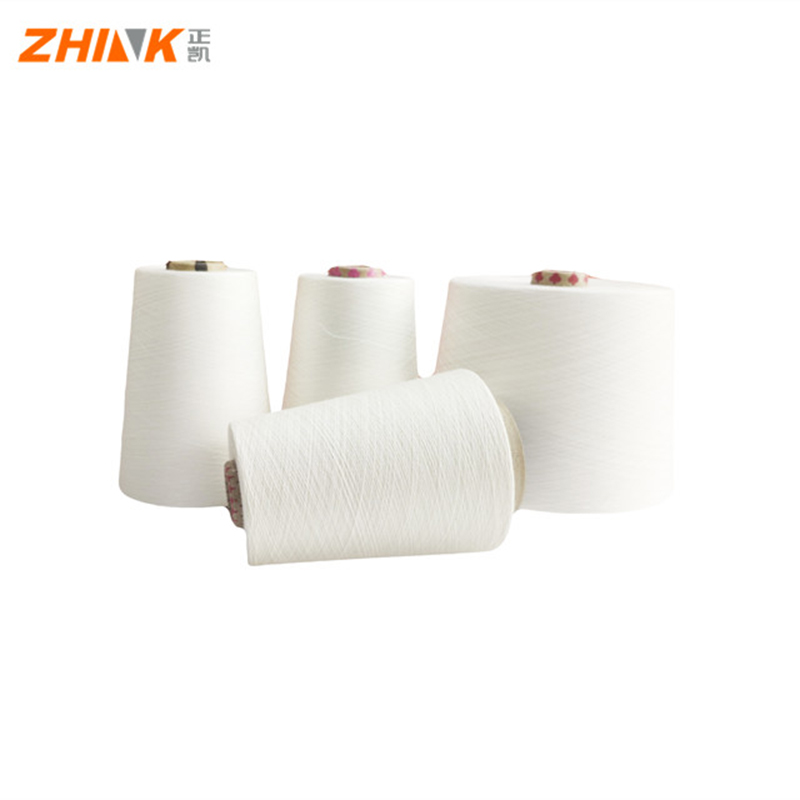
Flame retardant polyester staple fiber yarn
Flame Retardant Polyester Staple Fiber Yarn: Industry Insights
Exploring the intricacies of flame retardant polyester staple fiber yarn takes us into a fascinating world where safety and textile innovation meet. This isn’t just about technical specs; it’s about understanding how every strand is an evolution of necessity meeting artistry.
The Essence of Flame Retardant Yarns
When we talk about flame retardant polyester, there’s often a misunderstanding that the yarn is uniformly fireproof. It’s more nuanced than that. The yarn’s effectiveness lies in its ability to self-extinguish, effectively limiting fire spread. This capability becomes crucial in domains like protective clothing, furnishings, and public transport textiles.
Several years ago, in a project involving safety uniforms, the real test came with balancing durability and comfort while ensuring these yarns never compromised on retardancy. The delicate art of this balance stems not only from the choice of materials but also how each fiber is woven into the larger fabric.
Importantly, variability in application necessitates flexibility within the production process. From my experience at SHANDONG ZHINK NEW MATERIAL CO., LTD, this often meant iterative testing phases and real-time feedback from users. I found their approach detailed at Zhink Yarn invaluable, connecting R&D with practical results effectively.
Common Challenges in Production
Anyone who has ever attempted to produce these yarns will tell you about the technical challenges. One prominent issue is the balance between retardancy and tensile strength. You can’t just coat a fiber and expect comprehensive incorporation; it requires an intrinsic bond, something Zhink New Material seems to handle adeptly, guided by extensive in-house expertise.
The need for precision in extrusion techniques can’t be overstated. A small error in the extrusion back in our facility once led to inefficiencies in entire batches. There was a lesson learned there: Never underestimate calibration details.
Furthermore, maintaining consistent quality across batches sometimes felt like threading a needle in a moving vehicle. R&D teams are the unsung heroes, iterating on formulas that might take months to perfect, ensuring each batch meets comprehensive quality standards.
Key Features and Benefits: A Detailed Look
Polyester staple fiber yarns, especially of the flame retardant variety, find usage in high-stakes environments. A big plus is the yarn’s inherent properties—lightweight yet strong, adaptable across different textile forms, and, of course, its hallmark: high thermal resistance.
It’s this adaptability in achieving a balance between comfort and protection that makes SHANDONG ZHINK NEW MATERIAL CO., LTD’s offerings stand out, using proprietary technology that elevates their product suite.
For instance, integrating these yarns into upholstery provides a cost-effective solution without compromising safety—an aspect many commercial vendors overlook in pursuit of quick wins.
Practical Applications: Real World Examples
Take public transport seating, for example. Using flame retardant yarn here isn’t just legislatively necessary; it’s practically advantageous. These yarns contribute to public safety by delaying flame spread, offering extra escape time if the worst happens.
In an instance I was involved with, retrofitting bus interiors with these yarns didn’t just meet compliance but demonstrably increased passenger safety and peace of mind. There’s something uniquely satisfying about seeing a project through from conceptual fabric design to real-world application.
Outfitting public spaces is another touchpoint—curtains, carpets. Each piece, a potential risk without flame retardancy. The functional benefits marry aesthetic needs seamlessly, an area where Zhink excels due to their comprehensive design alongside functionality ethos.
Future Directions and Innovations
As technology evolves, so too does the field of textile innovation. New blends and fabric technologies are always on the horizon. For Zhink New Material, the focus has been on integrating smarter, greener materials, broadening the functionality without adding bulk or sacrificing comfort.
One potential future exploration is embedded sensors in yarns that react dynamically to heat, offering predictive maintenance capabilities in industrial settings. It’s not just about safety anymore, but proactive risk management.
The textile industry is at a frontier where the only constant is change. Companies like SHANDONG ZHINK NEW MATERIAL CO., LTD are leading by example, melding tradition with technology to forge fibers that not only tell their own story but also safeguard ours.
Related Products
Related Products