+86-632-3621866
- Chinese
- French
- German
- Portuguese
- Spanish
- Russian
- Japanese
- Korean
- Arabic
- Irish
- Greek
- Turkish
- Italian
- Danish
- Romanian
- Indonesian
- Czech
- Afrikaans
- Swedish
- Polish
- Basque
- Catalan
- Esperanto
- Hindi
- Lao
- Albanian
- Amharic
- Armenian
- Azerbaijani
- Belarusian
- Bengali
- Bosnian
- Bulgarian
- Cebuano
- Chichewa
- Corsican
- Croatian
- Dutch
- Estonian
- Filipino
- Finnish
- Frisian
- Galician
- Georgian
- Gujarati
- Haitian
- Hausa
- Hawaiian
- Hebrew
- Hmong
- Hungarian
- Icelandic
- Igbo
- Javanese
- Kannada
- Kazakh
- Khmer
- Kurdish
- Kyrgyz
- Latin
- Latvian
- Lithuanian
- Luxembou..
- Macedonian
- Malagasy
- Malay
- Malayalam
- Maltese
- Maori
- Marathi
- Mongolian
- Burmese
- Nepali
- Norwegian
- Pashto
- Persian
- Punjabi
- Serbian
- Sesotho
- Sinhala
- Slovak
- Slovenian
- Somali
- Samoan
- Scots Gaelic
- Shona
- Sindhi
- Sundanese
- Swahili
- Tajik
- Tamil
- Telugu
- Thai
- Ukrainian
- Urdu
- Uzbek
- Vietnamese
- Welsh
- Xhosa
- Yiddish
- Yoruba
- Zulu
- Kinyarwanda
- Tatar
- Oriya
- Turkmen
- Uyghur



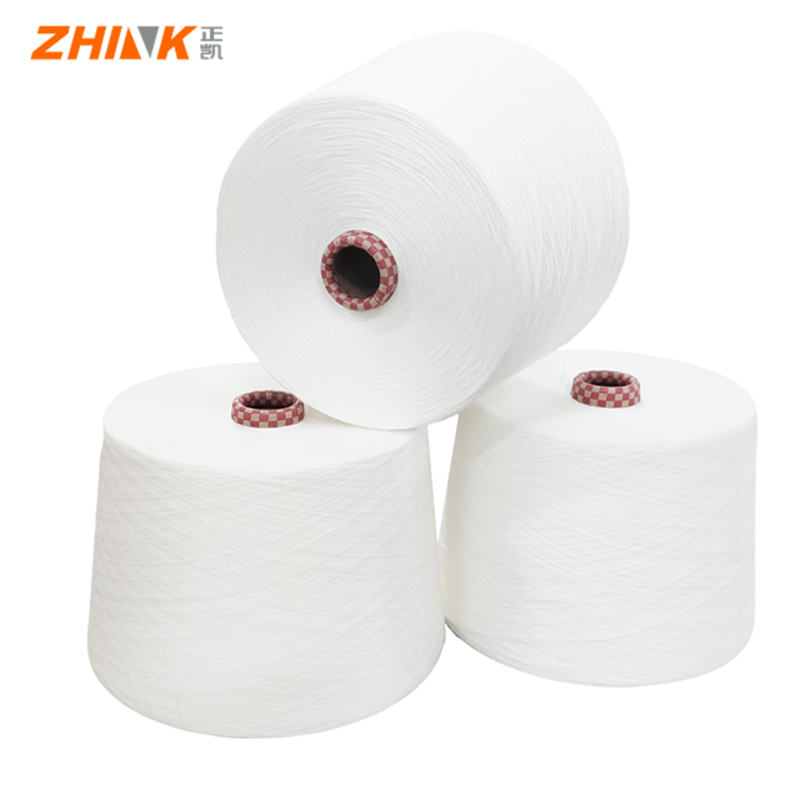
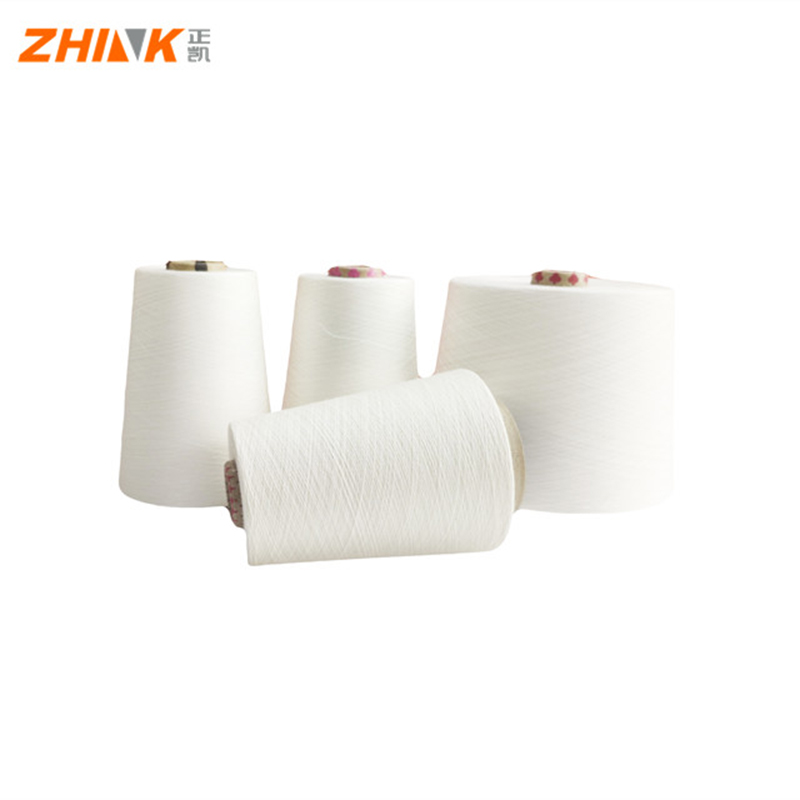
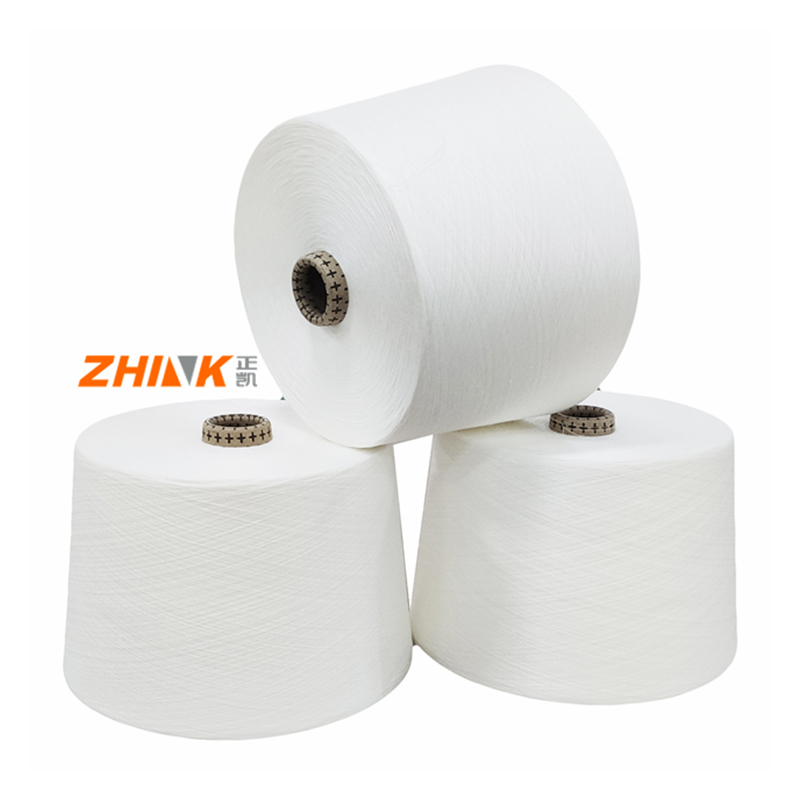
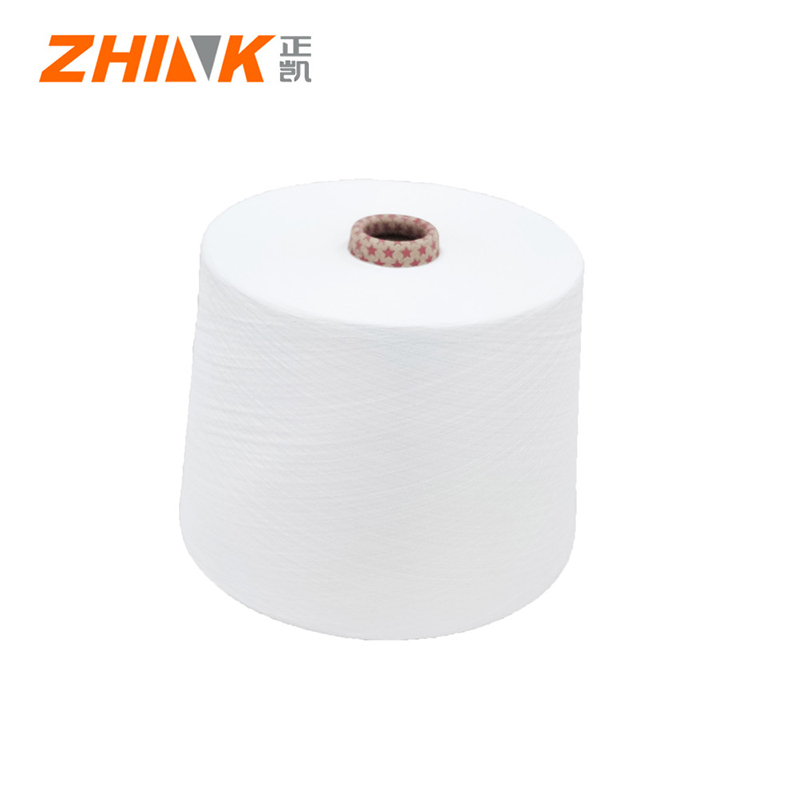
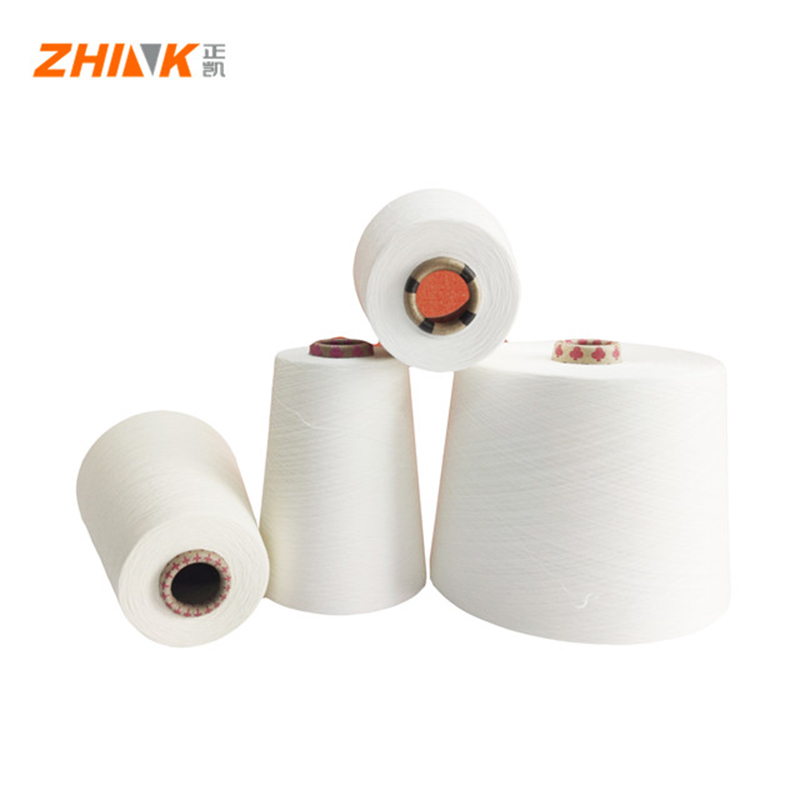
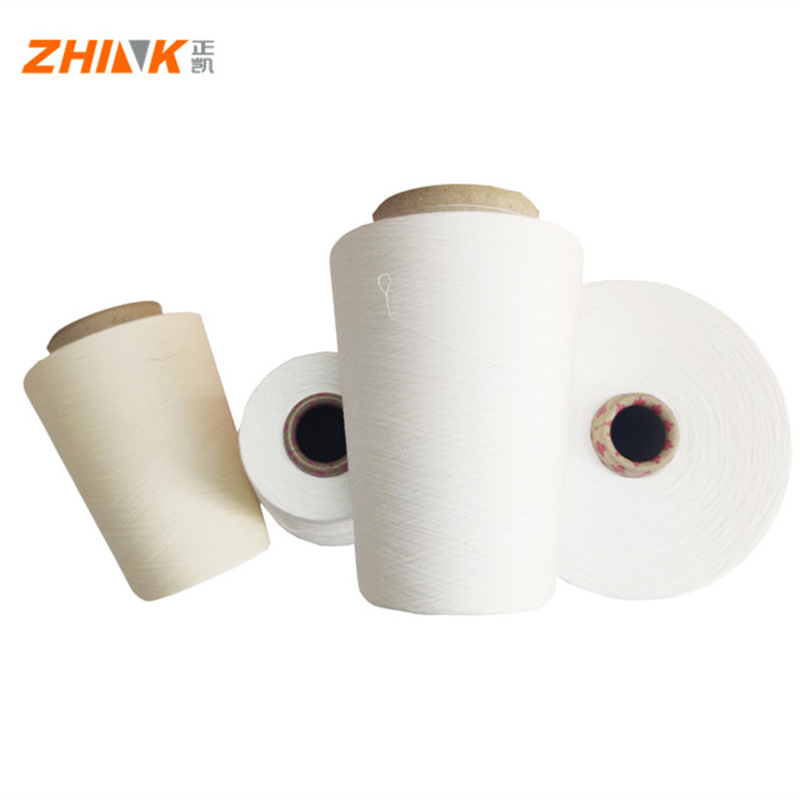
Flame retardant polyester TFO yarn
Understanding Flame Retardant Polyester TFO Yarn
The world of textiles is vast, with each fiber offering unique properties and challenges. Flame retardant polyester TFO yarn is no exception. While it might seem niche, this material plays a crucial role in various industries from fashion to safety gear. Yet, misconceptions abound, especially regarding its effectiveness and safety. Let’s unravel this yarn, so to speak, examining both its strengths and the challenges faced during its production and application.
The Basics of Flame Retardant Polyester
At its core, flame retardant polyester is all about enhancing safety. Polyester itself is a versatile and widely used fiber known for durability and affordability. However, its natural flammability poses a significant risk, particularly in sectors where fire safety is paramount—think home furnishings and protective clothing.
To mitigate this, special treatments are applied to create flame retardant polyester variants. This involves either modifying the polymer itself during production or applying a chemical finish post-production. Each method has its pros and cons, affecting factors such as durability, cost, and environmental impact.
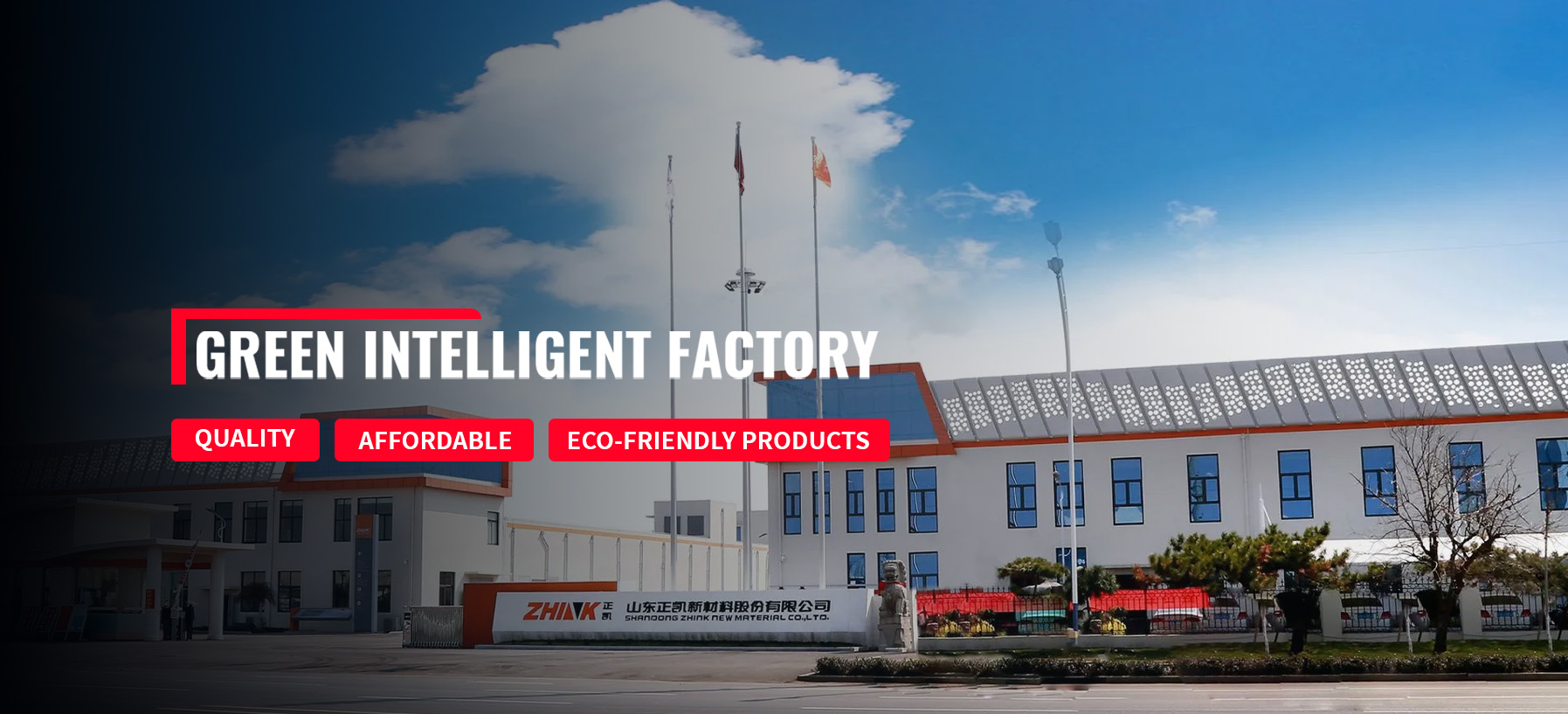
In my early days at SHANDONG ZHINK NEW MATERIAL CO., LTD, we grappled with balancing these aspects. The company’s focus on innovative textile solutions means we are constantly exploring safer, more efficient ways to produce these fibers. Visit our website at Zhink Yarn for more insights.
Why TFO Matters
When discussing flame retardant polyester TFO yarn, understanding TFO—Two for One twister—technology is crucial. TFO enhances the yarn’s strength and uniformity, critical for consistent quality in end products. In essence, TFO means less downtime and fewer defects during manufacturing, a blessing when margins and deadlines are tight.
However, get it wrong, and you face spiralling costs. One misstep we encountered was incorrect settings during the twisting process, leading to an entire batch becoming unusable for high-stress applications. Experience teaches that meticulous calibration and monitoring are imperative.
Regular collaboration with our tech teams and machine operators has been key to mastering this process. The interplay between technology and human expertise here is something that can’t be overstated.
From Lab to Production
The journey of developing flame retardant yarn from lab to large-scale production is fraught with challenges. Initial samples might perform flawlessly under controlled conditions. However, scaling up can bring unexpected hurdles.
Real-world scenarios rarely mimic test environments perfectly. Humidity, for example, can alter the behavior of yarn during twisting and weaving. In one case, a subtle shift in humidity levels—barely noticeable on the factory floor—led to increased breakage rates.
This kind of on-the-ground learning is invaluable. We’ve integrated sensors and data analytics to better predict and adjust to environmental factors, a lesson learned after facing costly production delays.
Applications and Real-World Impact
The practical applications of flame retardant polyester TFO yarn are as varied as they are critical. Firefighter uniforms, industrial safety wear, and even public transportation seating utilize these materials to ensure safety.
Here’s where practicality meets innovation. For instance, blending flame retardant yarn with other fibers can enhance comfort or reduce weight without compromising safety. A project we undertook involved combining our yarn with natural fibers for improved breathability—a crucial factor for gear in hot climates.
Success is not always immediate. It’s about iterative improvements and adapting based on feedback from both clients and end-users. Feedback loops in product development are essential, informing tweaks and innovations that meet real-world needs.
On the Horizon
The future of flame retardant textiles is dynamic, driven by increasing safety standards and a push for sustainability. At SHANDONG ZHINK NEW MATERIAL CO., LTD, we’re exploring eco-friendly retardant treatments and recycled polyester to align with these trends. More details are available on our website.
Embracing new materials always brings risk, but as we refine these technologies, the potential rewards—both commercially and societally—are significant. Transparency, adaptability, and innovation will be our guiding principles moving forward.
In conclusion, while flame retardant polyester TFO yarn may seem like a specialized topic, its implications on safety and industry innovation are profound. As someone deeply embedded in textile research and production, I see firsthand the challenges and triumphs that come with this fascinating material. Ultimately, it is this constant evolution and potential for impact that keeps us dedicated to pushing boundaries.
Related Products
Related Products