+86-632-3621866
- Chinese
- French
- German
- Portuguese
- Spanish
- Russian
- Japanese
- Korean
- Arabic
- Irish
- Greek
- Turkish
- Italian
- Danish
- Romanian
- Indonesian
- Czech
- Afrikaans
- Swedish
- Polish
- Basque
- Catalan
- Esperanto
- Hindi
- Lao
- Albanian
- Amharic
- Armenian
- Azerbaijani
- Belarusian
- Bengali
- Bosnian
- Bulgarian
- Cebuano
- Chichewa
- Corsican
- Croatian
- Dutch
- Estonian
- Filipino
- Finnish
- Frisian
- Galician
- Georgian
- Gujarati
- Haitian
- Hausa
- Hawaiian
- Hebrew
- Hmong
- Hungarian
- Icelandic
- Igbo
- Javanese
- Kannada
- Kazakh
- Khmer
- Kurdish
- Kyrgyz
- Latin
- Latvian
- Lithuanian
- Luxembou..
- Macedonian
- Malagasy
- Malay
- Malayalam
- Maltese
- Maori
- Marathi
- Mongolian
- Burmese
- Nepali
- Norwegian
- Pashto
- Persian
- Punjabi
- Serbian
- Sesotho
- Sinhala
- Slovak
- Slovenian
- Somali
- Samoan
- Scots Gaelic
- Shona
- Sindhi
- Sundanese
- Swahili
- Tajik
- Tamil
- Telugu
- Thai
- Ukrainian
- Urdu
- Uzbek
- Vietnamese
- Welsh
- Xhosa
- Yiddish
- Yoruba
- Zulu
- Kinyarwanda
- Tatar
- Oriya
- Turkmen
- Uyghur



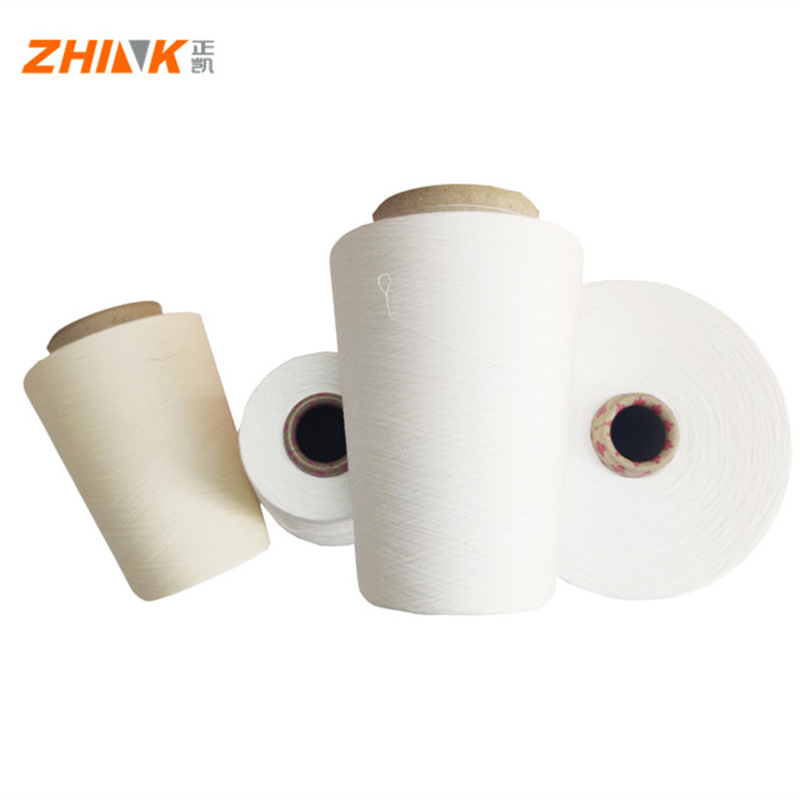
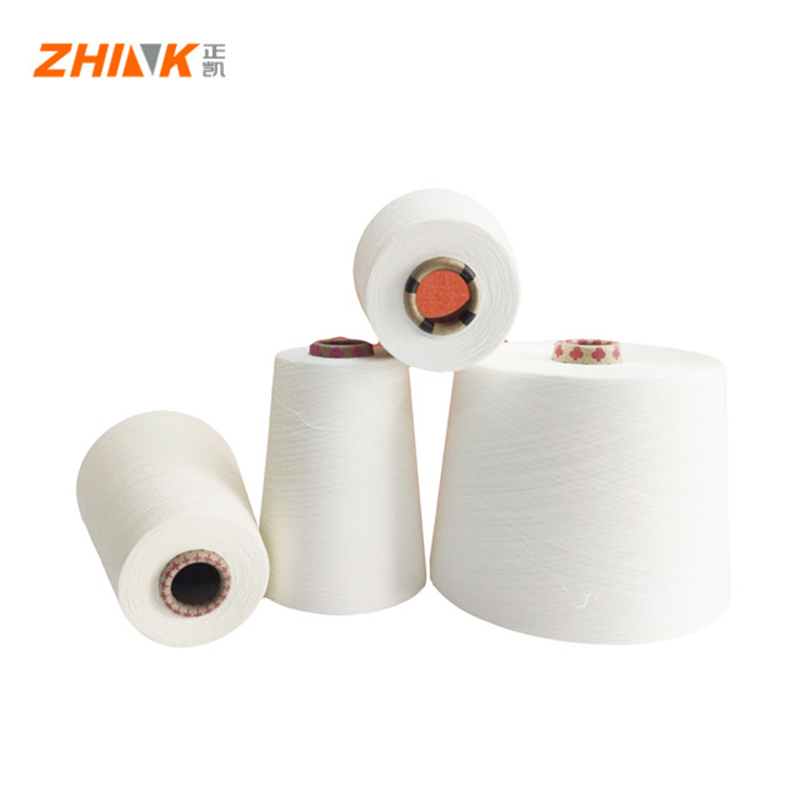
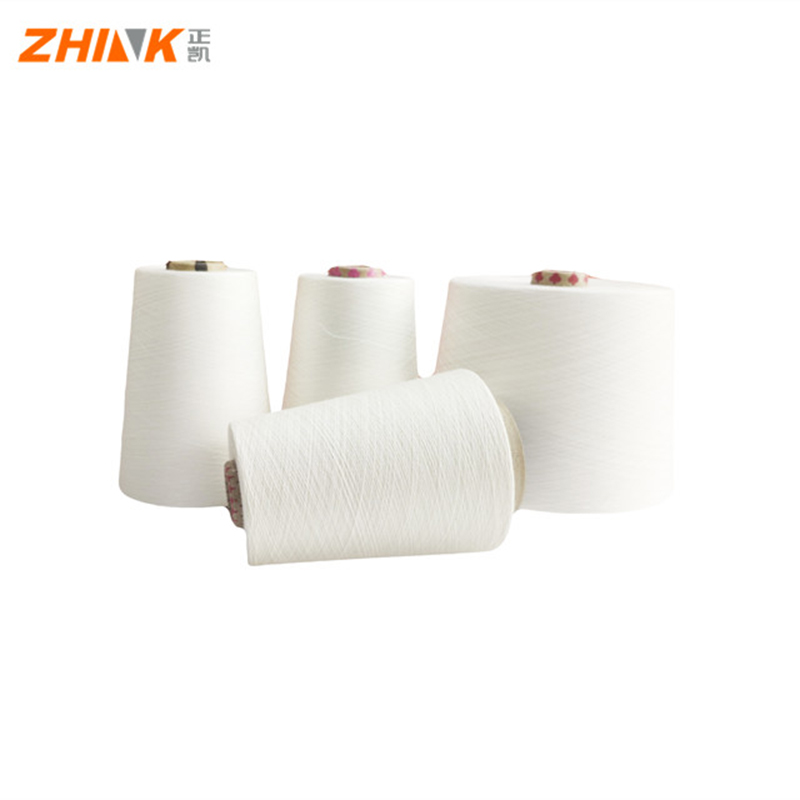
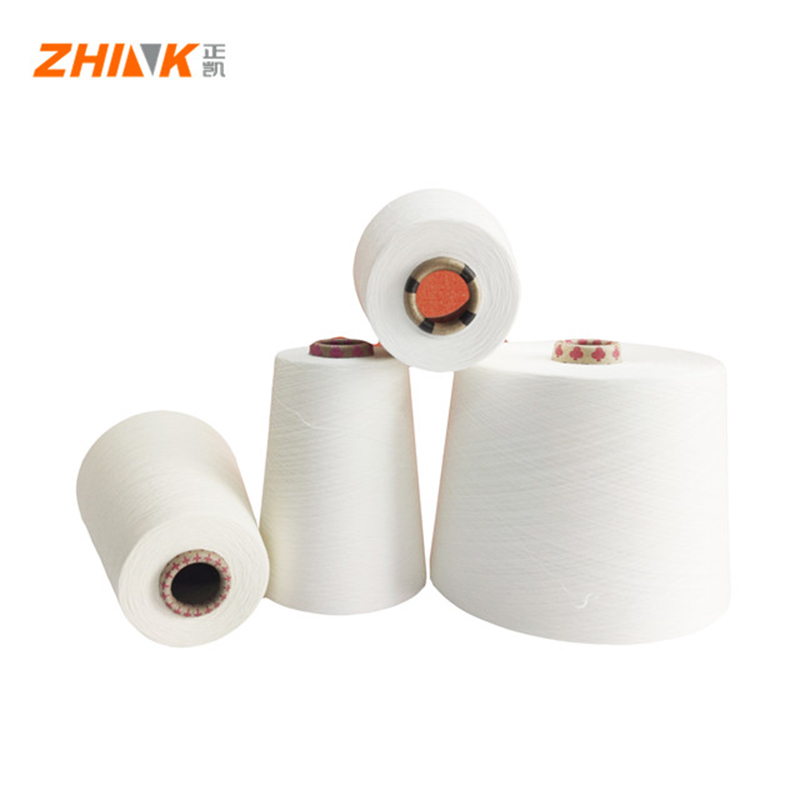
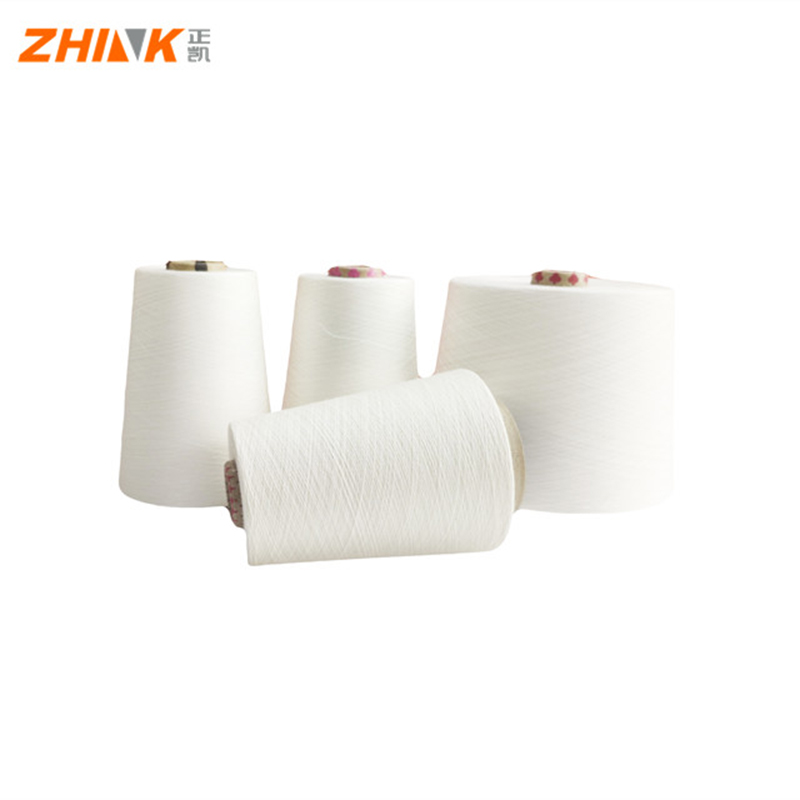
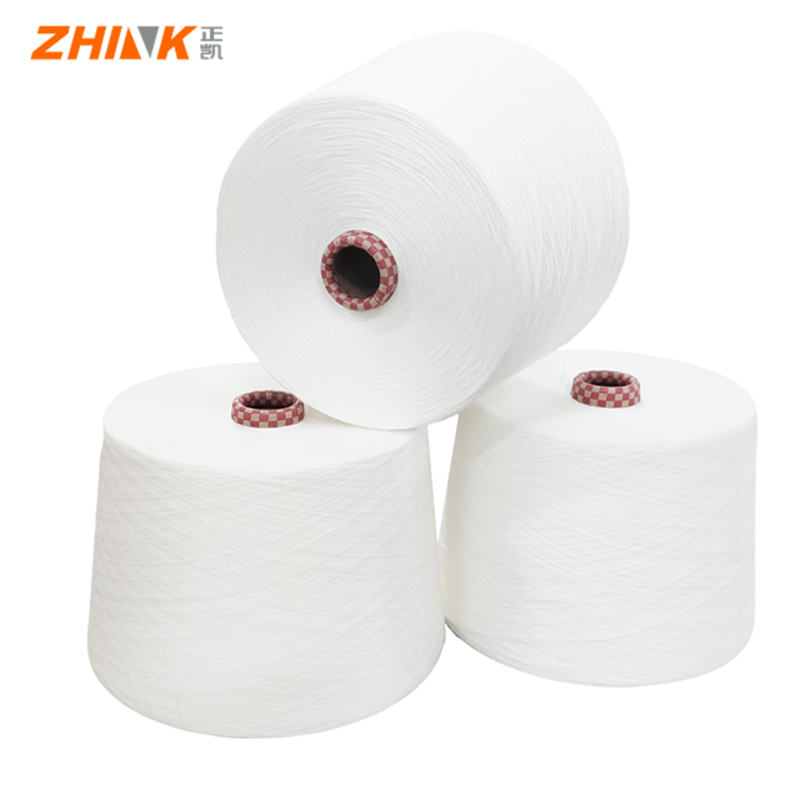
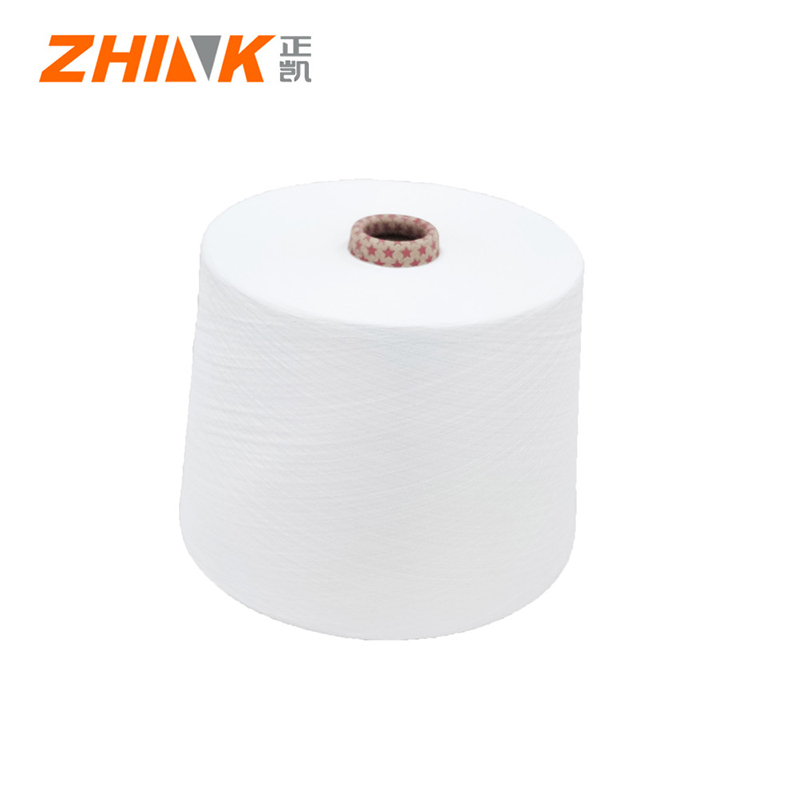
flax blended yarn for knitting
The Versatility of Flax Blended Yarn for Knitting
Flax blended yarn has been gaining traction in the knitting world, with both hobbyists and professionals exploring its potential. Combining flax with other fibers creates unique textures and strengths, but it also introduces its own set of challenges. Let's unravel what makes these blends both intriguing and practical.
Understanding Flax Blended Yarn
When you first encounter flax blended yarn for knitting, you might be drawn to its rustic charm. The natural look and feel can be quite appealing, but there's more beneath the surface. The blend typically combines flax with fibers like cotton, wool, or even bamboo. Each component adds a different characteristic to the yarn, making it essential to understand their interplay.
For instance, flax on its own is strong and slightly stiff. When blended, it can offer durability to the softness of wool or the breathability of cotton. However, working with such blends requires a gentle touch. I've found that even tension is crucial; otherwise, the yarn's unique properties can lead to unexpected results in knitting patterns.
In my experience, one common pitfall is expecting the same elasticity as you might get from pure wool yarns. Flax blends typically have less bounce, which can affect projects like fitted garments. Careful swatching becomes indispensable to anticipate how the yarn behaves under different conditions.
Caring for Your Flax Blended Creations
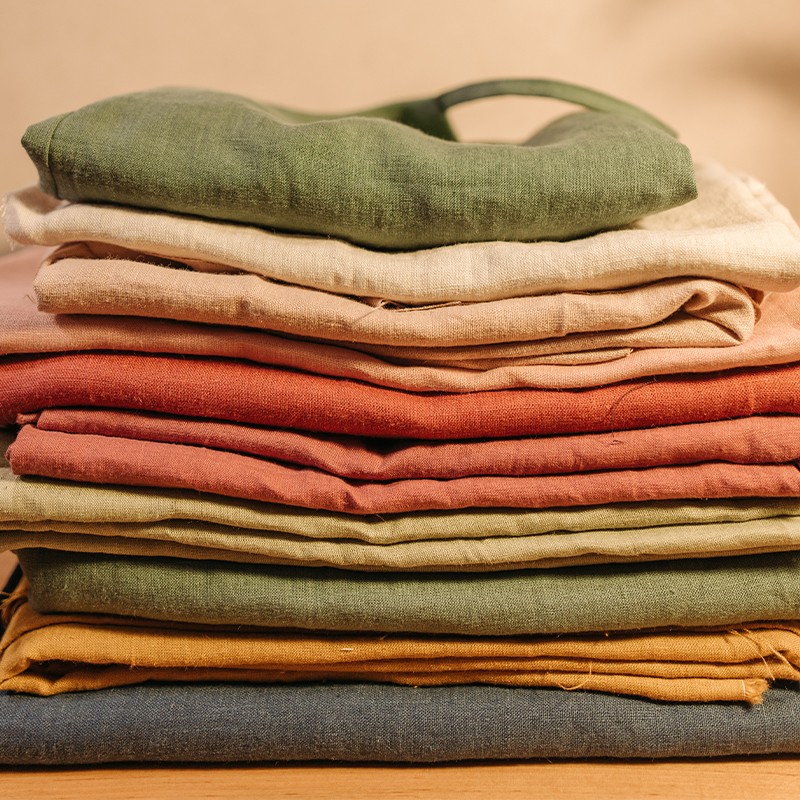
One aspect that often gets overlooked is the care required for flax blended textiles. Natural fibers like flax tend to soften and become more pliable with each wash, which is a pleasant transformation for most knitwear. However, over-washing or harsh detergents can break down the fiber more quickly than expected.
In my own practice, I always recommend handwashing completed projects with a mild soap. This not only preserves the integrity of the knitting but also maintains that lovely texture and sheen flax blends are known for. Not to mention, air-drying can prevent the odd shrinkage or distortion that can sometimes occur with machine drying.
Interestingly, I've noticed that these yarns tend to improve rather than degrade over time. A project I completed years ago using a flax-cotton blend still holds its structure beautifully, demonstrating the long-term viability of properly cared-for flax blends.
Choosing the Right Flax Blend for Your Project
Selecting the right blend depends significantly on the intended use. For summer projects, a flax-cotton combination might offer the breathability needed for light, airy garments. On the other hand, a flax-wool mix could provide the right balance of warmth and sturdiness for winter wear.
When I'm planning a new project, I often refer to suppliers like SHANDONG ZHINK NEW MATERIAL CO., LTD. Their offerings at ZHINK YARN provide a variety of options that cater to different needs. With a focus on innovation, they offer some exciting blends that push the boundaries of traditional knitting materials.
Experimentation is key here. Sometimes, I find combining yarns from different sources can yield interesting and unexpected results. The key is not just in the blend but in how you utilize it.
Troubleshooting Common Issues
Knitting with flax blended yarn is not without its challenges. For newcomers, uneven stitch tension or poor drape can be frustrating hurdles. I've found trial and error to be my best teacher, but a few tips come in handy too.
First, using the right needles can change everything. Flax blends might require smooth metal needles to help the yarn glide easily, but this can sometimes make maintaining tension tricky. I suggest practicing with swatches before committing to a full project.
Another point is pattern adaptation. If you're working with a pattern designed for more elastic yarns, adjustments will be necessary. Accounting for drape and shape retention is crucial; it's something I've learned through both successful and not-so-successful projects.
Concluding Thoughts on Flax Blended Yarn
Ultimately, knitting with flax blended yarn can be a rewarding pursuit. Each project is an opportunity to learn and adapt, playing with textures and styles in unique ways. If there's one takeaway, it's that this involves a blend of patience as much as material.
For enthusiasts and professionals alike, companies like SHANDONG ZHINK NEW MATERIAL CO., LTD open up possibilities by providing quality materials as seen at ZHINK YARN. Keep experimenting, keep swatching, and most importantly, enjoy the journey of turning these natural fibers into something beautifully crafted.
Related Products
Related Products