+86-632-3621866
- Chinese
- French
- German
- Portuguese
- Spanish
- Russian
- Japanese
- Korean
- Arabic
- Irish
- Greek
- Turkish
- Italian
- Danish
- Romanian
- Indonesian
- Czech
- Afrikaans
- Swedish
- Polish
- Basque
- Catalan
- Esperanto
- Hindi
- Lao
- Albanian
- Amharic
- Armenian
- Azerbaijani
- Belarusian
- Bengali
- Bosnian
- Bulgarian
- Cebuano
- Chichewa
- Corsican
- Croatian
- Dutch
- Estonian
- Filipino
- Finnish
- Frisian
- Galician
- Georgian
- Gujarati
- Haitian
- Hausa
- Hawaiian
- Hebrew
- Hmong
- Hungarian
- Icelandic
- Igbo
- Javanese
- Kannada
- Kazakh
- Khmer
- Kurdish
- Kyrgyz
- Latin
- Latvian
- Lithuanian
- Luxembou..
- Macedonian
- Malagasy
- Malay
- Malayalam
- Maltese
- Maori
- Marathi
- Mongolian
- Burmese
- Nepali
- Norwegian
- Pashto
- Persian
- Punjabi
- Serbian
- Sesotho
- Sinhala
- Slovak
- Slovenian
- Somali
- Samoan
- Scots Gaelic
- Shona
- Sindhi
- Sundanese
- Swahili
- Tajik
- Tamil
- Telugu
- Thai
- Ukrainian
- Urdu
- Uzbek
- Vietnamese
- Welsh
- Xhosa
- Yiddish
- Yoruba
- Zulu
- Kinyarwanda
- Tatar
- Oriya
- Turkmen
- Uyghur


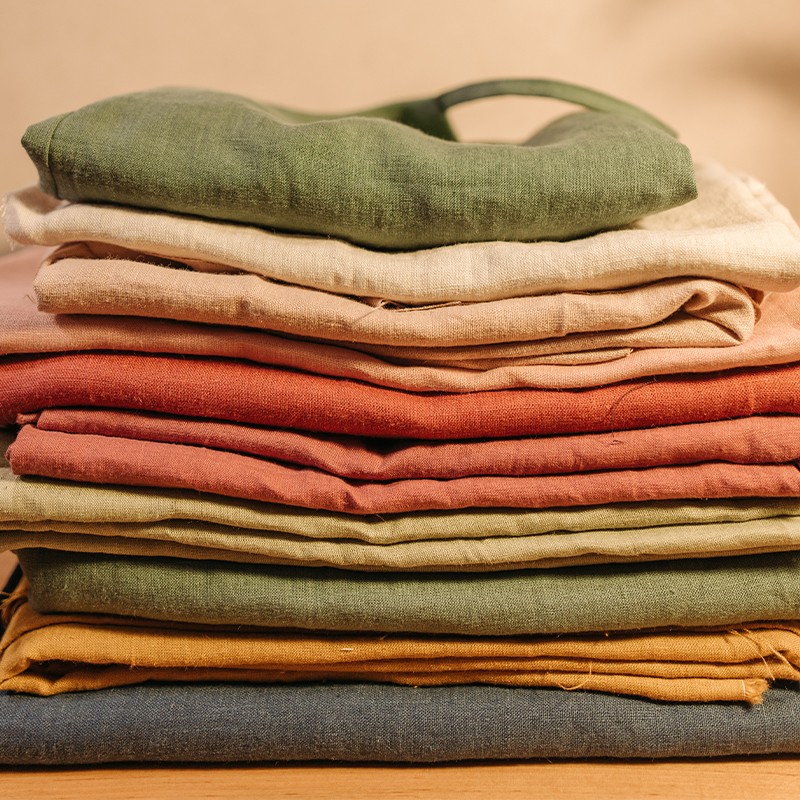
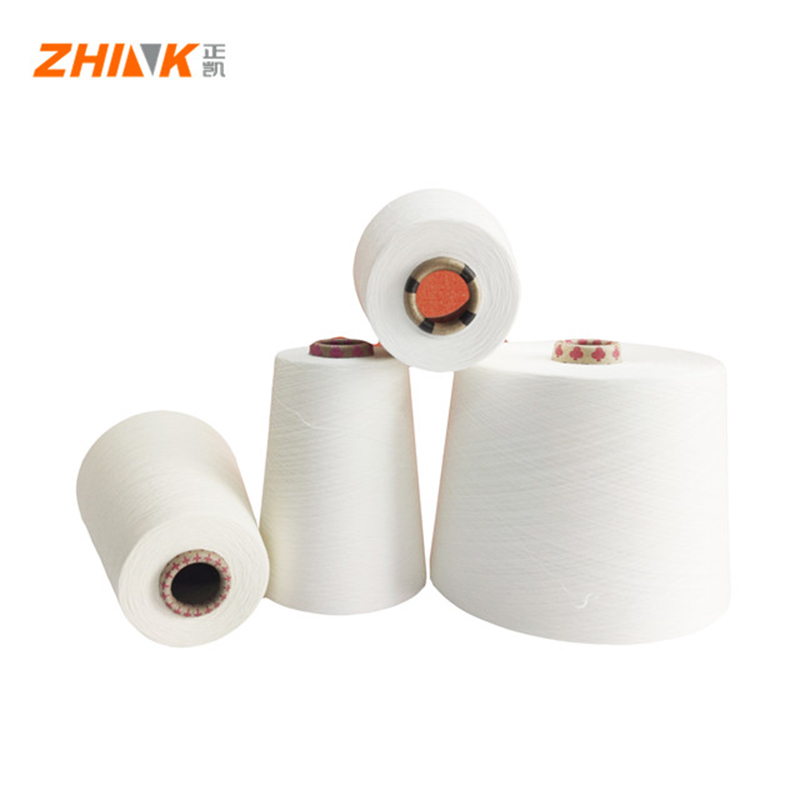
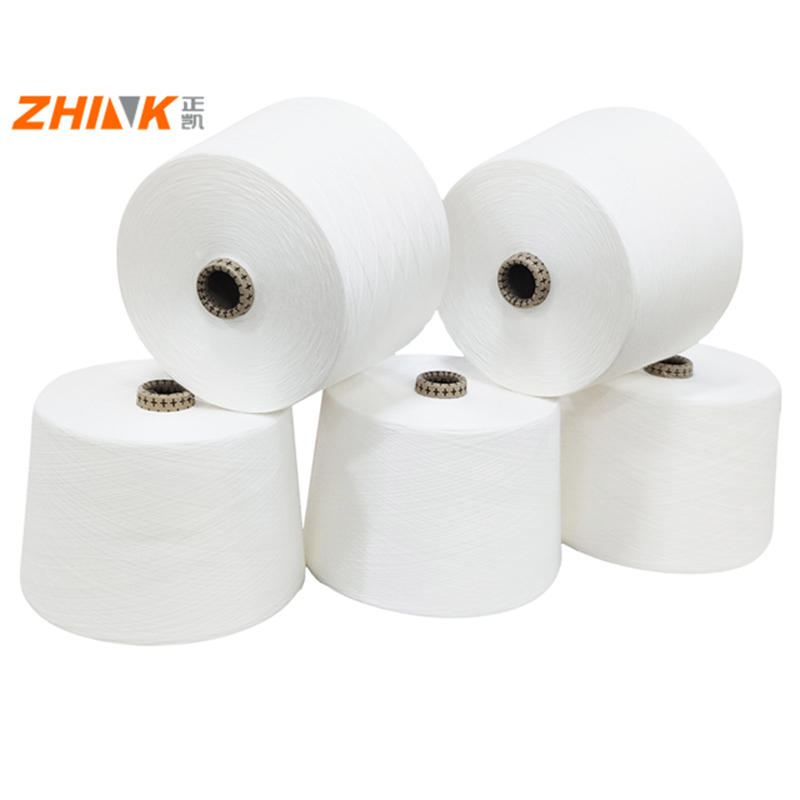
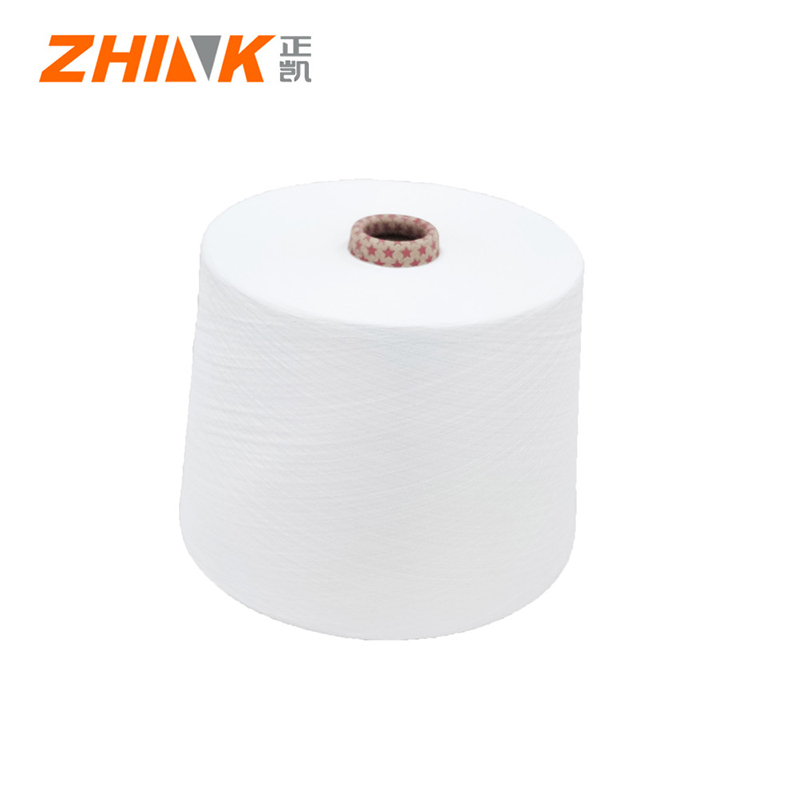
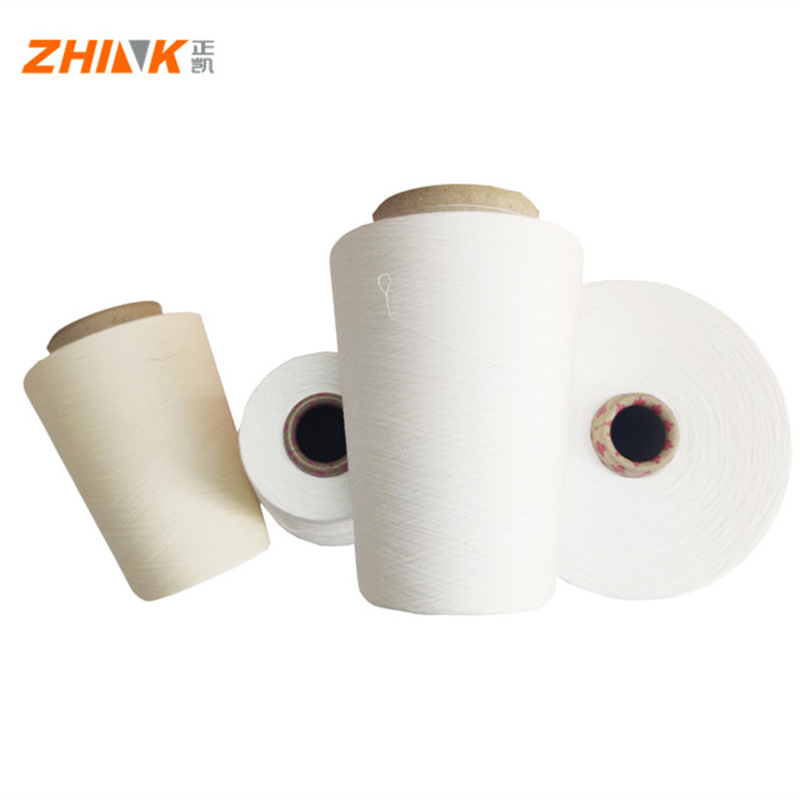
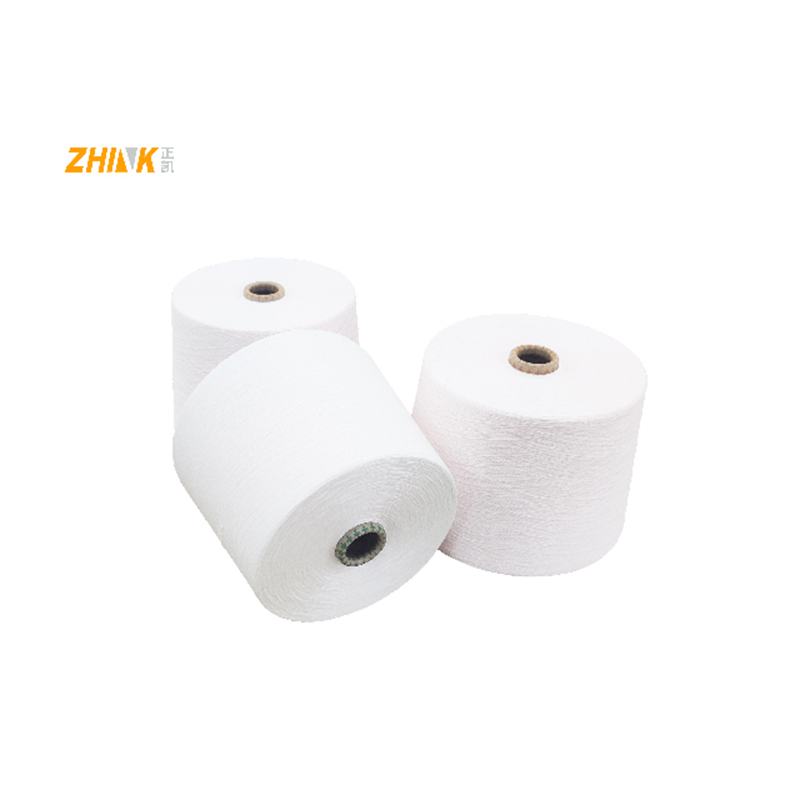
flax blended yarn for weaving
The Intricacies of Flax Blended Yarn for Weaving
Exploring flax blended yarns requires more than just a curiosity for textiles—it's about understanding their behavior in weaving applications and realizing the unique attributes they bring to the fabric. Here's what I've observed and experienced over the years.
The Appeal of Flax Blended Yarn
Flax blended yarns often spark interest due to their natural aesthetic and sustainability. This isn’t just a trend—flax offers a texture and strength that's quite appealing to both consumers and manufacturers. But, this doesn't mean every blend is a straightforward success story. The challenge lies in combining flax with other fibers while maintaining desired properties.
For those unfamiliar, blending flax with other fibers is a delicate process. At SHANDONG ZHINK NEW MATERIAL CO., LTD, we've dedicated substantial R&D to understanding these dynamics. Our efforts are documented on our website, where we discuss how different combinations can yield varying results.
A common pitfall is assuming that flax will behave uniformly in all blends. For instance, flax and cotton blends can vary in weight and texture, which affects the final weave. Careful consideration must be given to proportions and the desired outcome.
Navigating the Blending Process
In my hands-on experience, the process requires a nuanced approach. The mixing ratios, spin techniques, and treatment processes all play crucial roles. Blending flax with synthetic fibers, like polyester, often requires precise control to ensure the flax's natural qualities are preserved while gaining synthetic advantages such as elasticity.
Thinking back, there was a time we experimented with a flax-silk blend. At first, we anticipated a smooth finish and luxurious drape. Instead, the result was far too stiff for our intended garment line. This led us to rethink the spinning process and fiber treatment, which ultimately taught us the importance of trial and error.
For precise blends, machinery settings must be adjusted, sometimes contrary to intuition. In one instance, a slight reduction in tension during spinning resulted in a much more balanced and usable yarn.
Quality Control and Consistency
A significant issue with flax blended yarn is consistency. At SHANDONG ZHINK NEW MATERIAL CO., LTD, our production lines have seen how minor deviations in flax quality can result in substantial variations in the final product.
Regular quality assessments are non-negotiable. We employ various mechanical and manual checks to ensure uniformity. An unexpected fiber breakage during weaving can often be traced back to overlooked inconsistencies in the yarn.
Collaborative efforts with suppliers also help. By providing feedback and working closely, we develop a more consistent product by aligning expectations right from raw material sourcing to end-stage processing.
The Sustainability Factor
Sustainability is a buzzword that doesn’t justify itself unless backed by practice. Flax blended yarn is inherently eco-friendly, yet the production process must respect this advantage. At Zhink, we’ve implemented measures to minimize environmental impact, outlined extensively on our official platform.
Water consumption, energy use, and waste are critical factors we actively monitor. Implementing circular economy practices, like recycling and product life extension, isn't just moral—it's practical. Customers increasingly demand transparency in this area.
Innovative processes have enabled us to repurpose waste fibers into new products, ensuring that every element of production respects sustainability principles.
Market Demand and Trends
The market for flax blended yarn for weaving is growing, partly propelled by rising consumer awareness. At Zhink, we track these trends closely, adapting our strategies accordingly. Traditional textiles are making way for blends that offer more functionality and aesthetic appeal.
However, demand can be unpredictable. Partnerships with fashion brands have taught us the need for flexibility and rapid adaptation to market shifts. We often engage directly with designers, understanding their unique requirements and timelines.
This collaboration is crucial. It allows us to anticipate shifts and align our production capacities without compromising on quality, ensuring that our flax blends remain relevant and desirable.
Related Products
Related Products