+86-632-3621866
- Chinese
- French
- German
- Portuguese
- Spanish
- Russian
- Japanese
- Korean
- Arabic
- Irish
- Greek
- Turkish
- Italian
- Danish
- Romanian
- Indonesian
- Czech
- Afrikaans
- Swedish
- Polish
- Basque
- Catalan
- Esperanto
- Hindi
- Lao
- Albanian
- Amharic
- Armenian
- Azerbaijani
- Belarusian
- Bengali
- Bosnian
- Bulgarian
- Cebuano
- Chichewa
- Corsican
- Croatian
- Dutch
- Estonian
- Filipino
- Finnish
- Frisian
- Galician
- Georgian
- Gujarati
- Haitian
- Hausa
- Hawaiian
- Hebrew
- Hmong
- Hungarian
- Icelandic
- Igbo
- Javanese
- Kannada
- Kazakh
- Khmer
- Kurdish
- Kyrgyz
- Latin
- Latvian
- Lithuanian
- Luxembou..
- Macedonian
- Malagasy
- Malay
- Malayalam
- Maltese
- Maori
- Marathi
- Mongolian
- Burmese
- Nepali
- Norwegian
- Pashto
- Persian
- Punjabi
- Serbian
- Sesotho
- Sinhala
- Slovak
- Slovenian
- Somali
- Samoan
- Scots Gaelic
- Shona
- Sindhi
- Sundanese
- Swahili
- Tajik
- Tamil
- Telugu
- Thai
- Ukrainian
- Urdu
- Uzbek
- Vietnamese
- Welsh
- Xhosa
- Yiddish
- Yoruba
- Zulu
- Kinyarwanda
- Tatar
- Oriya
- Turkmen
- Uyghur


Forest green polyester fiber
The Versatility of Forest Green Polyester Fiber
Forest green polyester fiber is more than just a textile; it's a key player in sustainable fashion and industrial applications. Understanding its role involves diving deep into both the successes and challenges of its use. Here’s a glimpse into the practical world of this vibrant fiber.
Understanding Forest Green Polyester Fiber
At first glance, the forest green polyester fiber might seem like an ordinary textile product. However, this material brings together aesthetics and functionality. Polyester's inherent durability combined with the rich hue makes it a favorite in various sectors. In my own projects, especially in home décor, it has proven to withstand consistent wear without fading.
One common misconception is that polyester lacks the sophistication of natural fibers. Yet, the resin-based composition provides resilience and resistance that few natural fabrics can match. This synthetic fiber can mimic the luxurious feel of silk or wool but with enhanced durability.
A memorable project involved using this fiber for outdoor furniture. The challenges? Weather resistance. Yet this fiber stood firm against the harsh sun and occasional rain, only needing minimal maintenance.
Challenges in Dyeing and Production
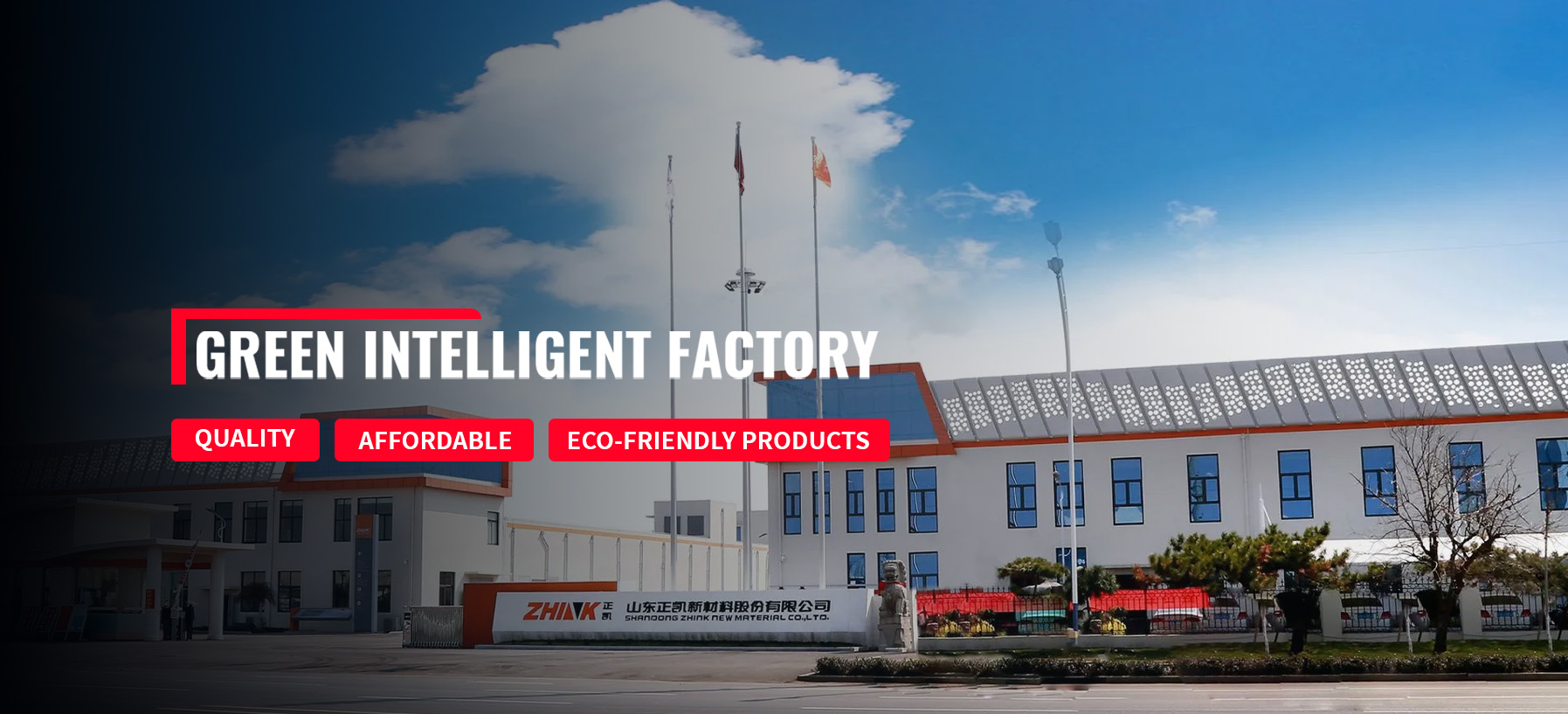
Despite its benefits, working with forest green polyester does have its hurdles, particularly in dyeing. Achieving a consistent forest green shade requires precise control over the production process. This is where companies like SHANDONG ZHINK NEW MATERIAL CO., LTD, found on their website, excel. Their expertise in textile R&D ensures that each batch meets high-quality standards.
My personal experiences have shown that slight variations in temperature or chemical balance during dyeing can lead to inconsistent hues. In one experiment, a slight deviation resulted in a batch that was more teal than forest green—a costly and time-consuming lesson.
The production process, notably the polymerization phase, is equally critical. Here, precision determines the final fiber's strength and elasticity. This isn’t just theoretical; I've seen how slight inconsistencies can impact fabric performance in high-stress environments like sports apparel.
Applications in Fashion and Beyond
The fashion industry has greatly benefited from forest green polyester fiber. From eco-friendly brands focusing on sustainable fashion to larger manufacturers prioritizing cost-effectiveness, its applications are vast. In my consultancy work, selecting this fiber often balances environmental impact and consumer demand.
Surprisingly, its application isn't limited to fashion. Industrial settings utilise this robust material for items like conveyor belts and safety harnesses. During a visit to a factory incorporating these fibers, I observed firsthand their impressive stress-resistance, reinforcing their value beyond textiles.
It's this versatility that often surprises those outside the industry, yet for insiders, it's a staple that consistently performs across different domains, whether sartorial or structural.
Environmental Considerations
Now, what about sustainability? Polyester has often faced criticism for its environmental impact. But innovations, especially those driven by companies like Zhink New Material, are shifting this narrative. I've sat in board meetings where biodegradable polyester was discussed, paving the way for more eco-friendly solutions.
Recycling initiatives are becoming the norm. On a tour of textile recycling facilities, I noted the increasing efficiency of breaking down polyester fibers and re-spinning them into new yarns. Such advances are crucial in reducing landfill waste and promoting a circular economy.
Moreover, the shift towards waterless dyeing techniques is reducing resource consumption, though this technology is still in its infancy and requires further development to be viable on a large scale.
Future Prospects and Innovations
Looking ahead, the future of forest green polyester fiber appears promising, with ongoing innovations adding to its allure. Material scientists are exploring blends that could enhance its biodegradable properties without sacrificing performance. This could be a game-changer for industries committed to sustainability.
In discussions with textile engineers, talk of integrating smart textiles with such fibers keeps surfacing. Imagine clothing that not only looks good but also monitors health statistics—an exciting realm that combines fashion with technology.
For companies and professionals deeply embedded in textile innovations, like those at Zhink New Material, these developments are more than just trends; they represent the future direction of the industry. Keeping up with these changes is essential for anyone serious about maintaining a competitive edge.
Related Products
Related Products