+86-632-3621866
- Chinese
- French
- German
- Portuguese
- Spanish
- Russian
- Japanese
- Korean
- Arabic
- Irish
- Greek
- Turkish
- Italian
- Danish
- Romanian
- Indonesian
- Czech
- Afrikaans
- Swedish
- Polish
- Basque
- Catalan
- Esperanto
- Hindi
- Lao
- Albanian
- Amharic
- Armenian
- Azerbaijani
- Belarusian
- Bengali
- Bosnian
- Bulgarian
- Cebuano
- Chichewa
- Corsican
- Croatian
- Dutch
- Estonian
- Filipino
- Finnish
- Frisian
- Galician
- Georgian
- Gujarati
- Haitian
- Hausa
- Hawaiian
- Hebrew
- Hmong
- Hungarian
- Icelandic
- Igbo
- Javanese
- Kannada
- Kazakh
- Khmer
- Kurdish
- Kyrgyz
- Latin
- Latvian
- Lithuanian
- Luxembou..
- Macedonian
- Malagasy
- Malay
- Malayalam
- Maltese
- Maori
- Marathi
- Mongolian
- Burmese
- Nepali
- Norwegian
- Pashto
- Persian
- Punjabi
- Serbian
- Sesotho
- Sinhala
- Slovak
- Slovenian
- Somali
- Samoan
- Scots Gaelic
- Shona
- Sindhi
- Sundanese
- Swahili
- Tajik
- Tamil
- Telugu
- Thai
- Ukrainian
- Urdu
- Uzbek
- Vietnamese
- Welsh
- Xhosa
- Yiddish
- Yoruba
- Zulu
- Kinyarwanda
- Tatar
- Oriya
- Turkmen
- Uyghur



FSC bamboo yarn
Understanding FSC Bamboo Yarn
Delving into the world of textile materials, FSC bamboo yarn often comes with its own set of questions. It's not just about choosing a sustainable option but ensuring quality too. As someone who's been in the field for a while, I've seen both the promise and pitfalls of using this material.
The Basics of Bamboo Yarn
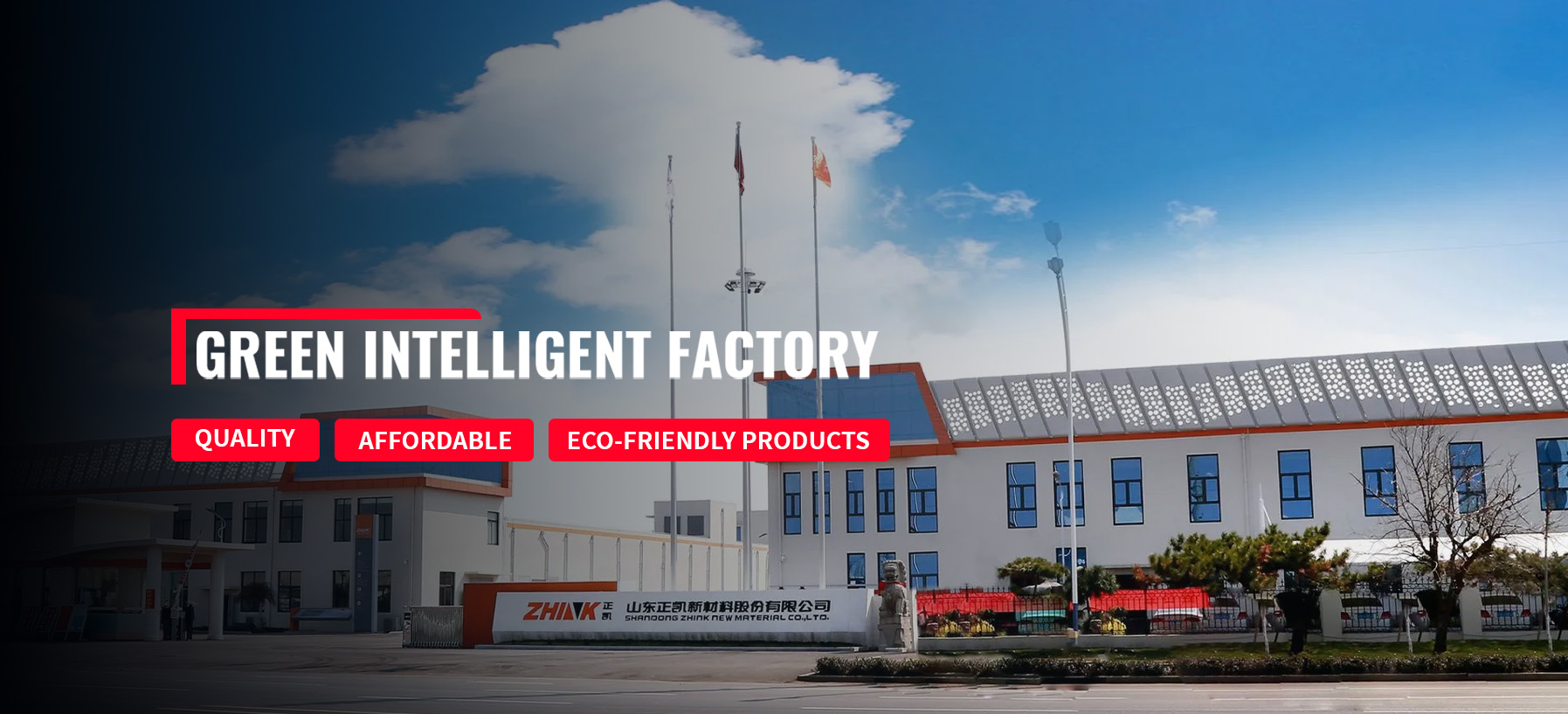
First, let’s get down to the basics. Bamboo yarn, a soft and breathable fiber, has gained popularity for its eco-friendly attributes. But the real catch is the FSC certification. This mark ensures that the bamboo is sourced sustainably, reflecting the industry's move towards responsible production. SHANDONG ZHINK NEW MATERIAL CO., LTD, for example, underscores this commitment in their operations.
It's worth noting that not all bamboo yarns are created equal. While the sustainability angle is a big drawing point, I've come across quite a variety of quality levels. Some might feel softer, others more durable; it's essential to test samples before jumping in with both feet.
A crucial tip is to look beyond the label. While FSC certification is a good start, understanding the production process and company values—like those you'll find at Zhink New Material—offers deeper insight.
Challenges with Bamboo Yarn
Challenges? Absolutely, there are several. Working with bamboo yarn isn’t always straightforward. For instance, ensuring consistent dye uptake can be tricky. In my early days, a supposedly uniform batch ended up with varied hues. Not ideal, but a valuable lesson learned.
Then there's the processing part. Bamboo fibers can be quite sensitive, requiring careful handling to maintain integrity. Making yarn too thin might result in breakage during weaving or knitting, a costly mistake I've seen colleagues grapple with.
Also, let’s not forget about the cost factor. While FSC-certified options underscore sustainability, they can sometimes carry a higher price tag. It's essential for companies like SHANDONG ZHINK NEW MATERIAL CO., LTD to balance cost with quality to remain competitive.
Market Perspective and Trends
From a market perspective, consumer demand for FSC bamboo yarn is on the rise, aligning with global trends towards sustainability. Companies are innovating with blends—as Zhink New Material often explores—combining bamboo with other eco-friendly fibers to meet diverse needs.
In the R&D sphere, there's ongoing research into enhancing bamboo yarn's characteristics, aiming to make it even more appealing for varied applications. Understanding these trends can give businesses a competitive edge.
In terms of product offerings, being adaptable is key. As preferences shift, having a versatile range, such as that found on Zhink New Material's site, allows companies to pivot quickly.
Success Stories
Speaking of success, I've seen projects where FSC bamboo yarn became a game-changer. One particular line of clothing utilized bamboo for its antibacterial properties, providing both comfort and functionality. It was a hit, broadening my perspective on its applications.
Moreover, partnerships and collaborations in the industry often highlight innovative uses of bamboo yarn. As companies share insights and technologies, the potential for creative applications expands—something Zhink New Material actively participates in.
This constant exchange of ideas leads to improved techniques, pushing the boundaries of what's possible with bamboo yarn.
Concluding Thoughts
In wrapping up, navigating the landscape of FSC bamboo yarn requires a blend of knowledge, patience, and willingness to experiment. Brands like SHANDONG ZHINK NEW MATERIAL CO., LTD are well-placed to lead the charge in sustainable practices while adapting to market demands.
The road to mastering bamboo yarn isn't without its bumps. Yet, through experience and continued learning, it offers fascinating opportunities for innovation, making it truly a material worth exploring.
Related Products
Related Products