+86-632-3621866
- Chinese
- French
- German
- Portuguese
- Spanish
- Russian
- Japanese
- Korean
- Arabic
- Irish
- Greek
- Turkish
- Italian
- Danish
- Romanian
- Indonesian
- Czech
- Afrikaans
- Swedish
- Polish
- Basque
- Catalan
- Esperanto
- Hindi
- Lao
- Albanian
- Amharic
- Armenian
- Azerbaijani
- Belarusian
- Bengali
- Bosnian
- Bulgarian
- Cebuano
- Chichewa
- Corsican
- Croatian
- Dutch
- Estonian
- Filipino
- Finnish
- Frisian
- Galician
- Georgian
- Gujarati
- Haitian
- Hausa
- Hawaiian
- Hebrew
- Hmong
- Hungarian
- Icelandic
- Igbo
- Javanese
- Kannada
- Kazakh
- Khmer
- Kurdish
- Kyrgyz
- Latin
- Latvian
- Lithuanian
- Luxembou..
- Macedonian
- Malagasy
- Malay
- Malayalam
- Maltese
- Maori
- Marathi
- Mongolian
- Burmese
- Nepali
- Norwegian
- Pashto
- Persian
- Punjabi
- Serbian
- Sesotho
- Sinhala
- Slovak
- Slovenian
- Somali
- Samoan
- Scots Gaelic
- Shona
- Sindhi
- Sundanese
- Swahili
- Tajik
- Tamil
- Telugu
- Thai
- Ukrainian
- Urdu
- Uzbek
- Vietnamese
- Welsh
- Xhosa
- Yiddish
- Yoruba
- Zulu
- Kinyarwanda
- Tatar
- Oriya
- Turkmen
- Uyghur



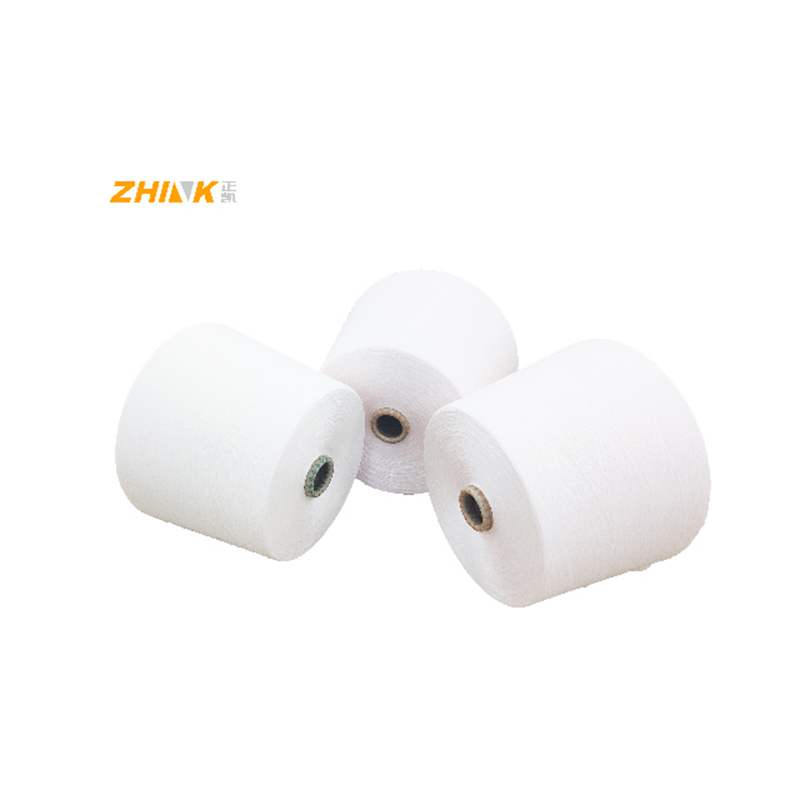
Full dull cross
The Intricacies of Full Dull Cross in Textile Manufacturing
In textile manufacturing, achieving the perfect balance of texture and durability often hinges on understanding terms like Full Dull Cross. At Zhink New Material, we've wrestled with this concept in our pursuit of innovative textile solutions.
Understanding Full Dull Cross
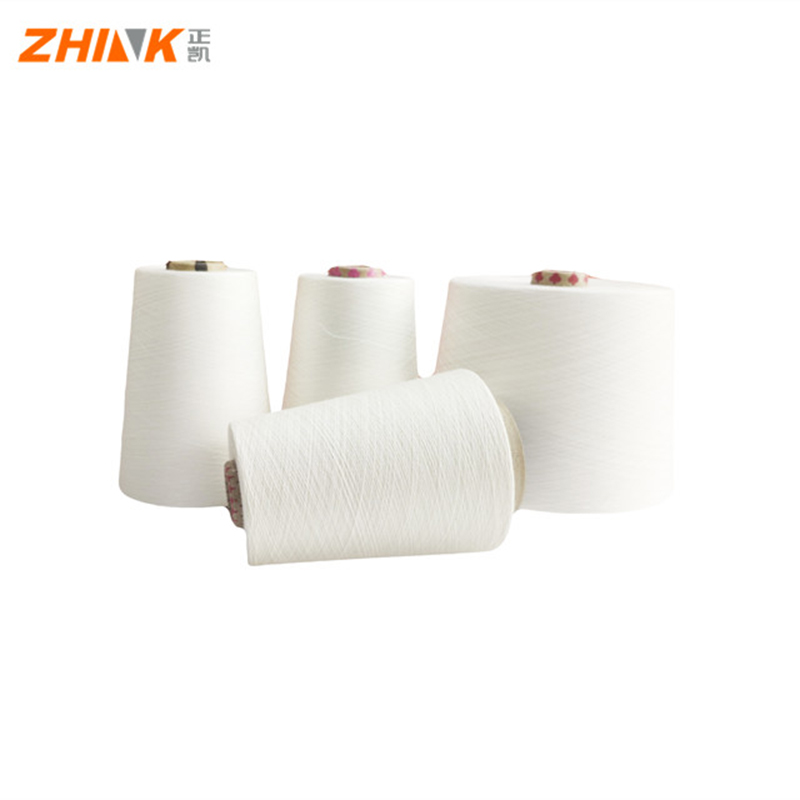
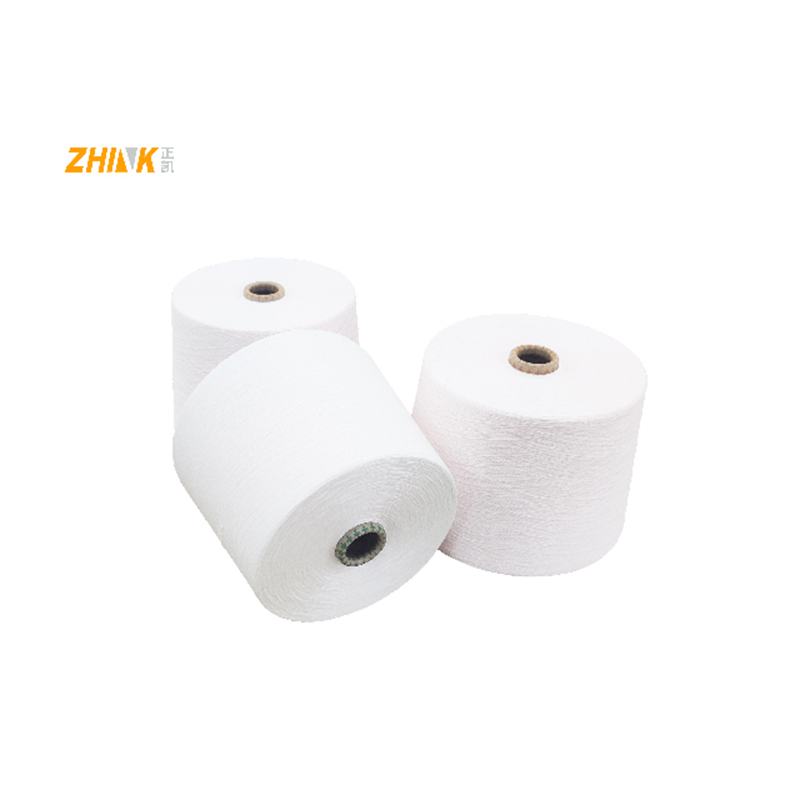
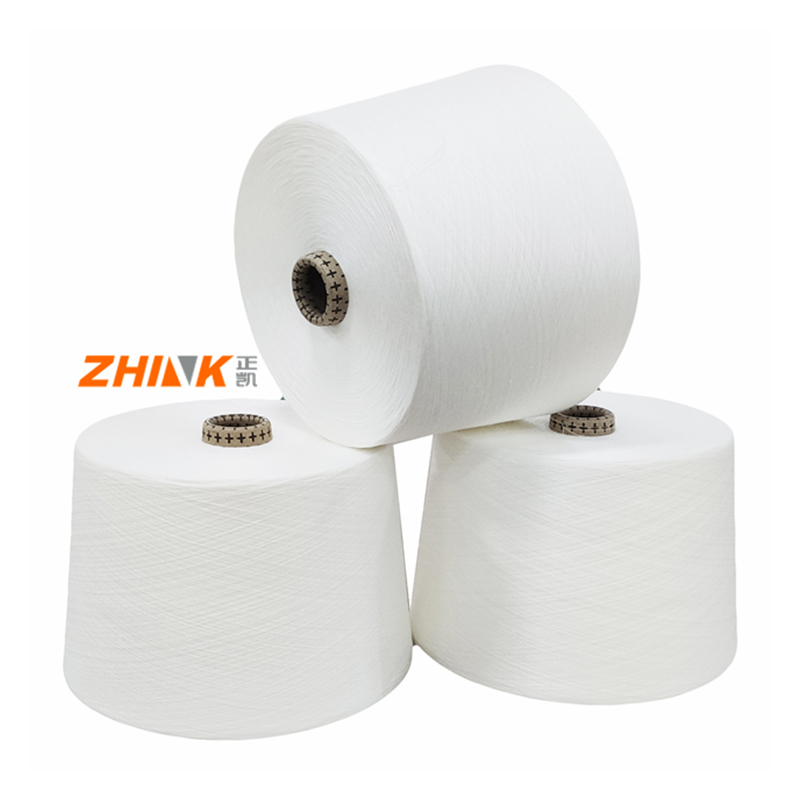
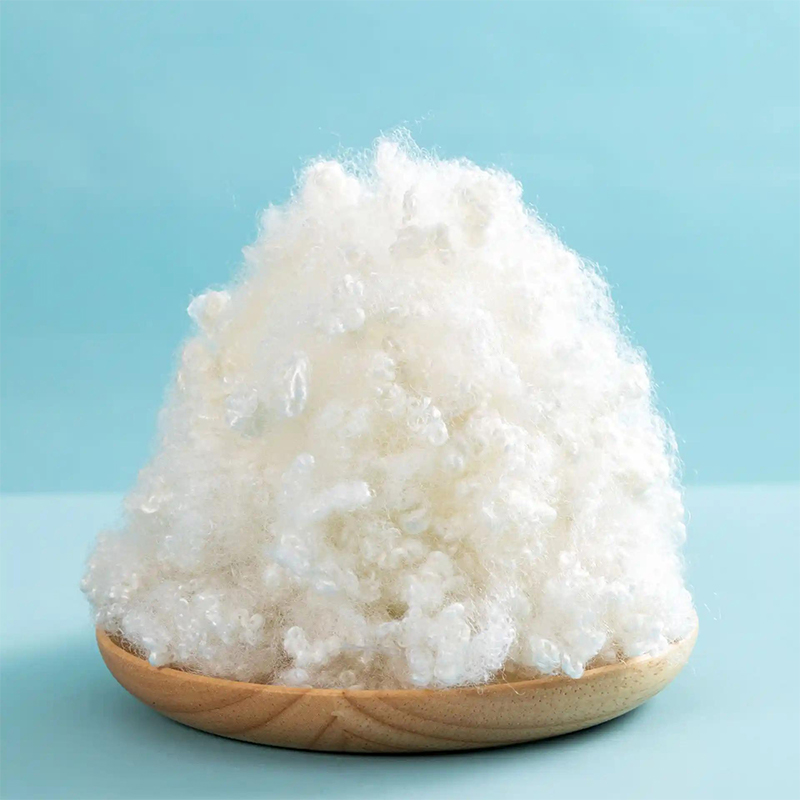
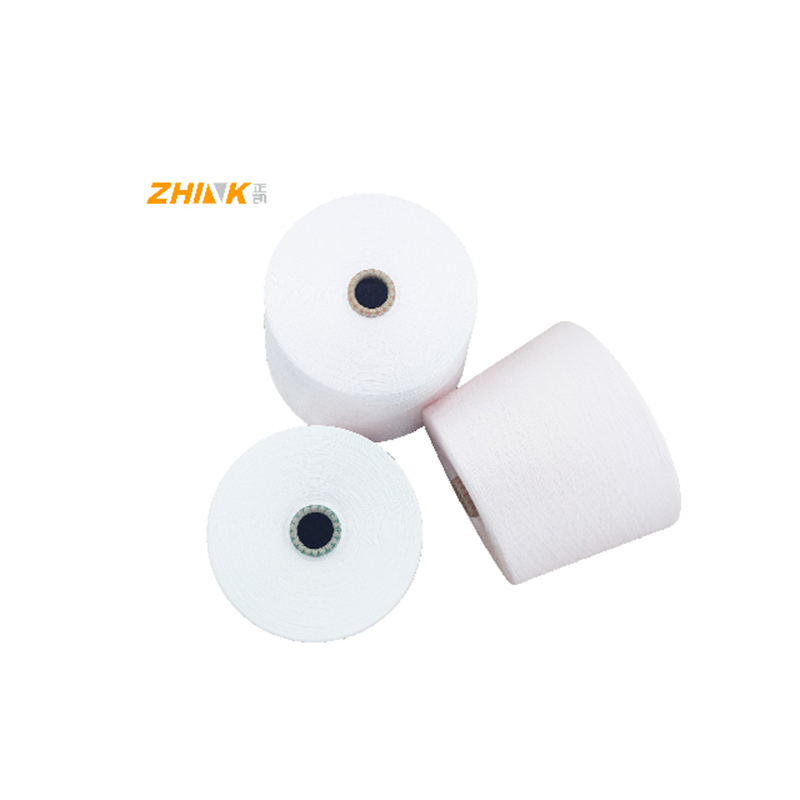
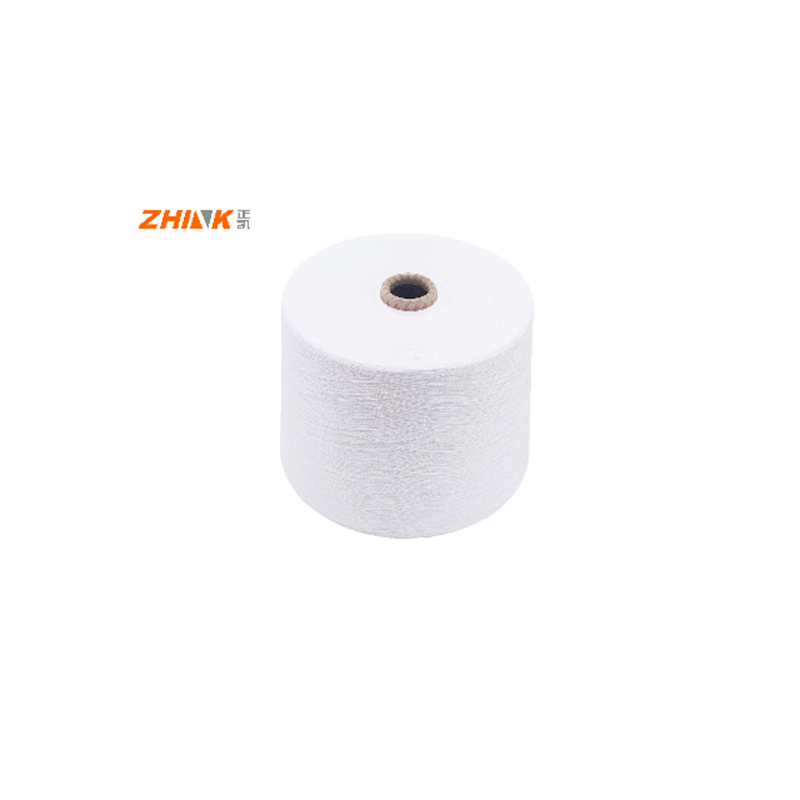
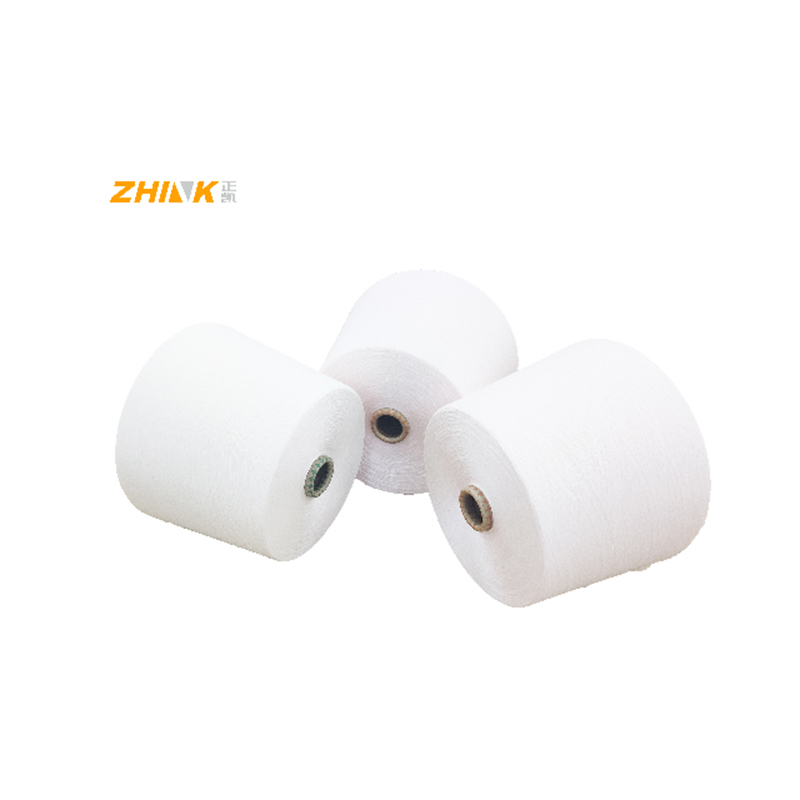
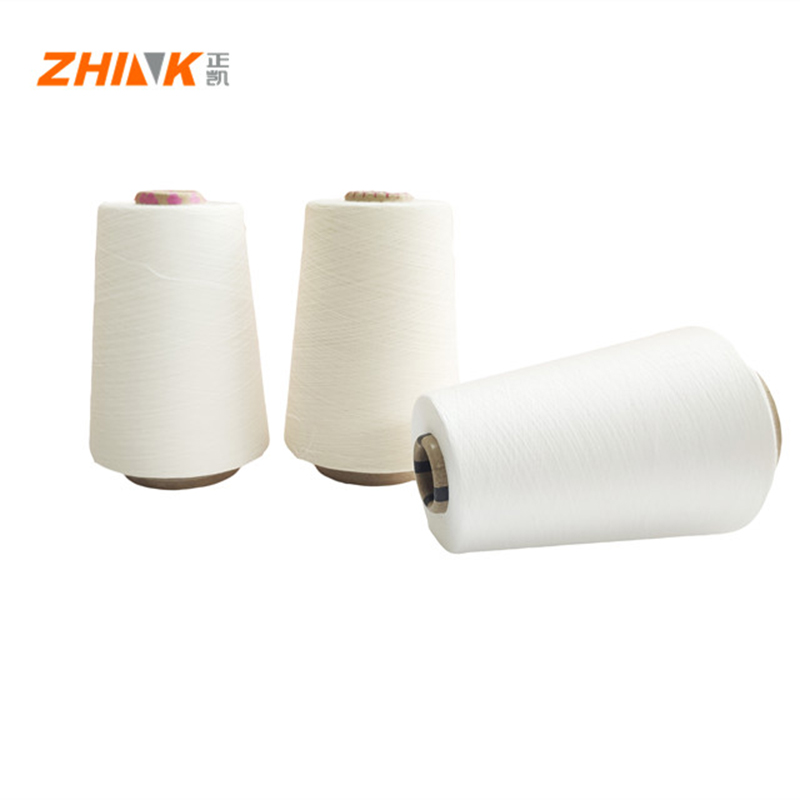
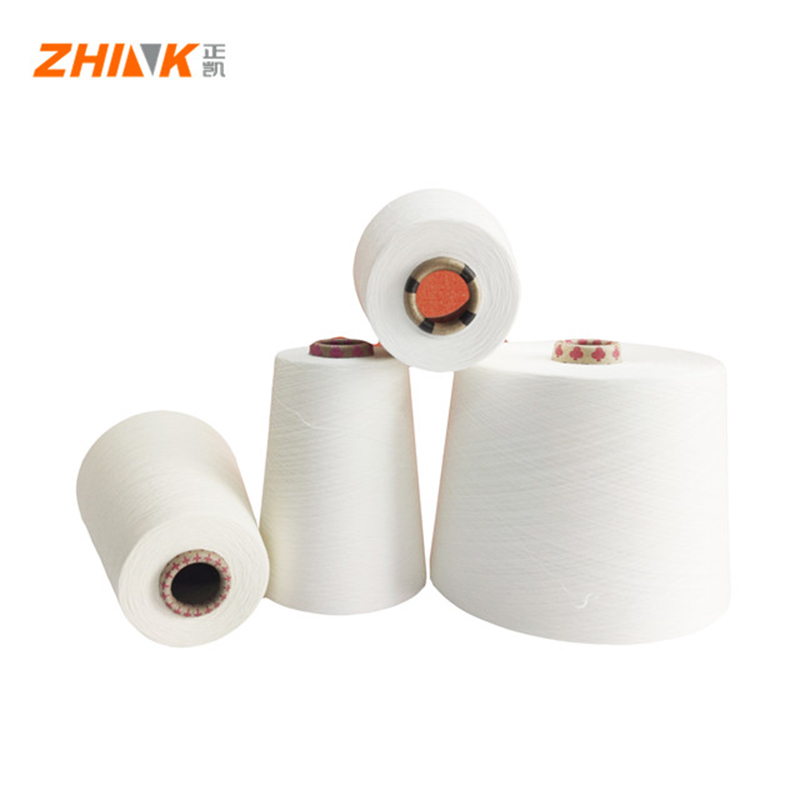
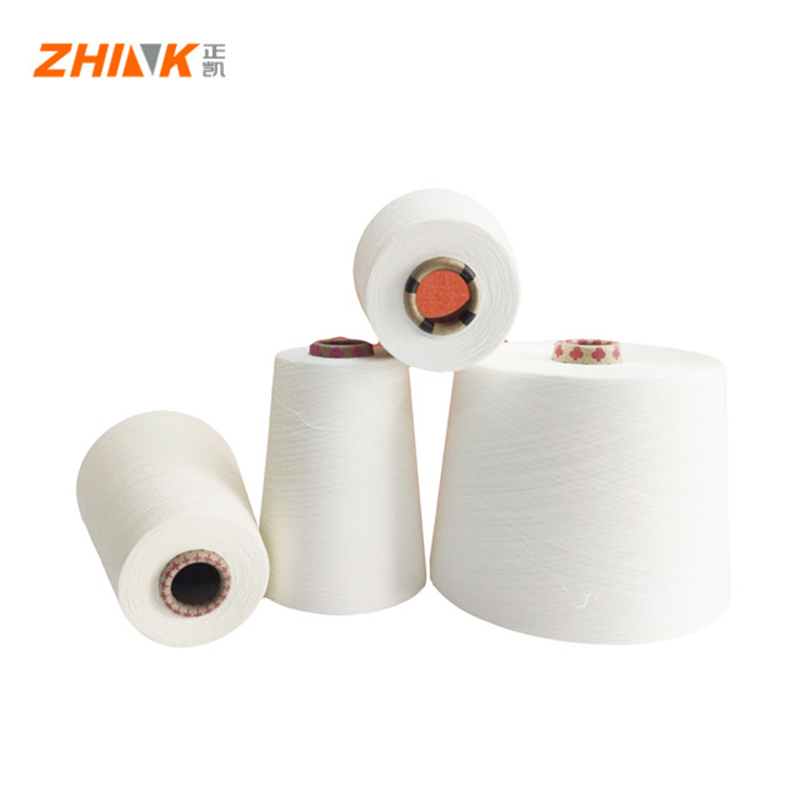
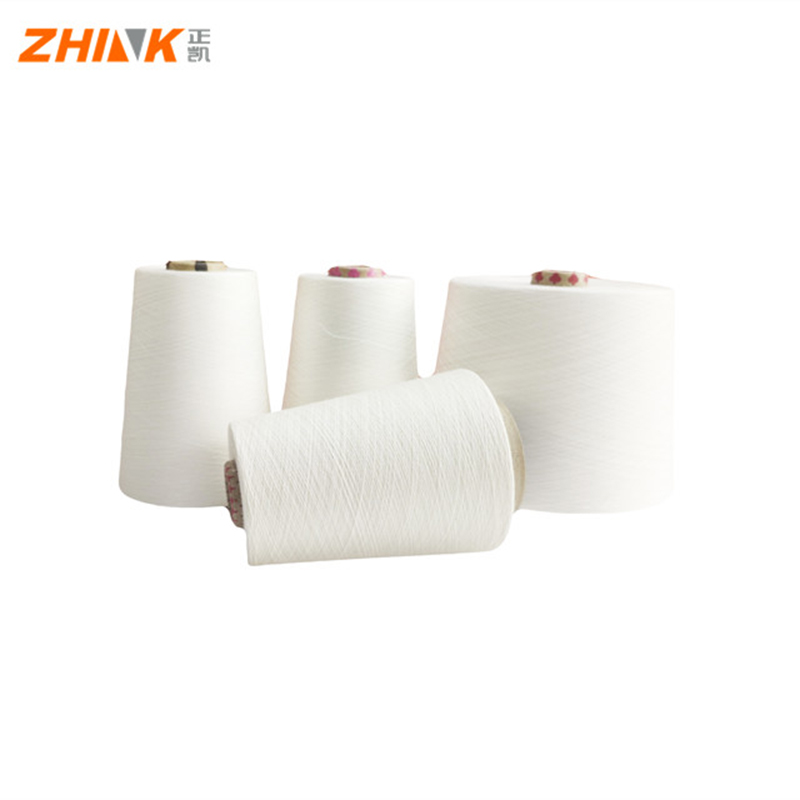
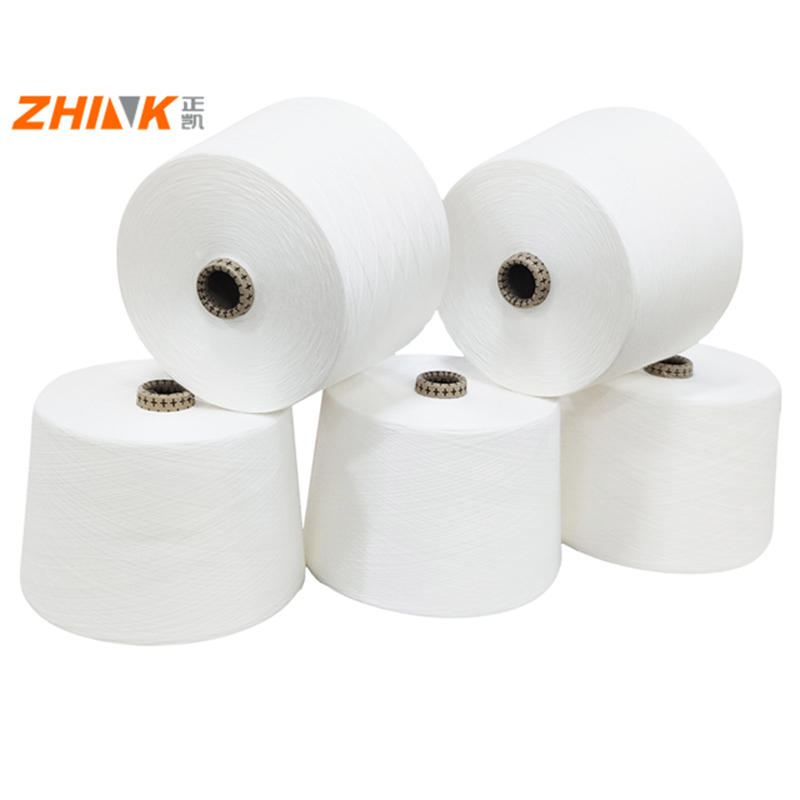
The term Full Dull Cross often pops up when discussing yarns that lack shine yet promise impressive performance qualities. This characteristic is crucial for applications where a matte finish is desired without compromising on the yarn’s strength.
When I first encountered Full Dull, it seemed counterintuitive. Why would anyone intentionally dull a fiber? But as it turns out, aesthetic preferences differ, and in certain applications, the matte look can convey a sense of subtlety and sophistication that shiny fabrics cannot.
At SHANDONG ZHINK NEW MATERIAL CO., LTD, we’ve delved into how to cater to this niche market effectively by refining our production techniques. Learning to produce a yarn that's both dull and robust required rethinking conventional processes.
The Art of Textile Dulling
The process involves adjusting the polymer structure and incorporating dulling agents. I remember one instance where altering the cooling rate during fiber extrusion significantly impacted the dullness level. It wasn't in any manual; it was a bout of trial and error, but that's how innovation often happens in the lab.
At https://www.zhinkyarn.com, our emphasis has always been on experimentation, and with Full Dull yarns, this experimentation has yielded some interesting results. Balancing the dulling agents’ concentration became a pivotal step.
Another practical challenge was ensuring that the yarn retained its mechanical properties despite the addition of these agents. Keeping the yarn strong yet sufficiently dull was perhaps the most critical feat we achieved.
Applications and Market Demand
It's fascinating to see the demand for Full Dull yarns in high-performance sportswear. The lack of glare combined with sturdy fiber constructs is appealing to athletes, offering them both functionality and style.
Our sales team at Zhink New Material often fields inquiries specifically about these yarns because they embody a unique blend of utility and aesthetics, catering to both practical needs and design sensibilities.
The automotive industry is another area where these yarns find applications. Interior fabrics utilizing Full Dull yarns create an elegantly subdued environment, enhancing the overall vehicular experience.
Troubleshooting in Production
One might envision this production process as seamless, but manufacturing Full Dull Cross yarns can be fraught with unexpected hurdles. I recall a batch where the tensile strength tanked due to incorrect polymer blending—a costly mistake, but an invaluable learning point.
Rectifying such issues involves more than tweaking parameters; it requires a fundamental understanding of polymer interactions, something we prioritize heavily in our R&D at SHANDONG ZHINK.
Documentation after these tests became crucial, creating a library of knowledge that newer team members now reference when tackling similar challenges.
The Future of Mingling Technology
Looking to the future, integrating Full Dull properties with other textile technologies presents exciting possibilities. Think smart fabrics that are also aesthetically subdued—an area ripe for exploration.
Our collaboration with academic institutions has been instrumental in pushing these boundaries. We’re exploring hybrid materials that combine the dull aesthetic with responsive capabilities, promising a new frontier in textile innovation.
At Zhink New Material, we're keenly aware that our journey with Full Dull Cross is far from over. As consumer tastes evolve, so too must our approaches, ensuring that our products remain as relevant as they are cutting-edge.
Related Products
Related Products