+86-632-3621866
- Chinese
- French
- German
- Portuguese
- Spanish
- Russian
- Japanese
- Korean
- Arabic
- Irish
- Greek
- Turkish
- Italian
- Danish
- Romanian
- Indonesian
- Czech
- Afrikaans
- Swedish
- Polish
- Basque
- Catalan
- Esperanto
- Hindi
- Lao
- Albanian
- Amharic
- Armenian
- Azerbaijani
- Belarusian
- Bengali
- Bosnian
- Bulgarian
- Cebuano
- Chichewa
- Corsican
- Croatian
- Dutch
- Estonian
- Filipino
- Finnish
- Frisian
- Galician
- Georgian
- Gujarati
- Haitian
- Hausa
- Hawaiian
- Hebrew
- Hmong
- Hungarian
- Icelandic
- Igbo
- Javanese
- Kannada
- Kazakh
- Khmer
- Kurdish
- Kyrgyz
- Latin
- Latvian
- Lithuanian
- Luxembou..
- Macedonian
- Malagasy
- Malay
- Malayalam
- Maltese
- Maori
- Marathi
- Mongolian
- Burmese
- Nepali
- Norwegian
- Pashto
- Persian
- Punjabi
- Serbian
- Sesotho
- Sinhala
- Slovak
- Slovenian
- Somali
- Samoan
- Scots Gaelic
- Shona
- Sindhi
- Sundanese
- Swahili
- Tajik
- Tamil
- Telugu
- Thai
- Ukrainian
- Urdu
- Uzbek
- Vietnamese
- Welsh
- Xhosa
- Yiddish
- Yoruba
- Zulu
- Kinyarwanda
- Tatar
- Oriya
- Turkmen
- Uyghur


Graphene PSF
Exploring the Role of Graphene PSF in Modern Textiles
Graphene PSF, a revolutionary integration of graphene with polyester fibers, is reshaping the textile industry. Many believe its potential is limitless, yet misconceptions still linger about its real-world applications and benefits.
Understanding Graphene PSF
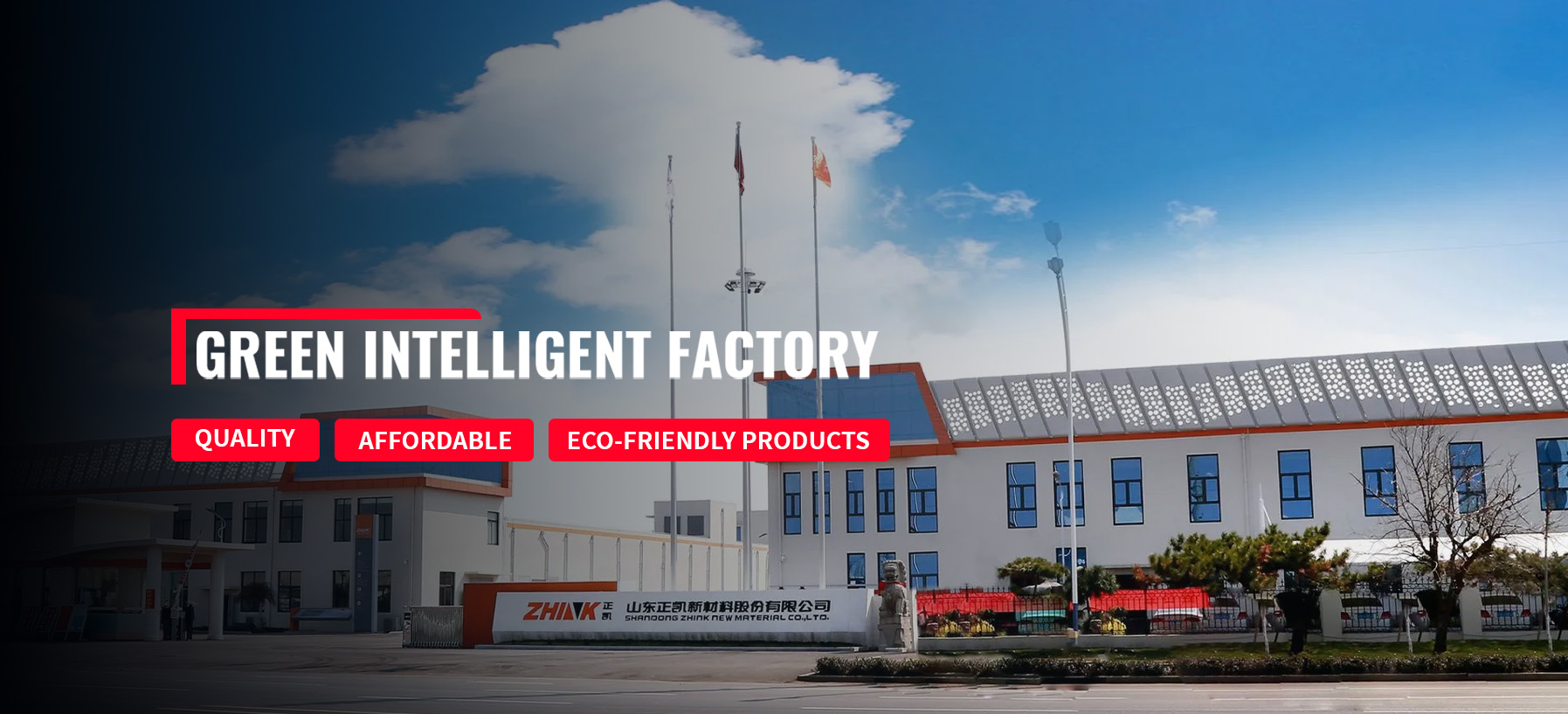
Graphene is often touted as a wonder material, known for its remarkable strength and conductivity. When combined with polyester staple fiber (PSF), it promises enhanced material properties. However, I've seen firsthand that not every development translates seamlessly into practice. At SHANDONG ZHINK NEW MATERIAL CO., LTD, our journey into graphene-infused textiles was both thrilling and challenging.
There was an initial assumption that blending graphene with PSF would automatically yield a superior product. But the reality? It required extensive research to optimize the blending process, ensuring that the graphene's properties weren't lost. The key was in achieving a uniform dispersion, which often presented hurdles in production scales.
Addressing these challenges taught us valuable lessons. The delicate balance of preserving graphene’s qualities while maintaining PSF’s inherent benefits was critical. But once mastered, the resulting fabrics demonstrated improved thermal regulation and durability, vital in both fashion and industrial applications.
Real-World Applications and Experiences
Graphene PSF has intriguing potential in various sectors. For instance, in athletic wear, where moisture management and flexibility are paramount, we've seen notable improvements. The integration of graphene allows the fabric to better manage sweat, and enhance breathability—a critical requirement for performance wear.
Our team at Zhink, accessible via our website, has conducted numerous trials, tweaking the graphene concentrations to suit different textile needs. Sometimes, the results were less than ideal, often requiring iteration to get just right. But when it clicks, the performance enhancements are undeniable.
Even in household textiles, the innovations hold allure. Consider bed linens engineered to maintain an optimal temperature and resist microbial growth. It's a subtle, yet significant, step forward in creating smarter home environments.
Challenges Encountered in Production
At SHANDONG ZHINK NEW MATERIAL, we faced production challenges that many don't anticipate when entering this cutting-edge field. Initially, the machinery we used wasn't suited to handle graphene's unique properties. Retrofitting and adapting machinery was an unexpected, yet necessary, task.
Additionally, cost considerations often loomed large. The high price of graphene itself was a barrier that required careful cost-benefit analysis for its integration into consumer-ready products. However, through innovative production techniques, we started seeing feasible solutions.
Consumer education also emerged as critical. As much as we were enthusiastic about the potential of Graphene PSF, it became evident that market success depended on customers understanding the tangible benefits, beyond the scientific allure.
Breakthrough Moments and Lessons Learned
Not every experiment was a success, but each attempt offered insights. One pivotal moment was when a prototype significantly exceeded expected thermal conductivity performance, hinting at applications beyond textiles—like in wearable tech.
These moments of breakthrough aren't always headline-grabbing but reflect the essence of true innovation—persistent trial and error. Each unsuccessful batch provided data that refined our approach, incrementally pushing our understanding further.
Furthermore, partnership with suppliers became a lynchpin in refining raw material quality. This collaboration has been essential, enabling us to tackle consistency issues while also innovating around environmental sustainability.
The Future: Where Does Graphene PSF Lead Us?
The journey is ongoing, with new applications constantly emerging. We're particularly excited about the role Graphene PSF might play in smart textiles—garments that respond to environmental stimuli, a lifeblood of futuristic fashion.
Moreover, as sustainability becomes a growing concern, exploring how Graphene PSF can enhance environmentally friendly practices is on the agenda. The durability and functionality it lends could mean fewer resources over the product lifecycle.
At Zhink, our commitment is unwavering, as we continue to innovate within this intersection of advanced materials and textiles. The pathway is not without challenges, but the promise of Graphene PSF consistently propels us forward.
Related Products
Related Products