+86-632-3621866
- Chinese
- French
- German
- Portuguese
- Spanish
- Russian
- Japanese
- Korean
- Arabic
- Irish
- Greek
- Turkish
- Italian
- Danish
- Romanian
- Indonesian
- Czech
- Afrikaans
- Swedish
- Polish
- Basque
- Catalan
- Esperanto
- Hindi
- Lao
- Albanian
- Amharic
- Armenian
- Azerbaijani
- Belarusian
- Bengali
- Bosnian
- Bulgarian
- Cebuano
- Chichewa
- Corsican
- Croatian
- Dutch
- Estonian
- Filipino
- Finnish
- Frisian
- Galician
- Georgian
- Gujarati
- Haitian
- Hausa
- Hawaiian
- Hebrew
- Hmong
- Hungarian
- Icelandic
- Igbo
- Javanese
- Kannada
- Kazakh
- Khmer
- Kurdish
- Kyrgyz
- Latin
- Latvian
- Lithuanian
- Luxembou..
- Macedonian
- Malagasy
- Malay
- Malayalam
- Maltese
- Maori
- Marathi
- Mongolian
- Burmese
- Nepali
- Norwegian
- Pashto
- Persian
- Punjabi
- Serbian
- Sesotho
- Sinhala
- Slovak
- Slovenian
- Somali
- Samoan
- Scots Gaelic
- Shona
- Sindhi
- Sundanese
- Swahili
- Tajik
- Tamil
- Telugu
- Thai
- Ukrainian
- Urdu
- Uzbek
- Vietnamese
- Welsh
- Xhosa
- Yiddish
- Yoruba
- Zulu
- Kinyarwanda
- Tatar
- Oriya
- Turkmen
- Uyghur


green acrylic yarn
Exploring the Versatility of Green Acrylic Yarn
Green acrylic yarn is more than just a vibrant choice in textile crafts; it's a multifaceted material that brings both benefits and challenges. Let's delve into its unique characteristics, drawing on insights from industry professionals and hands-on experience.
Understanding Green Acrylic Yarn
The first thing to know about green acrylic yarn is its synthetic nature, crafted from polyacrylonitrile fibers. This gives it durability and resistance to moths and mildew. However, many newcomers underestimate its thermal properties—acrylic may not breathe like natural fibers, yet its ability to mimic wool's warmth is notable.
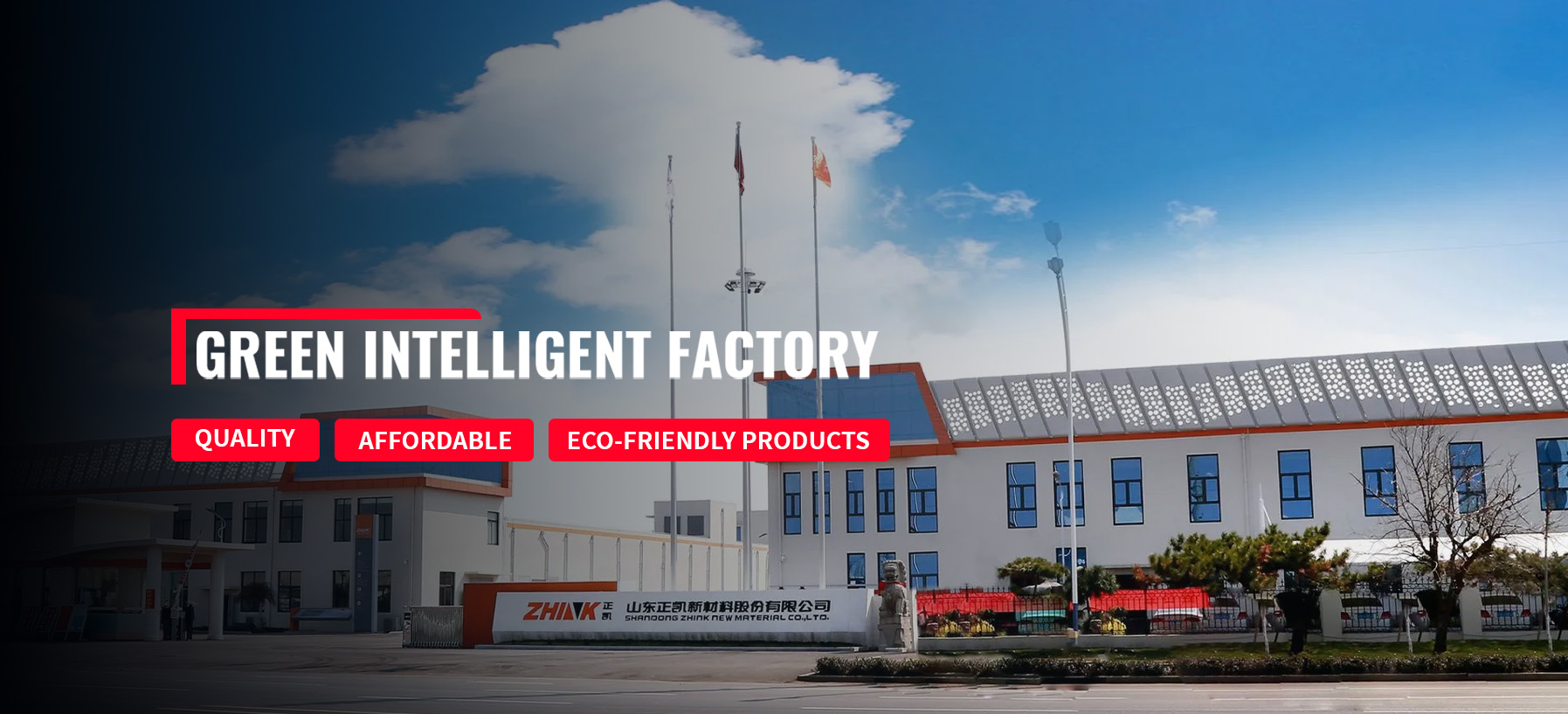
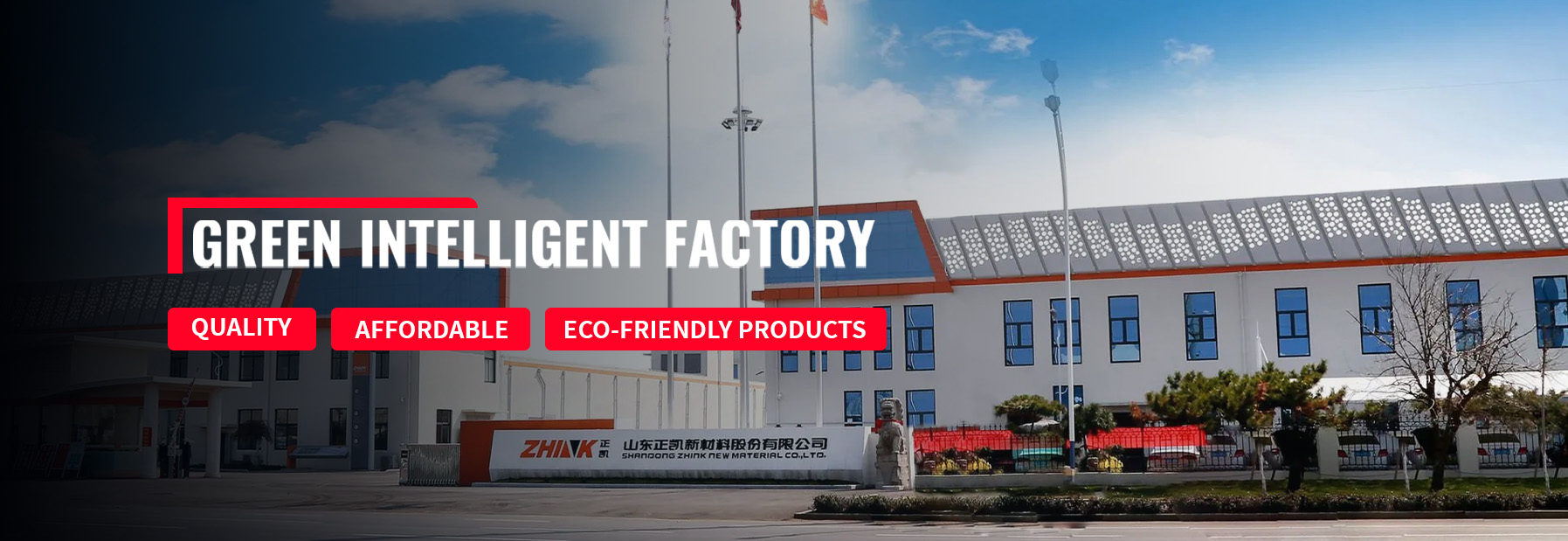
I've seen many beginners confuse acrylic with lower quality material, dismissing it as cheap. But brands like SHANDONG ZHINK NEW MATERIAL CO., LTD, which you can explore at Zhink Yarn, offer high-quality variants that challenge this notion.
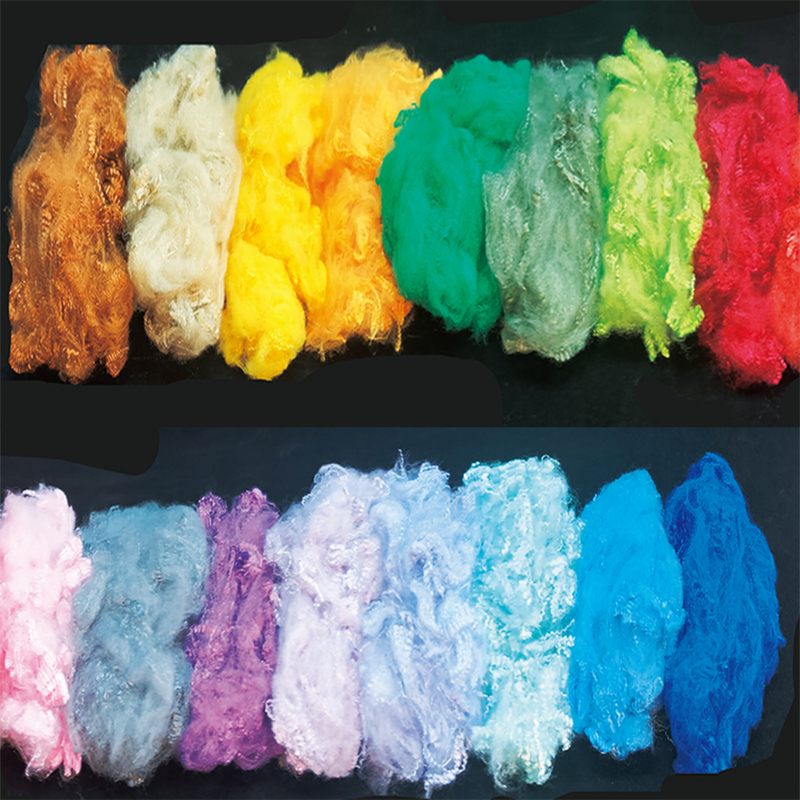
In practice, green acrylic yarn shows its strength in vibrant color retention. Dyes achieve remarkable saturation thanks to the fiber's receptive surface, resulting in hues that remain eye-catching even after numerous washes.
The Benefits of Using Green Acrylic Yarn
Cost-effectiveness often tops the list of benefits. Compared to natural fibers, acrylic yarn is budget-friendly, making it appealing for large-scale projects or those on a tight budget. But, of course, there's more to value than just price.
Maintenance is another win. I've worked on projects where clients needed low-maintenance fabrics, and acrylic's ability to withstand regular washing without pilling proved valuable.
Besides, it's worth mentioning the hypoallergenic properties. People with wool allergies often find acrylic a comfy alternative, broadening its application, especially in garments like sweaters and scarves.
Challenges and Considerations
Working with acrylic isn't without its challenges. Its lack of natural fiber warmth means projects for extreme weather need careful design consideration. I've learned this firsthand when a supposedly cozy blanket turned out less so.
Static can also be an issue, especially in dry climates. Static spray becomes a handy companion in these cases, allowing easier handling of skeins during knitting or crochet.
Some artisans find the “squeaky” texture off-putting. It takes getting used to, but many come to appreciate the smooth glide over needles once that initial hurdle is overcome.
Creative Applications
I’ve witnessed stunning tapestries created with green acrylic yarn. Its color stability ensures brilliant and lasting displays, crucial for such labor-intensive artworks.
Pet projects can benefit too. Given its pest-resistant nature, acrylic is excellent for creating resilient toys and accessories, providing peace of mind against unwanted critters.
In wearable art, the lightweight warmth without the bulk of wool provides creative freedom, especially in high fashion where layering is key.
Sourcing Quality Yarn
Finding reputable sources is paramount. Companies like Zhink New Material, who specialize in cutting-edge textile solutions, deliver consistent quality, which is vital for both amateur and professional crafters.
When selecting yarn, pay attention to those with enhanced features like anti-pilling finishes, which extend the lifespan and appearance of your projects.
Ultimately, green acrylic yarn opens a world of possibilities—success lies in understanding its properties and embracing both its strengths and quirks. As with any material, it's the thoughtful application that transforms potential into artistry.
Related Products
Related Products