+86-632-3621866
- Chinese
- French
- German
- Portuguese
- Spanish
- Russian
- Japanese
- Korean
- Arabic
- Irish
- Greek
- Turkish
- Italian
- Danish
- Romanian
- Indonesian
- Czech
- Afrikaans
- Swedish
- Polish
- Basque
- Catalan
- Esperanto
- Hindi
- Lao
- Albanian
- Amharic
- Armenian
- Azerbaijani
- Belarusian
- Bengali
- Bosnian
- Bulgarian
- Cebuano
- Chichewa
- Corsican
- Croatian
- Dutch
- Estonian
- Filipino
- Finnish
- Frisian
- Galician
- Georgian
- Gujarati
- Haitian
- Hausa
- Hawaiian
- Hebrew
- Hmong
- Hungarian
- Icelandic
- Igbo
- Javanese
- Kannada
- Kazakh
- Khmer
- Kurdish
- Kyrgyz
- Latin
- Latvian
- Lithuanian
- Luxembou..
- Macedonian
- Malagasy
- Malay
- Malayalam
- Maltese
- Maori
- Marathi
- Mongolian
- Burmese
- Nepali
- Norwegian
- Pashto
- Persian
- Punjabi
- Serbian
- Sesotho
- Sinhala
- Slovak
- Slovenian
- Somali
- Samoan
- Scots Gaelic
- Shona
- Sindhi
- Sundanese
- Swahili
- Tajik
- Tamil
- Telugu
- Thai
- Ukrainian
- Urdu
- Uzbek
- Vietnamese
- Welsh
- Xhosa
- Yiddish
- Yoruba
- Zulu
- Kinyarwanda
- Tatar
- Oriya
- Turkmen
- Uyghur


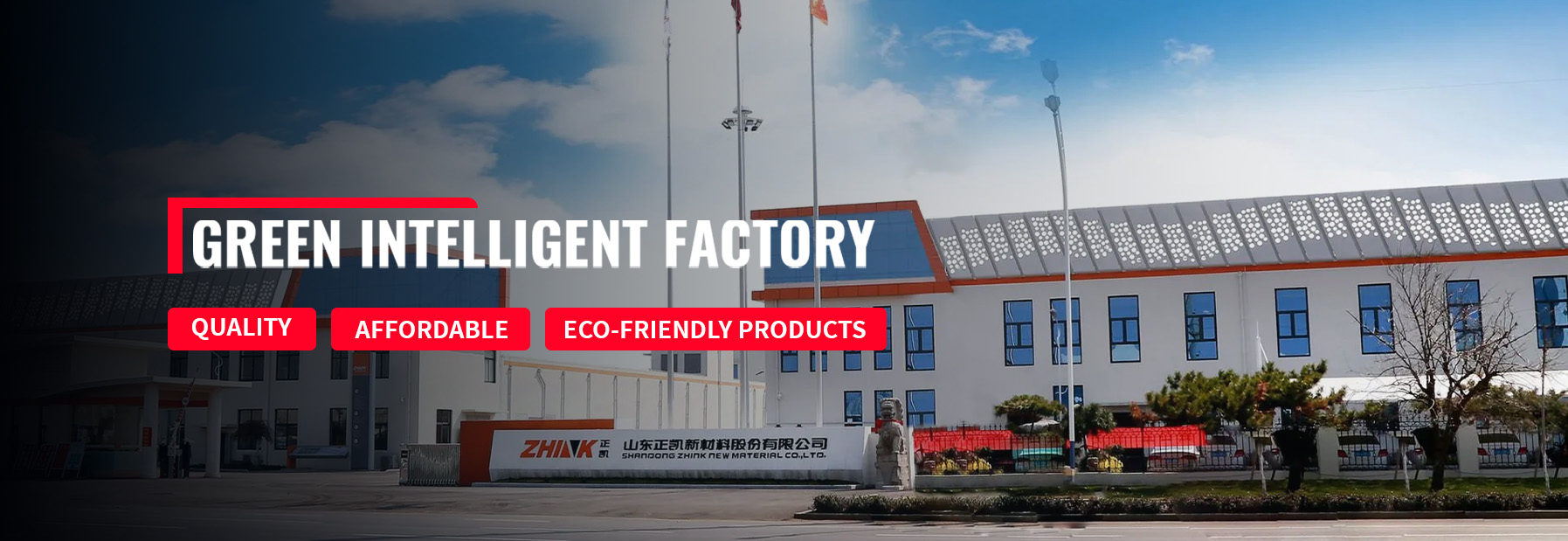
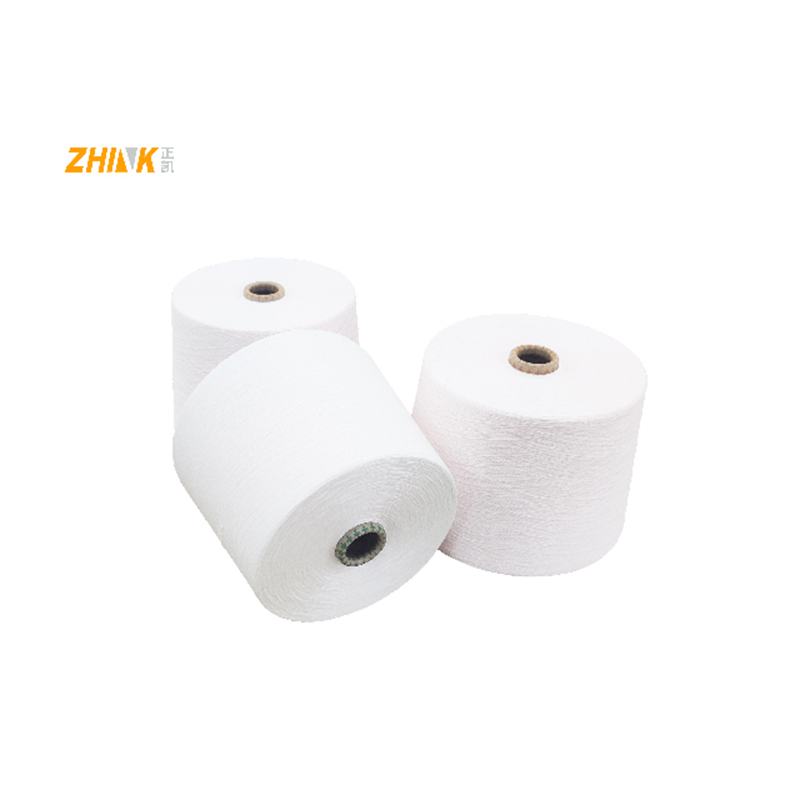
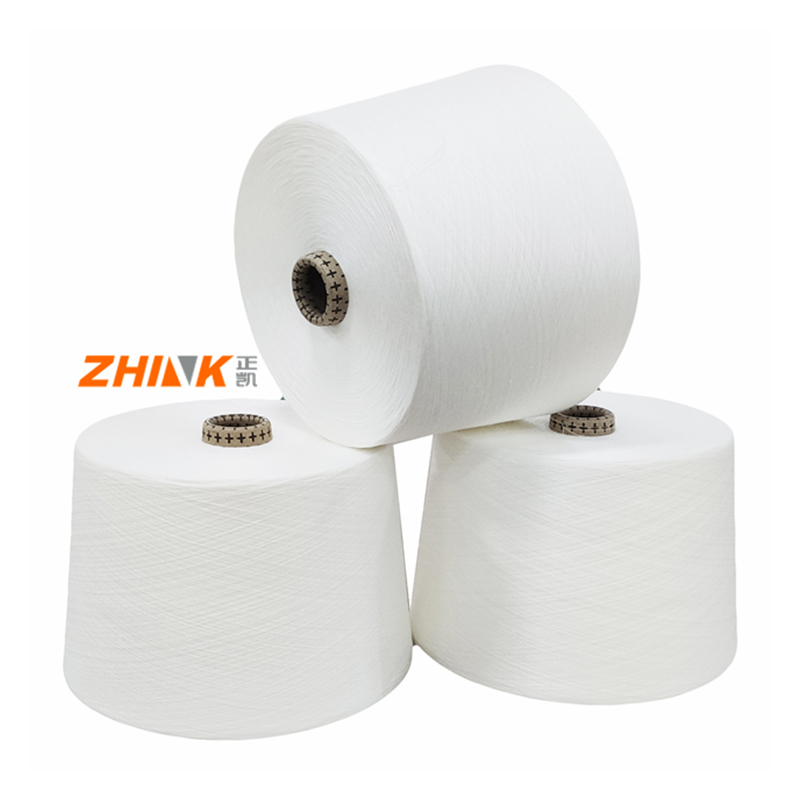
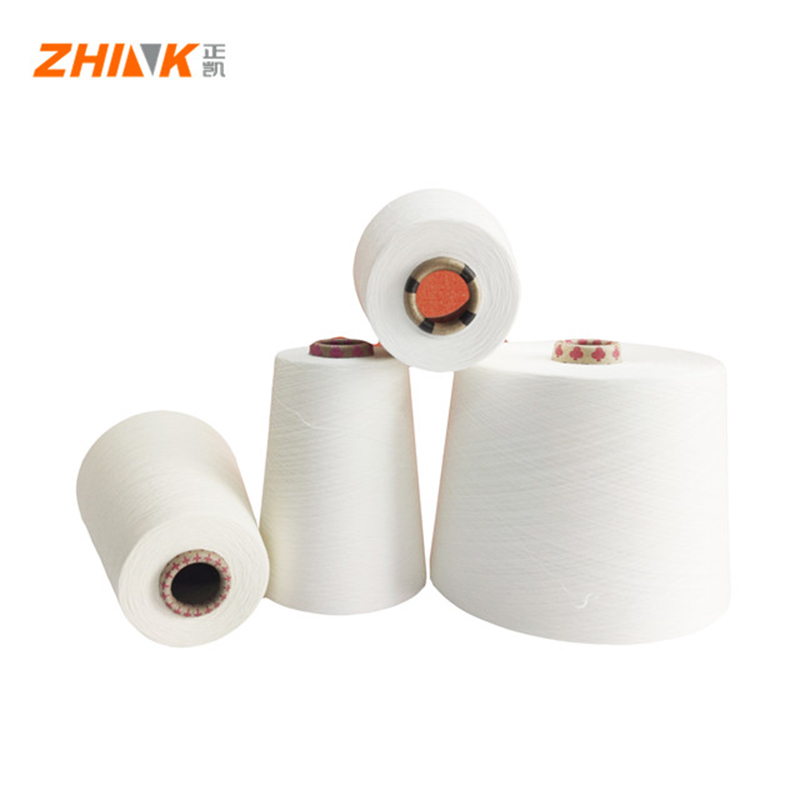
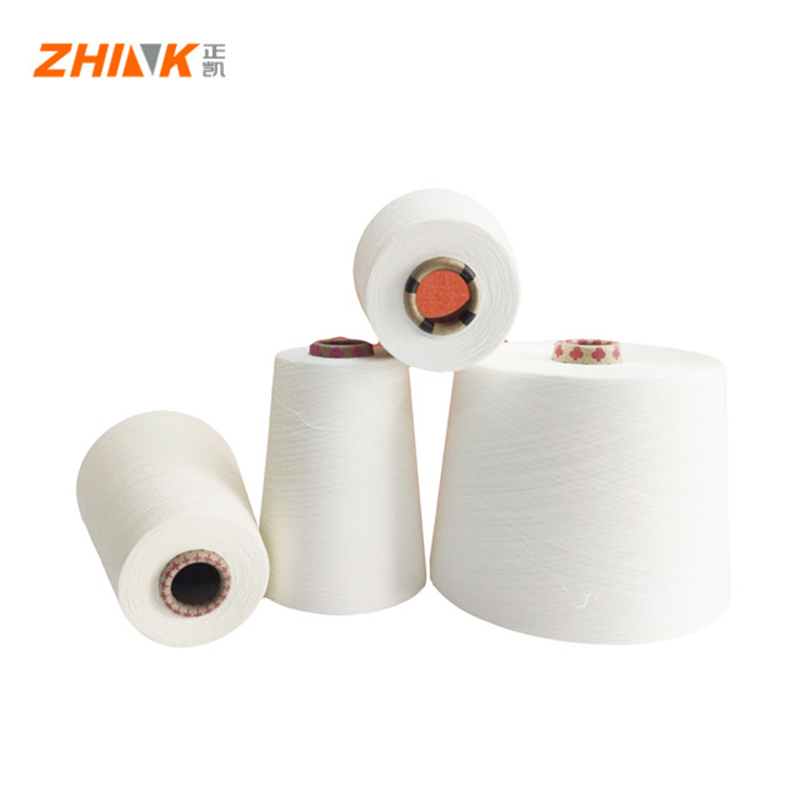
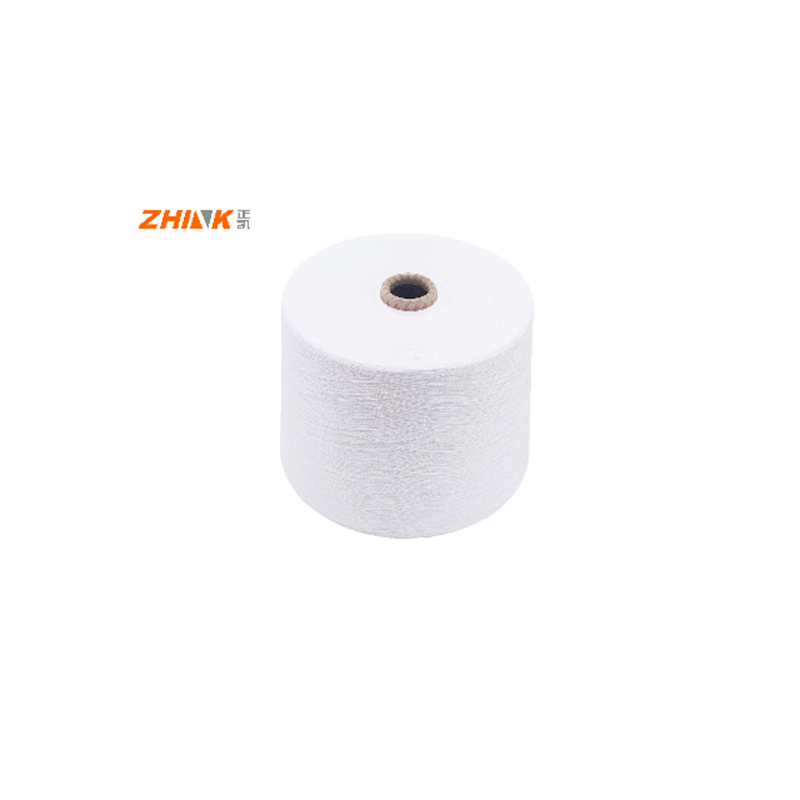
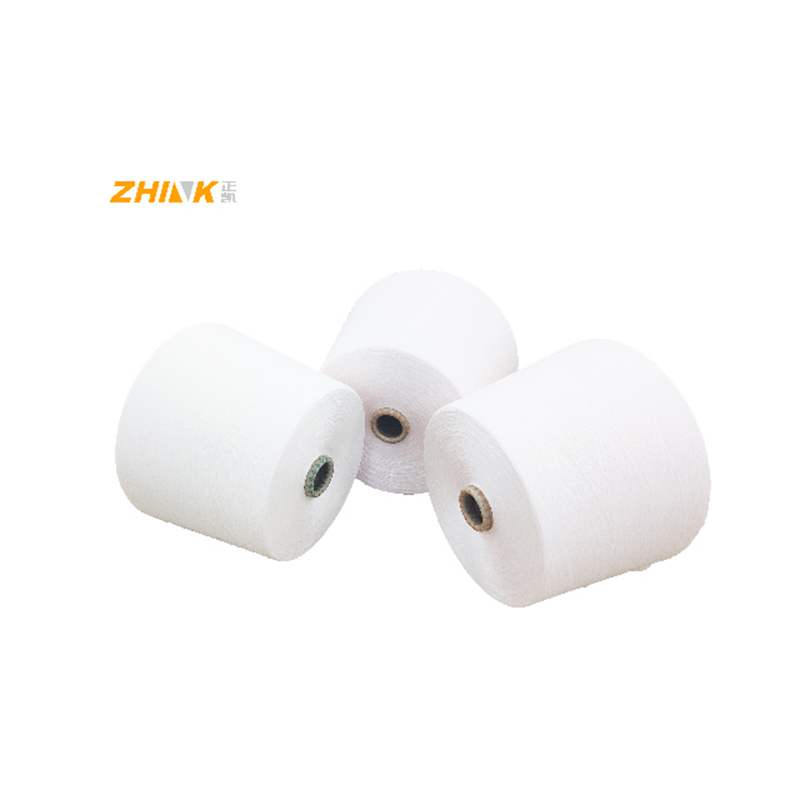
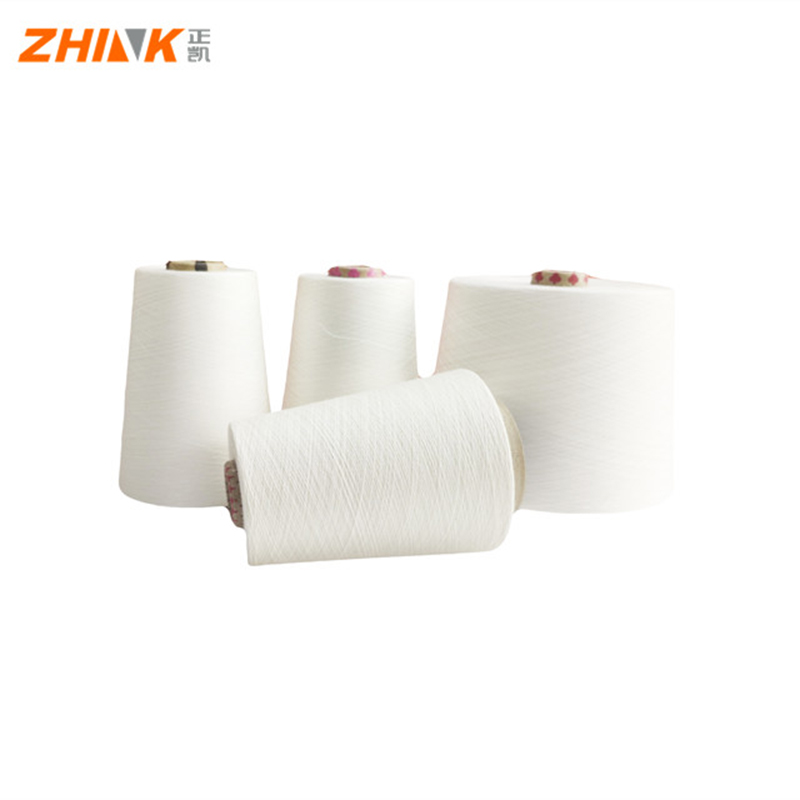
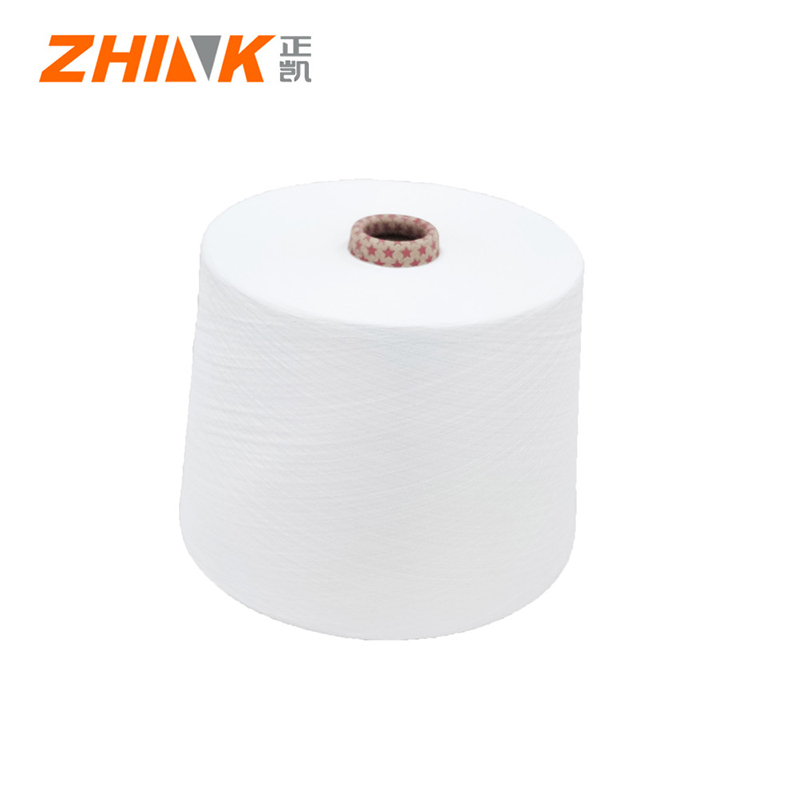
GRS Flame retardant polyester yarn
Exploring the World of GRS Flame Retardant Polyester Yarn
In the realm of textiles, the quest for materials that meet environmental standards while ensuring safety is ongoing. One such example is the GRS Flame Retardant Polyester Yarn. It's not just about making yarns fire-resistant; it's about integrating sustainable practices into production. This pursuit echoes within industry circles and challenges many of us who've been there, questioning assumptions, tackling regulatory demands, and balancing performance with eco-friendliness.
The Complexity of Flame Retardancy
When you first encounter the concept of flame retardant yarn, it sounds straightforward. However, implementing this in practice—particularly in alignment with Global Recycled Standards (GRS)—is no small feat. The GRS is rigorous, covering everything from environmental impact to chemical restrictions, which necessitates a meticulous approach.
Having worked hands-on with materials in a manufacturing setup, I've seen how nuanced this balancing act can be. For instance, achieving even flame retardancy across a batch requires precise control over both raw material selection and processing conditions. It’s not just adding chemicals; this involves fine-tuning yarn properties to maintain the integrity over its lifecycle.
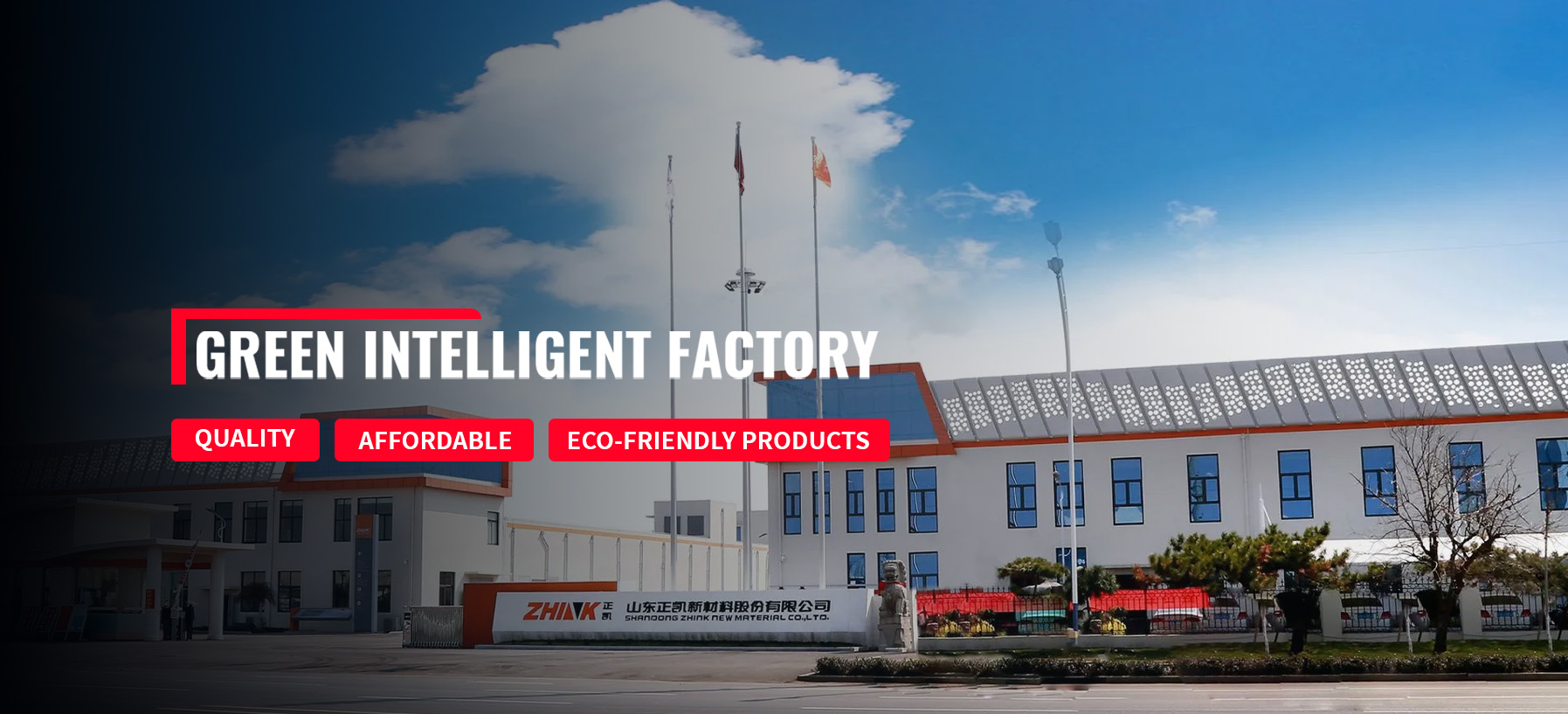
But let's not forget—adherence to GRS adds another layer of complexity. Verifying recycling content and ensuring traceability demands robust documentation and process transparency. Working with companies like SHANDONG ZHINK NEW MATERIAL CO., LTD, which has honed expertise in new textile materials, becomes crucial here.
Sustainability Meets Performance
Producing GRS Flame Retardant Polyester Yarn that meets both safety and sustainability criteria often leads to a reevaluation of supply chains and manufacturing methods. One must weigh choices like sourcing from pre-consumer or post-consumer recycled materials, each influencing the end properties of the yarn.
Take SHANDONG ZHINK NEW MATERIAL CO., LTD for example; their emphasis on R&D allows for innovations that marry these traits efficiently. They utilize cutting-edge techniques to enhance both the recycled content and flame retardancy without compromising on quality or performance.
Such developments often involve trial and error. I've been part of teams running numerous iterations before finalizing a formulation that makes the cut. Each trial can bring up unexpected results, reinforcing the importance of continuous learning and adaptation in this field.
Market Challenges and Solutions
The market for GRS Flame Retardant Polyester Yarn faces hurdles, chiefly due to cost considerations and competition from conventional materials. It requires convincing stakeholders about the long-term benefits and potential regulatory drivers pushing towards sustainable options.
In practical scenarios, addressing these challenges requires a combination of education and evidence. Demonstrating through case studies and testing data can solidify confidence in the viability of these yarns. It's something SHANDONG ZHINK NEW MATERIAL CO., LTD is adept at, with a track record available for review on their website, www.zhinkyarn.com.
Moreover, aligning product offerings with ever-evolving consumer demands for eco-friendly and safe products is no easy task. But once aligned, the payoff can be substantial, tapping into a growing segment that prioritizes sustainability.
Considerations for Manufacturers
For manufacturers looking to enter the realm of GRS Flame Retardant Polyester Yarn, it’s pivotal to integrate both environmental consciousness and technical expertise. This often means revamping machinery or processes to accommodate new materials, which can be a steep curve.
Partnerships with research-driven companies, like Zhink New Material, provide a competitive edge. Their expertise in the production and sales of innovative textiles can streamline this transition. I’ve seen firsthand how collaboration can lead to breakthroughs in yarn performance and compliance.
Ultimately, dealing with these high-stakes variables means manufacturers must maintain agility. This involves anticipating regulatory shifts, consumer needs, and technological advancements to stay ahead in the competitive textile landscape.
Looking Ahead
The future of GRS Flame Retardant Polyester Yarn seems promising as more sectors recognize the need for sustainable and safe textiles. The need for ongoing innovation cannot be understated, as regulations tighten and consumer awareness grows. It's a demanding—but rewarding—journey forward.
Collaborations with industry innovators like SHANDONG ZHINK NEW MATERIAL CO., LTD, who blend cutting-edge R&D with practical manufacturing solutions, can pave the way for new standards in textile sustainability and safety. As witnessed throughout the industry, staying informed and adaptable is crucial in navigating this evolving field.
So, while it might seem daunting, embracing these challenges opens avenues for growth and innovation, pushing the boundaries of what’s possible in sustainable textiles.
Related Products
Related Products