+86-632-3621866
- Chinese
- French
- German
- Portuguese
- Spanish
- Russian
- Japanese
- Korean
- Arabic
- Irish
- Greek
- Turkish
- Italian
- Danish
- Romanian
- Indonesian
- Czech
- Afrikaans
- Swedish
- Polish
- Basque
- Catalan
- Esperanto
- Hindi
- Lao
- Albanian
- Amharic
- Armenian
- Azerbaijani
- Belarusian
- Bengali
- Bosnian
- Bulgarian
- Cebuano
- Chichewa
- Corsican
- Croatian
- Dutch
- Estonian
- Filipino
- Finnish
- Frisian
- Galician
- Georgian
- Gujarati
- Haitian
- Hausa
- Hawaiian
- Hebrew
- Hmong
- Hungarian
- Icelandic
- Igbo
- Javanese
- Kannada
- Kazakh
- Khmer
- Kurdish
- Kyrgyz
- Latin
- Latvian
- Lithuanian
- Luxembou..
- Macedonian
- Malagasy
- Malay
- Malayalam
- Maltese
- Maori
- Marathi
- Mongolian
- Burmese
- Nepali
- Norwegian
- Pashto
- Persian
- Punjabi
- Serbian
- Sesotho
- Sinhala
- Slovak
- Slovenian
- Somali
- Samoan
- Scots Gaelic
- Shona
- Sindhi
- Sundanese
- Swahili
- Tajik
- Tamil
- Telugu
- Thai
- Ukrainian
- Urdu
- Uzbek
- Vietnamese
- Welsh
- Xhosa
- Yiddish
- Yoruba
- Zulu
- Kinyarwanda
- Tatar
- Oriya
- Turkmen
- Uyghur


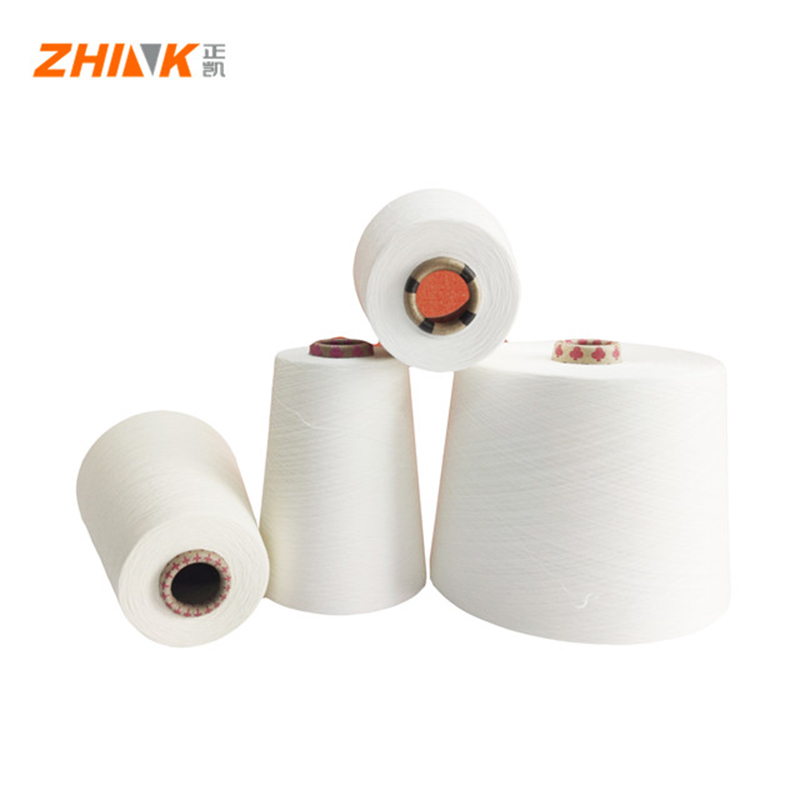
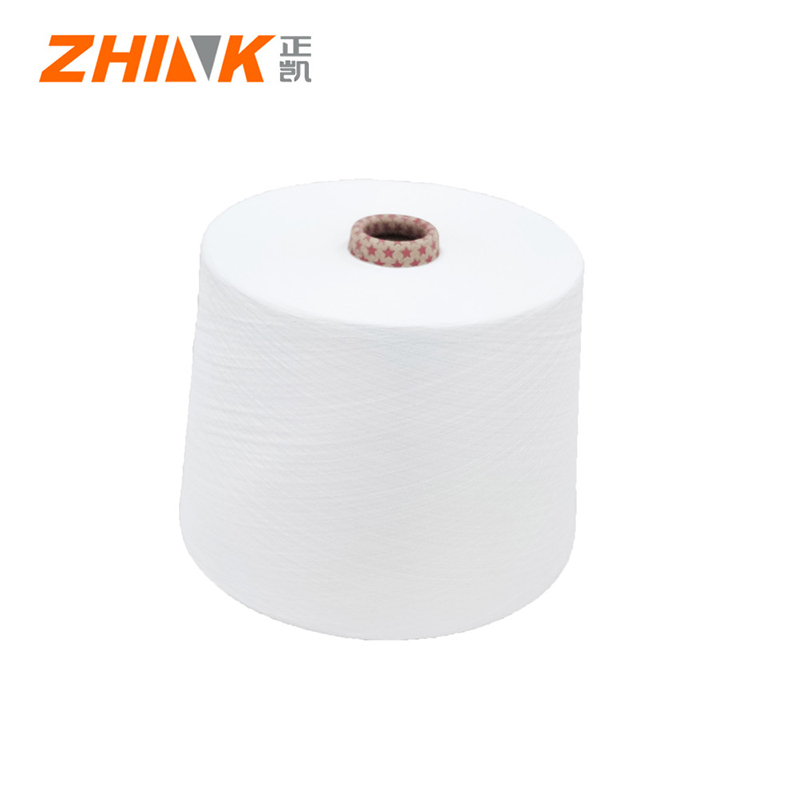
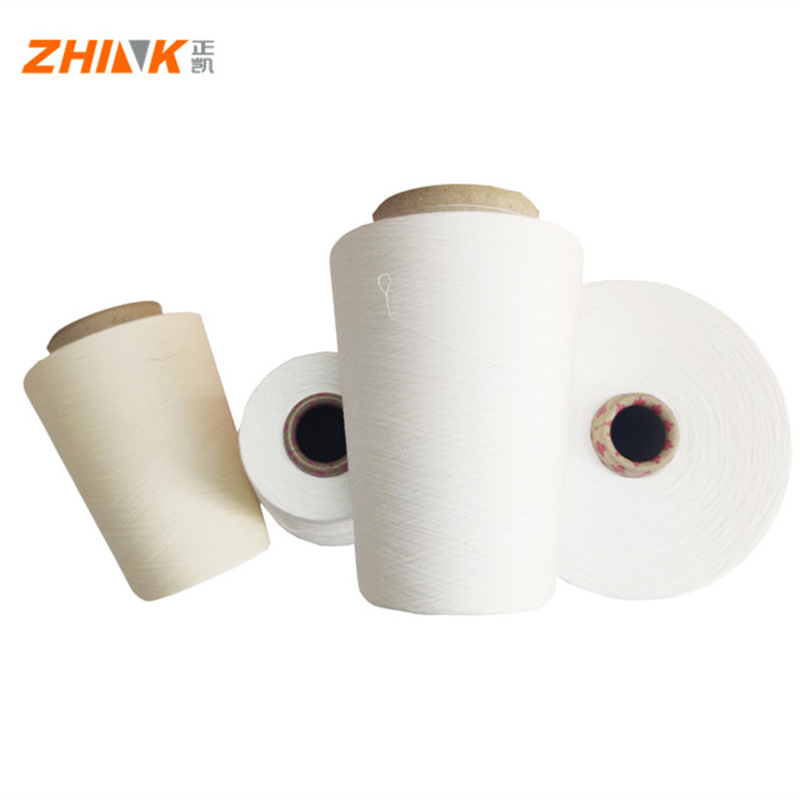
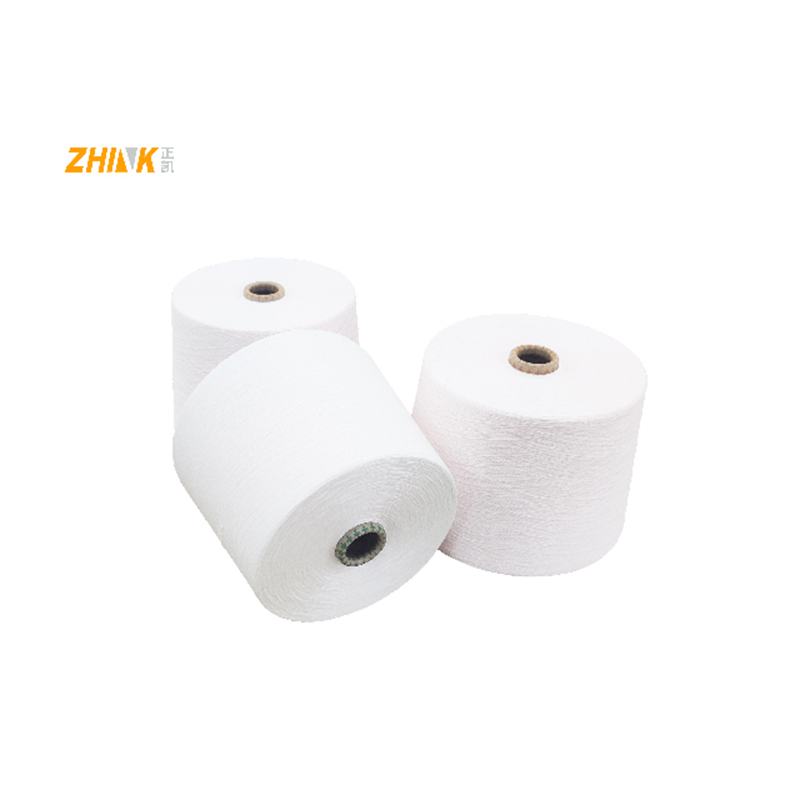
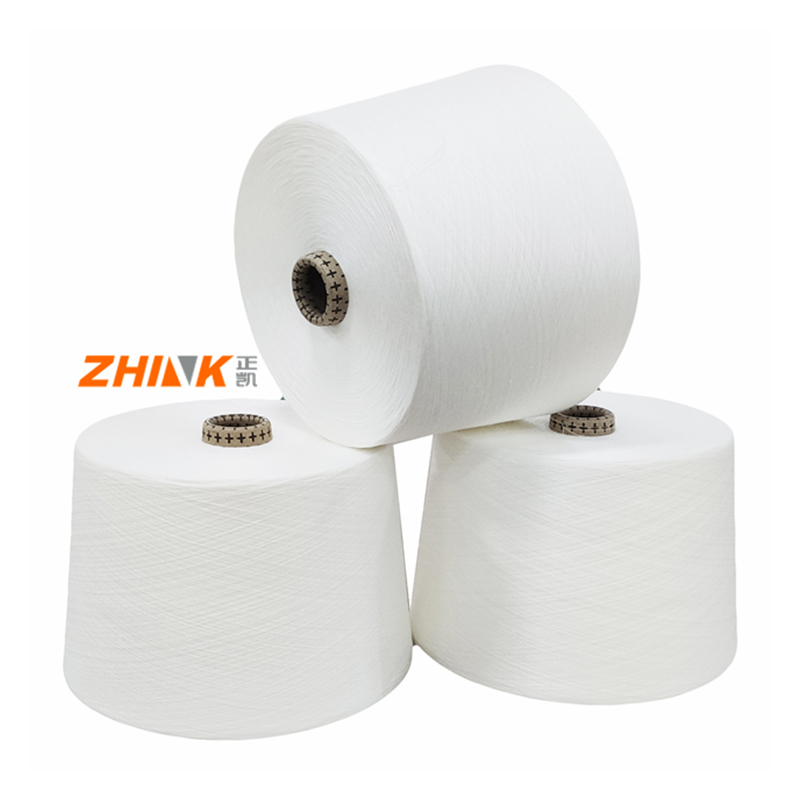
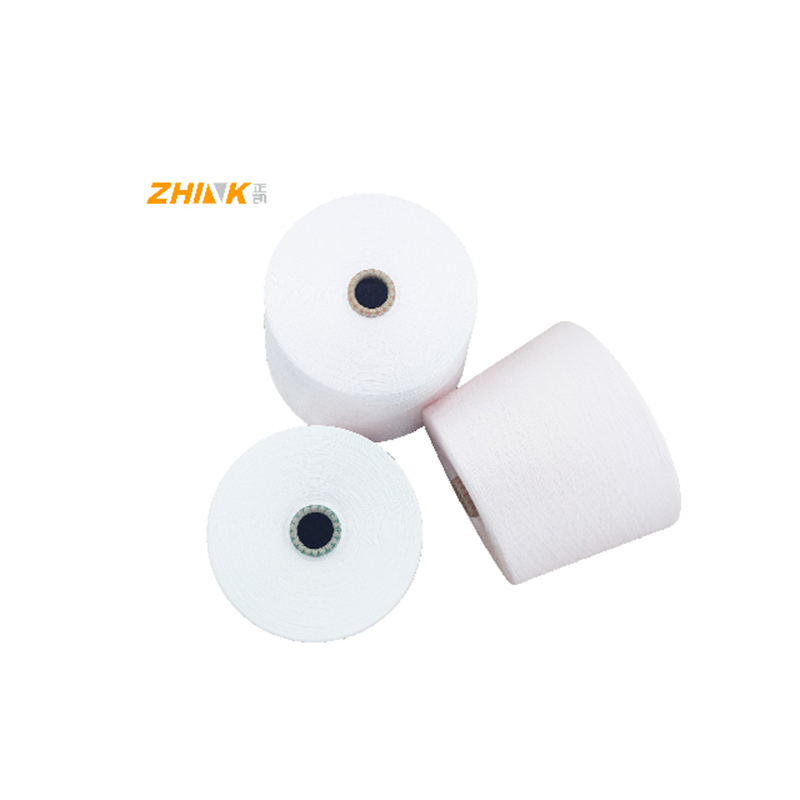
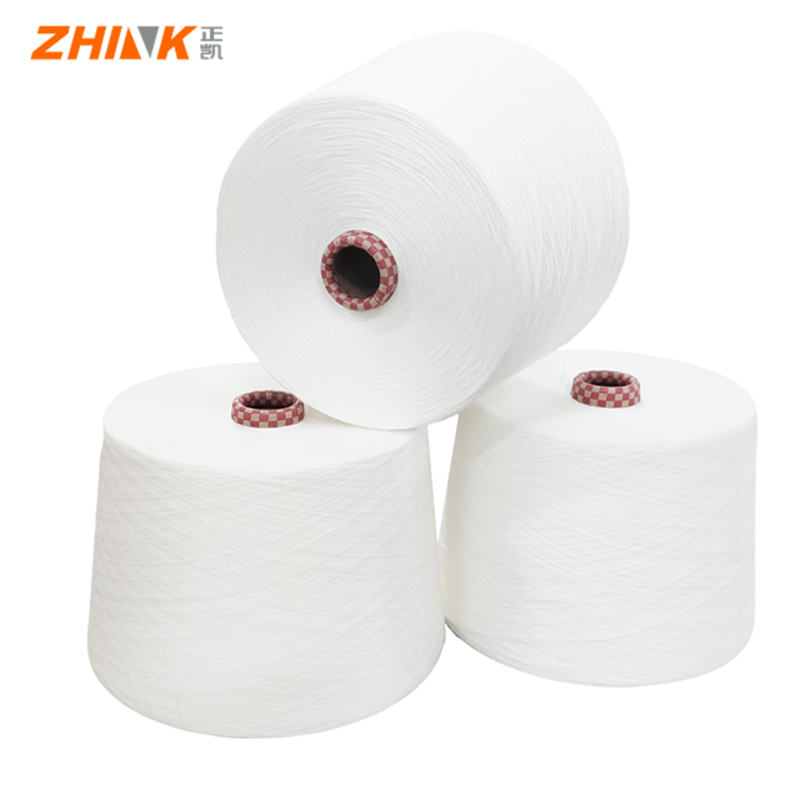
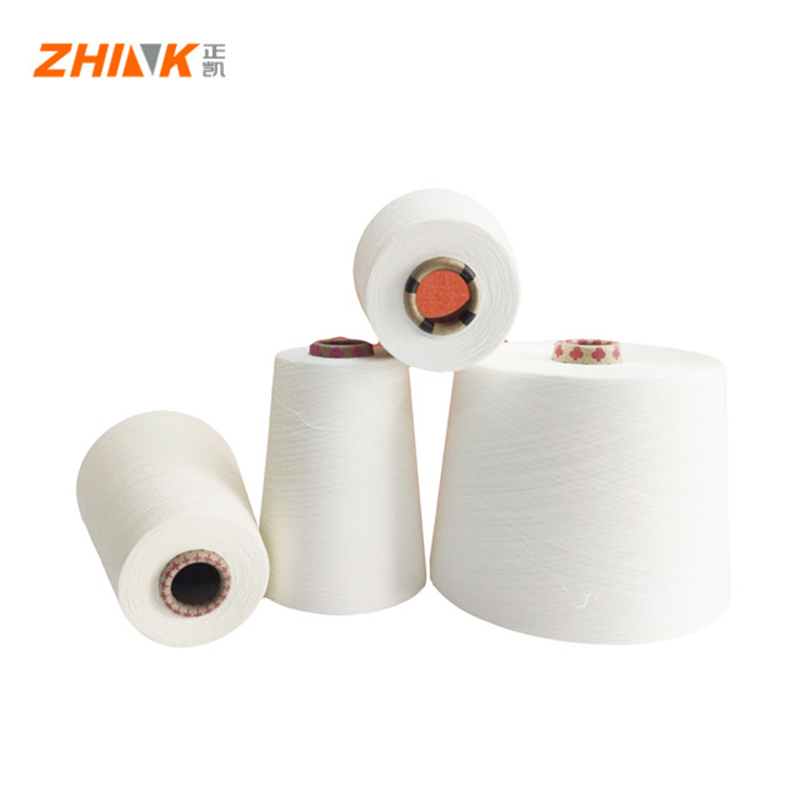
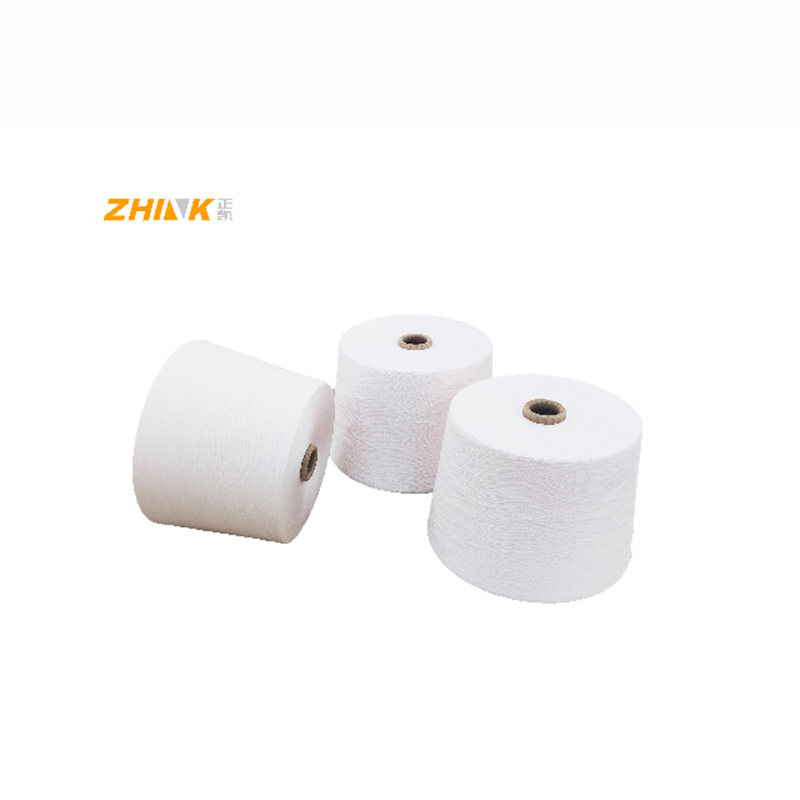
GRS polyester yarn
Understanding GRS Polyester Yarn: A Closer Look
In the textile industry, few terms seem to carry as much weight and confusion as GRS polyester yarn. It's easy to get drawn into the labyrinthine world of certifications, sustainable materials, and the actual processing methods. But what's real, what's marketing jargon, and how does it impact production? Let's sift through the complexity.
What is GRS Polyester Yarn?
The Global Recycled Standard (GRS) seems to be a buzzword everyone throws around these days. But what does it really mean when it comes to polyester yarn? Essentially, GRS polyester yarn is made from post-consumer and post-industrial recycled polyester. It might come from plastic bottles, offcuts, and even used garments. The goal is reducing waste and encouraging sustainability in textiles.
Now, from experience, dealing with GRS certification isn't just about slapping a label on the product. It involves a comprehensive chain of custody, which means every step from the recycling of the raw material to the finished product is audited. If you've been through it, you know it's not a walk in the park.
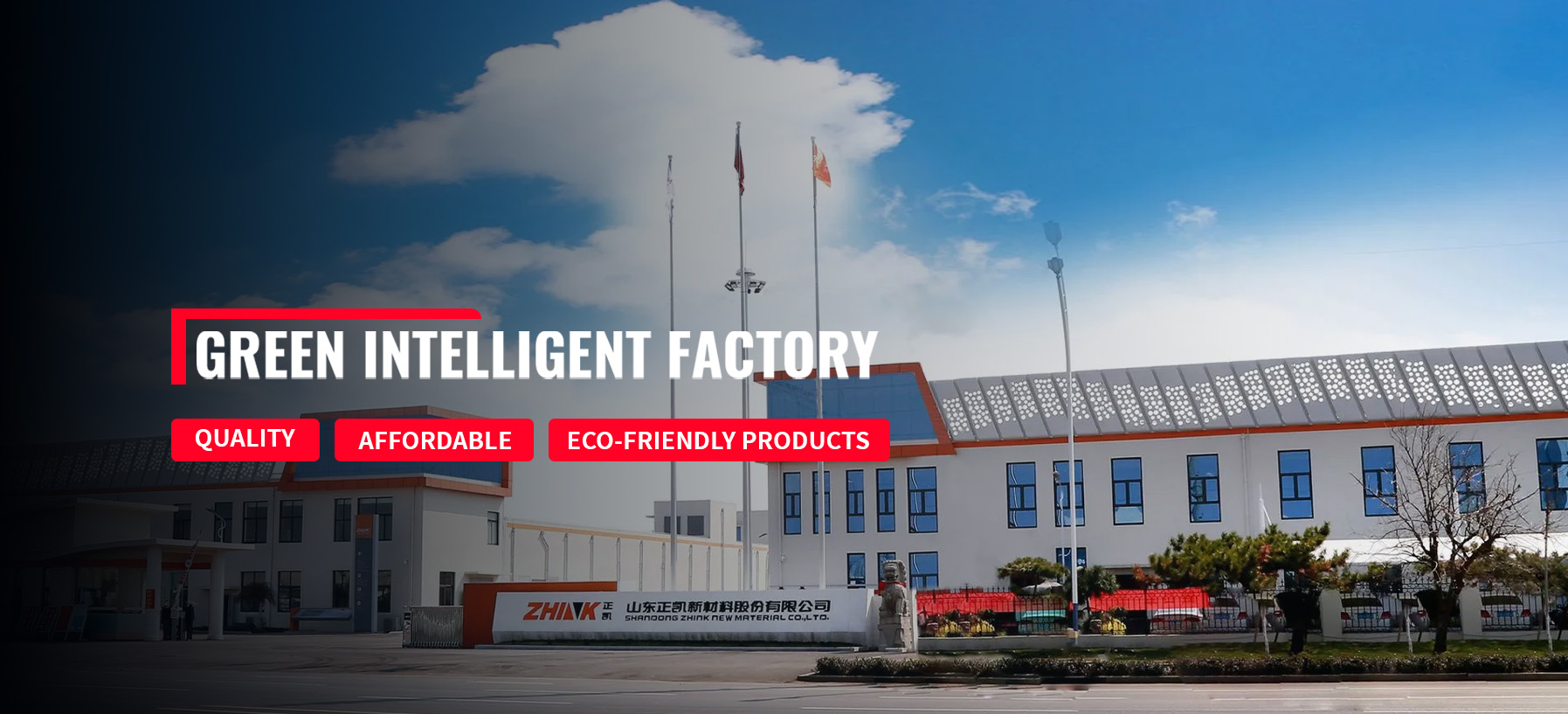
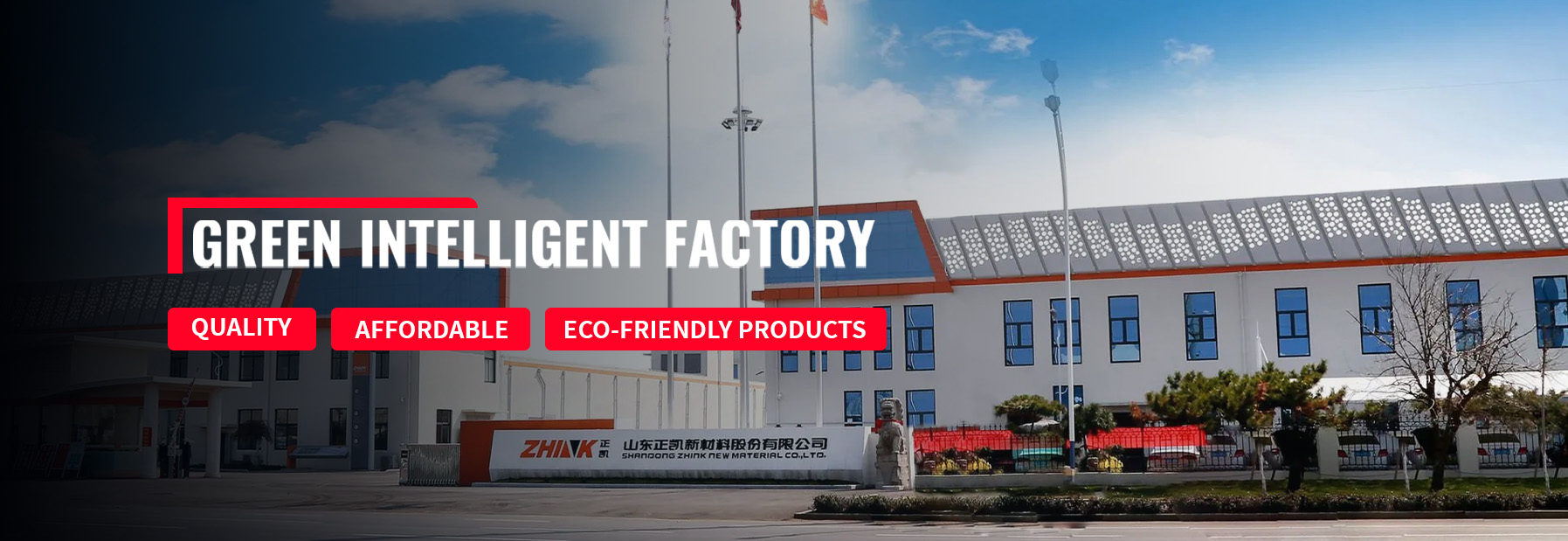
Plus, it's essential to remember that GRS certification impacts everything from sourcing decisions to marketing strategies. For companies like SHANDONG ZHINK NEW MATERIAL CO., LTD, as highlighted on their site zhinkyarn.com, it's not just a certificate but a core part of their business ethos, specializing in advanced textile materials.
The Production Process
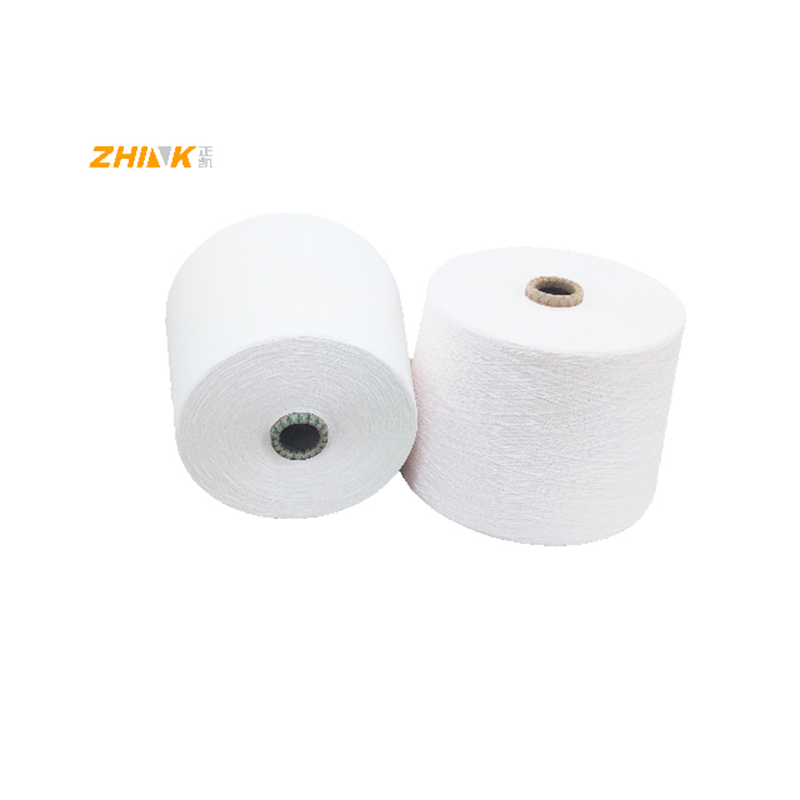
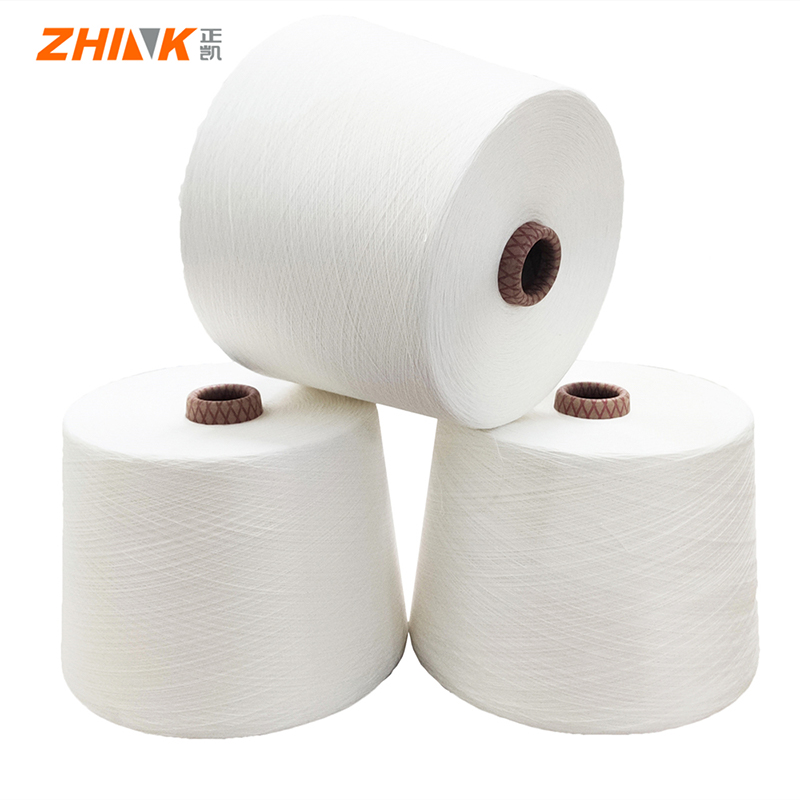
Transforming recycled materials into GRS polyester yarn is quite a journey. First, the plastic is cleaned and shredded into small flakes. These flakes are melted down and extruded into fibers. I've seen the process start with large bales of multicolored plastic and end with a sleek spool of yarn. Reusing what's essentially waste is quite satisfying but requires precision and experience.
One might think it matches up with regular polyester yarn, but that's not entirely true on the ground. Recycled fibers can be trickier to work with, offering challenges in ensuring color consistency and fiber strength. It's a nuance many don't anticipate until they're knee-deep in production challenges.
Despite these hurdles, the environmental benefits are undeniable. Reducing reliance on virgin polyester decreases our carbon footprint significantly. Companies committed to sustainable practices, like Zhink New Material, leverage these advantages to position themselves as industry leaders in innovative solutions.
Market Trends and Consumer Perception
In recent years, market demand for sustainable products has soared. Consumers are increasingly aware of the ecological impact of their choices. However, this shift isn't always straightforward for manufacturers. Ensuring transparency and actual sustainability in production remains complex.
It's also important to address expectations. Sometimes, there's a gap between what consumers believe about GRS polyester yarn products and their actual qualities. Clarity in communication and product information plays a crucial role. It's where experienced companies shine, aiding in bridging those gaps.
For instance, when partnering with retailers or designers, clear certifications and honest discussions are invaluable. It builds trust and ensures everyone along the supply chain is on the same page, ultimately offering a genuine product to consumers.
Challenges in Scaling and Quality Assurance
Scaling production of GRS-certified products isn't void of hurdles. Demand might be there, but raw material consistency and availability can swing widely. I've seen production plans go awry due to unexpected supply chain disruptions.
Moreover, quality assurance is a constant concern. Ensuring that recycled polyester maintains high standards often requires investing in sophisticated quality control systems. This is something experienced companies like Zhink New Material embrace wholeheartedly, as evidenced by their commitment to research and development in textile innovations.
It's not merely about keeping up with demand but ensuring every batch stands up to rigorous testing, matching or even exceeding expectations.
Looking Ahead
As more brands commit to sustainable practices, the role of GRS polyester yarn in textile manufacturing is bound to expand. Yet, it's essential for industry players to keep a balanced view, understanding both the possibilities and limitations.
Innovation is crucial. While recycled polyester won't entirely replace its virgin counterpart in every application due to current technological limits, it can complement it, diversifying the range of possibilities we have at hand.
Companies like SHANDONG ZHINK NEW MATERIAL CO., LTD are at the forefront, driving change across the industry. Their approach reflects not only a commitment to sustainability but a vision for a more responsible textile future. The journey, undoubtedly, is just beginning.
Related Products
Related Products