+86-632-3621866
- Chinese
- French
- German
- Portuguese
- Spanish
- Russian
- Japanese
- Korean
- Arabic
- Irish
- Greek
- Turkish
- Italian
- Danish
- Romanian
- Indonesian
- Czech
- Afrikaans
- Swedish
- Polish
- Basque
- Catalan
- Esperanto
- Hindi
- Lao
- Albanian
- Amharic
- Armenian
- Azerbaijani
- Belarusian
- Bengali
- Bosnian
- Bulgarian
- Cebuano
- Chichewa
- Corsican
- Croatian
- Dutch
- Estonian
- Filipino
- Finnish
- Frisian
- Galician
- Georgian
- Gujarati
- Haitian
- Hausa
- Hawaiian
- Hebrew
- Hmong
- Hungarian
- Icelandic
- Igbo
- Javanese
- Kannada
- Kazakh
- Khmer
- Kurdish
- Kyrgyz
- Latin
- Latvian
- Lithuanian
- Luxembou..
- Macedonian
- Malagasy
- Malay
- Malayalam
- Maltese
- Maori
- Marathi
- Mongolian
- Burmese
- Nepali
- Norwegian
- Pashto
- Persian
- Punjabi
- Serbian
- Sesotho
- Sinhala
- Slovak
- Slovenian
- Somali
- Samoan
- Scots Gaelic
- Shona
- Sindhi
- Sundanese
- Swahili
- Tajik
- Tamil
- Telugu
- Thai
- Ukrainian
- Urdu
- Uzbek
- Vietnamese
- Welsh
- Xhosa
- Yiddish
- Yoruba
- Zulu
- Kinyarwanda
- Tatar
- Oriya
- Turkmen
- Uyghur


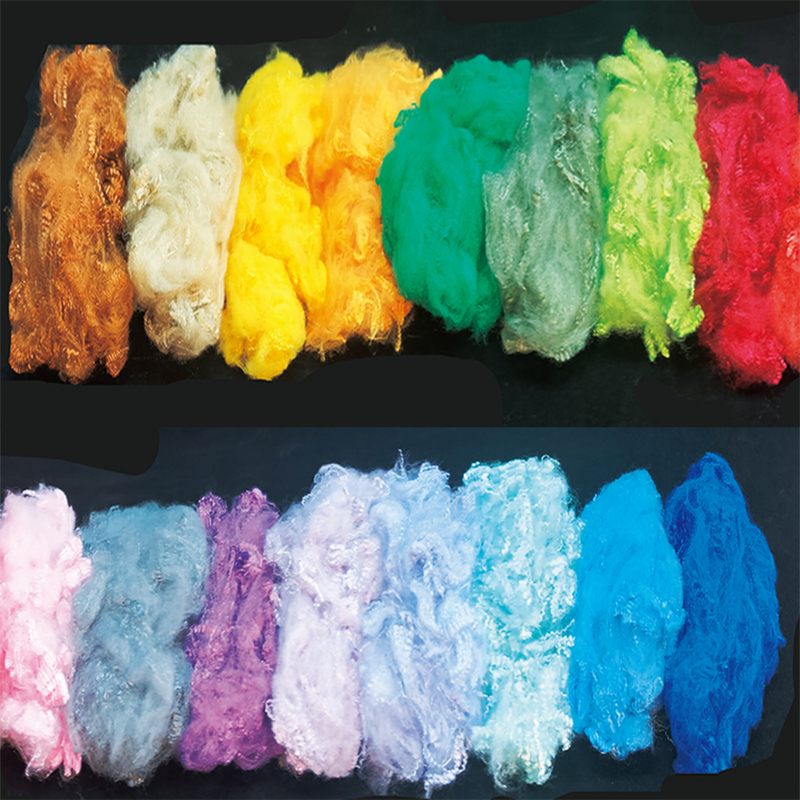
High sun resistant Chinese red polyester fiber
Understanding High Sun Resistant Chinese Red Polyester Fiber
High sun resistant Chinese red polyester fiber is a fascinating material. It's often misunderstood, with many assuming that all polyester fabrics perform identically under sunlight. That's a misconception. In my years working with textile materials, I've realized that the blend of color, UV resistance, and fabric structure significantly impacts performance.
The Significance of Sun Resistance
Over the years, I've come across numerous projects that required fabrics to withstand harsh sun exposure. The key issue often involves fading, which is especially noticeable in vibrant colors like Chinese red. Traditional polyester may degrade quickly under UV rays, causing not only fading but also weakening of the fibers.
Having collaborated with various textile developers, including those at SHANDONG ZHINK NEW MATERIAL CO., LTD, I've seen how their specialized High sun resistant Chinese red polyester fiber has overcome these challenges. Their website, zhinkyarn.com, offers insights into their unique approaches.
One particularly interesting technique involves incorporating UV inhibitors directly into the fiber production process. This subtle integration makes a significant difference, allowing fabrics to maintain their vibrancy and strength over time. It's about embedding protection rather than merely coating the surface.
Color Retention in Intense Sunlight
The rich hue of Chinese red demands meticulous attention. I've tested various production methods to compare color retention. The fibers developed at Zhink New Material stand out due to their rigorous R&D processes, which emphasize the durability of pigmentation under UV stress.
A memorable project was a series of outdoor installations for a client needing textiles that wouldn't betray them under relentless sun. Finding the balance between aesthetics and performance was tricky, but with some trials using Zhink’s fibers, we achieved an impressive outcome.
Interestingly, the secret lies in the binders used in the fibers. They interact differently with dyes under UV exposure, which often determines the longevity of the color.
Applications and Versatility
The versatility of High sun resistant Chinese red polyester fiber is noteworthy. My work has shown me that such fibers are perfect not only for outdoor furnishings but also in fashion, where durability meets style. This adaptability stems from the fiber's structure, which is both robust and flexible.
During a project with an outdoor sporting goods manufacturer, we applied these fibers to create durable, colorful gear. The feedback was positive, underscoring that technological know-how in textiles yields tangible benefits.
Moreover, the demand is growing as more industries recognize the importance of material resilience under sun exposure, which Zhink New Material continues to address on their platform.
Challenges in Production
Despite the benefits, producing these fibers isn't without its challenges. The manufacturing process is complex, requiring precise control over multiple variables. In my discussions with professionals at Zhink, it was apparent that mastery over polymer chemistry is crucial.
One particular challenge is maintaining consistent quality across batches. It's a continuous learning process, incorporating feedback from each production cycle to refine techniques. This iterative method, observed firsthand, ensures steady improvements.
For those like me, involved in the procurement and application of advanced textiles, understanding these nuances is vital to tapping into their full potential.
Future Prospects
Looking ahead, the potential for High sun resistant Chinese red polyester fiber is substantial. Innovations in textile technology hint at even more resilient materials on the horizon. With SHANDONG ZHINK NEW MATERIAL CO., LTD at the helm of R&D, exciting developments are inevitable.
Such fibers are likely to play a pivotal role in both everyday applications and specialized sectors. As I continue to witness these advancements, I'm optimistic about the expanded uses and enhanced properties that future iterations will offer.
In conclusion, while challenges exist, the strides made in developing durable, sun-resistant textiles are commendable. Whether consulted via zhinkyarn.com or through direct industry interactions, the potential for these fibers remains vast and promising.
Related Products
Related Products