+86-632-3621866
- Chinese
- French
- German
- Portuguese
- Spanish
- Russian
- Japanese
- Korean
- Arabic
- Irish
- Greek
- Turkish
- Italian
- Danish
- Romanian
- Indonesian
- Czech
- Afrikaans
- Swedish
- Polish
- Basque
- Catalan
- Esperanto
- Hindi
- Lao
- Albanian
- Amharic
- Armenian
- Azerbaijani
- Belarusian
- Bengali
- Bosnian
- Bulgarian
- Cebuano
- Chichewa
- Corsican
- Croatian
- Dutch
- Estonian
- Filipino
- Finnish
- Frisian
- Galician
- Georgian
- Gujarati
- Haitian
- Hausa
- Hawaiian
- Hebrew
- Hmong
- Hungarian
- Icelandic
- Igbo
- Javanese
- Kannada
- Kazakh
- Khmer
- Kurdish
- Kyrgyz
- Latin
- Latvian
- Lithuanian
- Luxembou..
- Macedonian
- Malagasy
- Malay
- Malayalam
- Maltese
- Maori
- Marathi
- Mongolian
- Burmese
- Nepali
- Norwegian
- Pashto
- Persian
- Punjabi
- Serbian
- Sesotho
- Sinhala
- Slovak
- Slovenian
- Somali
- Samoan
- Scots Gaelic
- Shona
- Sindhi
- Sundanese
- Swahili
- Tajik
- Tamil
- Telugu
- Thai
- Ukrainian
- Urdu
- Uzbek
- Vietnamese
- Welsh
- Xhosa
- Yiddish
- Yoruba
- Zulu
- Kinyarwanda
- Tatar
- Oriya
- Turkmen
- Uyghur



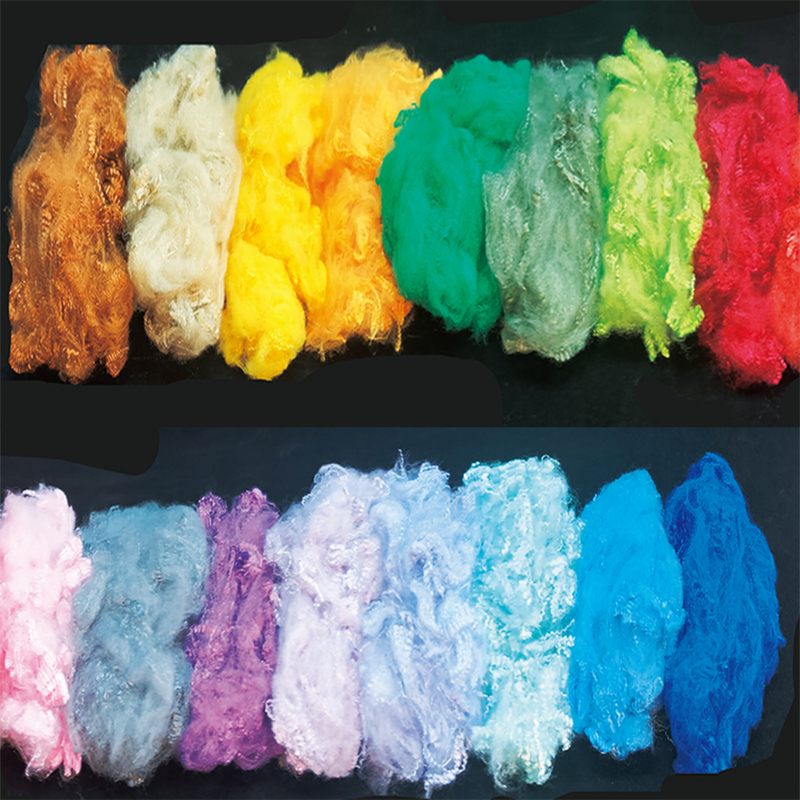
High sun resistant forest green polyester fiber
Understanding High Sun Resistant Forest Green Polyester Fiber
High sun resistant forest green polyester fiber is revolutionizing outdoor fabrics. It has become increasingly vital for designers and manufacturers seeking durable, aesthetically pleasing materials. But what does this term truly mean, and how does it impact the industry? Let’s unpack it.
What is High Sun Resistant Polyester?
When we talk about high sun resistant fibers, we're referring to materials engineered to withstand prolonged UV exposure without degrading. The technology behind this involves special additives in the polyester, which provide exceptional stability against the effects of sunlight. It's crucial, especially in outdoor settings, where traditional materials might quickly lose color or strength.
In real-world applications, I've seen outdoor furniture that looked promising initially, yet within months, the colors began to fade. That’s often because of neglecting to use sun-resistant fibers. With forest green polyester, especially the high resistance type, such issues become manageable. The color is not only vibrant but also lasts longer under the sun’s harsh rays.
A critical point to consider is the testing parameters used to gauge sun resistance. There's no one-size-fits-all, and the conditions an item will face — geographical location, typical weather patterns — all play a part in determining the right material choice.
The Role of Color: Why Forest Green?
Forest green isn’t just a popular shade due to its aesthetic appeal. In my experience, it's a color that naturally blends with outdoor environments, providing a seamless integration whether it’s on patio cushions or decorative garden pieces.
Many might underestimate the importance of color fastness. Fading not only affects appearance but can lead to material weakening. Using forest green polyester fiber, particularly those developed by specialists like SHANDONG ZHINK NEW MATERIAL CO., LTD, available at Zhink Yarn, elevates the durability and maintains visual integrity.
Interestingly, forest green often seems to resist the sun better compared to some lighter shades, which is not just due to color but the specific pigments used. These often include complex organic compounds that provide additional UV shielding.
Applications in Outdoor Products
I’ve worked with various manufacturers, and one area where these fibers excel is in the textiles used for outdoor gear, like tents and camping accessories. Their ability to endure fluctuating weather without compromising on integrity is unmatched.
Collaborating with suppliers who understand the specific needs of sun-resistant materials makes a difference. SHANDONG ZHINK NEW MATERIAL CO., LTD specializes in these advanced textiles, ensuring products not only meet but exceed industry standards.
It's worth mentioning the role of sustainability. High sun resistant fibers contribute to longer product life, which is a significant factor in reducing environmental impact. Longevity equals less frequent replacements, ultimately benefiting both consumers and the planet.
Why Choose Polyester Fiber?
Polyester remains a favorite choice due to its versatile properties. The strength, flexibility, and adaptability make it suitable for multiple applications. Adding sun resistance and a distinctive color like forest green further expands its utility.
The experiences I've gathered indicate that polyester doesn't just perform well; when enhanced with UV resistance, it transforms into a super material for specific uses, offering unmatched resilience. This is where companies like Zhink New Material excel in pushing boundaries.
Another aspect is maintenance. Polyester fibers are relatively easy to care for, and with additional sun protection, they require even less frequent attention, which suits both consumers and commercial users.
Industry Challenges and Considerations
No material is without its challenges. While high sun resistant forest green polyester offers definitive advantages, manufacturing processes must be precise. The balance of additives and dyes needs expert handling. Any deviation might affect performance.
I've witnessed firsthand the unfortunate results when shortcuts are taken — inconsistent colors, reduced UV resistance. Therefore, engaging with reputable manufacturers is crucial to ensuring quality and reliability.
A final thought: as with any technological advancement, staying informed about innovations and improvements in textile materials ensures that users get the best possible results. Being proactive in the choice and use of such materials ultimately leads to successful applications and satisfied users.
Related Products
Related Products