+86-632-3621866
- Chinese
- French
- German
- Portuguese
- Spanish
- Russian
- Japanese
- Korean
- Arabic
- Irish
- Greek
- Turkish
- Italian
- Danish
- Romanian
- Indonesian
- Czech
- Afrikaans
- Swedish
- Polish
- Basque
- Catalan
- Esperanto
- Hindi
- Lao
- Albanian
- Amharic
- Armenian
- Azerbaijani
- Belarusian
- Bengali
- Bosnian
- Bulgarian
- Cebuano
- Chichewa
- Corsican
- Croatian
- Dutch
- Estonian
- Filipino
- Finnish
- Frisian
- Galician
- Georgian
- Gujarati
- Haitian
- Hausa
- Hawaiian
- Hebrew
- Hmong
- Hungarian
- Icelandic
- Igbo
- Javanese
- Kannada
- Kazakh
- Khmer
- Kurdish
- Kyrgyz
- Latin
- Latvian
- Lithuanian
- Luxembou..
- Macedonian
- Malagasy
- Malay
- Malayalam
- Maltese
- Maori
- Marathi
- Mongolian
- Burmese
- Nepali
- Norwegian
- Pashto
- Persian
- Punjabi
- Serbian
- Sesotho
- Sinhala
- Slovak
- Slovenian
- Somali
- Samoan
- Scots Gaelic
- Shona
- Sindhi
- Sundanese
- Swahili
- Tajik
- Tamil
- Telugu
- Thai
- Ukrainian
- Urdu
- Uzbek
- Vietnamese
- Welsh
- Xhosa
- Yiddish
- Yoruba
- Zulu
- Kinyarwanda
- Tatar
- Oriya
- Turkmen
- Uyghur



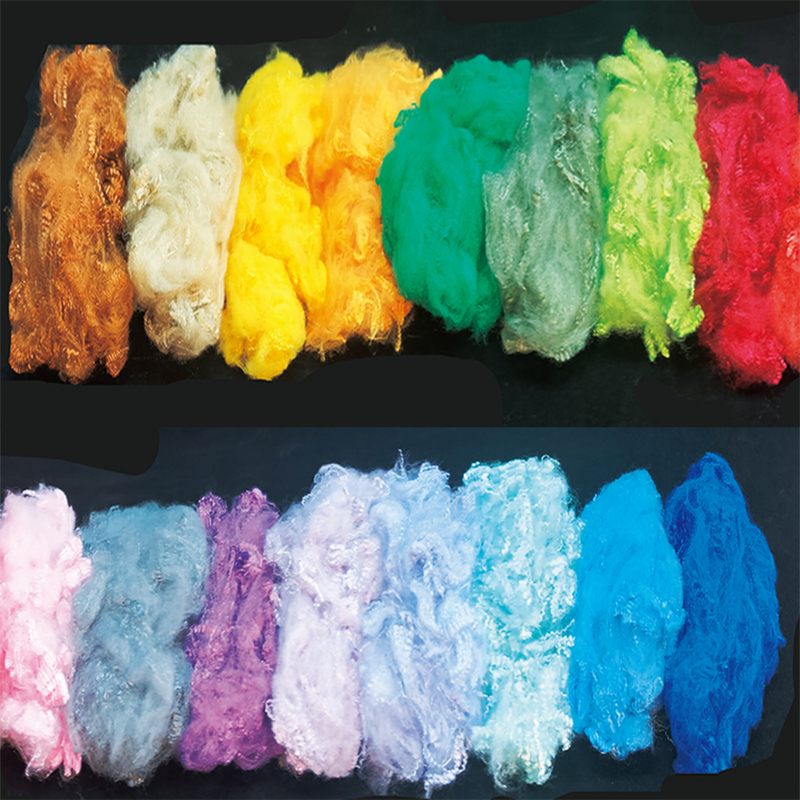
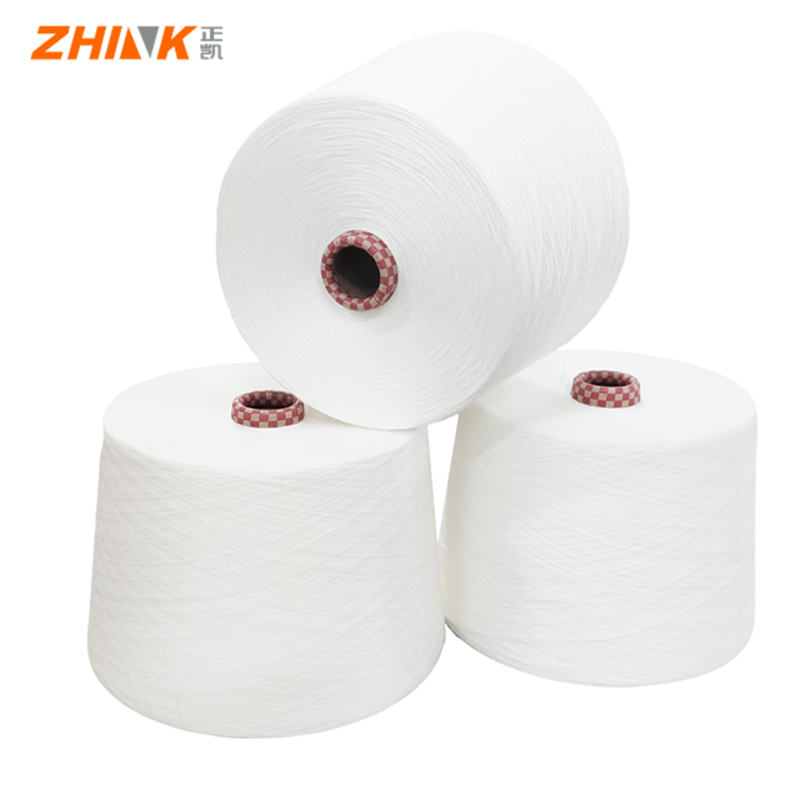
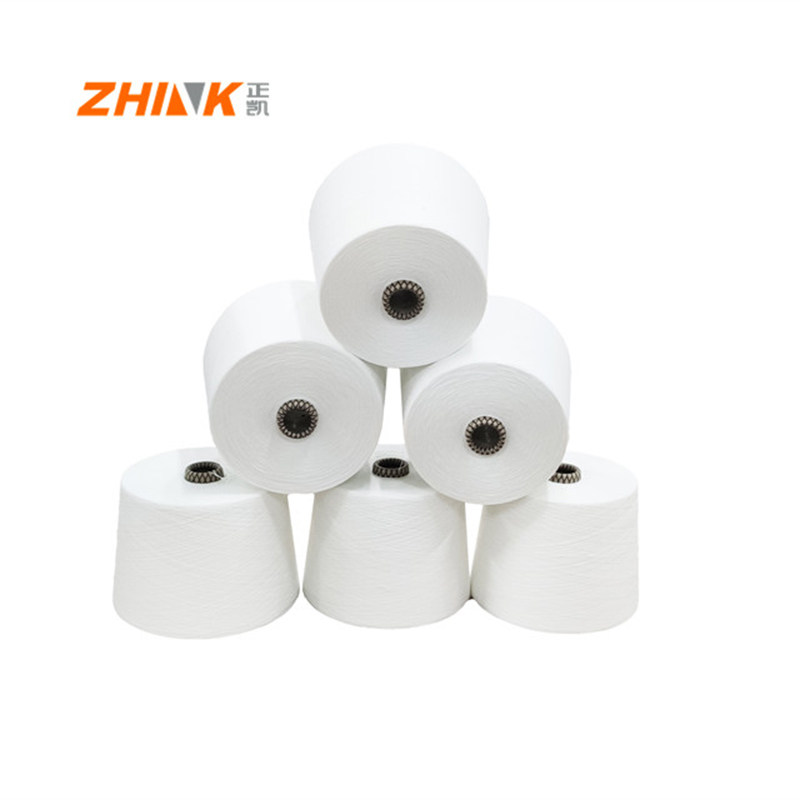
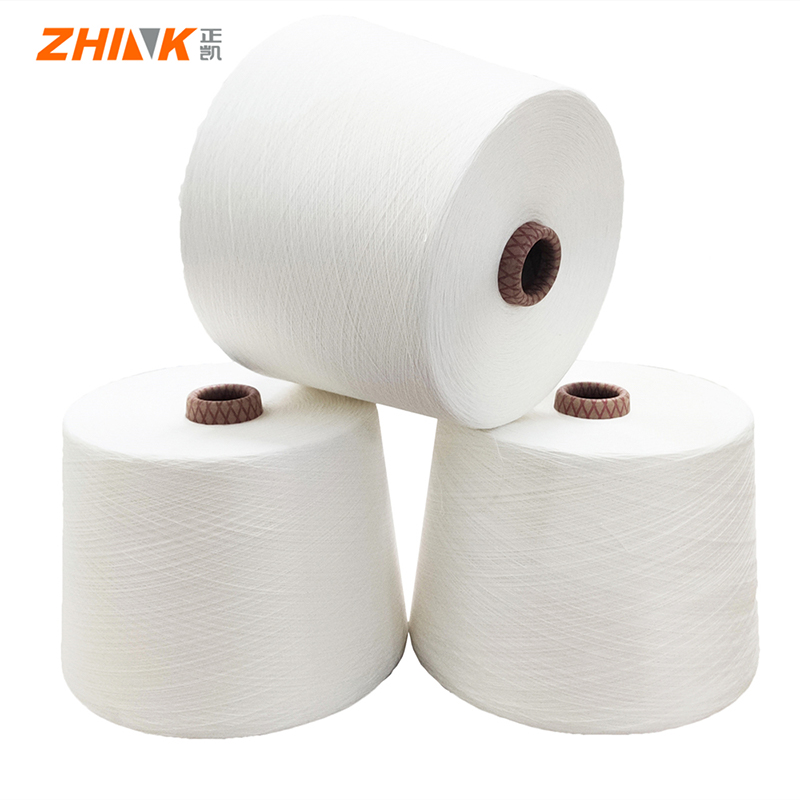
High sun resistant navy blue polyester fiber
Understanding High Sun Resistant Navy Blue Polyester Fiber
High sun resistant navy blue polyester fiber might sound like a mouthful, but it's something that's becoming more prevalent in textile discussions—particularly for those who care about durability and aesthetics. As the sun is an unforgiving force, knowing how fibers stand up to it is crucial.
The Importance of Sun Resistance
Exposure to sunlight can wreak havoc on fibers, leading to fading and degradation. This is where high sun resistant materials shine, quite literally. Working with polyester, known for its robustness, is often the go-to for manufacturing outdoor fabrics. Yet, it’s the added UV resistance that elevates the material.
A few years back, I worked closely with a manufacturer employing navy blue polyester. Initially skeptical—fading was an issue we frequently faced. However, integrating UV-resistant technology transformed performance. The color retention was remarkable, certainly a game-changer.
Understanding this technology requires delving a bit into how these fibers are treated. The polymers in polyester are altered or coated to reflect or absorb UV rays, preventing the damage that can lead to color bleeding or fiber breakdown.
Practical Applications
Consider outdoor furniture or marine applications. These are places where navy blue polyester fiber makes a significant difference. Many clients, particularly in coastal areas, demand textiles that withstand intense sun exposure without sacrificing color integrity.
One case with SHANDONG ZHINK NEW MATERIAL CO., LTD comes to mind—they produce top-tier sun-resistant textiles and have made strides in R&D. Their expertise in developing these materials ensures that products not only meet industry standards but exceed expectations regularly.
For those choosing materials for awnings or outdoor apparel, understanding fabric specifications becomes crucial. It's not just about color preference, but about how those fabrics hold up over time. A material that retains its quality reduces the need for frequent replacements, saving both money and resources.
Challenges in Development
Developing high sun resistant fibers isn't without its hurdles. During my tenure in R&D, the balance between enhancing UV protection and maintaining fabric softness was tricky. There’s often a trade-off between increased resistance and the tactile quality of a fabric. Customers want both toughness and comfort.
I've seen trials where treatment processes inadvertently stiffened the fiber, leading to uncomfortable fabric. Adjustments in the treatment formula or method were necessary—a real lesson in the nuances of textile chemistry.
Collaboration with chemical engineers or material scientists at this juncture is invaluable. Their insights warranted exploring different chemical agents that offered protection without altering fiber pliability—an essential aspect for consumer satisfaction.
Environmental Considerations
There's also the growing need to focus on eco-friendly practices. While enhancing polyester for sun resistance, producers like SHANDONG ZHINK NEW MATERIAL CO., LTD, available at their website, are conscious of environmental impacts. Sustainable approaches in manufacturing are becoming part of their core values.
Innovations such as recycling polyester or using eco-friendly dyes align with the global push for greener practices. The industry is recognizing the potential of combining longevity with sustainability.
Such developments not only benefit the planet but also attract customers who prioritize environmental responsibility. It's a cycle of improvement that supports both industry needs and ecological goals.
Conclusion
High sun resistant navy blue polyester fiber represents a critical advancement in textiles. Whether for aesthetic persistence or material longevity, its importance in applicable industries cannot be overstated. Experiences with leading firms like SHANDONG ZHINK NEW MATERIAL CO., LTD underline the advancements in this field.
The journey of refining and understanding this fiber continues as technology and awareness around durable materials evolve. For anyone involved in textiles, staying informed is key to meeting and exceeding future demands.
As with any developing technology, the interplay between innovation and application remains both a challenge and an opportunity in the textile industry.
Related Products
Related Products