+86-632-3621866
- Chinese
- French
- German
- Portuguese
- Spanish
- Russian
- Japanese
- Korean
- Arabic
- Irish
- Greek
- Turkish
- Italian
- Danish
- Romanian
- Indonesian
- Czech
- Afrikaans
- Swedish
- Polish
- Basque
- Catalan
- Esperanto
- Hindi
- Lao
- Albanian
- Amharic
- Armenian
- Azerbaijani
- Belarusian
- Bengali
- Bosnian
- Bulgarian
- Cebuano
- Chichewa
- Corsican
- Croatian
- Dutch
- Estonian
- Filipino
- Finnish
- Frisian
- Galician
- Georgian
- Gujarati
- Haitian
- Hausa
- Hawaiian
- Hebrew
- Hmong
- Hungarian
- Icelandic
- Igbo
- Javanese
- Kannada
- Kazakh
- Khmer
- Kurdish
- Kyrgyz
- Latin
- Latvian
- Lithuanian
- Luxembou..
- Macedonian
- Malagasy
- Malay
- Malayalam
- Maltese
- Maori
- Marathi
- Mongolian
- Burmese
- Nepali
- Norwegian
- Pashto
- Persian
- Punjabi
- Serbian
- Sesotho
- Sinhala
- Slovak
- Slovenian
- Somali
- Samoan
- Scots Gaelic
- Shona
- Sindhi
- Sundanese
- Swahili
- Tajik
- Tamil
- Telugu
- Thai
- Ukrainian
- Urdu
- Uzbek
- Vietnamese
- Welsh
- Xhosa
- Yiddish
- Yoruba
- Zulu
- Kinyarwanda
- Tatar
- Oriya
- Turkmen
- Uyghur



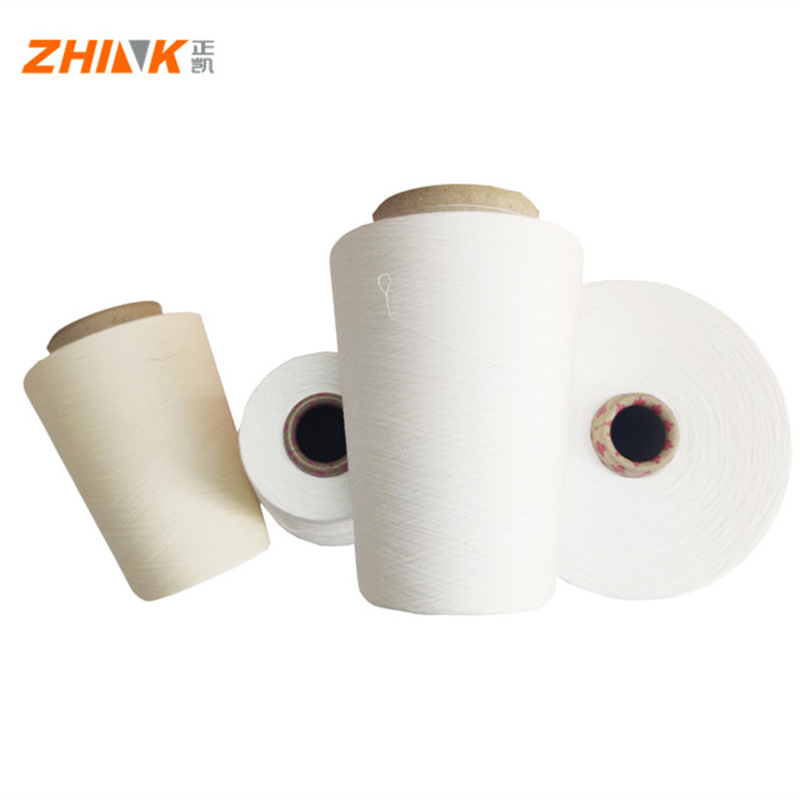
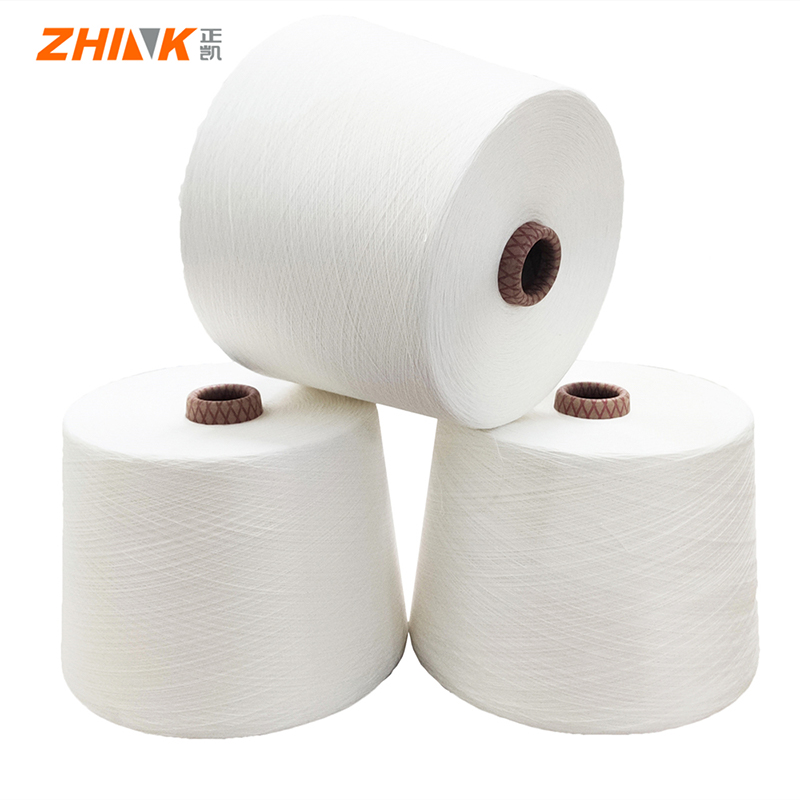
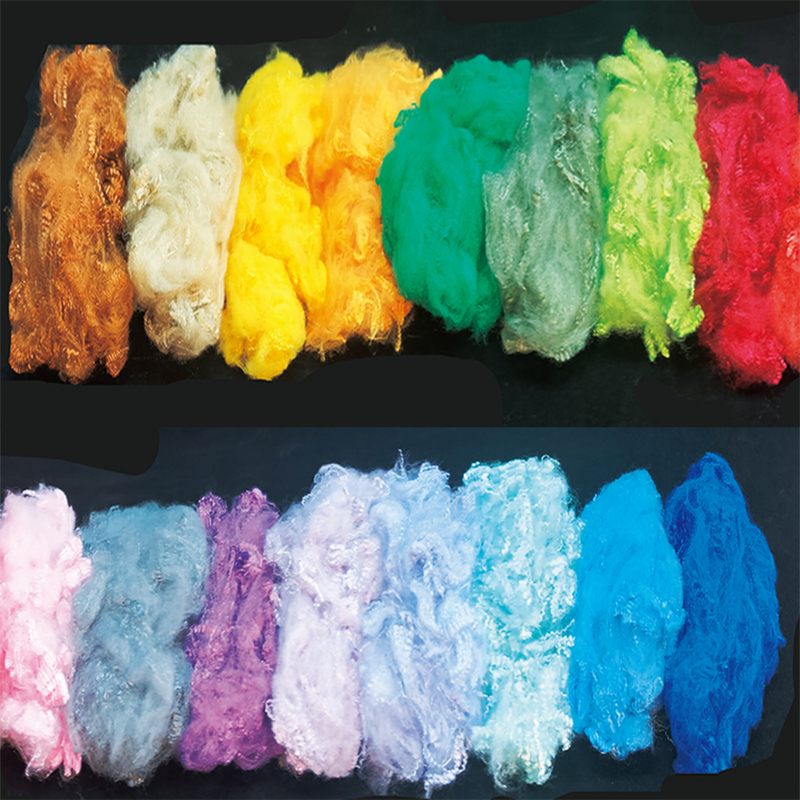
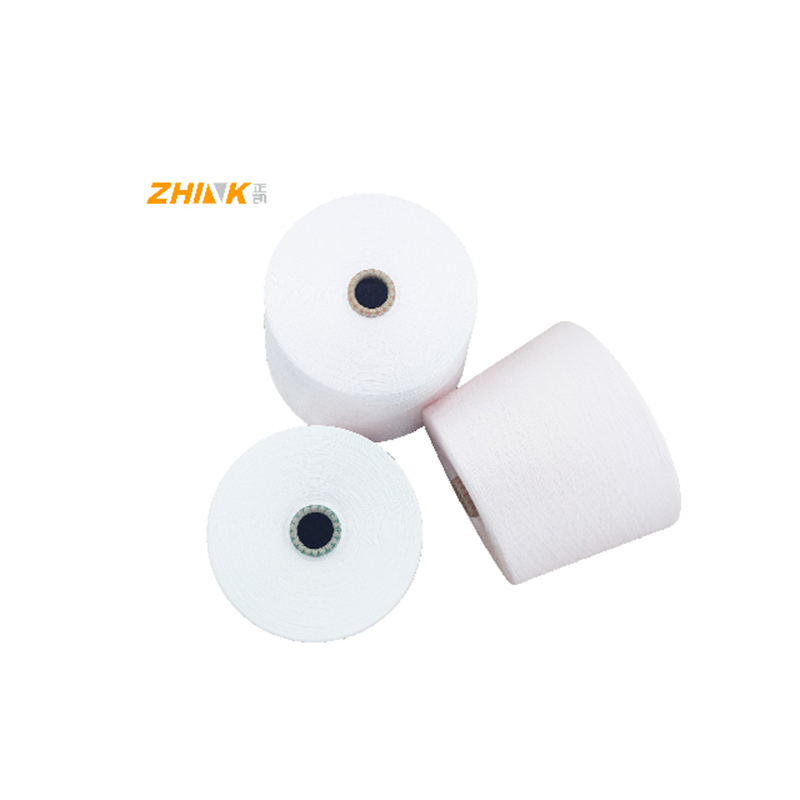
High sun resistant violet polyester fiber
The Unyielding Potential of High Sun Resistant Violet Polyester Fiber
When it comes to textile innovation, the advent of high sun resistant violet polyester fiber is intriguing. Known for its exceptional durability and resistance to UV rays, it's revolutionizing outdoor textiles. But what exactly sets it apart, and why should industry insiders care?
Understanding the Basics
First off, this isn’t just about any polyester. We're talking about a fiber that holds its color and strength under the harshest sunlight. Traditional materials often fade or weaken, but here, that battle against the sun has a new ally. It's not just the resistive feature that impresses, but how it's achieved.
The processing involves advanced technologies, where precision in dyeing plays a vital role. Now, companies like SHANDONG ZHINK NEW MATERIAL CO., LTD are leading this charge with their innovative approaches. Their focus on integrating this fiber into various applications is noteworthy.
Their website https://www.zhinkyarn.com offers insights into their methodologies, which include strategies that ensure durability and sustainability. It's a blend of science and art, transforming something as mundane as yarn into a high-tech product.
Applications and Implications
Perhaps the immediate thought is outdoor furniture—those cushions that sit in the sun all summer. However, the scope is wider. Think automotive interiors or even sports gear. These fibers ensure longevity without compromising on aesthetics.
What I've seen in the industry is a sort of hesitation, a reluctance sometimes to shift from traditional to modern. But ignoring high sun resistant violet polyester fiber means missing out on potential cost savings and customer satisfaction in the long run. This isn't just speculation; several case studies indicate reduced wear and tear, saving on replacements.
From my own observations, clients often report back with positive feedback about longevity and appearance retention. In practicality, the upfront cost often balances out due to these benefits. This forms a compelling argument for brands to reconsider their material choices.
Challenges and Misconceptions
No discussion is complete without addressing the stumbling blocks. There's a misconception that all polyester is created equal. This is far from reality. When evaluating material suppliers, ensure they provide the UV stability data specific to their fibers.
Issues can arise when manufacturers claim sun resistance as just a marketing gimmick. Substandard products eventually falter, leading to dissatisfaction. Therefore, verifying the claims through reputable sources, like Zhink New Material, is crucial.
Another challenge is adaptability. Designers often struggle to integrate new fibers into existing workflows. Sharing success stories and practical guides can ease this transition, allowing innovation to thrive.
Future Trends and Developments
The potential doesn't stop here. I envision integration with smart textiles, creating environments that respond and adapt to sunlight dynamically. This would propel the fiber beyond static use, opening doors to futuristic applications.
Additionally, environmental considerations drive the next wave of development. Companies will need to focus on sustainability from production through disposal. This aligns with global demand for greener solutions, a field in which Zhink New Material seems to be making strides.
As innovations continue, bridging technology with textiles is increasingly relevant. Encouraging ongoing research and development is essential to remain competitive and progressive in the market.
Conclusion
In summary, the high sun resistant violet polyester fiber represents more than just a new material—it signifies a shift in how industries can approach product longevity and sustainability. Through the innovative efforts of companies like SHANDONG ZHINK NEW MATERIAL CO., LTD, we're witnessing a material transformation that could redefine industry standards.
Investing in such materials could well be the difference between thriving and merely surviving. After all, in the world of textiles, adaptability and foresight often dictate success.
Related Products
Related Products