+86-632-3621866
- Chinese
- French
- German
- Portuguese
- Spanish
- Russian
- Japanese
- Korean
- Arabic
- Irish
- Greek
- Turkish
- Italian
- Danish
- Romanian
- Indonesian
- Czech
- Afrikaans
- Swedish
- Polish
- Basque
- Catalan
- Esperanto
- Hindi
- Lao
- Albanian
- Amharic
- Armenian
- Azerbaijani
- Belarusian
- Bengali
- Bosnian
- Bulgarian
- Cebuano
- Chichewa
- Corsican
- Croatian
- Dutch
- Estonian
- Filipino
- Finnish
- Frisian
- Galician
- Georgian
- Gujarati
- Haitian
- Hausa
- Hawaiian
- Hebrew
- Hmong
- Hungarian
- Icelandic
- Igbo
- Javanese
- Kannada
- Kazakh
- Khmer
- Kurdish
- Kyrgyz
- Latin
- Latvian
- Lithuanian
- Luxembou..
- Macedonian
- Malagasy
- Malay
- Malayalam
- Maltese
- Maori
- Marathi
- Mongolian
- Burmese
- Nepali
- Norwegian
- Pashto
- Persian
- Punjabi
- Serbian
- Sesotho
- Sinhala
- Slovak
- Slovenian
- Somali
- Samoan
- Scots Gaelic
- Shona
- Sindhi
- Sundanese
- Swahili
- Tajik
- Tamil
- Telugu
- Thai
- Ukrainian
- Urdu
- Uzbek
- Vietnamese
- Welsh
- Xhosa
- Yiddish
- Yoruba
- Zulu
- Kinyarwanda
- Tatar
- Oriya
- Turkmen
- Uyghur


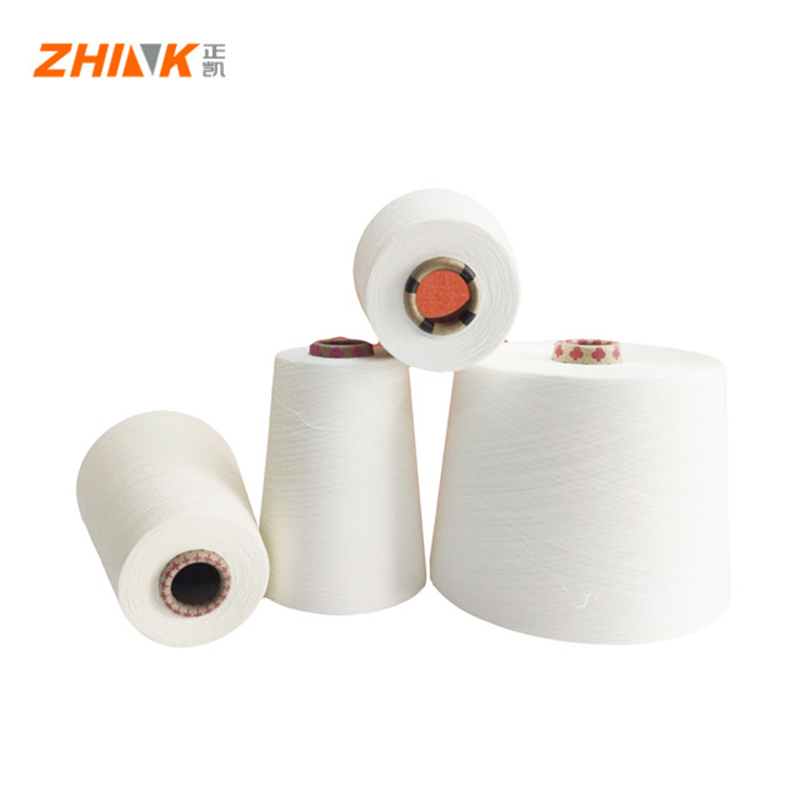
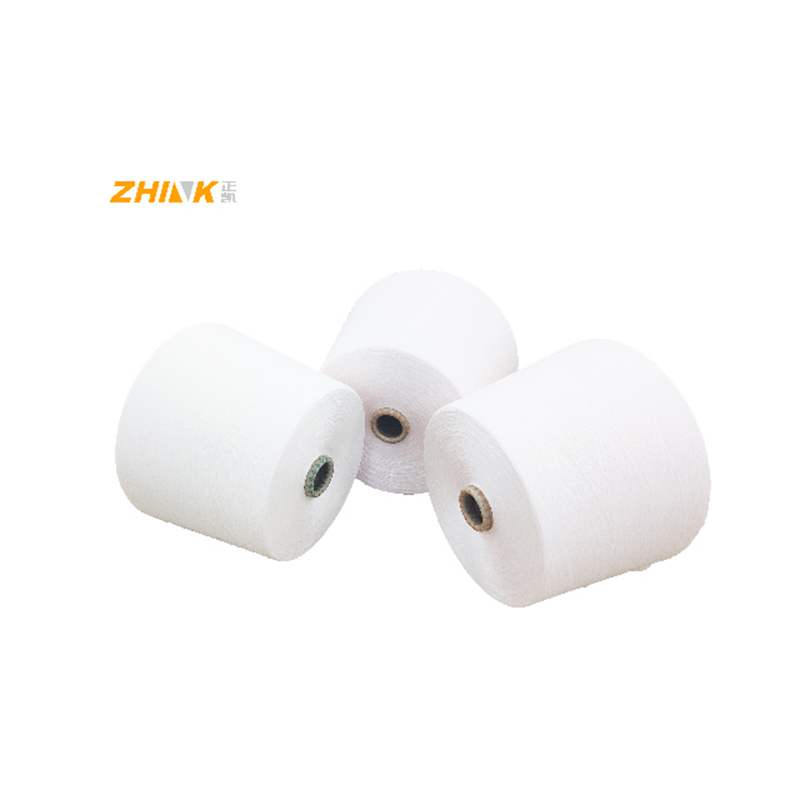
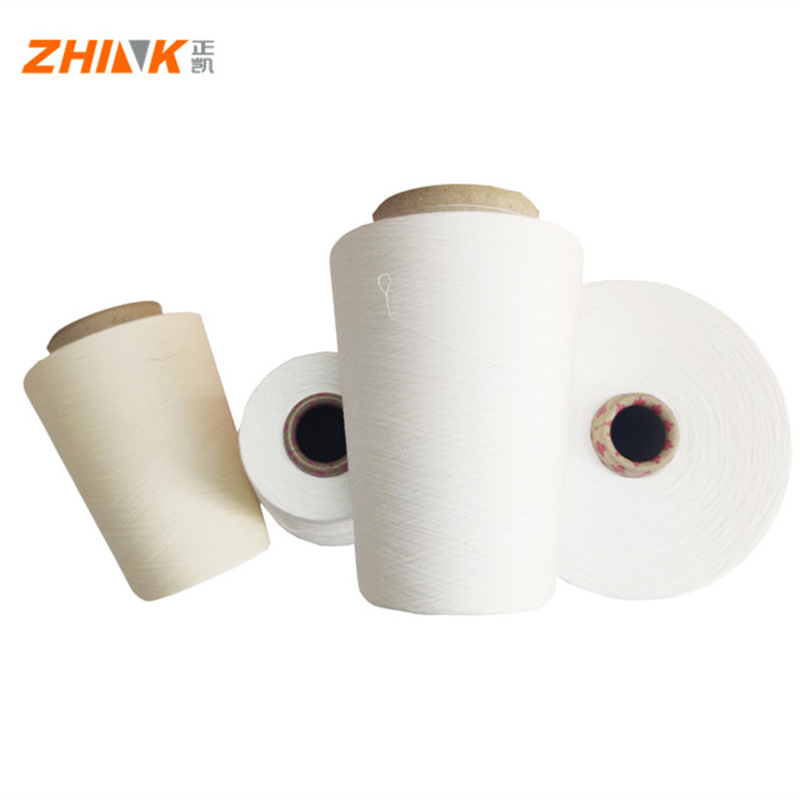
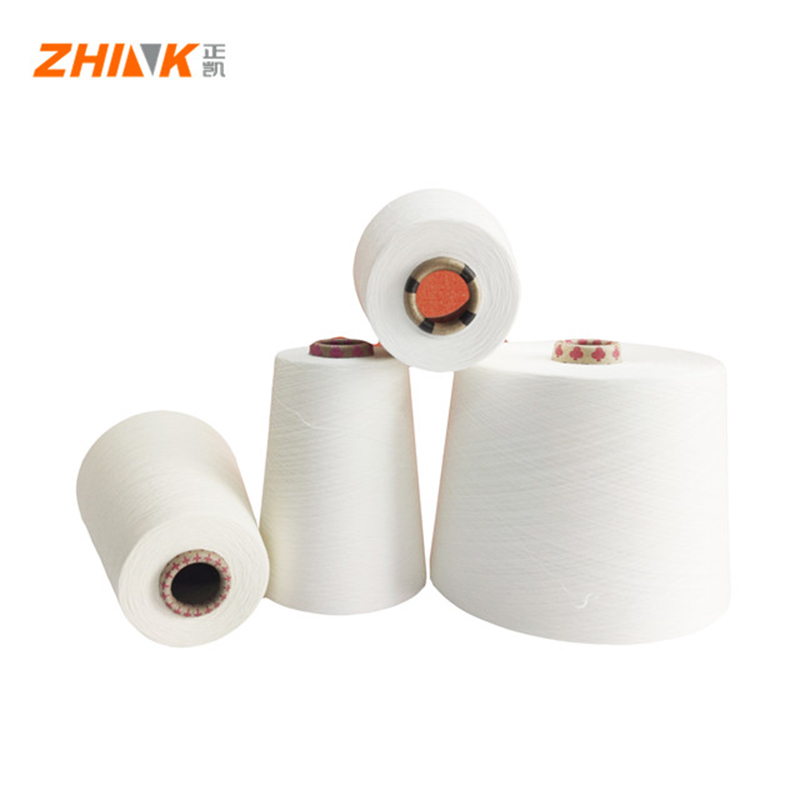
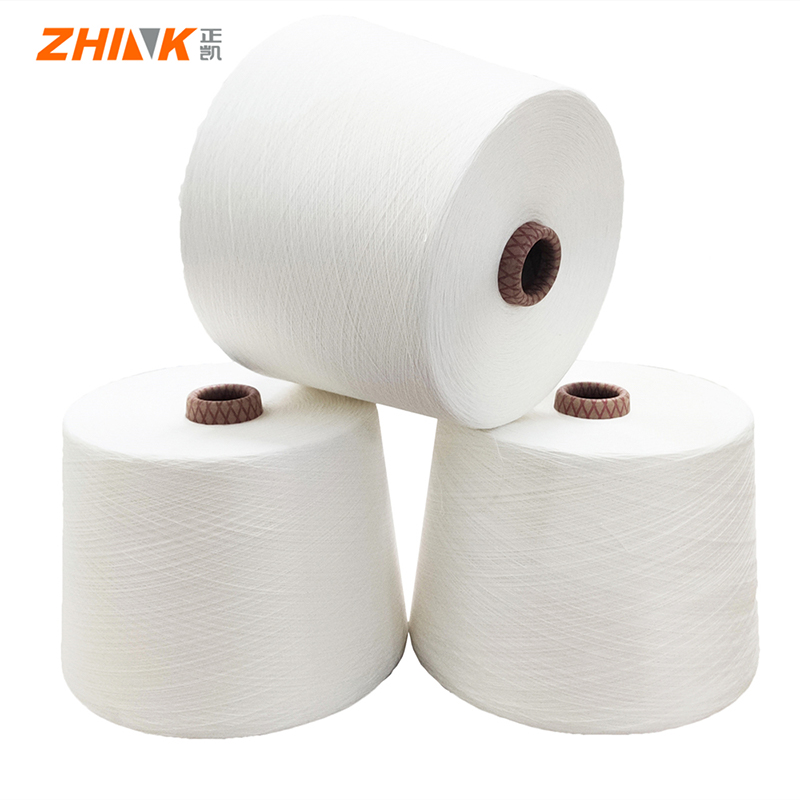
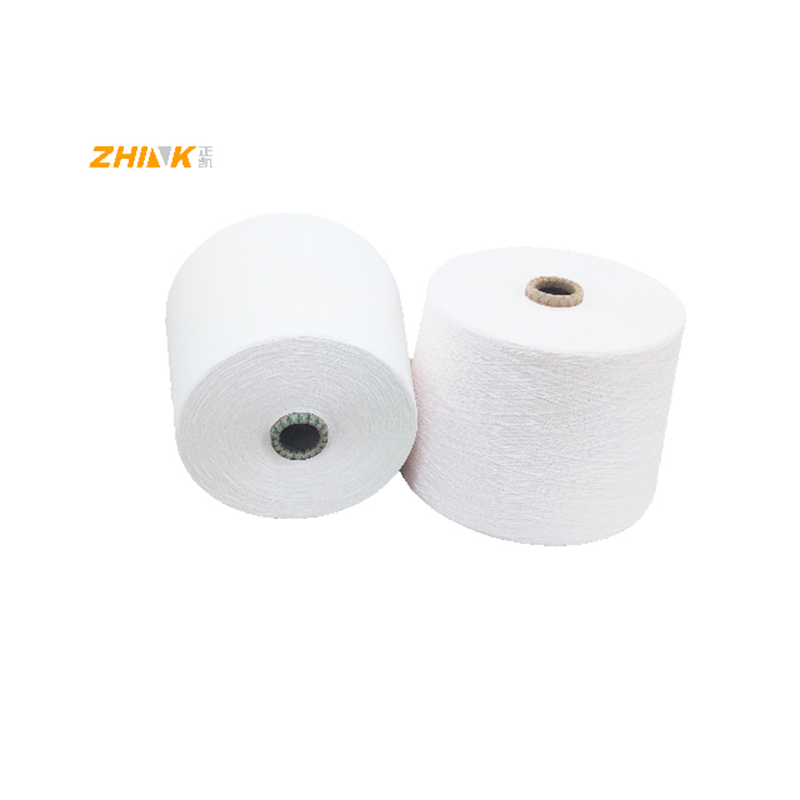
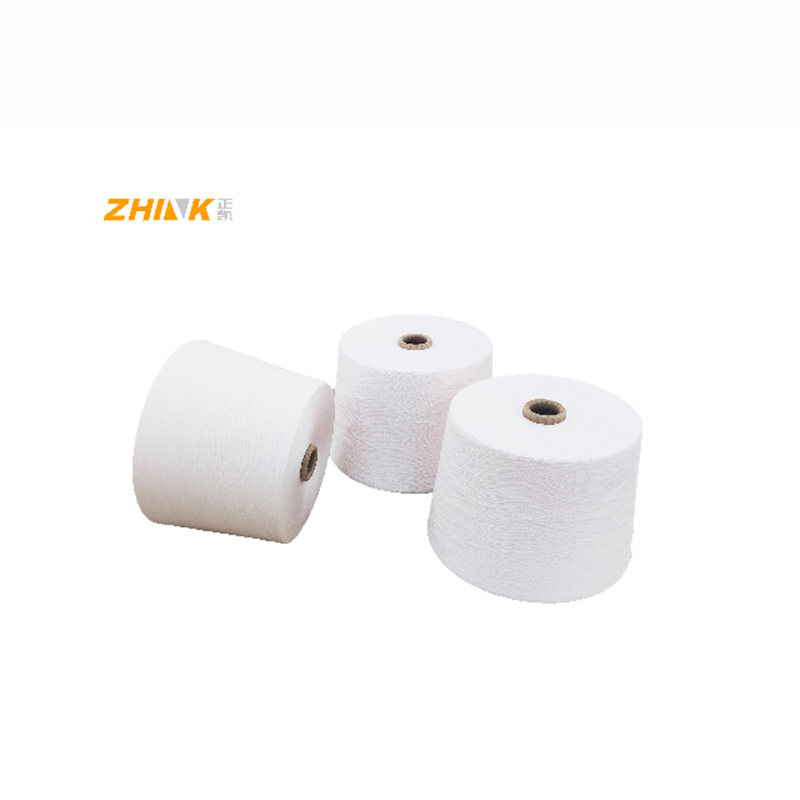
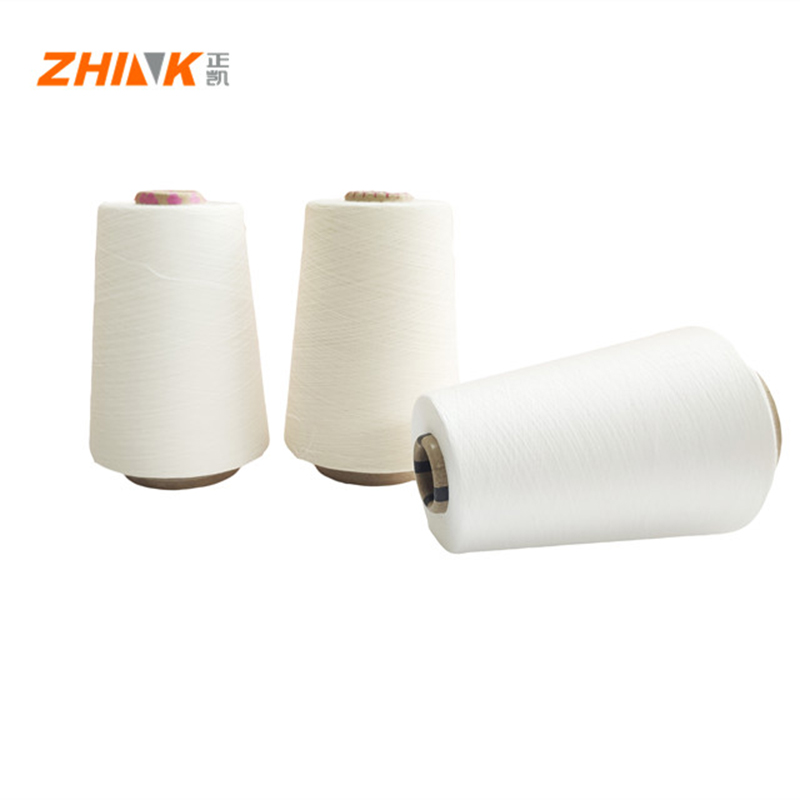
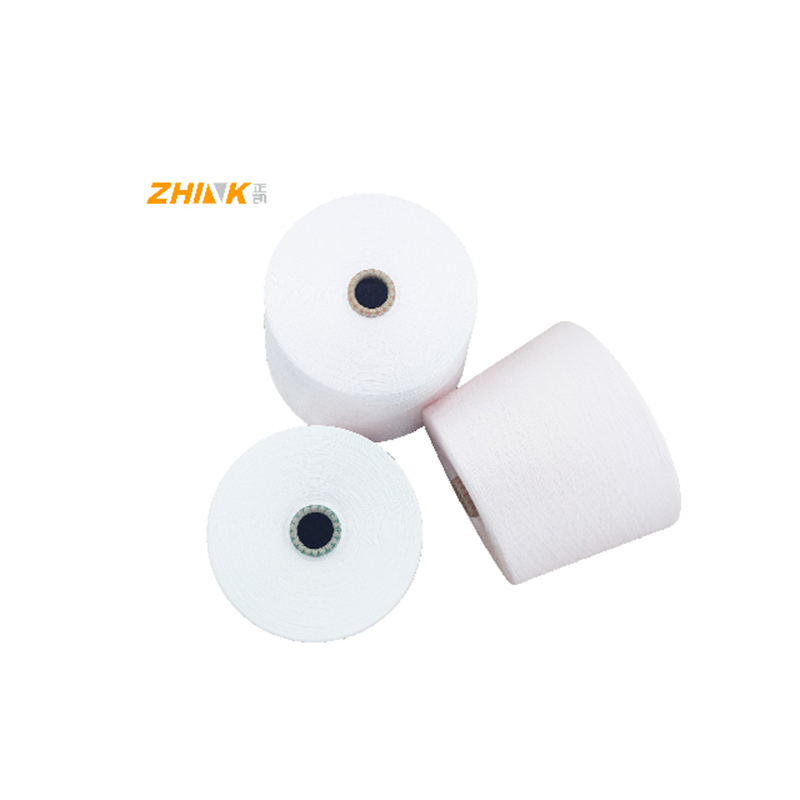
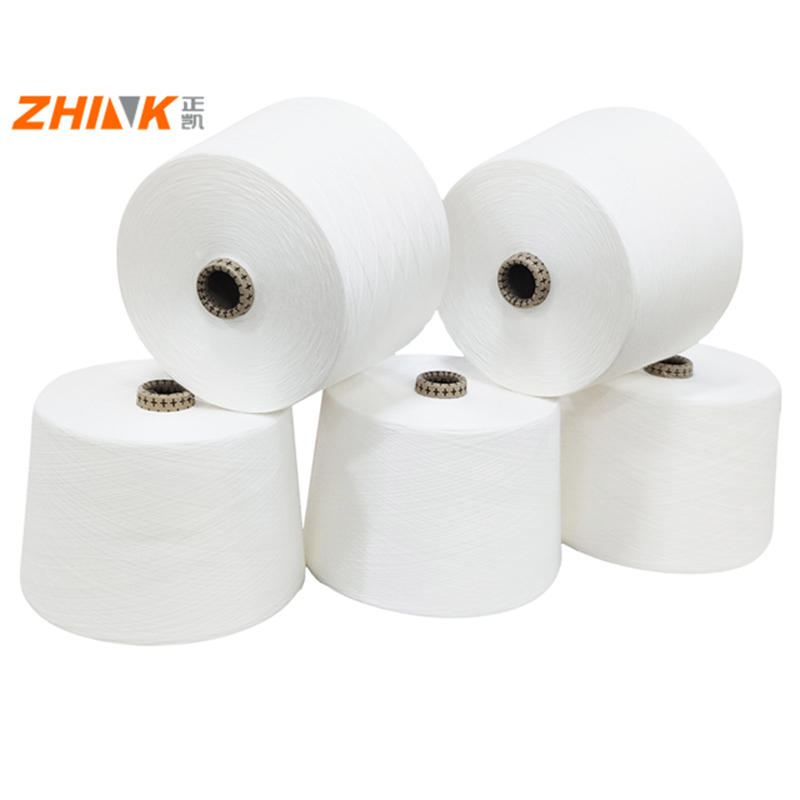
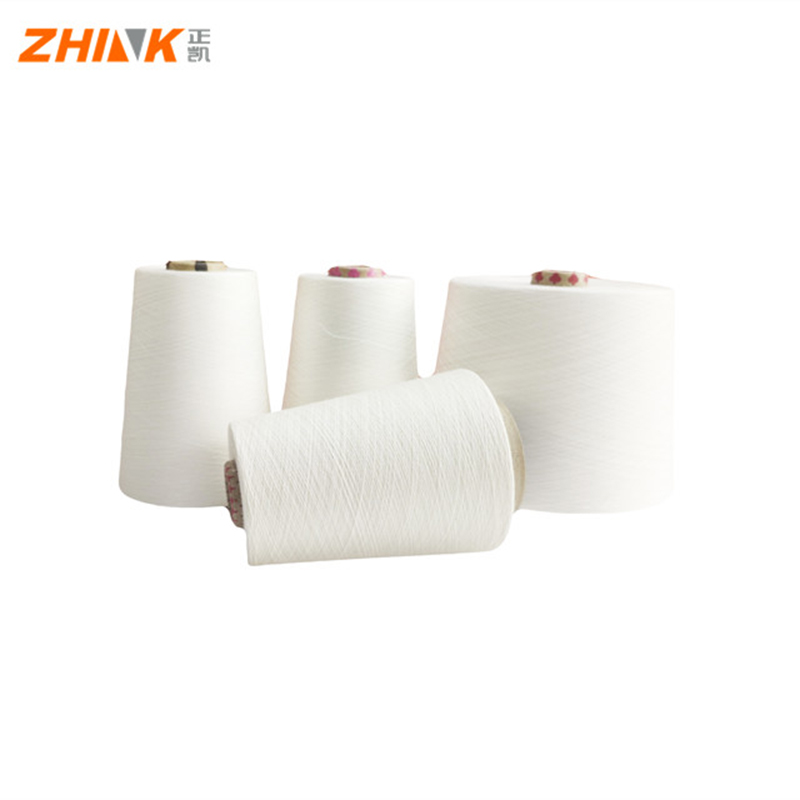
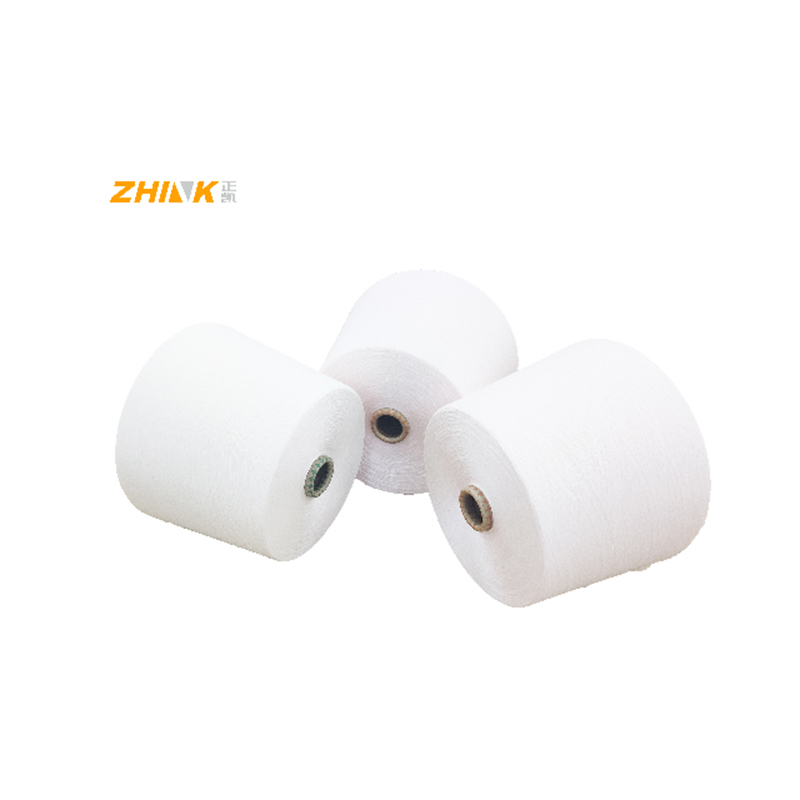
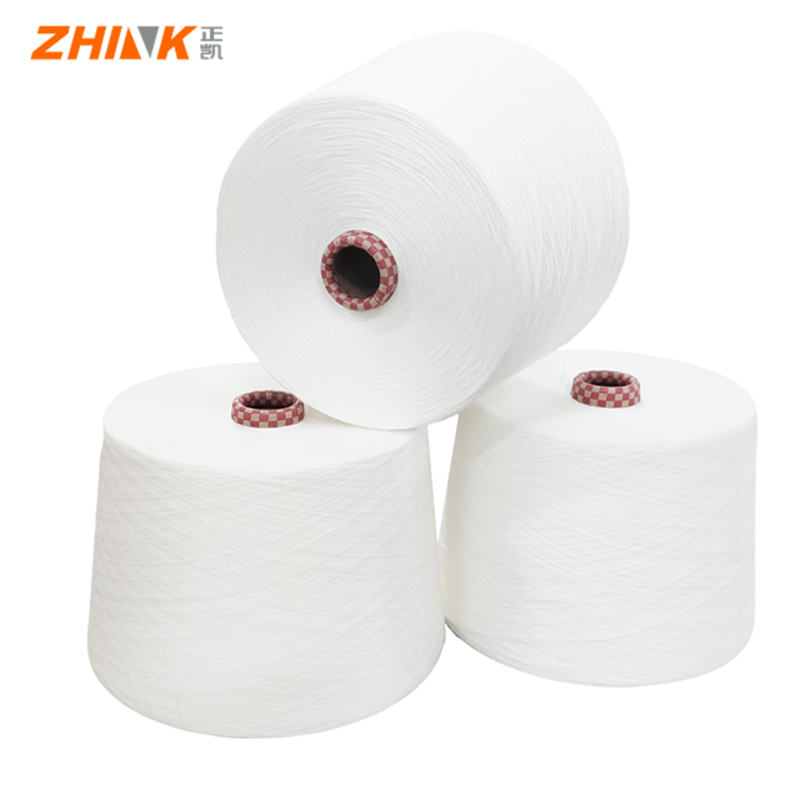
High temperature Cationic polyester yarn
Exploring the Potential of High Temperature Cationic Polyester Yarn
High Temperature Cationic Polyester Yarn represents the cutting edge in textile innovation, promising high performance across diverse applications. Despite its technical complexity, common misconceptions still surround its properties, handling, and environmental impact. This article delves into the practicality, challenges, and breakthroughs in utilizing this advanced material within the textile industry.
Understanding the Basics
When we talk about High Temperature Cationic Polyester Yarn, we’re referring to a specialized yarn known for its exceptional heat resistance and dyeing capabilities. It's not as straightforward as it sounds—most buyers initially assume it's simply a variant of standard polyester. The reality is far more nuanced, involving chemical modifications that enhance its properties.
These chemical tweaks enable the yarn to withstand temperatures that would typically break down regular polyesters. This feature is particularly beneficial in industries demanding high durability. But, I’ve seen cases where inadequate processing knowledge led to yarn degradation, highlighting the necessity for informed handling.
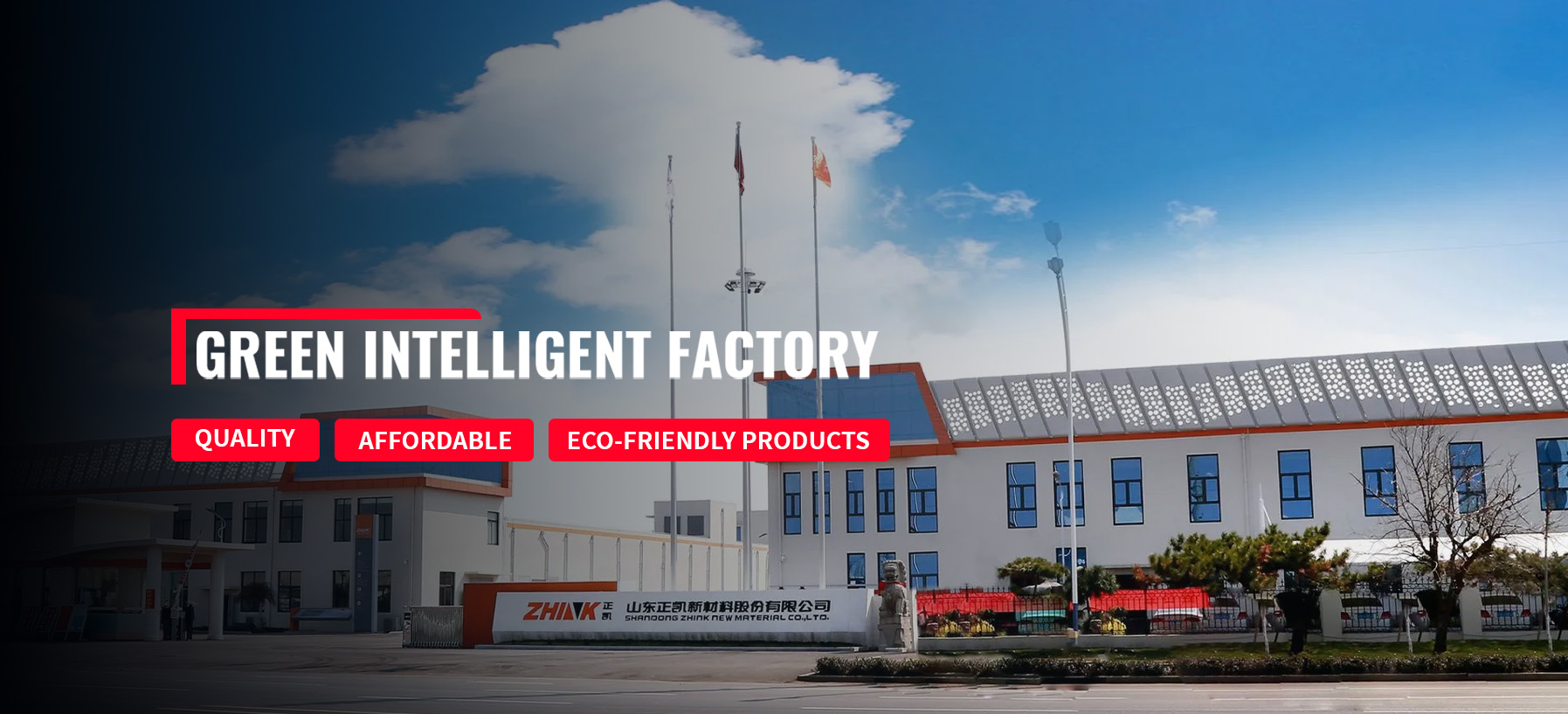
On their website, SHANDONG ZHINK NEW MATERIAL CO., LTD provides valuable insights and documentation regarding the specifics of processing these yarns. Manufacturers like Zhink New Material pioneer these advancements, ensuring the textile sector has access to robust materials that meet rigorous industry standards.
Application in Industry
I’ve worked with various manufacturers who have incorporated this yarn into products meant for extreme conditions—think automotive interiors and industrial fabrics. One notable case involved a supplier attempting to replace traditional materials with Cationic Polyester Yarn, anticipating greater product longevity.
A fascinating aspect is its cationic dyeing property, which allows for vibrant and deep coloration without exhausting the environment with multiple dye cycles. However, I've observed that without proper calibration of dyeing machinery, the results can be inconsistent, affecting batch quality.
For companies such as SHANDONG ZHINK NEW MATERIAL CO., LTD, which specialize in textile R&D and production, maintaining stringent quality control is crucial. They continue to develop solutions that not only enhance performance but also align with environmental sustainability.
Challenges Faced
The primary challenge within the market isn't always product-related—it's often about perception and adoption. Many traditional manufacturers hesitate to switch to these innovative materials due to high initial costs and integration complexities. Still, the long-term benefits often outweigh these hurdles if navigated correctly.
For instance, during a project, we faced supply chain delays due to fluctuating raw material availability. It became crucial to have strategic partnerships with reliable suppliers, like those fostered by Zhink New Material, to ensure consistency and reliability.
Additionally, the transition often requires technical training for staff, a factor sometimes overlooked. Proper education can mitigate the risk of poor product integration and maximize the yarn's potential.
Quality and Sustainability
A key point of discussion about these yarns is their environmental impact, notably their recyclability. High Temperature Cationic Polyester Yarns are engineered to fit within sustainable practices, albeit with some caveats. Recycling facilities need to adapt to the unique properties of these yarns to avoid contamination or material loss.
To address these concerns, Zhink New Material is actively involved in developing recycling protocols that ensure minimal waste and maximum reuse. This initiative is vital for aligning the textile industry with global sustainability goals.
Moreover, the advances in polymer science at Zhink New Material are setting new precedents. By continuously refining processes, they reduce resource consumption while maintaining robust textile properties.
Conclusion
The journey with High Temperature Cationic Polyester Yarn is one of ongoing learning and adaptation. While challenges persist, the growing adoption of these materials signifies a shift towards more resilient and environmentally conscious textile production.
Encouraging broader familiarity and usage through education and demonstrable success stories, companies like SHANDONG ZHINK NEW MATERIAL CO., LTD play a crucial role in championing this transition. For those in the industry, staying informed and adaptable is key to fully realizing the benefits of these advanced materials.
Visit ZHINK New Material for more insights into innovative textile solutions.
Related Products
Related Products