+86-632-3621866
- Chinese
- French
- German
- Portuguese
- Spanish
- Russian
- Japanese
- Korean
- Arabic
- Irish
- Greek
- Turkish
- Italian
- Danish
- Romanian
- Indonesian
- Czech
- Afrikaans
- Swedish
- Polish
- Basque
- Catalan
- Esperanto
- Hindi
- Lao
- Albanian
- Amharic
- Armenian
- Azerbaijani
- Belarusian
- Bengali
- Bosnian
- Bulgarian
- Cebuano
- Chichewa
- Corsican
- Croatian
- Dutch
- Estonian
- Filipino
- Finnish
- Frisian
- Galician
- Georgian
- Gujarati
- Haitian
- Hausa
- Hawaiian
- Hebrew
- Hmong
- Hungarian
- Icelandic
- Igbo
- Javanese
- Kannada
- Kazakh
- Khmer
- Kurdish
- Kyrgyz
- Latin
- Latvian
- Lithuanian
- Luxembou..
- Macedonian
- Malagasy
- Malay
- Malayalam
- Maltese
- Maori
- Marathi
- Mongolian
- Burmese
- Nepali
- Norwegian
- Pashto
- Persian
- Punjabi
- Serbian
- Sesotho
- Sinhala
- Slovak
- Slovenian
- Somali
- Samoan
- Scots Gaelic
- Shona
- Sindhi
- Sundanese
- Swahili
- Tajik
- Tamil
- Telugu
- Thai
- Ukrainian
- Urdu
- Uzbek
- Vietnamese
- Welsh
- Xhosa
- Yiddish
- Yoruba
- Zulu
- Kinyarwanda
- Tatar
- Oriya
- Turkmen
- Uyghur



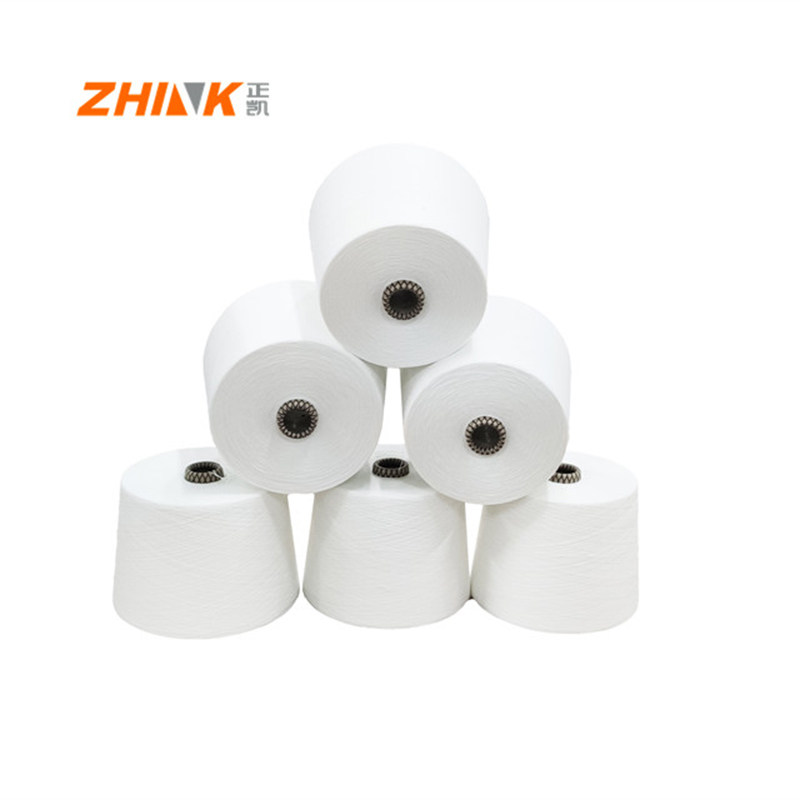
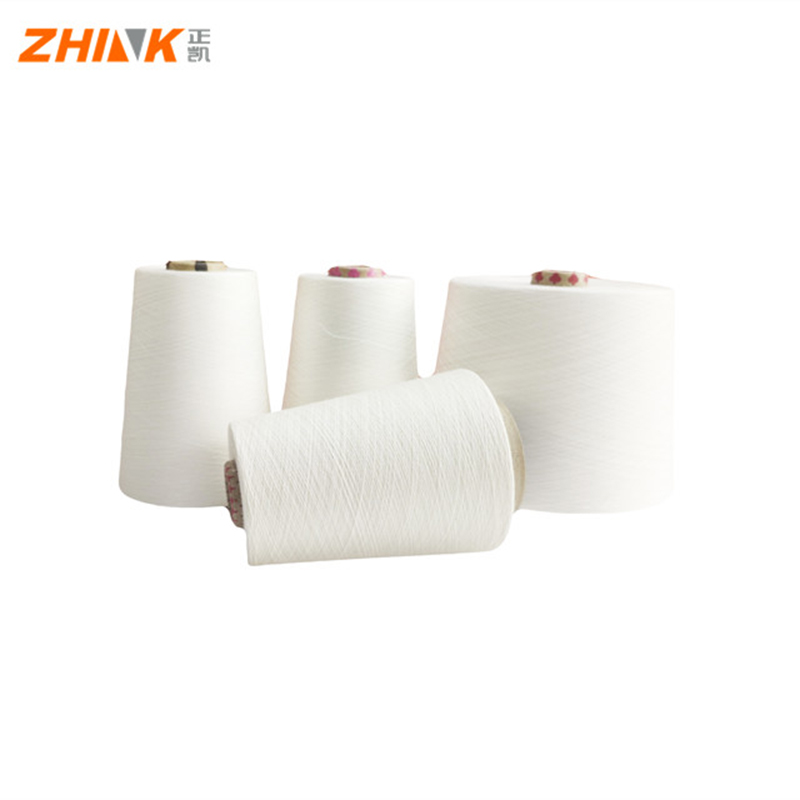
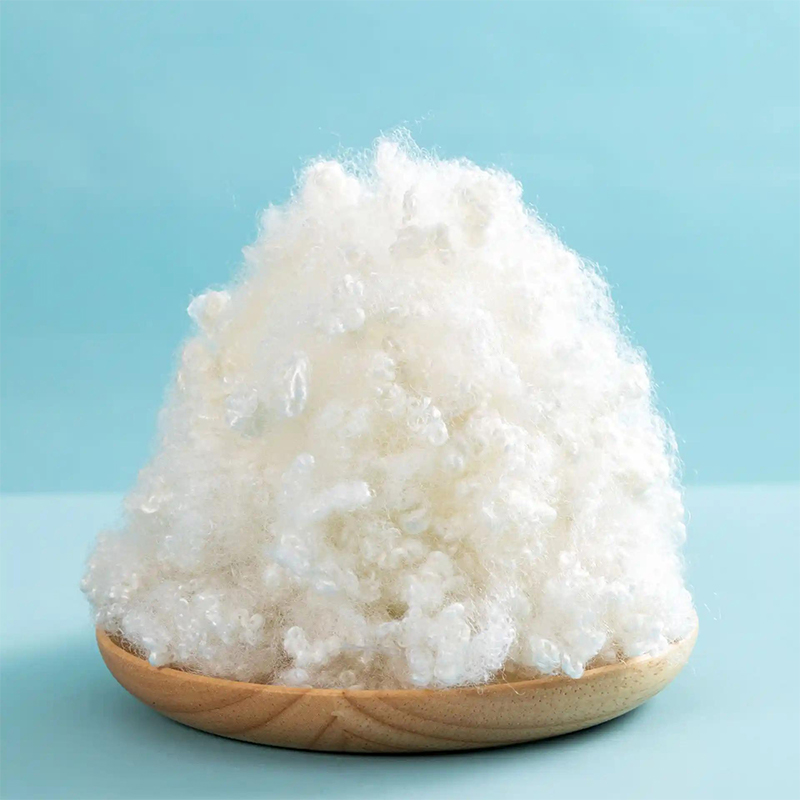
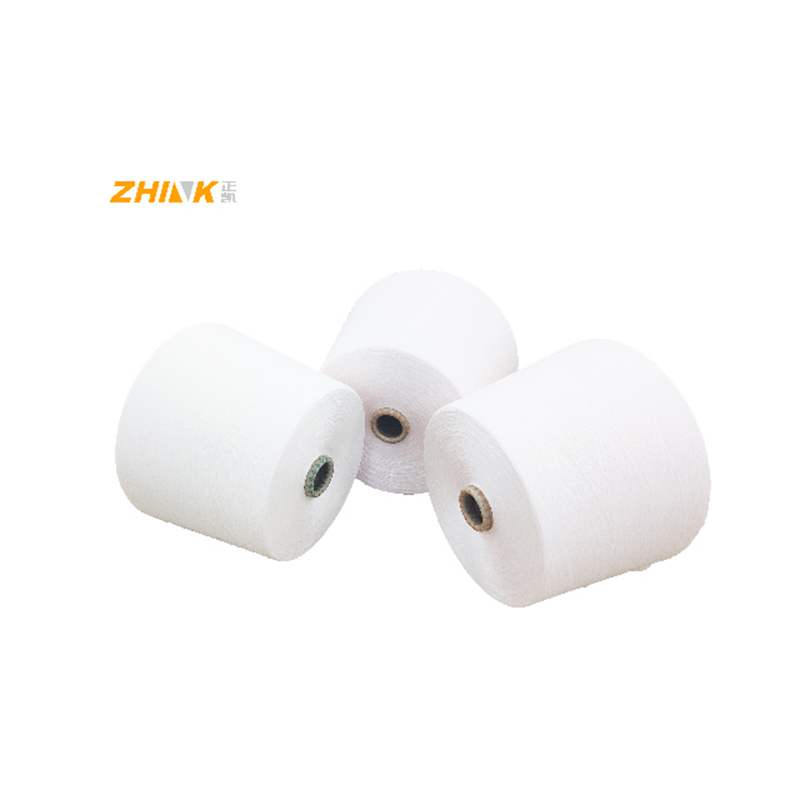
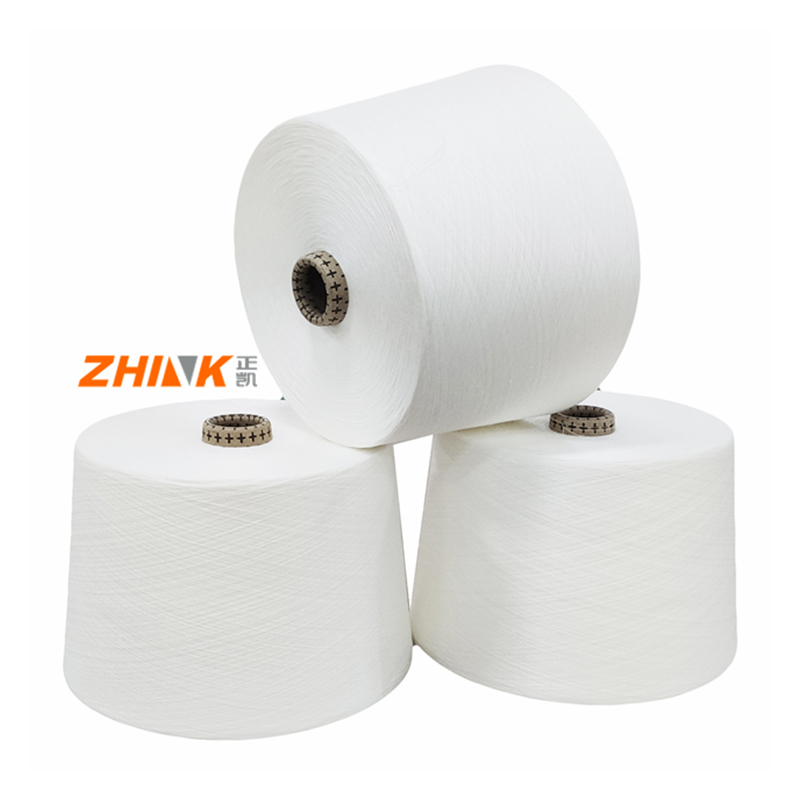
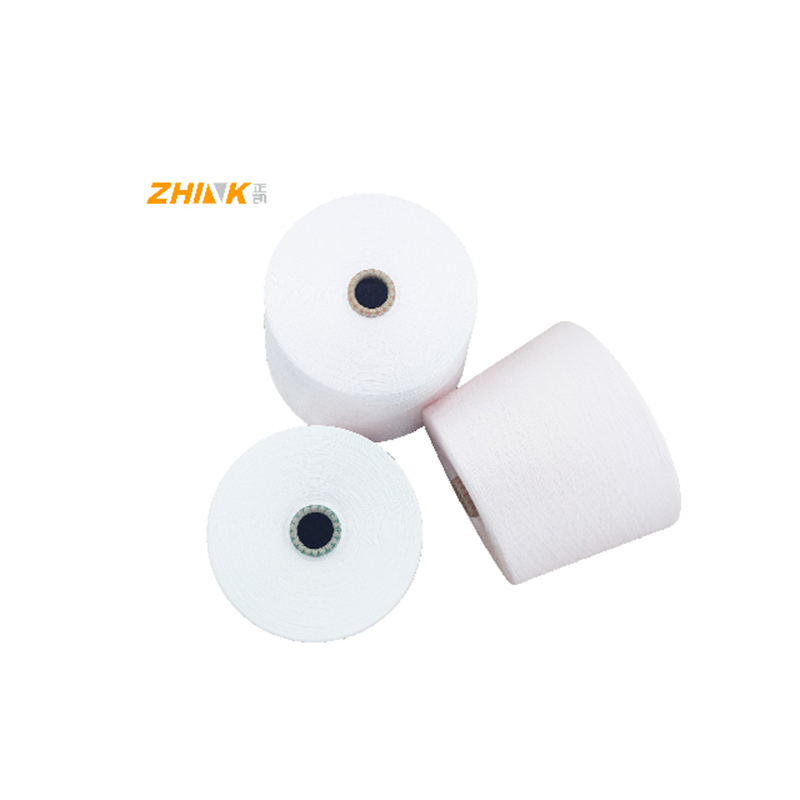
Hollow polyester fiber yarn
The Versatility of Hollow Polyester Fiber Yarn
In the realm of innovative textiles, hollow polyester fiber yarn emerges as a groundbreaking material. Known for its lightweight nature and insulating properties, it's a solution sought by industries ranging from fashion to technical textiles. But, let's dive deeper into what makes this yarn truly special and the practical realities of working with it.
Understanding Hollow Polyester Fiber Yarn
At its core, the uniqueness of hollow polyester fiber yarn stems from its structure. The hollow nature of the fibers allows for air trapping, which provides excellent insulation. It’s not just about warmth, though. The reduced weight compared to solid fibers makes it a preferable choice for many applications.
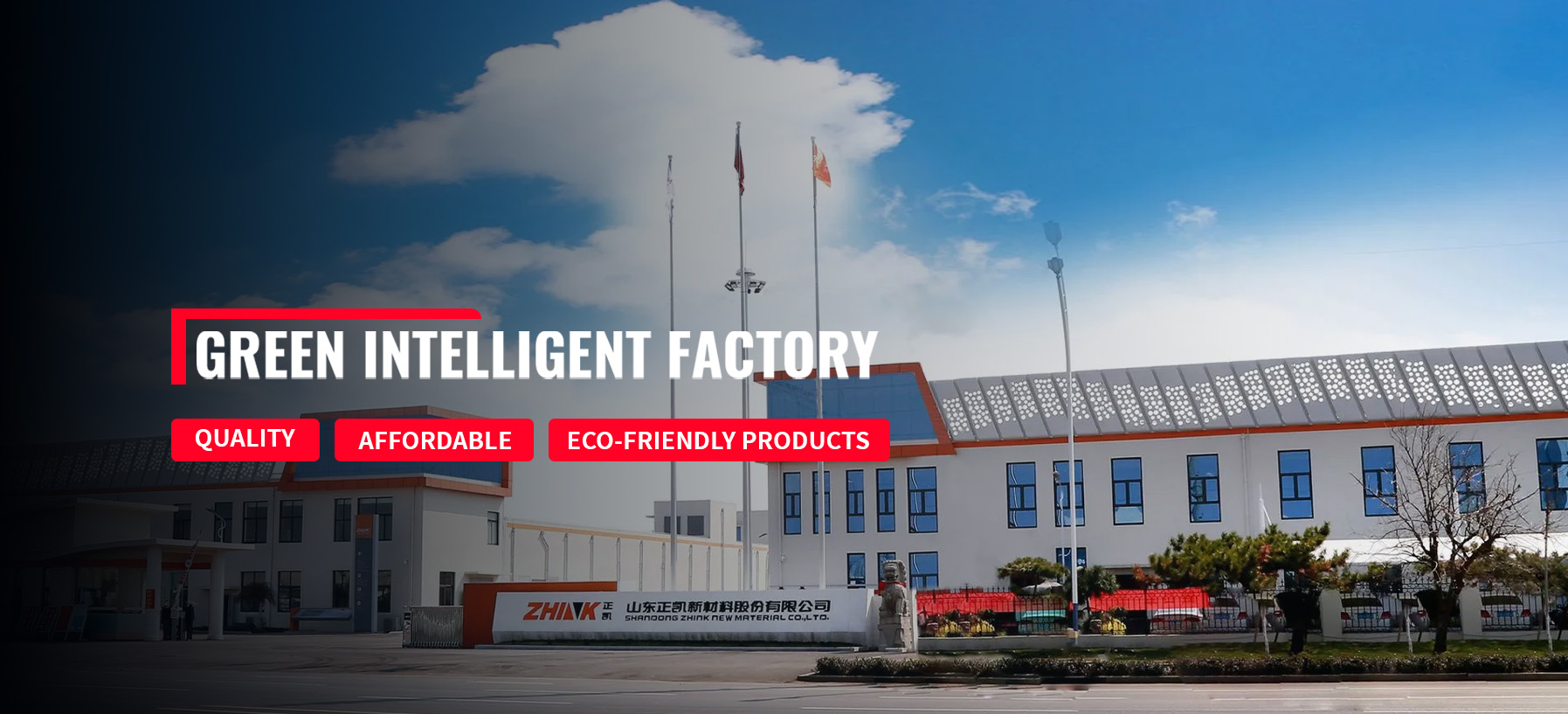
I recall the first time I encountered this material. It was during a visit to SHANDONG ZHINK NEW MATERIAL CO., LTD, a company renowned for its cutting-edge innovations in textile materials. Their website, zhinkyarn.com, showcases an array of products that leverage these unique properties.
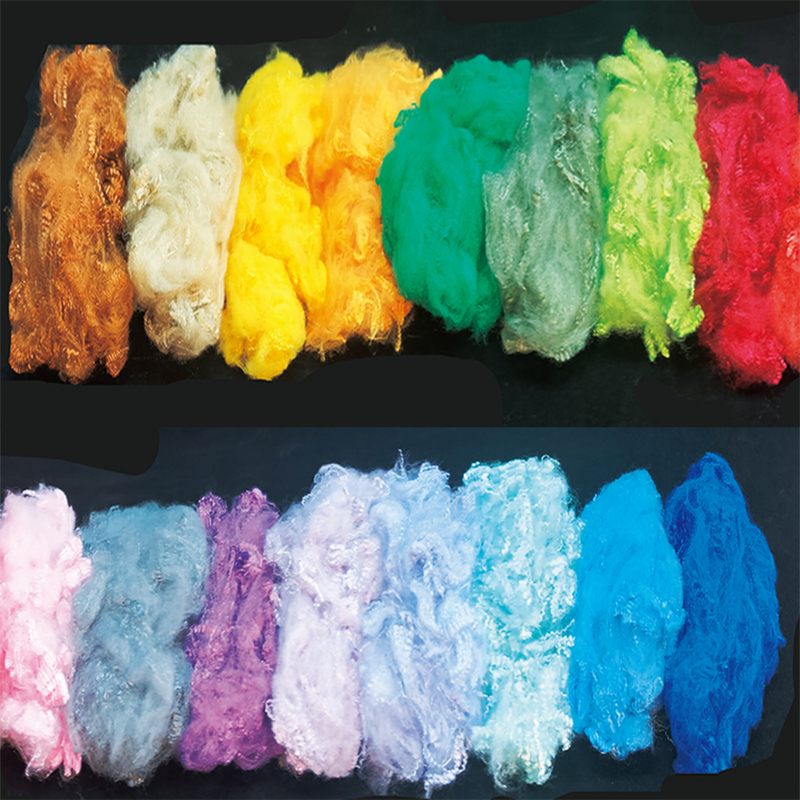
But working with hollow fibers isn't always straightforward. For instance, understanding the behavior during processing is crucial. It's easy to underestimate how the hollow structure affects dye uptake, something we learned through a bit of trial and error. Given its airy nature, the yarn requires careful handling during the dyeing process to ensure uniform color distribution.
Applications That Highlight Its Advantages
Where does hollow polyester fiber yarn make the most impact? Think outdoor gear, where keeping weight low while maintaining insulation is key. Jackets, sleeping bags, and even tents are benefiting from this advance. It’s become a staple in our product development meetings, especially when clients push for lightweight thermal solutions.
In the fashion industry, the yarn’s properties have opened doors to creating garments that are not only stylish but functional. Imagine a winter coat that's lightweight yet warm—a perfect companion through chilly months. It offers that blend of practicality and comfort.
We also see increasing interest from the automotive sector. Car seats that offer thermal regulation without added weight are in demand. The yarn's lightweight nature means less weight for electric vehicles, which can significantly affect fuel efficiency.
Challenges and Missteps in Practical Use
No material is without its challenges, and hollow polyester fiber yarn is no different. Its handling during manufacturing requires precision. Missteps in processing can lead to yarn breakage or uneven texture, common pitfalls if not managed with expertise.
One issue we encountered was during a project aimed at developing lightweight furniture textiles. The initial batches didn’t perform as expected due to overlooking how the hollow centers affected tensile strength under stress. It was a learning curve, reminding us to always tailor manufacturing processes to the unique properties of our materials.
It's crucial to continuously iterate on production methods. Insights gained from errors are invaluable, leading to optimizations that better utilize the yarn's properties without compromising quality.
Sustainable Aspects and Market Trends
An aspect worth noting is the sustainability factor. Hollow polyester fibers generally require less raw material, contributing to a reduced environmental footprint. This aligns well with rising consumer demands for eco-friendly products.
Moreover, companies like SHANDONG ZHINK NEW MATERIAL CO., LTD are at the forefront, pushing innovation while being mindful of sustainable practices. Their commitment to research and development is paving the way for more responsible production techniques.
Market trends indicate a growing preference for sustainable solutions. Consumers and industries alike are leaning towards materials that offer durability without sacrificing ecological responsibilities. Hollow polyester fiber yarn fits well within this narrative.
Future Possibilities and Innovations
Looking ahead, the potential applications of hollow polyester fiber yarn are vast. We are experimenting with blends that combine other innovative fibers, enhancing properties like moisture-wicking or UV resistance. This hybrid approach could redefine comfort standards in various sectors.
Another exciting frontier is smart textiles. Imagine integrating sensors within the yarn’s structure for real-time health monitoring apparels. The hollow nature could even help encapsulate traditional electronics, merging functionality with fabric seamlessly.
The yarn’s versatility keeps us on our toes, always considering the next big development. Collaborations, like those with SHANDONG ZHINK NEW MATERIAL CO., LTD, are crucial as they bring together expertise from different domains, fostering a culture of continuous innovation.
Related Products
Related Products