+86-632-3621866
- Chinese
- French
- German
- Portuguese
- Spanish
- Russian
- Japanese
- Korean
- Arabic
- Irish
- Greek
- Turkish
- Italian
- Danish
- Romanian
- Indonesian
- Czech
- Afrikaans
- Swedish
- Polish
- Basque
- Catalan
- Esperanto
- Hindi
- Lao
- Albanian
- Amharic
- Armenian
- Azerbaijani
- Belarusian
- Bengali
- Bosnian
- Bulgarian
- Cebuano
- Chichewa
- Corsican
- Croatian
- Dutch
- Estonian
- Filipino
- Finnish
- Frisian
- Galician
- Georgian
- Gujarati
- Haitian
- Hausa
- Hawaiian
- Hebrew
- Hmong
- Hungarian
- Icelandic
- Igbo
- Javanese
- Kannada
- Kazakh
- Khmer
- Kurdish
- Kyrgyz
- Latin
- Latvian
- Lithuanian
- Luxembou..
- Macedonian
- Malagasy
- Malay
- Malayalam
- Maltese
- Maori
- Marathi
- Mongolian
- Burmese
- Nepali
- Norwegian
- Pashto
- Persian
- Punjabi
- Serbian
- Sesotho
- Sinhala
- Slovak
- Slovenian
- Somali
- Samoan
- Scots Gaelic
- Shona
- Sindhi
- Sundanese
- Swahili
- Tajik
- Tamil
- Telugu
- Thai
- Ukrainian
- Urdu
- Uzbek
- Vietnamese
- Welsh
- Xhosa
- Yiddish
- Yoruba
- Zulu
- Kinyarwanda
- Tatar
- Oriya
- Turkmen
- Uyghur



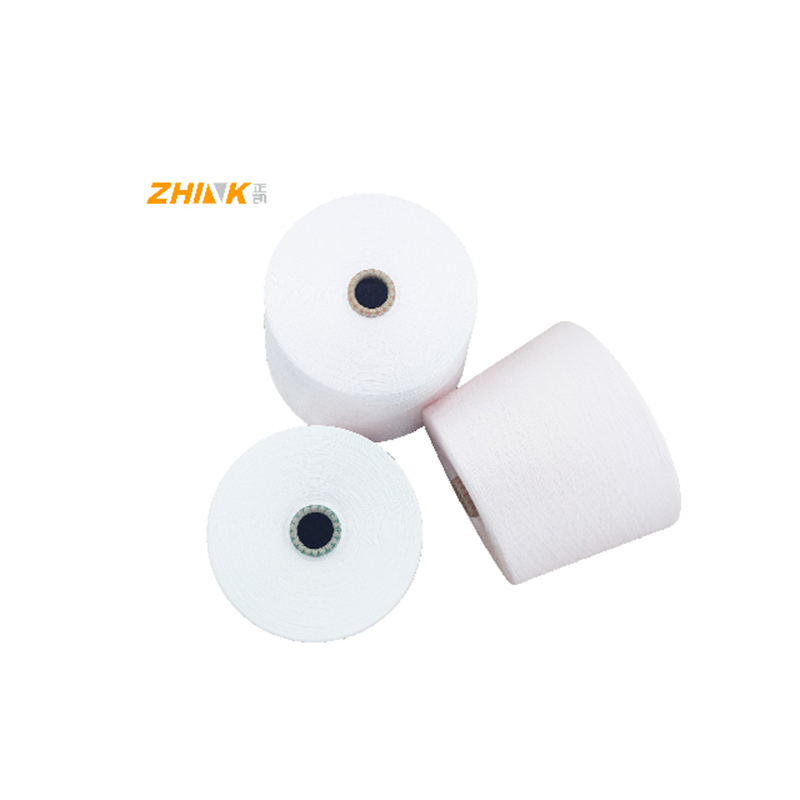
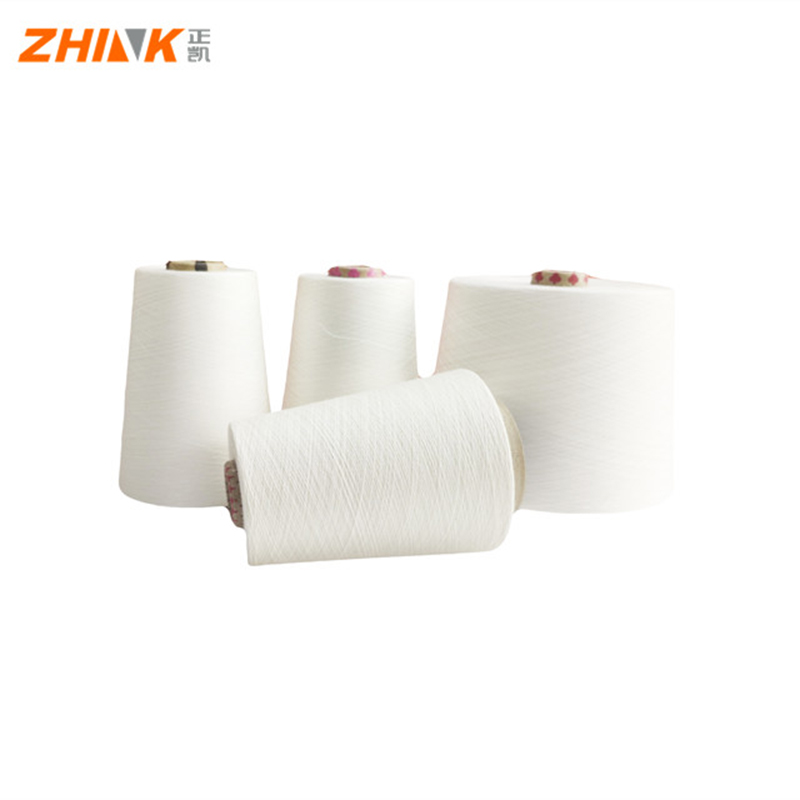
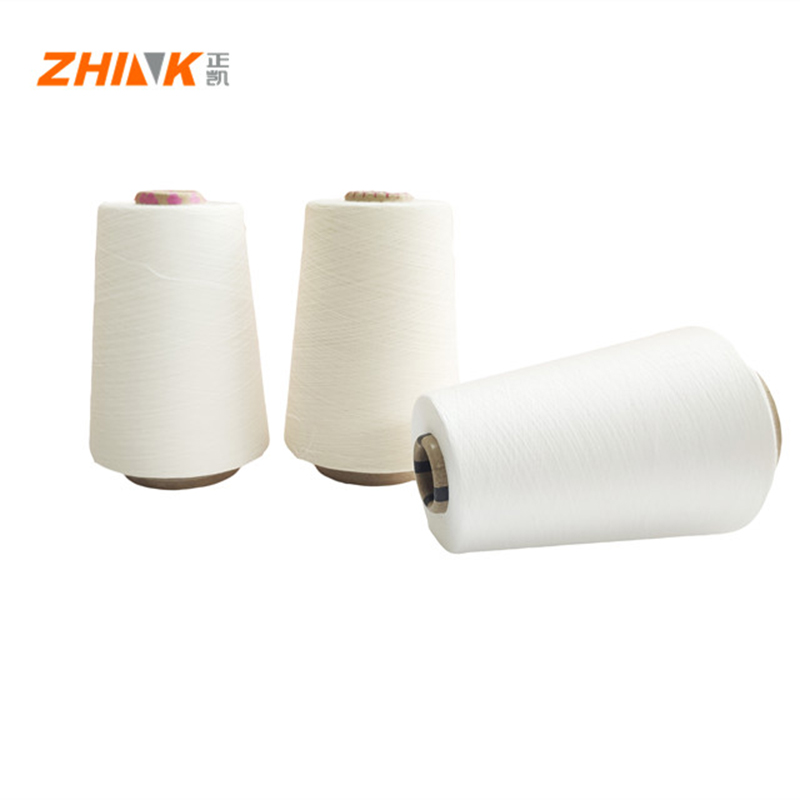
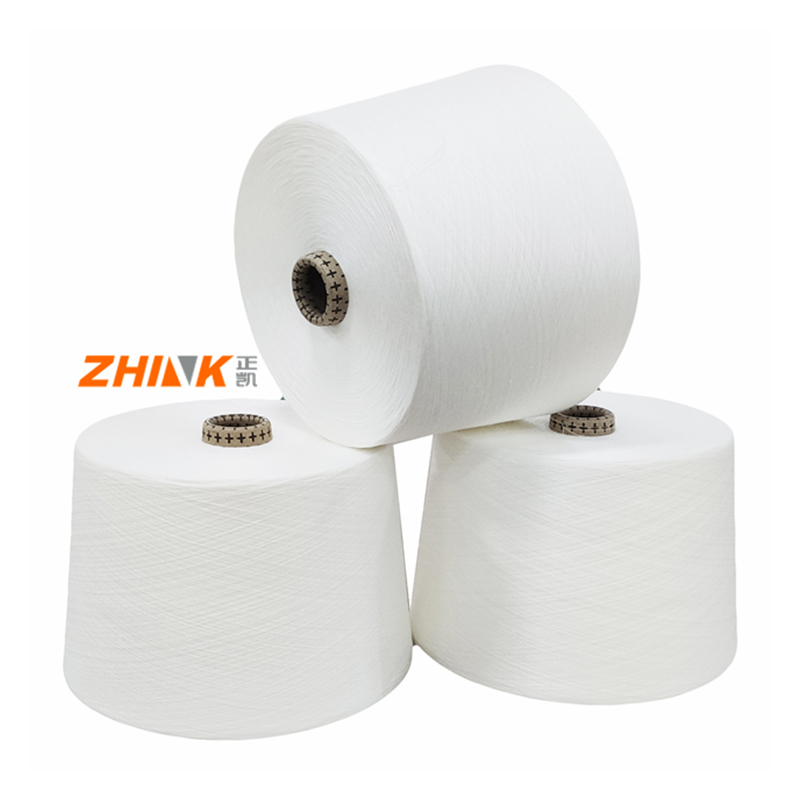
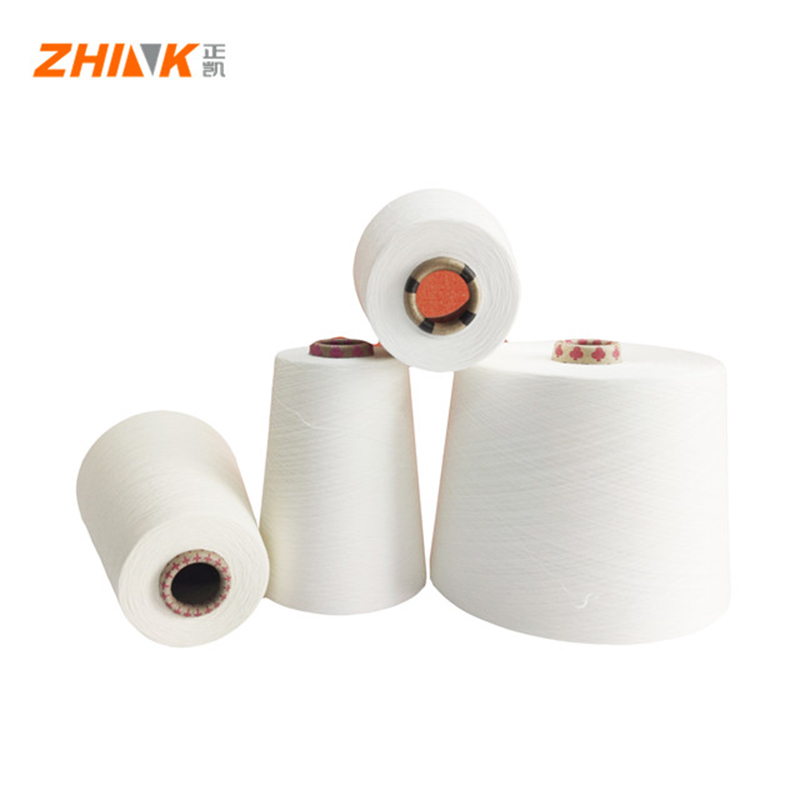
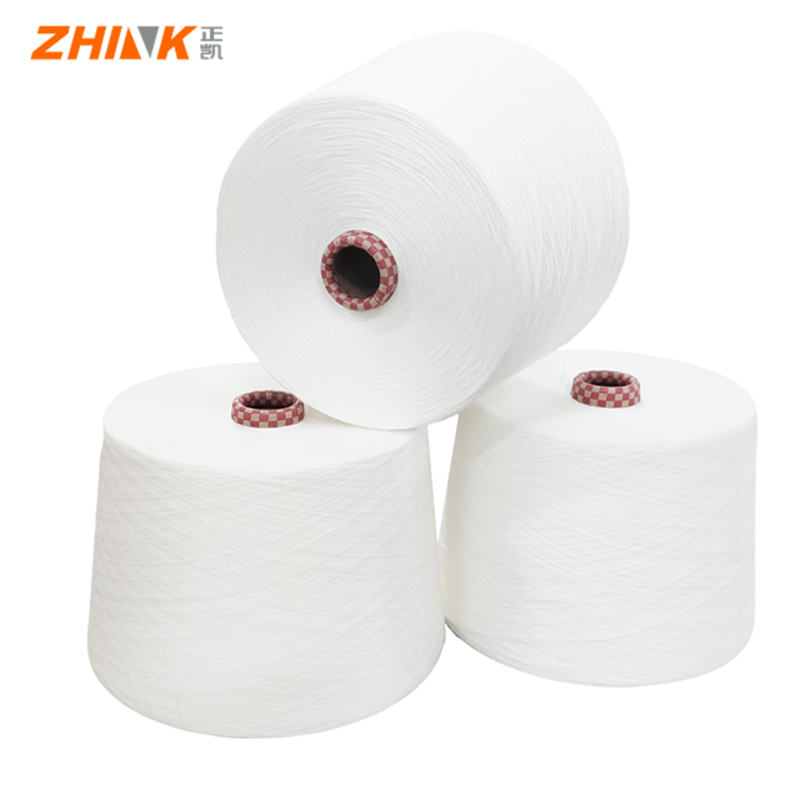
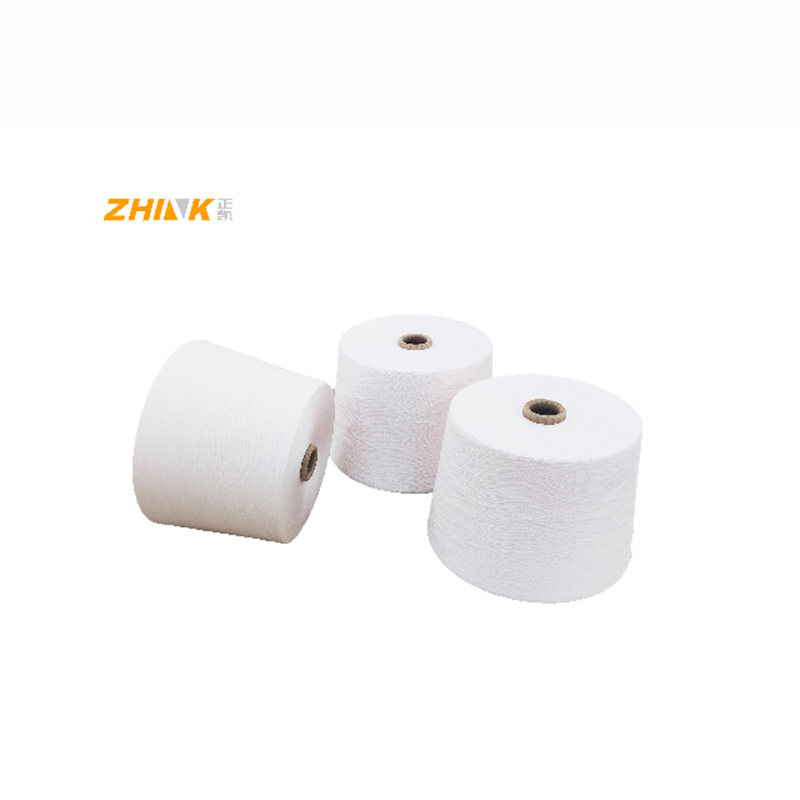
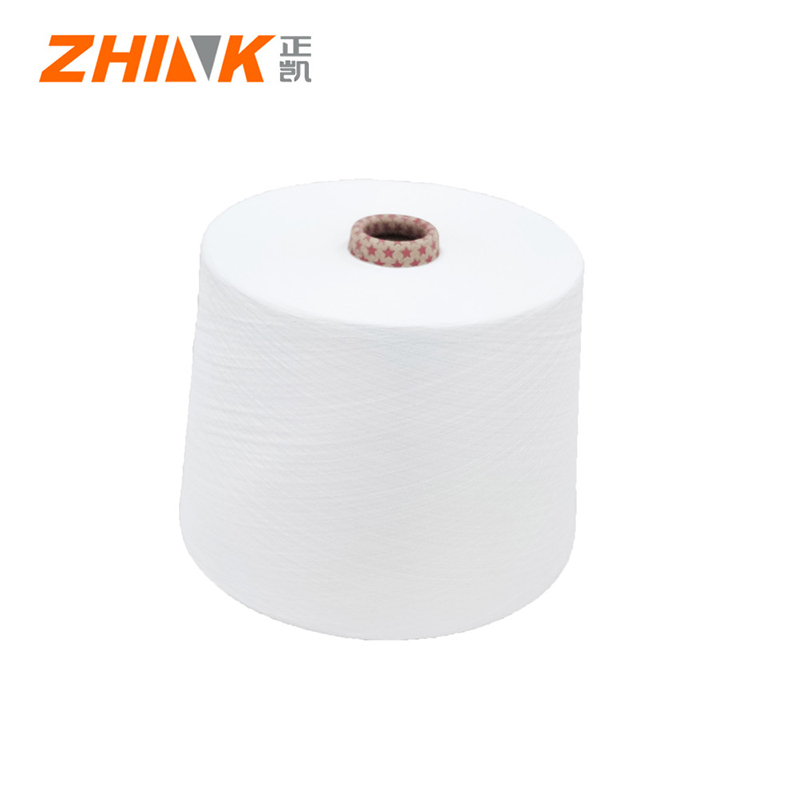
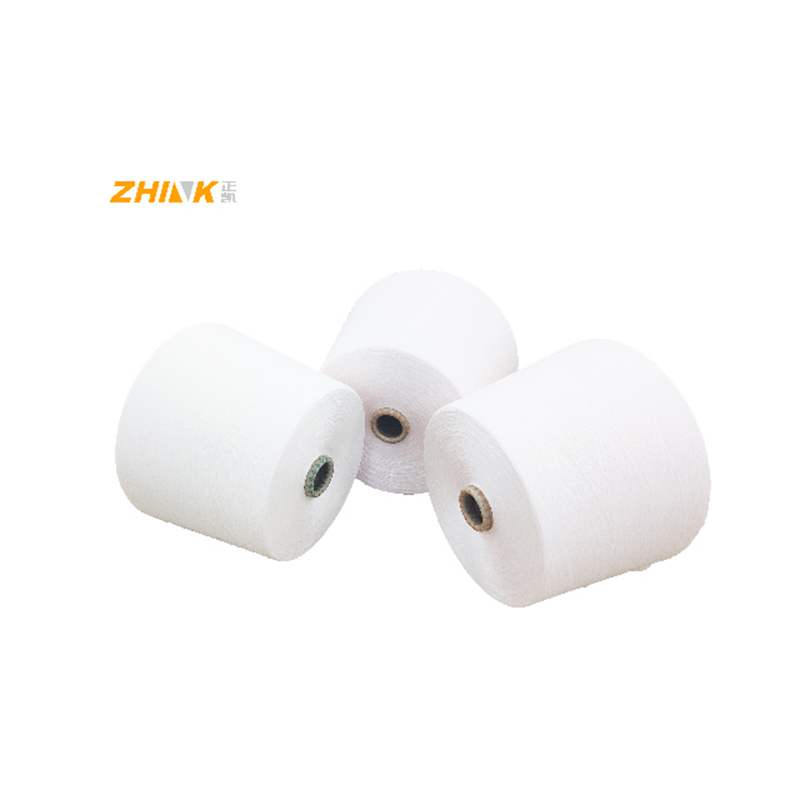
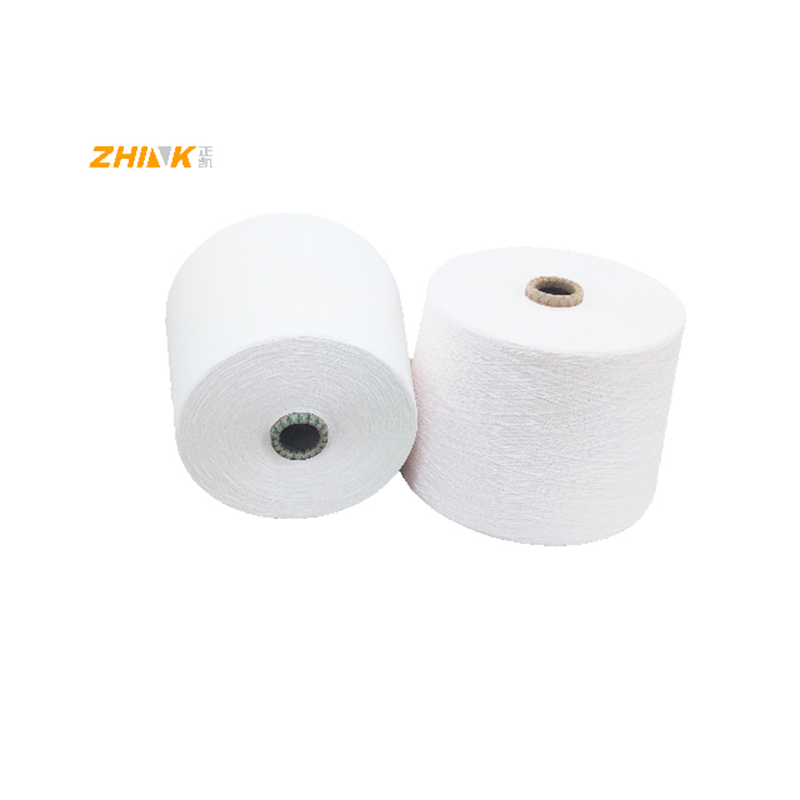
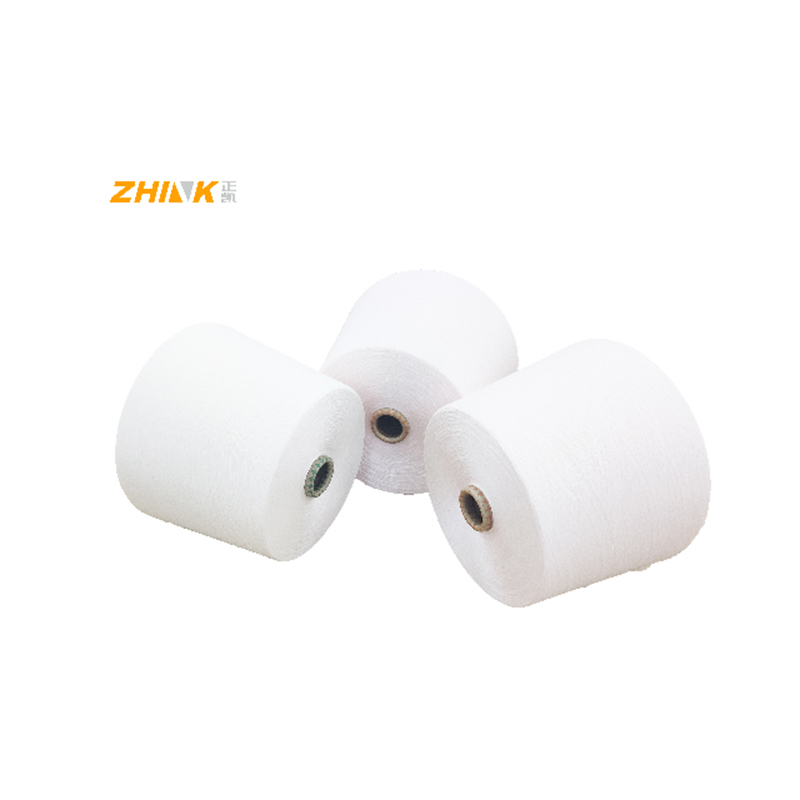
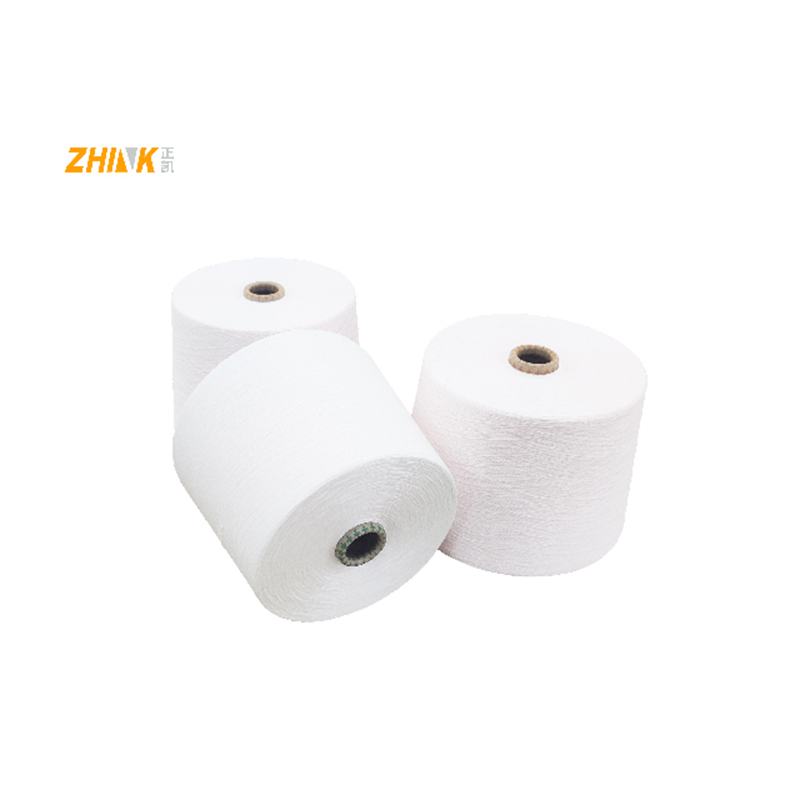
Hollow polyester short fiber yarn
Hollow Polyester Short Fiber Yarn: Industry Insights
Understanding hollow polyester short fiber yarn involves more than just recognizing its function in textiles. Common misconceptions can often cloud the real potential these fibers hold. Let's explore the nuances of this material and how industry insights from firms like Zhink New Material provide clarity.
The Basics of Hollow Polyester Fiber
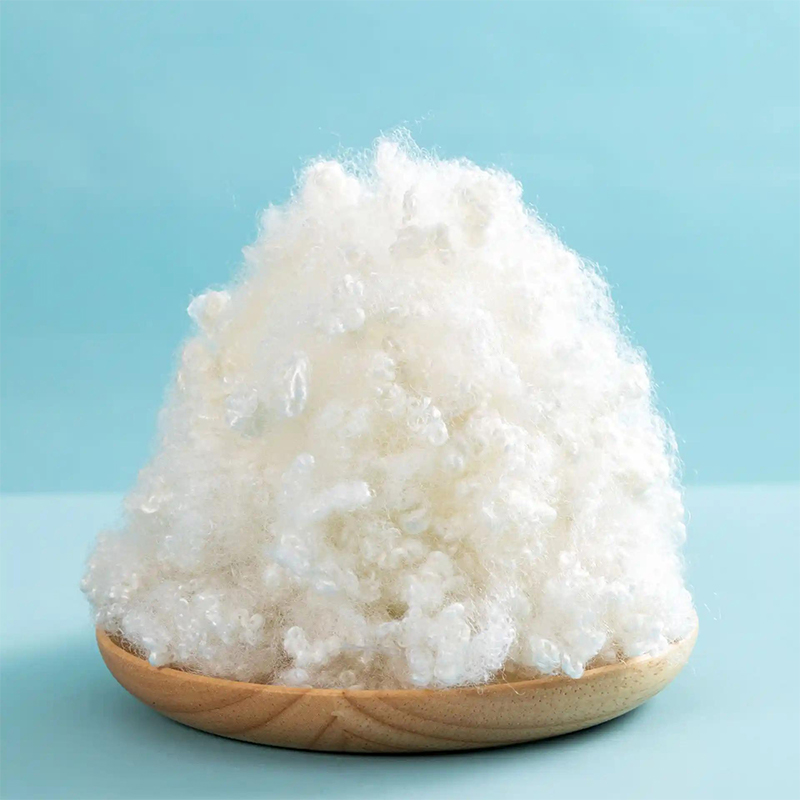
First, it's crucial to demystify what exactly hollow polyester short fiber yarn is. Essentially, it's polyester yarn characterized by a hollow core, which significantly affects its performance characteristics. This trait makes it notably lighter and enhances insulation properties. However, people sometimes undersell its versatility, thinking it's limited to niche applications.
For example, in my experience, working with this fiber often reveals unexpected adaptability, from clothing with improved thermal efficiency to innovative filling materials. Companies like SHANDONG ZHINK NEW MATERIAL CO., LTD specialize in these applications, continuously pushing the boundaries of how these fibers can be used.
When I first encountered hollow polyester, the skepticism about its durability was apparent. Yet, frequent trials and tests confirmed that the material, when well-manufactured, holds up remarkably under varied conditions.
Practical Application Challenges
Integrating hollow polyester short fiber yarn into production isn't always straightforward. Misjudgments in processing conditions often lead to suboptimal outcomes. The temperature and tension must be meticulously controlled to maintain the fiber's integrity. This might sound trivial, but overlooking these details can drastically alter the final product's quality.
Another issue I've noticed is compatibility with existing machinery. Many setups require adjustments, sometimes even new equipment, to handle fibers of different characteristics effectively. It's not just a plug-and-play situation, which Zhink New Material is quite familiar with, given their ongoing investment in advanced R&D.
Many firms fail to consider the fiber's end-use during development. Without this foresight, the final applications can be limited. Companies often need to tailor the fiber's properties to meet specific demands, whether for upholstery, automotive uses, or temperature-specific apparel.
Innovations and Research
Research and innovation are key drivers in the field of polymer textiles. I've seen firsthand how ongoing research efforts, like those at Zhink New Material, continually enhance material properties. For instance, experiments with additive formulations can improve moisture wicking, giving the yarn new dimensions in both sports and casual wear.
One promising development is the incorporation of recycled materials into the yarn manufacturing process. While not seamless, this approach aligns well with sustainability trends and reduces environmental impact substantially.
Real-world tests often reveal surprising insights. During one trial involving recycled components, it was surprising to note a slight increase in tensile strength, suggesting potential areas for further refinement.
Market Trends and Uses
The demand for hollow polyester short fiber yarn is shaped by not just fashion, but also technological advancements. Textile manufacturing is increasingly driven by consumer demands for lightweight, high-performance materials, and hollow fibers fit this niche perfectly.
There's a growing trend toward customization, where specific yarn types are engineered to meet precise client specifications. Firms like SHANDONG ZHINK NEW MATERIAL CO., LTD offer custom solutions, facilitated by their robust R&D framework, and this adaptability is a market advantage.
Moreover, the advent of smart textiles, where fibers are integrated with technological functionalities, represents another noteworthy direction for these fibers, providing new product avenues and revenue streams.
Sustainability and Future Prospects
Environmental concerns continue to shape the textile industry. The move toward eco-friendly fibers, including recycled and biodegradable options, is gaining momentum. Zhink New Material's initiatives in sustainable production exemplify this shift, demonstrating that functionality and environmental responsibility can coexist.
In practice, shifting to greener materials doesn't happen overnight. It demands a complete re-evaluation of existing processes, which can be a challenging transition for many companies. Nevertheless, the long-term benefits are undeniable, both economically and ecologically.
Looking ahead, the potential of hollow polyester short fiber yarn seems boundless, especially as new technological integrations and sustainable practices become more prevalent in the industry.
Conclusion: A Practical Approach to Polyester Yarns
In closing, working with hollow polyester fibers requires a blend of experimentation, adaptation, and foresight. It's not just about leveraging current technologies but also about preparing for future advancements. Zhink New Material's journey underscores the significance of combining innovation with practical expertise, ensuring that these fibers meet tomorrow's demands today.
For more insights and information on cutting-edge textile materials, you can visit SHANDONG ZHINK NEW MATERIAL CO., LTD at https://www.zhinkyarn.com.
Related Products
Related Products