+86-632-3621866
- Chinese
- French
- German
- Portuguese
- Spanish
- Russian
- Japanese
- Korean
- Arabic
- Irish
- Greek
- Turkish
- Italian
- Danish
- Romanian
- Indonesian
- Czech
- Afrikaans
- Swedish
- Polish
- Basque
- Catalan
- Esperanto
- Hindi
- Lao
- Albanian
- Amharic
- Armenian
- Azerbaijani
- Belarusian
- Bengali
- Bosnian
- Bulgarian
- Cebuano
- Chichewa
- Corsican
- Croatian
- Dutch
- Estonian
- Filipino
- Finnish
- Frisian
- Galician
- Georgian
- Gujarati
- Haitian
- Hausa
- Hawaiian
- Hebrew
- Hmong
- Hungarian
- Icelandic
- Igbo
- Javanese
- Kannada
- Kazakh
- Khmer
- Kurdish
- Kyrgyz
- Latin
- Latvian
- Lithuanian
- Luxembou..
- Macedonian
- Malagasy
- Malay
- Malayalam
- Maltese
- Maori
- Marathi
- Mongolian
- Burmese
- Nepali
- Norwegian
- Pashto
- Persian
- Punjabi
- Serbian
- Sesotho
- Sinhala
- Slovak
- Slovenian
- Somali
- Samoan
- Scots Gaelic
- Shona
- Sindhi
- Sundanese
- Swahili
- Tajik
- Tamil
- Telugu
- Thai
- Ukrainian
- Urdu
- Uzbek
- Vietnamese
- Welsh
- Xhosa
- Yiddish
- Yoruba
- Zulu
- Kinyarwanda
- Tatar
- Oriya
- Turkmen
- Uyghur



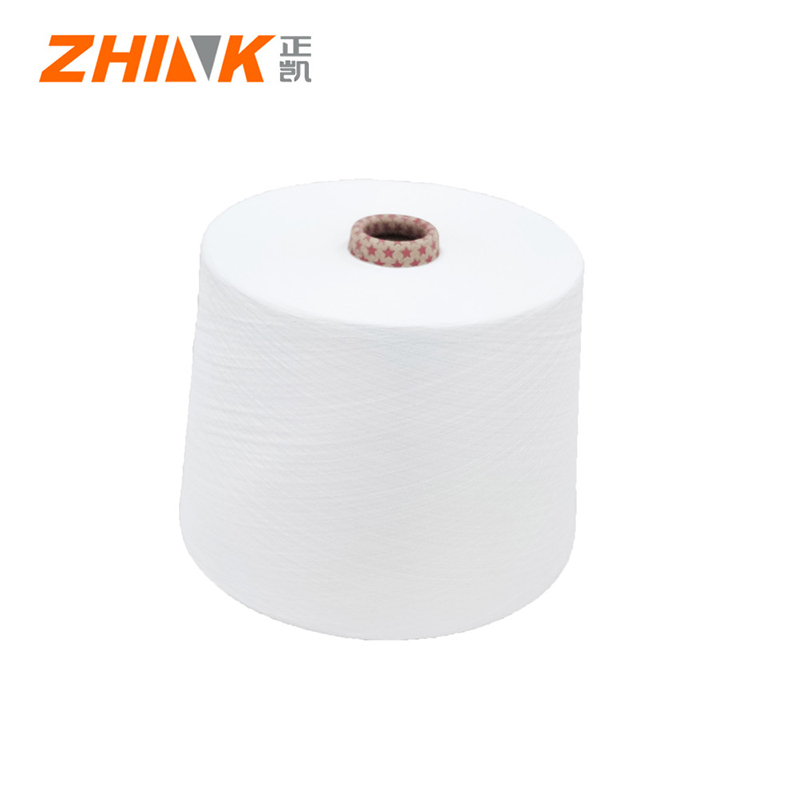
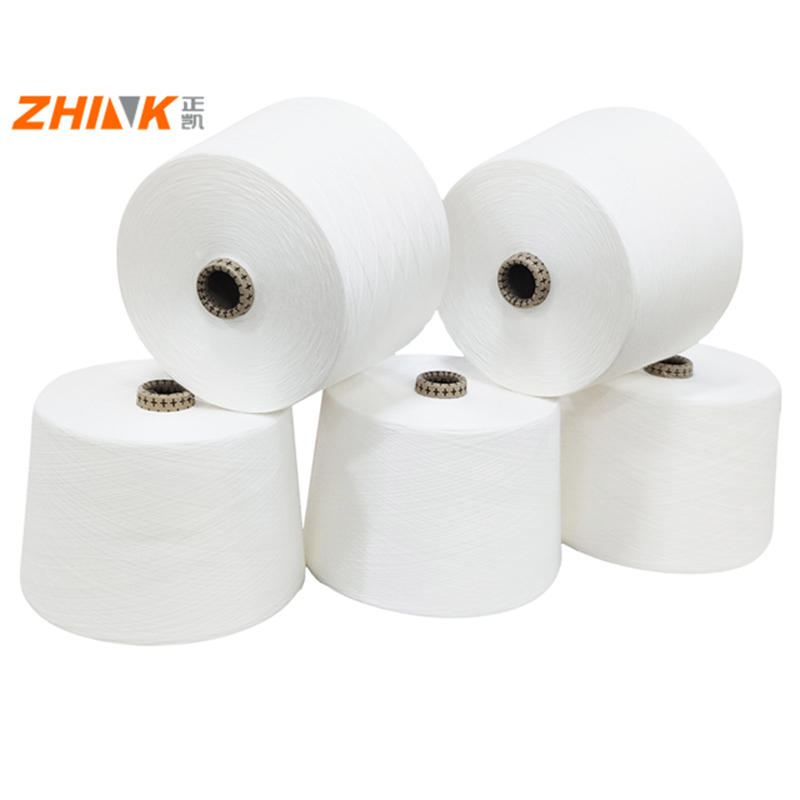
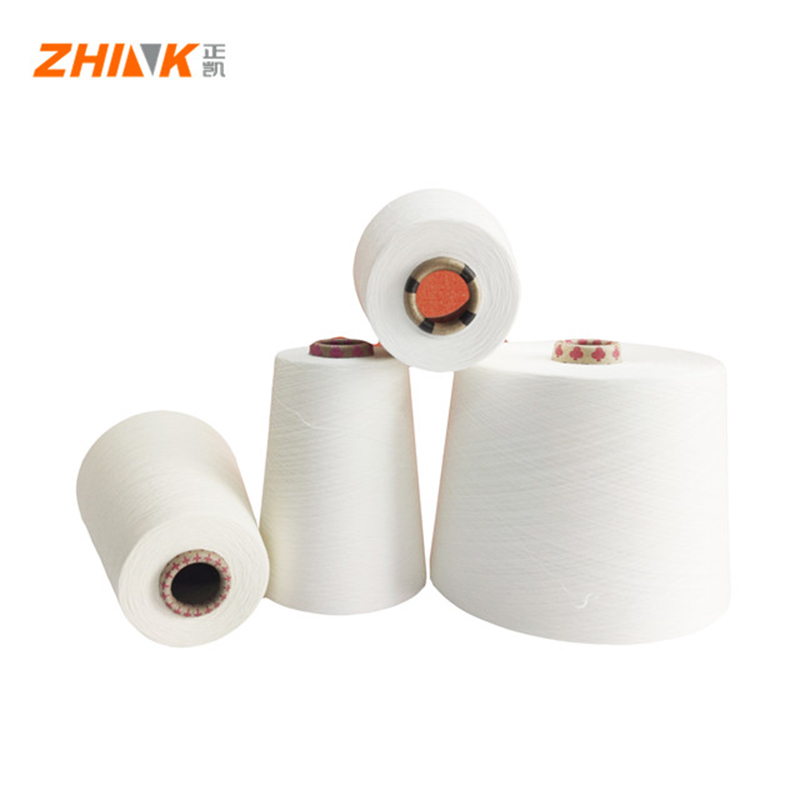
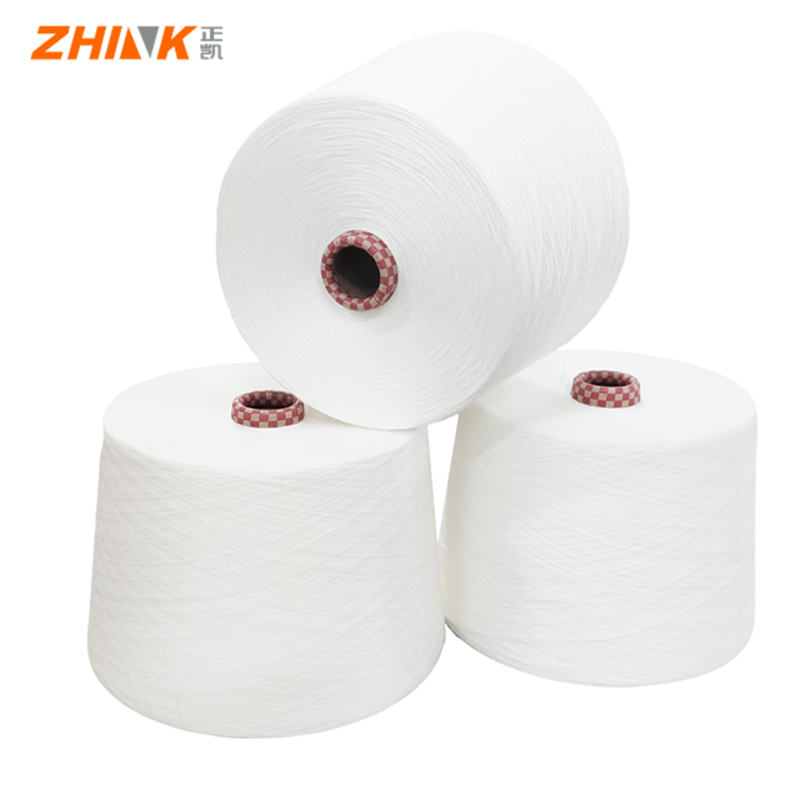
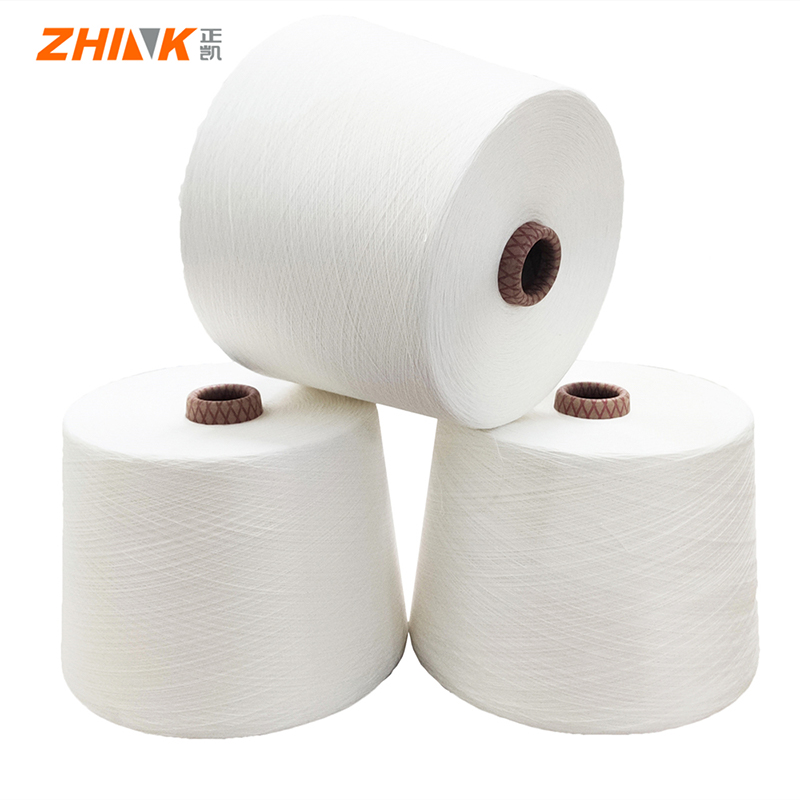
Hollow polyester/ Viloft yarn
Exploring the Versatility of Hollow Polyester/Viloft Yarn
In the textile industry, the innovation and application of fibers often dictate the next big trend. Hollow polyester and Viloft yarns are among these groundbreaking materials. They’re not just buzzwords; they're a bridge to a more efficient and versatile fabric production world. But how do they actually fare in real-world applications?
Understanding Hollow Polyester Yarn
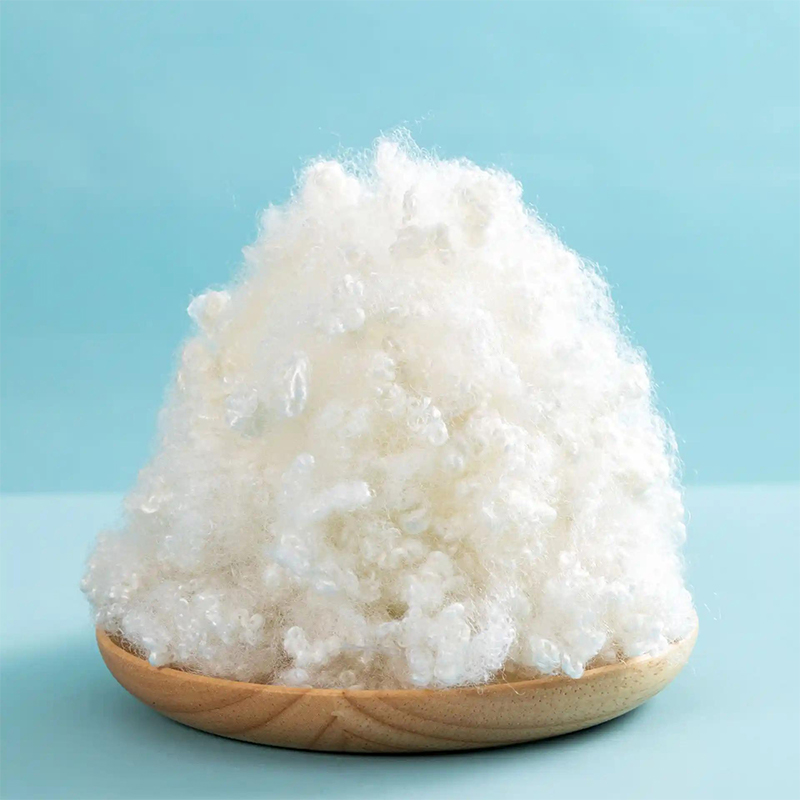
Starting with the basics, hollow polyester yarn is crafted to have a core center that improves insulation and reduces weight. When I first encountered this material, I was intrigued by its potential in cold-weather clothing—lighter, warmer, and breathable. But, skepticism remained about its durability compared to traditional polyester, especially in high-friction environments.
Remember, not all hollow polyesters are made equal. During a project, when incorporating hollow polyester into a blend, I learned that the thickness and the structural integrity of the yarn’s core can vary significantly, impacting both performance and cost. Hence, picking the right type for the intended product is crucial.
Moreover, some may deem it too costly from a production standpoint. However, companies like SHANDONG ZHINK NEW MATERIAL CO., LTD offer solutions by optimizing production processes making it an economically viable option.
The Unique Qualities of Viloft Yarn
Viloft yarn, on the other hand, offers something slightly different. This fiber is known for its natural feel and excellent moisture management. It’s particularly favored in intimate apparel and sportswear. Personally, I've seen its application heavily in athleisure wear where comfort and functionality can't be compromised.
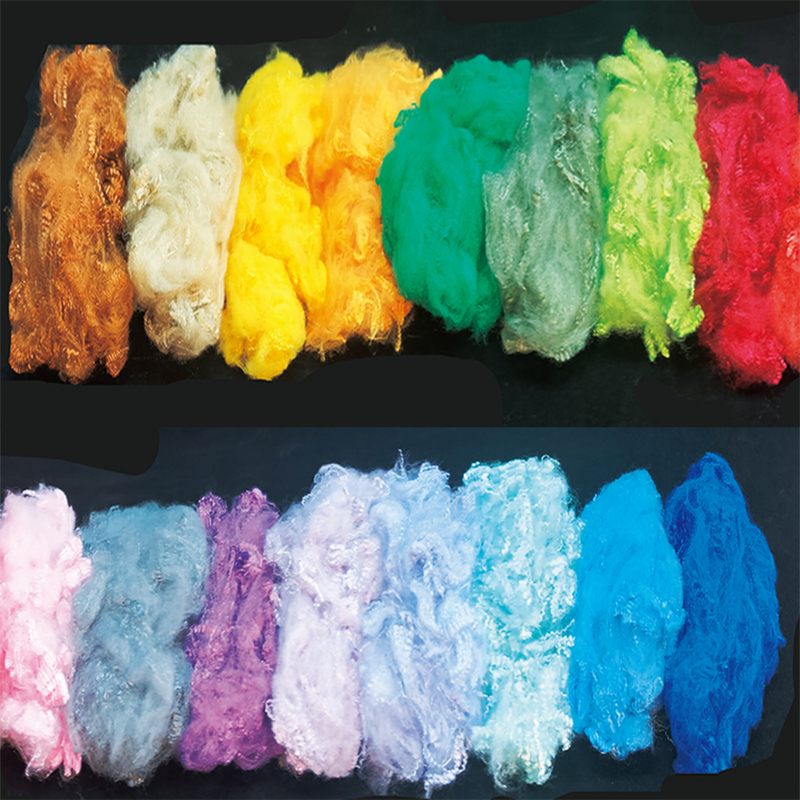
One challenge, though, is color retention. During dyeing processes, Viloft can react differently compared to other fibers, creating inconsistencies. It requires adjusting existing processes, which isn't a simple plug-and-play operation. It's often a 'learn as you go' situation.
Despite this, the end results often justify the initial headache. Customer feedback pointing out enhanced comfort and feel consistently underscores the value of investing in such fibers.
Integrating Both: A Textile Innovation
Now, where things get particularly exciting is when you start combining these fibers. Imagine a garment where hollow polyester provides structure and warmth, while Viloft offers softness and moisture-wicking properties. That blend can create a fabric truly suited for multi-season use.
In practice, we've seen this combination used in both outerwear and bedding. The transformation in quality and user experience is rather tangible, but it requires meticulous planning and testing at the R&D phase—an area where Zhink New Material truly excels.
Careful proportioning of each fiber is essential. Get it wrong, and you’ll end up with a product that does neither job particularly well. But get it right, and the textile speaks for itself.
Challenges in Production and Application
While the advantages are numerous, let’s talk about the flip side. Challenges during the production of these yarns include maintaining a consistent diameter in hollow fibers and ensuring uniform distribution of Viloft’s moisture-managing properties. Even small deviations can cause issues down the line.
It’s also crucial to align expectations. I’ve seen numerous stakeholders jump on the bandwagon without fully understanding the implications on existing production lines. This isn't a 'drop-in' scenario; it requires a bit of finesse and understanding.
And yet, suppliers like SHANDONG ZHINK NEW MATERIAL CO., LTD are playing a pivotal role in educating industry players, reducing friction during adoption, and making sure the potential of these advanced yarns is fully realized.
Conclusion: Future Directions and Innovations
Looking forward, the future of hollow polyester and Viloft yarns seems bright, driven by the demand for better-performing and more versatile fabrics. Innovations are ongoing—whether it’s tweaking the core structure or enhancing Viloft’s moisture management.
As more players recognize and embrace these advanced materials, it’s crucial to stay informed and adaptable. Interacting with industry leaders and tapping into resources offered by textiles companies, such as those from Zhink New Material, can provide valuable insights and a competitive edge.
Ultimately, while hollow polyester and Viloft yarns present certain challenges, their potential rewards in the textile realm are substantial. It's a fascinating time to be involved in textile innovation, witnessing firsthand these fibers pushing boundaries.
Related Products
Related Products