+86-632-3621866
- Chinese
- French
- German
- Portuguese
- Spanish
- Russian
- Japanese
- Korean
- Arabic
- Irish
- Greek
- Turkish
- Italian
- Danish
- Romanian
- Indonesian
- Czech
- Afrikaans
- Swedish
- Polish
- Basque
- Catalan
- Esperanto
- Hindi
- Lao
- Albanian
- Amharic
- Armenian
- Azerbaijani
- Belarusian
- Bengali
- Bosnian
- Bulgarian
- Cebuano
- Chichewa
- Corsican
- Croatian
- Dutch
- Estonian
- Filipino
- Finnish
- Frisian
- Galician
- Georgian
- Gujarati
- Haitian
- Hausa
- Hawaiian
- Hebrew
- Hmong
- Hungarian
- Icelandic
- Igbo
- Javanese
- Kannada
- Kazakh
- Khmer
- Kurdish
- Kyrgyz
- Latin
- Latvian
- Lithuanian
- Luxembou..
- Macedonian
- Malagasy
- Malay
- Malayalam
- Maltese
- Maori
- Marathi
- Mongolian
- Burmese
- Nepali
- Norwegian
- Pashto
- Persian
- Punjabi
- Serbian
- Sesotho
- Sinhala
- Slovak
- Slovenian
- Somali
- Samoan
- Scots Gaelic
- Shona
- Sindhi
- Sundanese
- Swahili
- Tajik
- Tamil
- Telugu
- Thai
- Ukrainian
- Urdu
- Uzbek
- Vietnamese
- Welsh
- Xhosa
- Yiddish
- Yoruba
- Zulu
- Kinyarwanda
- Tatar
- Oriya
- Turkmen
- Uyghur


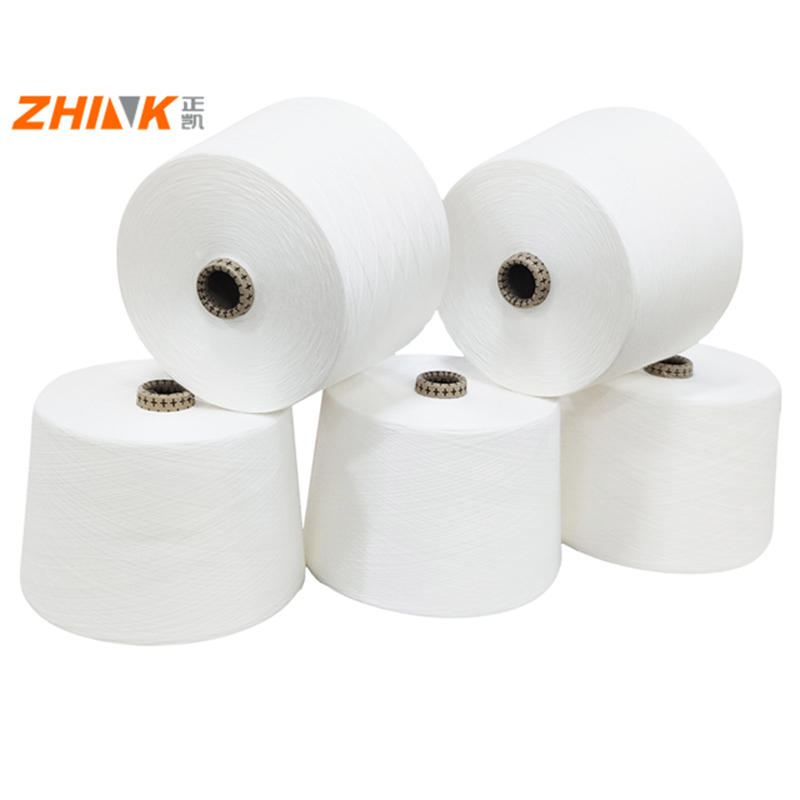
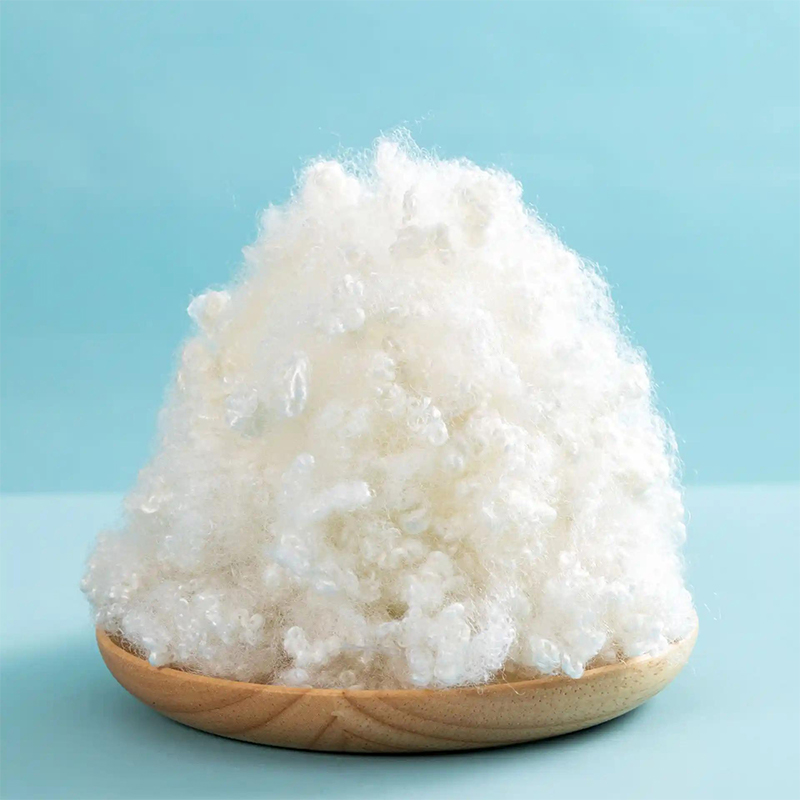
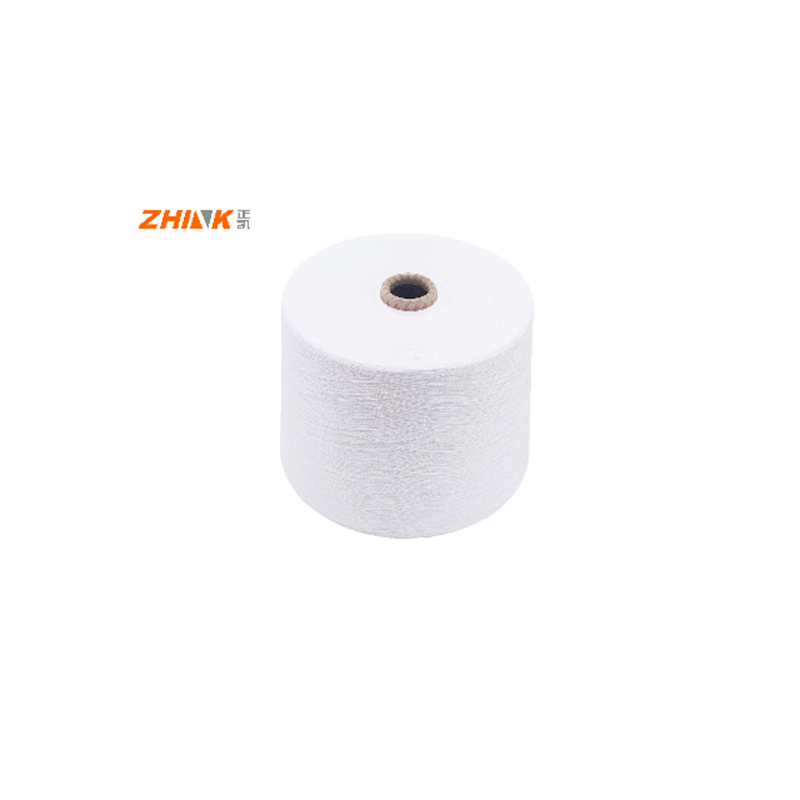
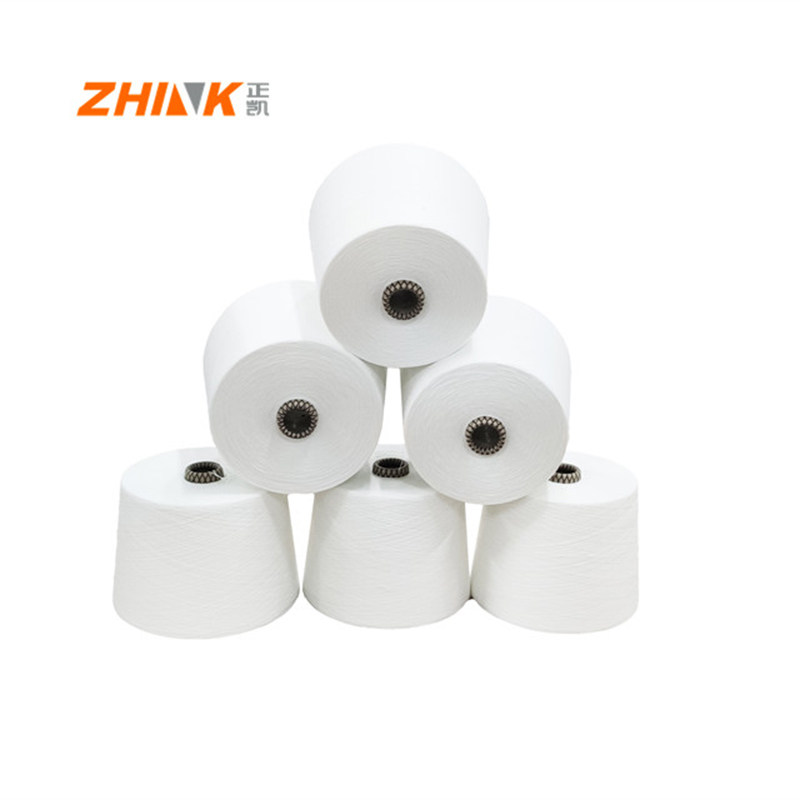
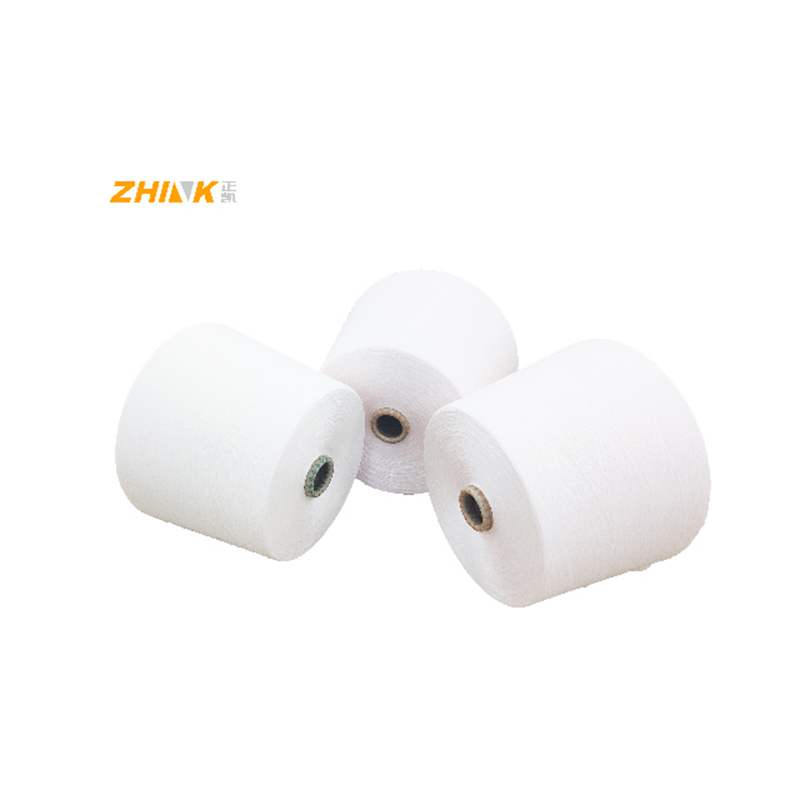
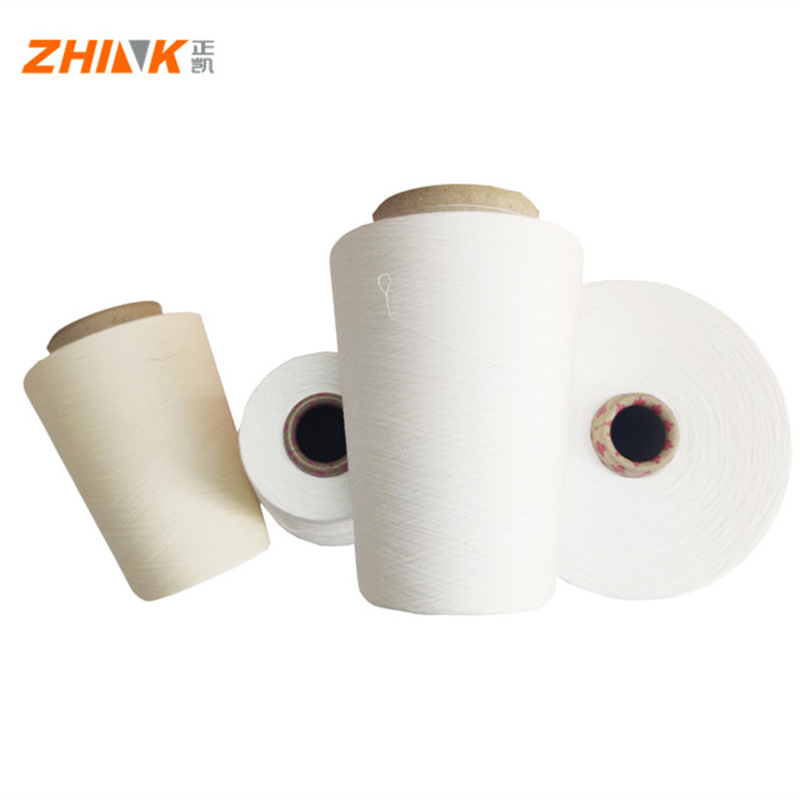
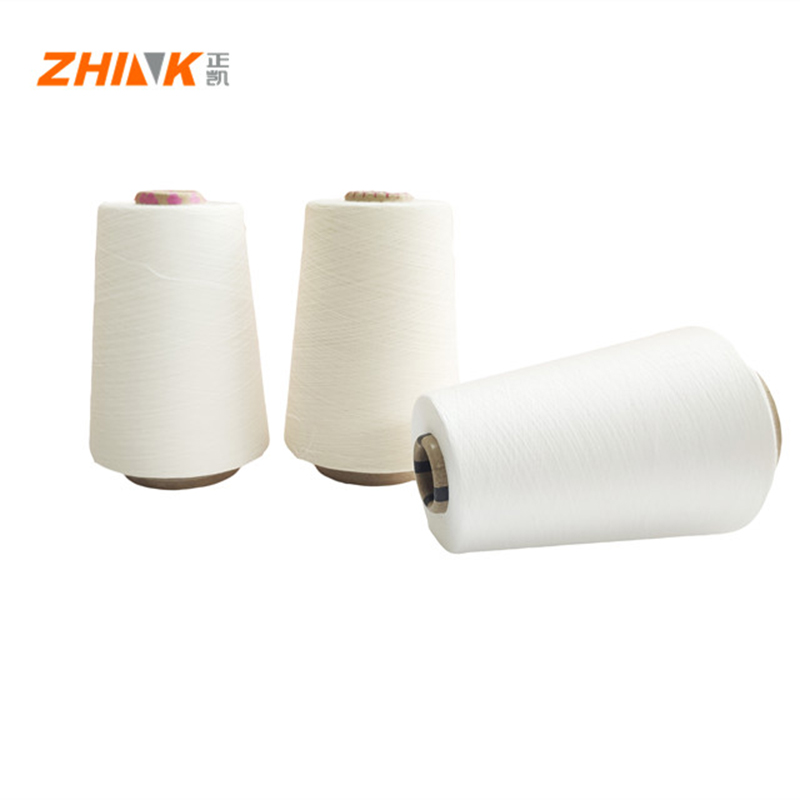
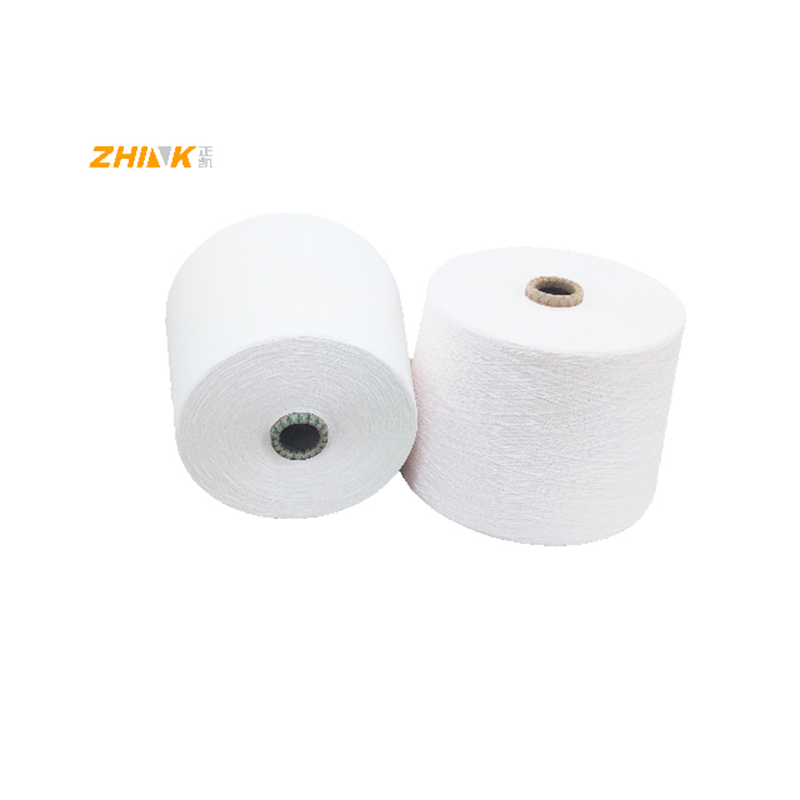
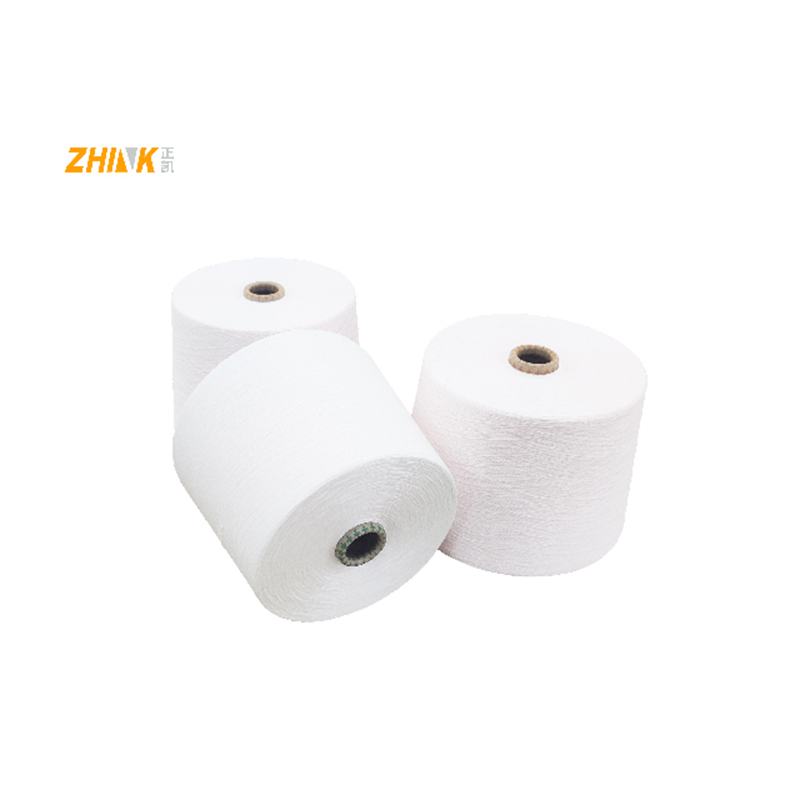
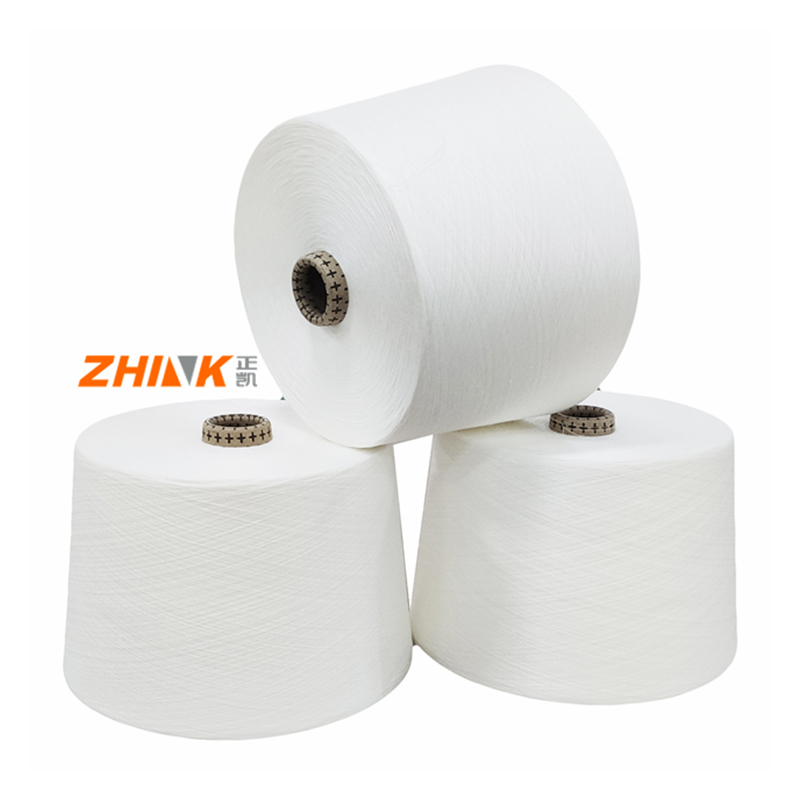
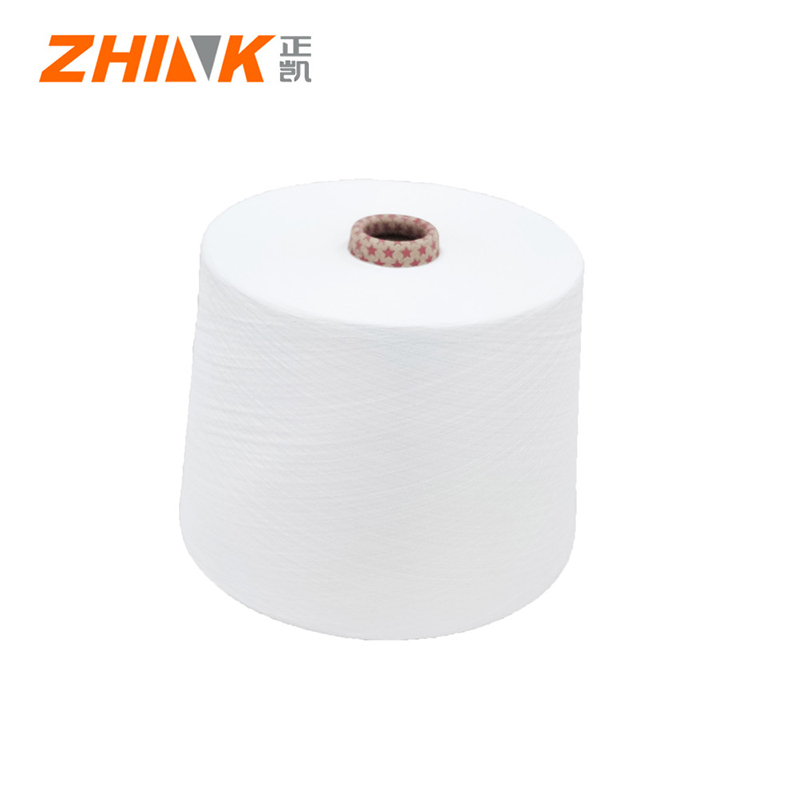
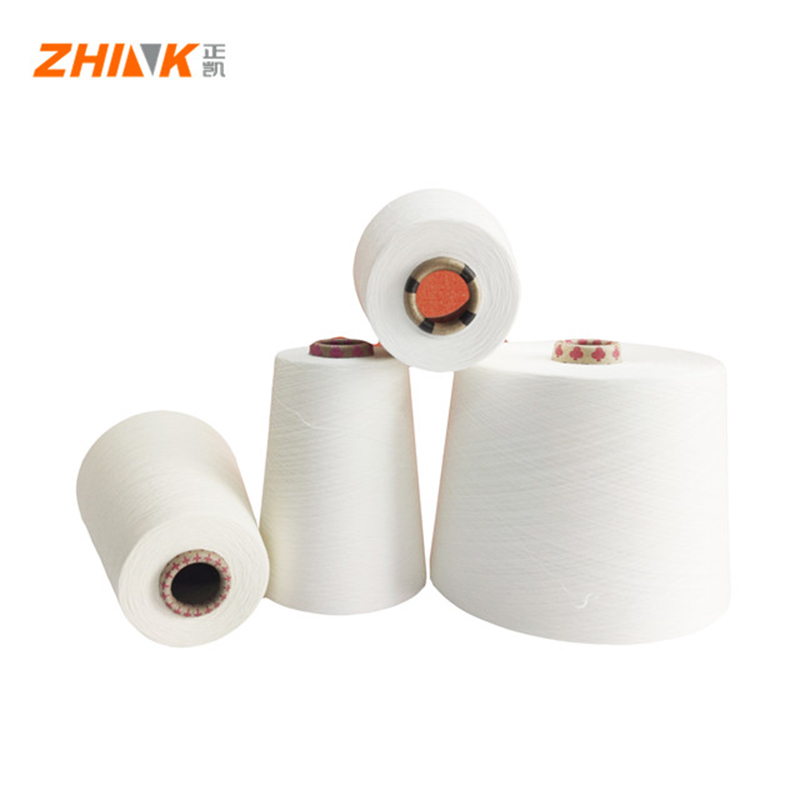
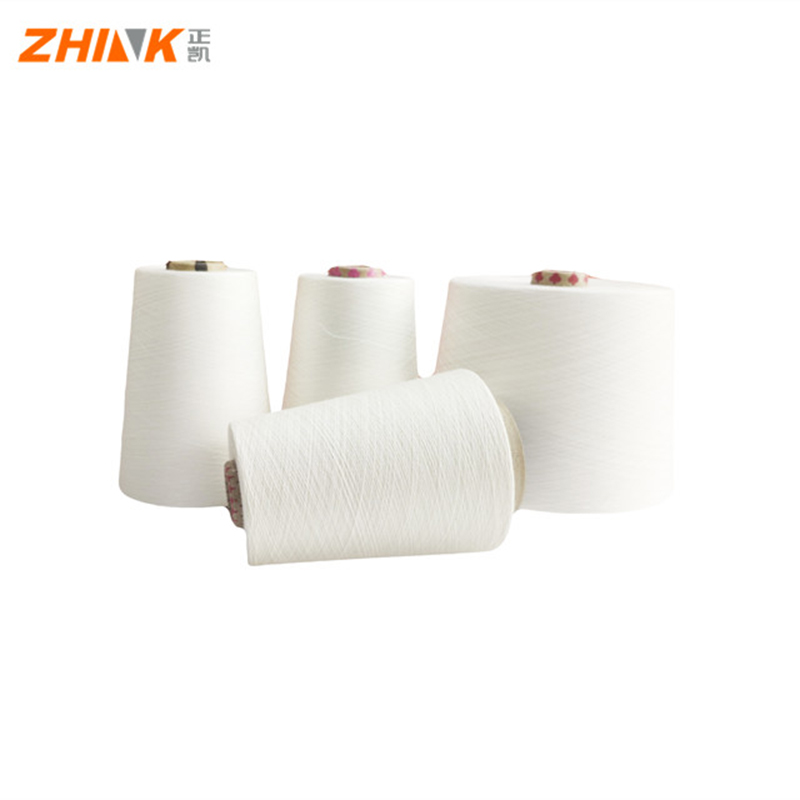
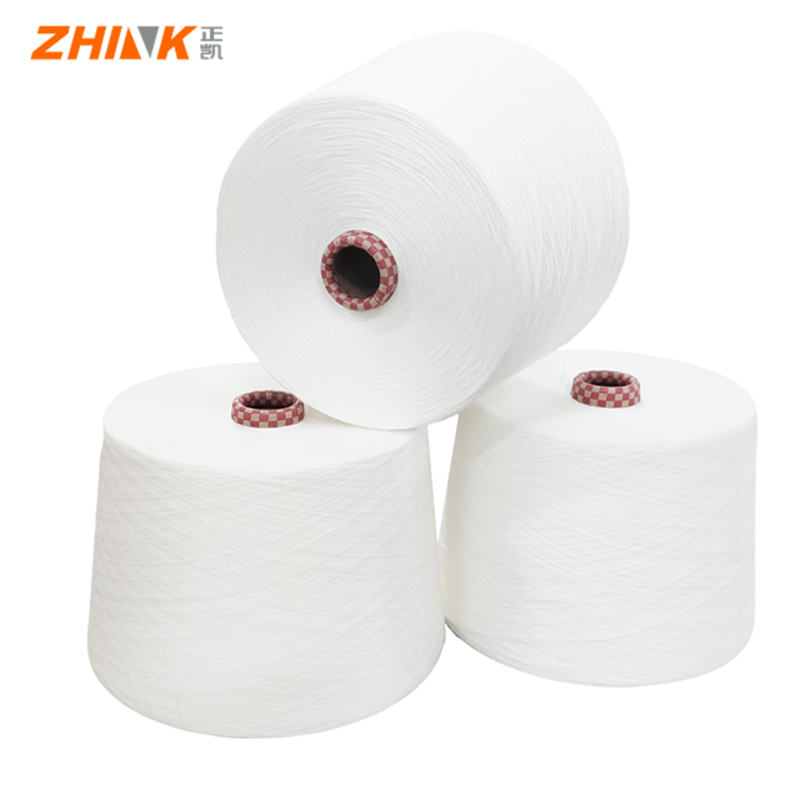
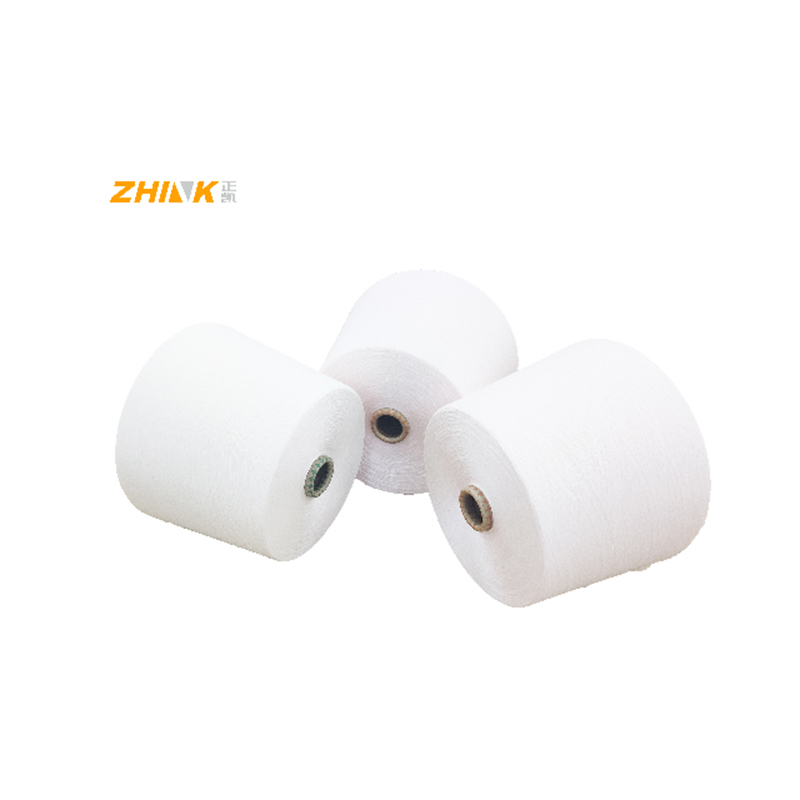
Hollow polyester/ viscose 65/35 yarn
Understanding Hollow Polyester/Viscose 65/35 Yarn
Combining durability and comfort, hollow polyester/viscose 65/35 yarn is intriguing for various textile applications. But what are its true strengths and limitations from a practical standpoint? Let's dive into the real-world dynamics of this versatile blend.
The Basics of Hollow Polyester/Viscose Yarn
At first glance, the hollow polyester/viscose 65/35 yarn appears as a promising option, bringing in advantages from both materials. Polyester adds strength and wrinkle resistance, while viscose contributes to comfort and breathability. However, understanding this blend requires more than just looking at the label.
Real-world applications often reveal how these fibers perform under different conditions. In textiles, the choice of this blend hinges on desired outcomes in terms of texture, durability, and environmental factors. When we say this is a 65/35 blend, the proportion of polyester to viscose sways the characteristics somewhat, favoring durability over the soft touch of viscose.
Working regularly with these materials, it's crucial to note the spinning methods used, as these can significantly affect the yarn's feel and function. The hollow aspect suggests lightweight properties, which can be both a benefit and a drawback depending on the specific use case.
Practical Applications and Insights
So, where does this hollow polyester/viscose 65/35 yarn find its place? From casual wear to upholstery, its applications are wide, but the suitability varies. The yarn's strength-to-weight ratio makes it ideal for light, yet durable fabrics. Still, it's not without challenges.
Consider my experience with fabric wrinkling. Polyester's wrinkle resistance is generally reliable, but when you introduce viscose, unexpected crinkles may appear in some conditions—like high humidity. This interplay of characteristics makes it a balancing act, something companies like SHANDONG ZHINK NEW MATERIAL CO., LTD. aim to master.
Interestingly, this blend's appeal is in customizations. End-users often seek unique finishes or tactile experiences, which manufacturers must cater to. The hollow fibers might trap more air, affecting insulation properties, a desirable trait for certain applications.
Challenges Faced in Production
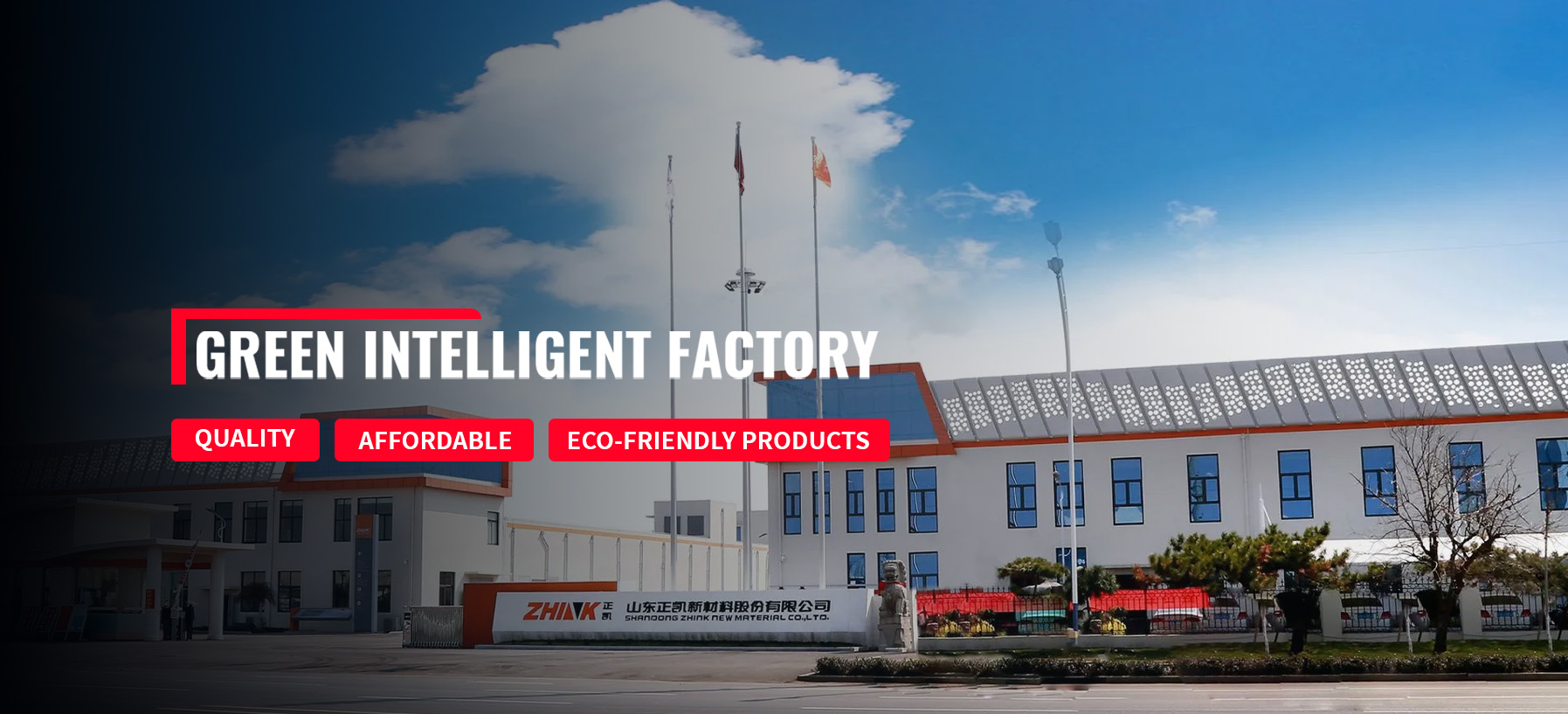
Now, what about the hurdles? Producing hollow polyester/viscose 65/35 yarn isn't always straightforward. Achieving uniformity across batches is one challenge. During production at facilities like Zhink New Material, maintaining perfect blends batch after batch requires meticulous control over raw materials and spinning processes.
Additionally, compatibility of dyes often tests the limits of this blend. Polyester and viscose react differently to dyeing, which can result in color inconsistencies if not handled with precision. A profound understanding of the dyeing process for mixed yarns becomes vital in these scenarios.
Then, there’s the issue of cost versus performance. While the blend offers high performance, cost considerations can't be overlooked. Companies must balance material expenses with end-user price expectations to remain competitive. The economic tide in textile production often demands innovative strategies to sustain profitability.
Case Studies and Observations
Just the other day, we evaluated textiles from SHANDONG ZHINK NEW MATERIAL CO., LTD., accessible via their site, zhinkyarn.com. Their yarns exemplify quality in this blend, focusing on high-end applications where performance cannot be compromised.
In one instance, hollow polyester/viscose was used in outdoor fabrics. Surprisingly, dyed consistency and wear resistance surpassed expectations, showing that meticulous engineering pays off. However, rapid manufacturing processes still found uniformity slipping occasionally, prompting further quality assurance measures.
These observations reinforce that while challenges exist, they lead to innovation. continuous feedback loops between production phases help refine products, an essential practice for staying ahead in a competitive market.
Conclusion: Balancing Innovation and Practicality
Ultimately, hollow polyester/viscose 65/35 yarn thrives on balance—melding polyester's durability with viscose’s comfort. SHANDONG ZHINK NEW MATERIAL CO., LTD. continues to refine this blend, addressing challenges and adapting to market demands.
The nuanced journey of working with this yarn highlights that while potential is vast, it hinges on practical know-how and responsive innovation. Therefore, as the industry evolves, so does our approach, uncovering new pathways to harness the full potential of such materials.
This exploration unravels the complexities tied into these fibers, proposing new stories and solutions—an ongoing dialogue between what we know and where we are headed in the textile landscape.
Related Products
Related Products