+86-632-3621866
- Chinese
- French
- German
- Portuguese
- Spanish
- Russian
- Japanese
- Korean
- Arabic
- Irish
- Greek
- Turkish
- Italian
- Danish
- Romanian
- Indonesian
- Czech
- Afrikaans
- Swedish
- Polish
- Basque
- Catalan
- Esperanto
- Hindi
- Lao
- Albanian
- Amharic
- Armenian
- Azerbaijani
- Belarusian
- Bengali
- Bosnian
- Bulgarian
- Cebuano
- Chichewa
- Corsican
- Croatian
- Dutch
- Estonian
- Filipino
- Finnish
- Frisian
- Galician
- Georgian
- Gujarati
- Haitian
- Hausa
- Hawaiian
- Hebrew
- Hmong
- Hungarian
- Icelandic
- Igbo
- Javanese
- Kannada
- Kazakh
- Khmer
- Kurdish
- Kyrgyz
- Latin
- Latvian
- Lithuanian
- Luxembou..
- Macedonian
- Malagasy
- Malay
- Malayalam
- Maltese
- Maori
- Marathi
- Mongolian
- Burmese
- Nepali
- Norwegian
- Pashto
- Persian
- Punjabi
- Serbian
- Sesotho
- Sinhala
- Slovak
- Slovenian
- Somali
- Samoan
- Scots Gaelic
- Shona
- Sindhi
- Sundanese
- Swahili
- Tajik
- Tamil
- Telugu
- Thai
- Ukrainian
- Urdu
- Uzbek
- Vietnamese
- Welsh
- Xhosa
- Yiddish
- Yoruba
- Zulu
- Kinyarwanda
- Tatar
- Oriya
- Turkmen
- Uyghur



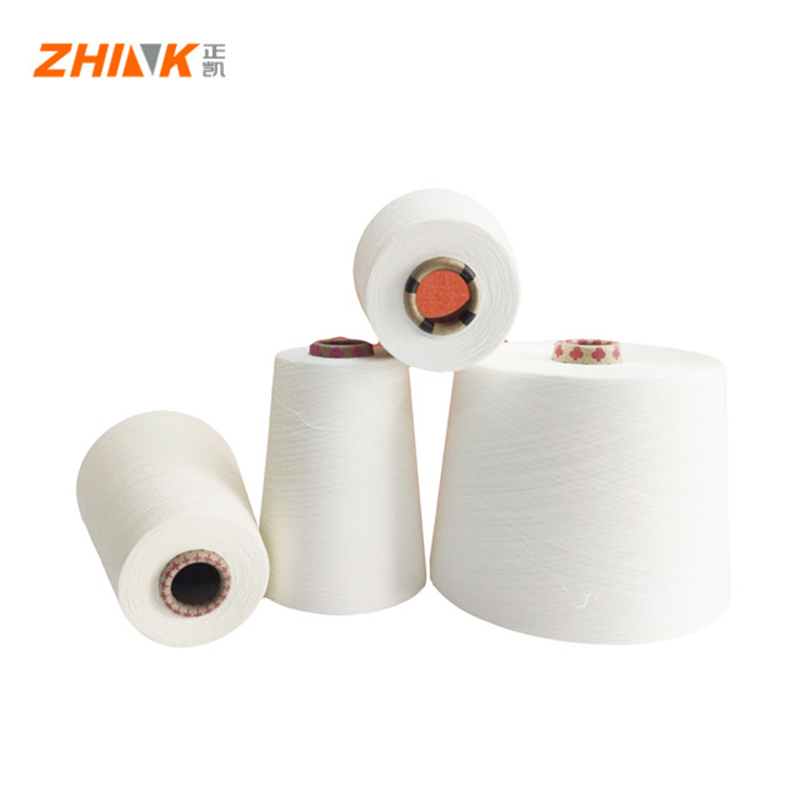
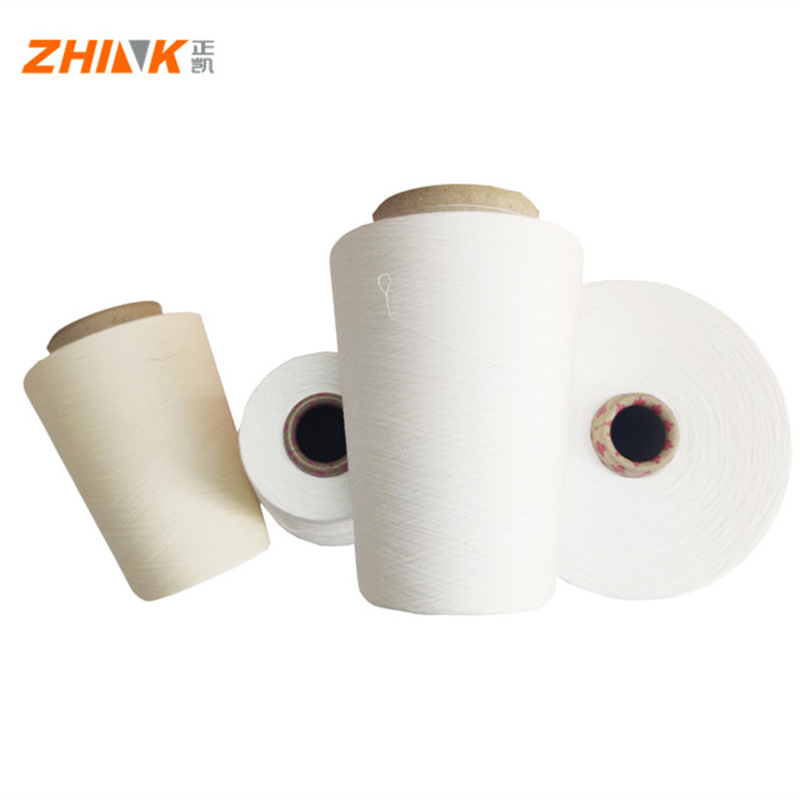
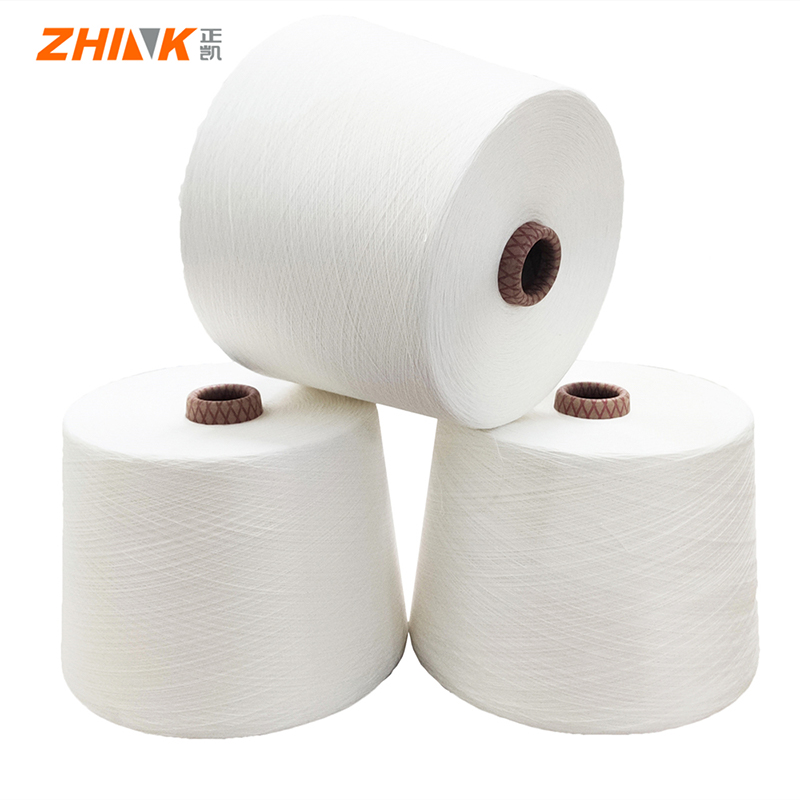
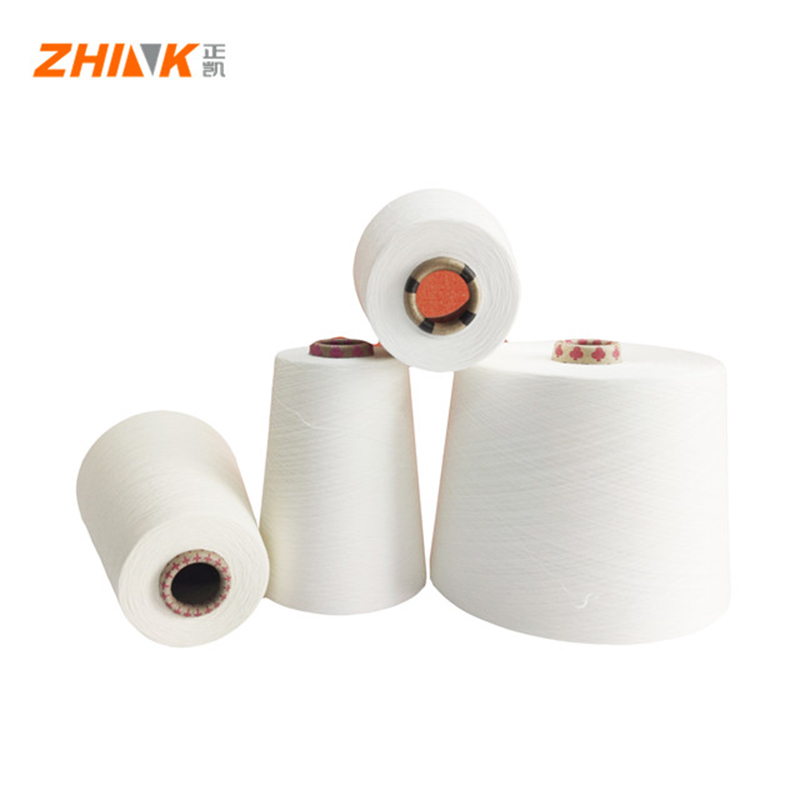
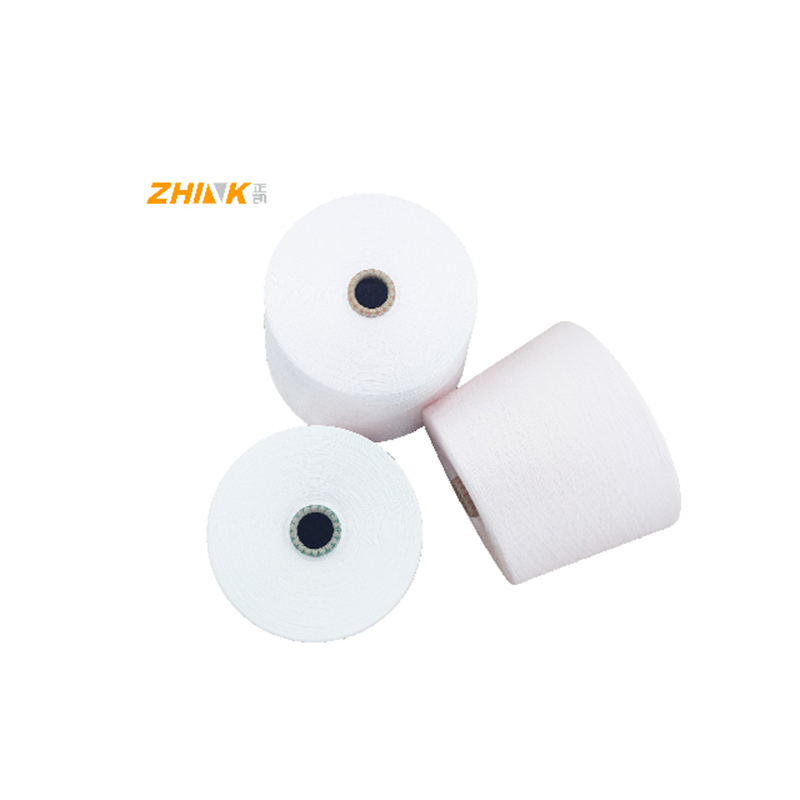
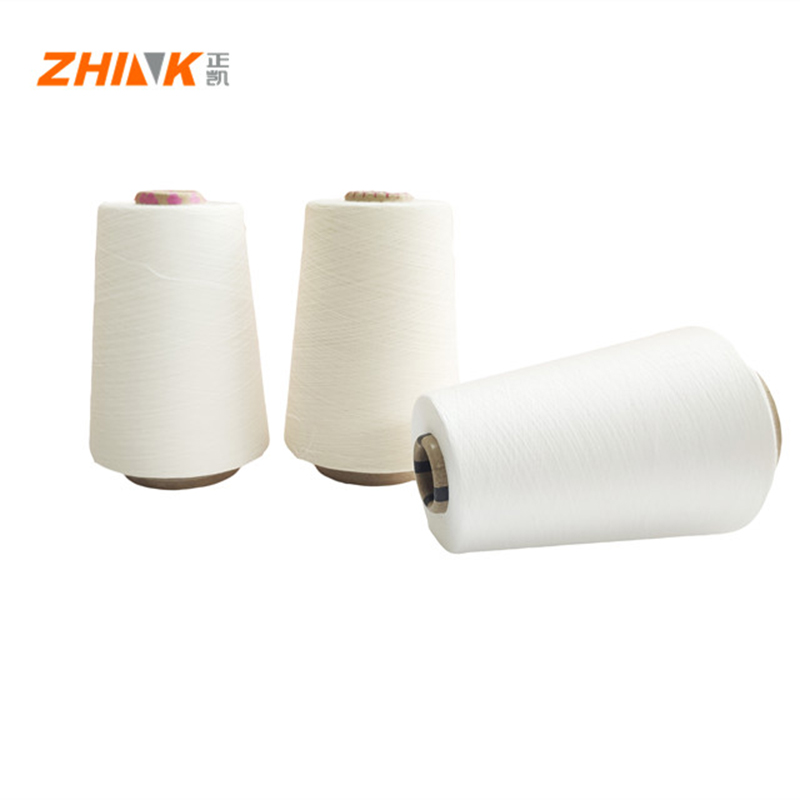
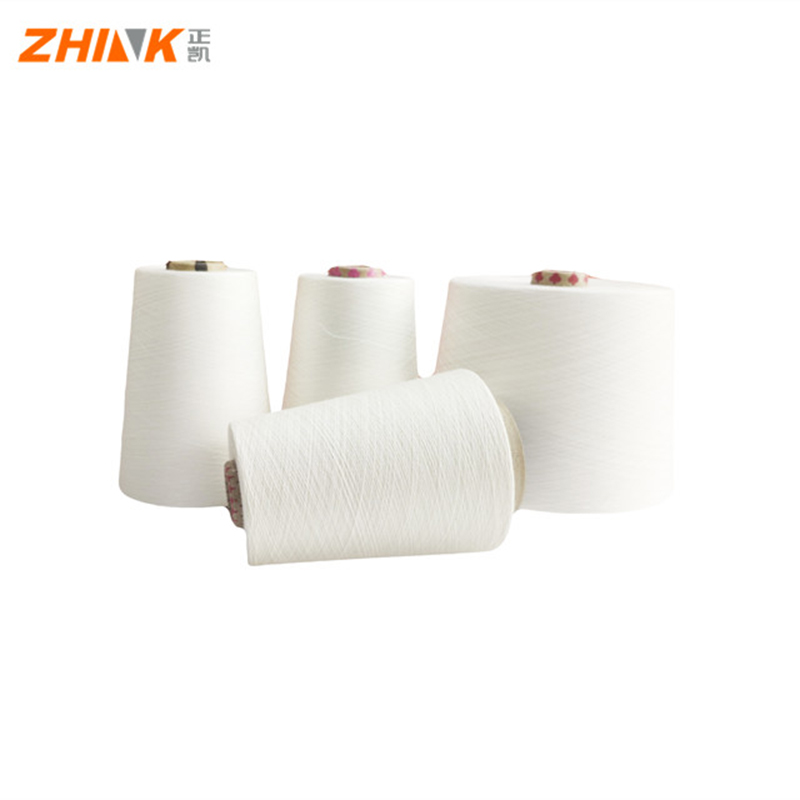
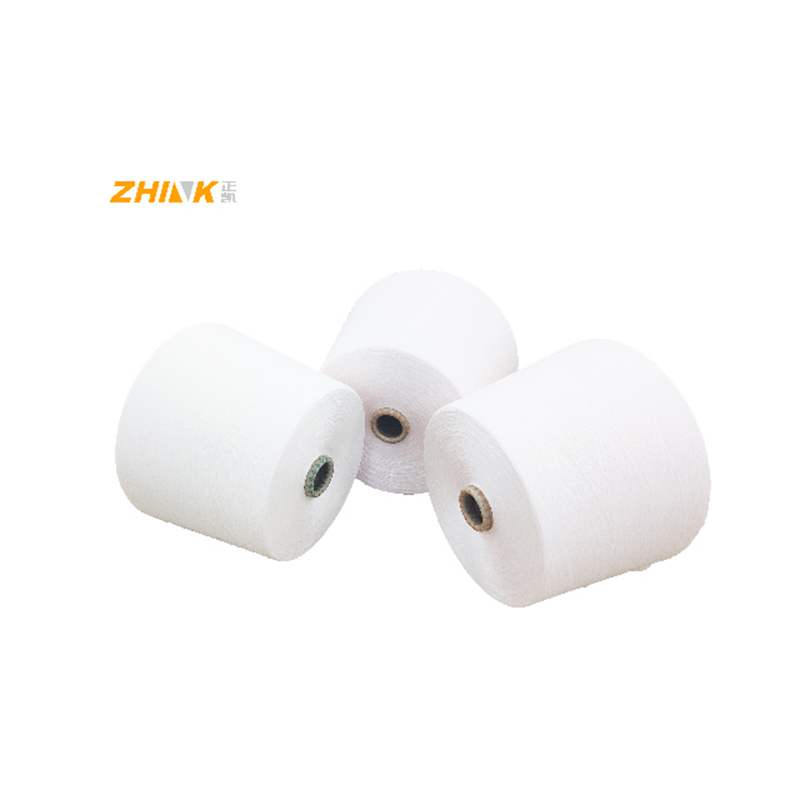
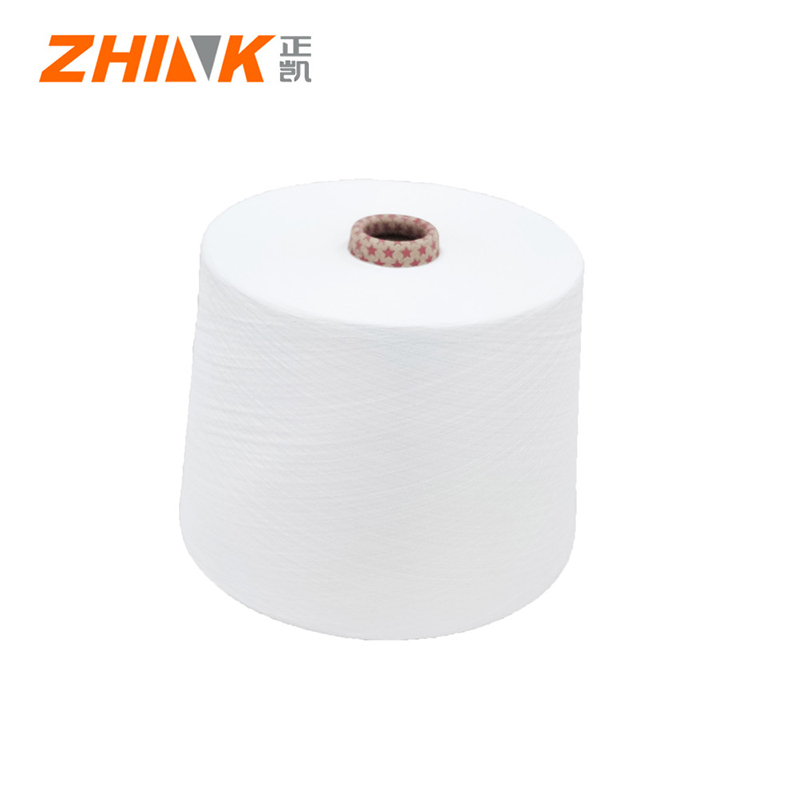
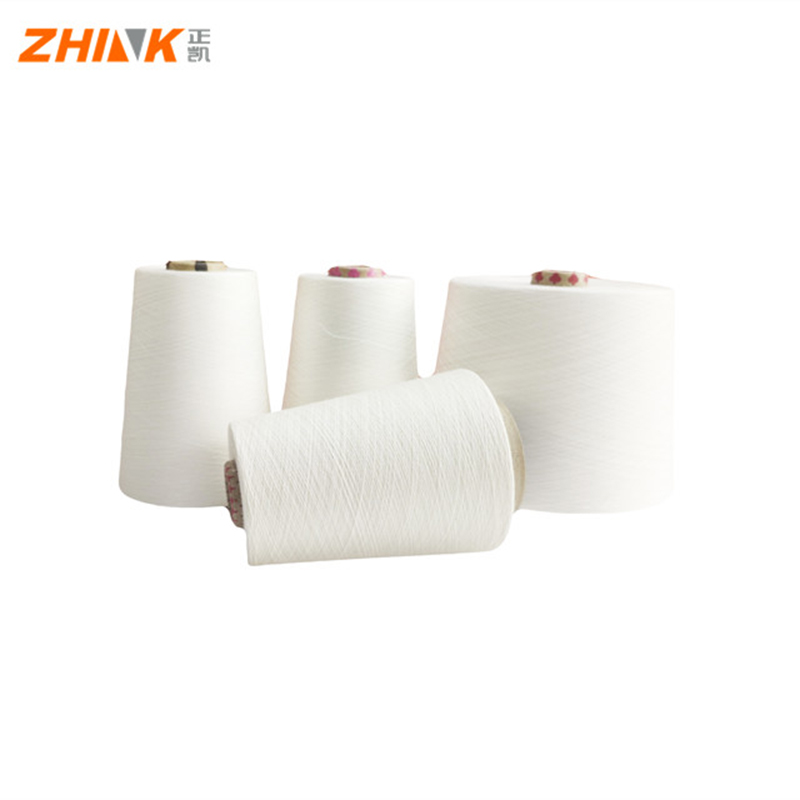
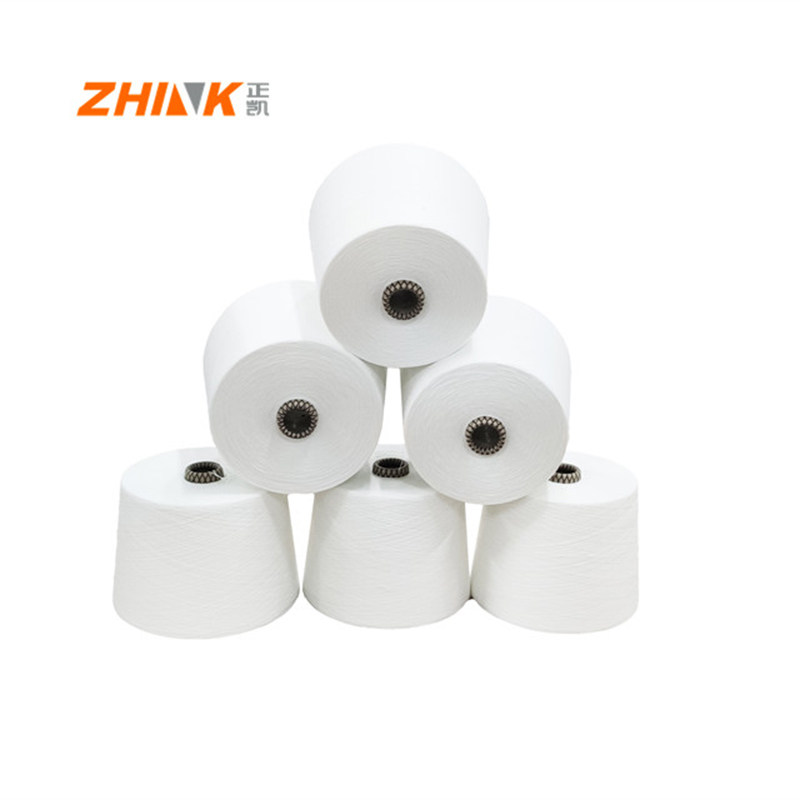
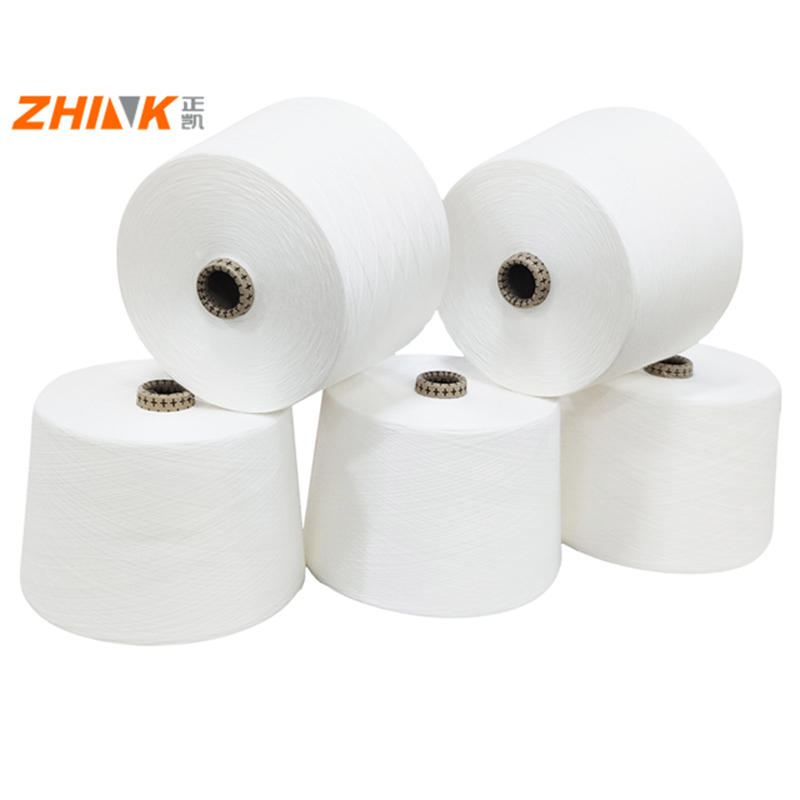
Hollow polyester/ viscose 70/30 yarn
The Dynamics of Hollow Polyester/Viscose 70/30 Yarn
The world of textile manufacturing is often riddled with complex materials and innovative blends. One such fascinating combination is the hollow polyester/viscose 70/30 yarn. While this blend offers numerous advantages, it’s crucial to understand not only the benefits but also the potential pitfalls in its application. As someone who has spent years testing and developing textile materials, I’ve gathered numerous insights into this unique yarn blend.
The Basics: Understanding the Blend
Initially, the idea of blending hollow polyester with viscose might strike one as unusual. Polyester is known for its durability and low moisture absorption, while viscose offers softness and breathability. When combined in a 70/30 ratio, the outcome is a yarn that seeks to balance comfort with resilience. The hollow nature of the polyester grows even more relevant here. Hollow fibers can enhance insulation and decrease the weight of the final fabric, lending a warm yet lightweight characteristic.
However, when we talk about manufacturing at scale, certain challenges emerge. One common obstacle is achieving uniformity in the yarn’s texture. Hollow fibers require precision in the extrusion process, and any deviations can lead to inconsistencies in fabric feel and performance.
During my time working with the material, it became evident that controlling the spinning parameters was key to ensuring consistency. We often adjusted the humidity and temperature settings meticulously during spinning to achieve optimal results.
Real-World Applications
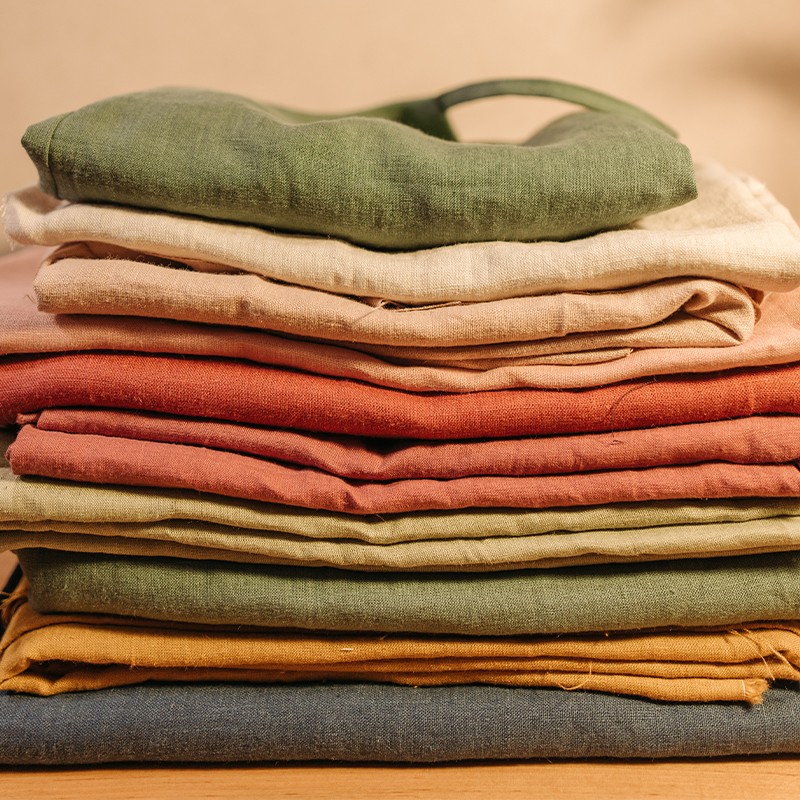
The versatility of the hollow polyester/viscose 70/30 yarn makes it popular for various applications. From activewear to casual clothing, this blend is appreciated for its balance between strength and comfort. In particular, outdoor clothing manufacturers have found it invaluable due to its lightweight and insulating properties.
I recall a project with a well-known sportswear brand that utilized this blend for a new line of thermally efficient athletic tees. The results were a product line that not only provided excellent moisture management but also retained warmth, pivotal during cold morning runs.
It’s also worth mentioning that adaptation can come with its own set of problems. For instance, dyeing this blend demands careful attention to prevent uneven coloration. The distinct absorption rates of polyester and viscose can lead to marled effects if not handled properly.
Challenges in Production
Working with any innovative material blend like the hollow polyester/viscose 70/30 yarn brings challenges, especially in large-scale manufacturing. As I navigated through several production cycles, machine settings became a crucial point of focus. Different spinning speeds and feed rates could vastly affect the fiber’s behavior.
Moreover, achieving the right balance between elasticity and stability in the fabric proved to be crucial for maintaining the desired garment silhouette over time. It’s not just about making fabric but ensuring longevity and consistency.
Some instances required us to revisit the blend composition. A slightly varied viscose percentage sometimes proved useful in specific clothing types where drapability was more critical. This level of customization and tweaking is what makes working with yarns such an intricate art.
Innovations and Future Directions
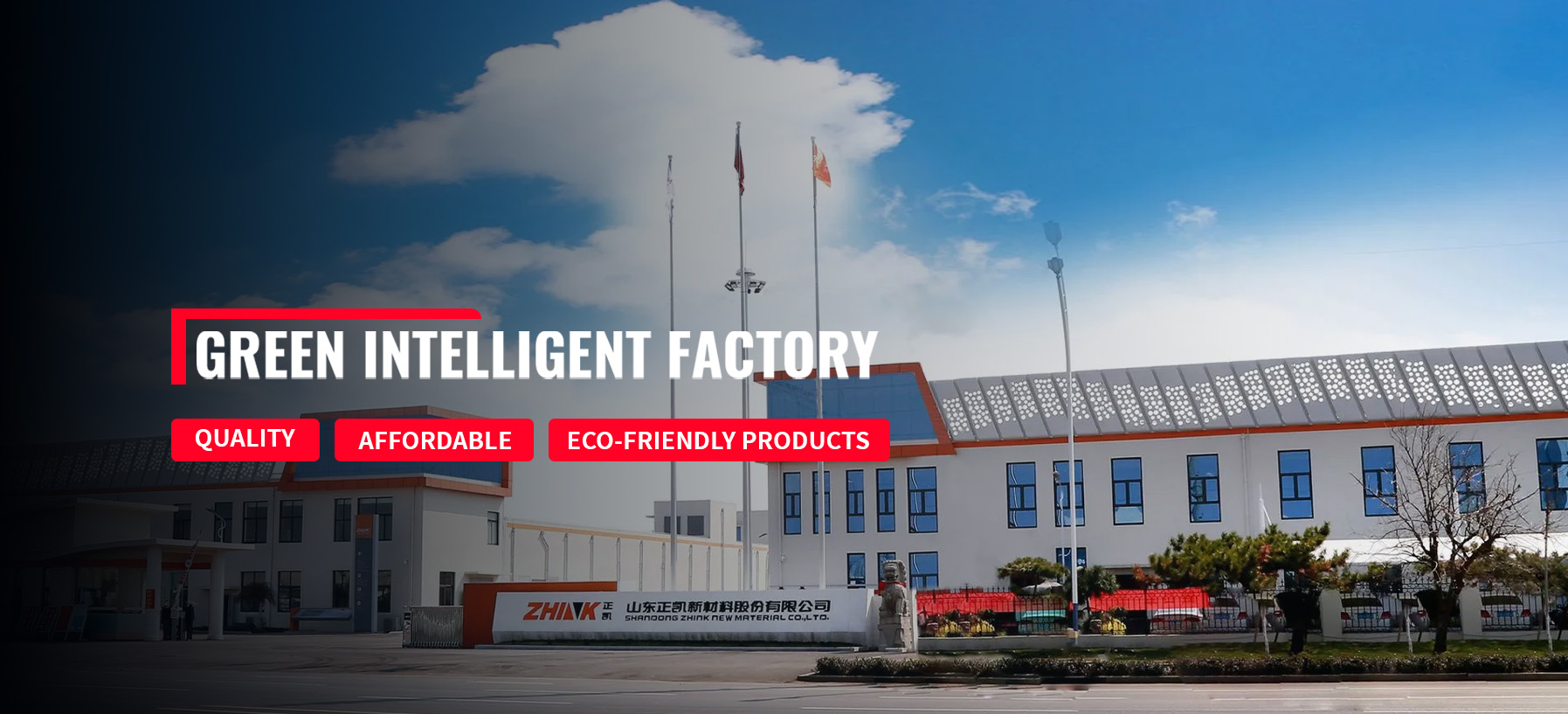
At SHANDONG ZHINK NEW MATERIAL CO., LTD, which you can explore more about at their website, Zhink Yarn, the focus is on pushing the boundaries of textile innovations. The true question is, what's next for hollow polyester/viscose 70/30 yarn? Will further advancements render this blend obsolete, or will it evolve?
Given the current trends focused on sustainability, there’s a spotlight on creating more eco-friendly processes. For Zhink, integrating recycled polyester into this blend is a promising direction. It’s a step forward in minimizing environmental impact while maintaining product quality.
As the demand for multifunctional textiles grows, one can expect continuous developments in how this blend is modified and applied. Whether it’s through new fiber treatments or blending techniques, the journey is far from over.
Lessons Learned and Final Thoughts
Reflecting on the journey with hollow polyester/viscose 70/30 yarn, it strikes me that the blend's true potential lies in understanding its core characteristics and continuously experimenting with its boundaries. Each project offers new insights, whether it leads to breakthroughs or setbacks.
The textile industry is both an art and science, demanding precision and creativity in equal measure. Whether you’re a manufacturer or designer, this yarn blend offers a beautiful yet challenging canvas to work on. As we continue to push forward, lessons learned from each endeavor will guide the way to more refined and advanced textiles.
In the end, it’s the blend of knowledge and material that makes this journey rewarding. Those in the field will appreciate how Yarns like this drive innovation and offer endless possibilities for future developments.
Related Products
Related Products