+86-632-3621866
- Chinese
- French
- German
- Portuguese
- Spanish
- Russian
- Japanese
- Korean
- Arabic
- Irish
- Greek
- Turkish
- Italian
- Danish
- Romanian
- Indonesian
- Czech
- Afrikaans
- Swedish
- Polish
- Basque
- Catalan
- Esperanto
- Hindi
- Lao
- Albanian
- Amharic
- Armenian
- Azerbaijani
- Belarusian
- Bengali
- Bosnian
- Bulgarian
- Cebuano
- Chichewa
- Corsican
- Croatian
- Dutch
- Estonian
- Filipino
- Finnish
- Frisian
- Galician
- Georgian
- Gujarati
- Haitian
- Hausa
- Hawaiian
- Hebrew
- Hmong
- Hungarian
- Icelandic
- Igbo
- Javanese
- Kannada
- Kazakh
- Khmer
- Kurdish
- Kyrgyz
- Latin
- Latvian
- Lithuanian
- Luxembou..
- Macedonian
- Malagasy
- Malay
- Malayalam
- Maltese
- Maori
- Marathi
- Mongolian
- Burmese
- Nepali
- Norwegian
- Pashto
- Persian
- Punjabi
- Serbian
- Sesotho
- Sinhala
- Slovak
- Slovenian
- Somali
- Samoan
- Scots Gaelic
- Shona
- Sindhi
- Sundanese
- Swahili
- Tajik
- Tamil
- Telugu
- Thai
- Ukrainian
- Urdu
- Uzbek
- Vietnamese
- Welsh
- Xhosa
- Yiddish
- Yoruba
- Zulu
- Kinyarwanda
- Tatar
- Oriya
- Turkmen
- Uyghur


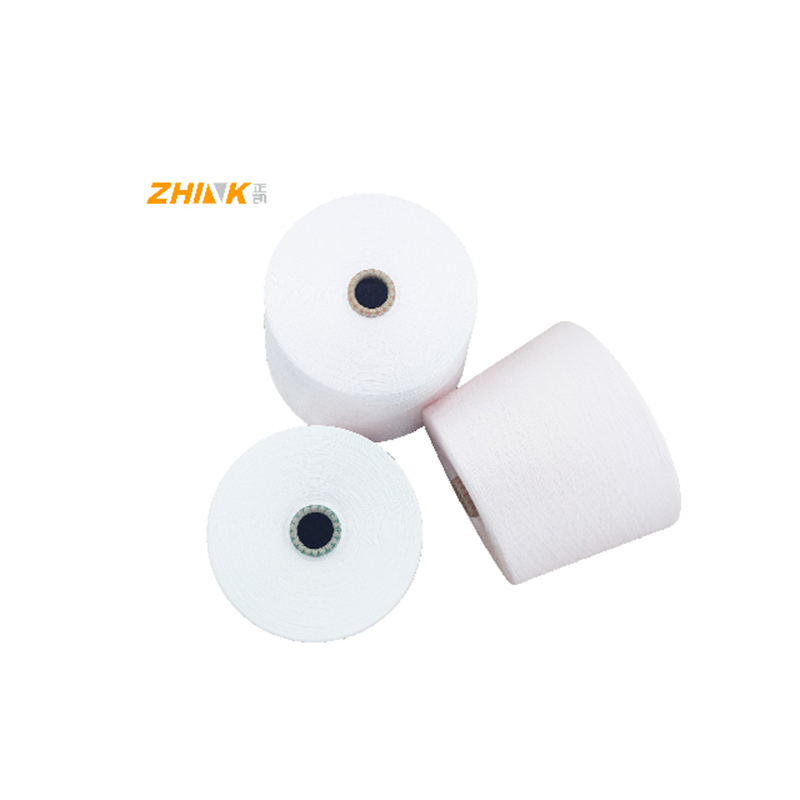
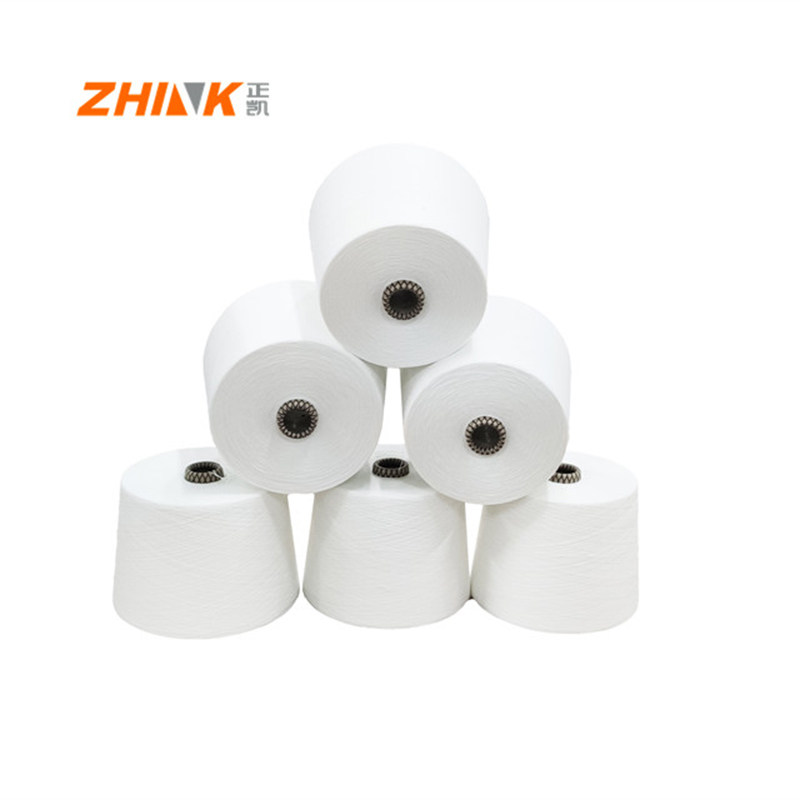
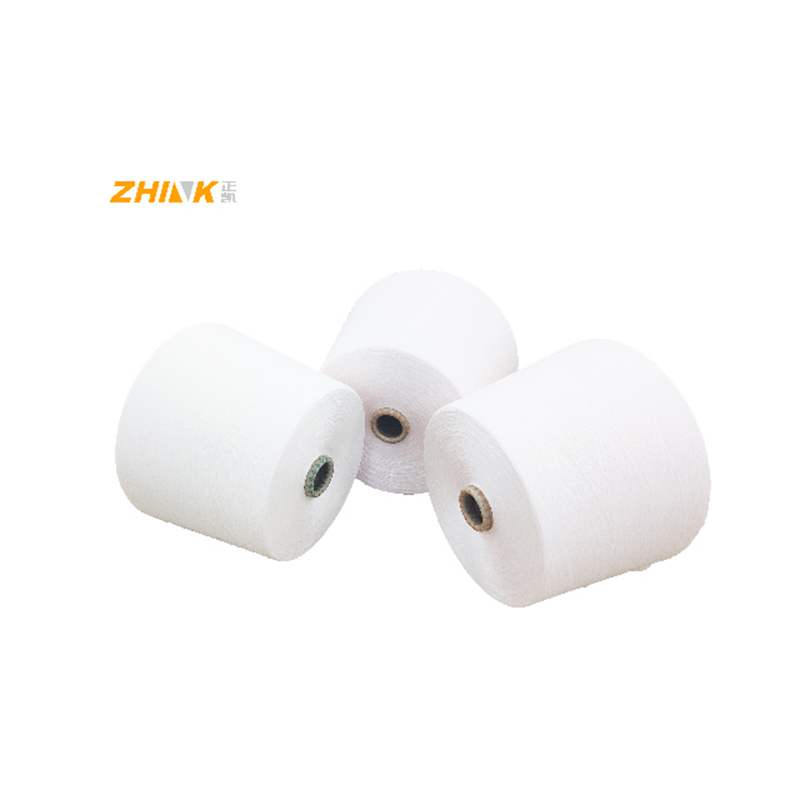
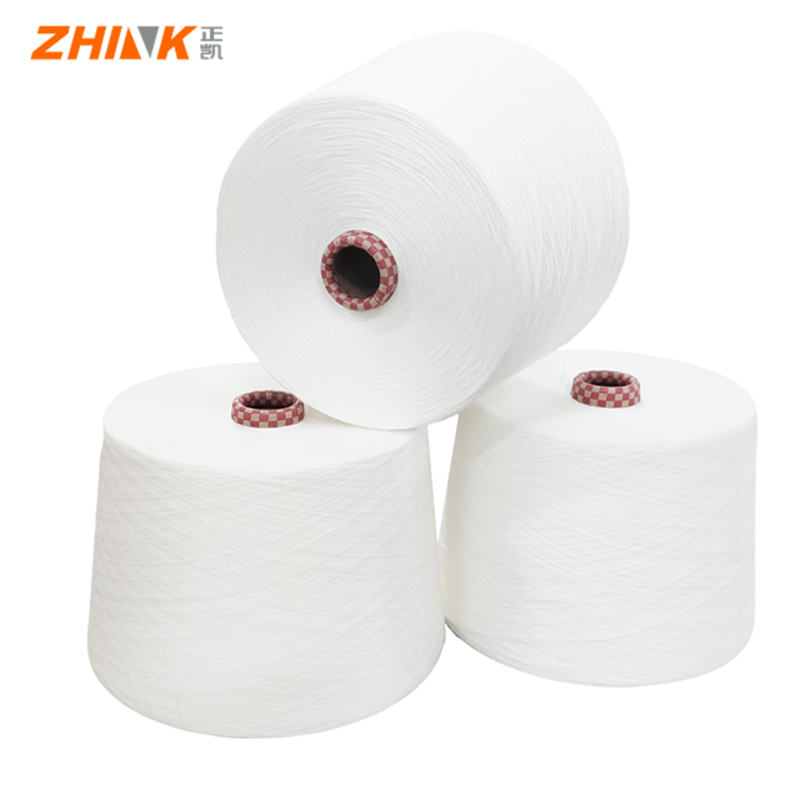
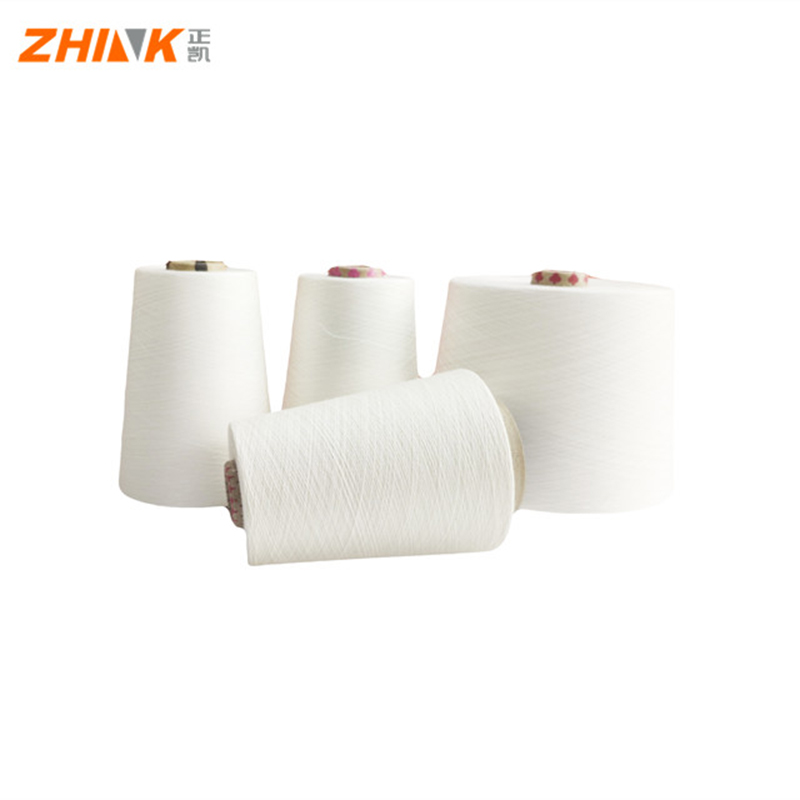
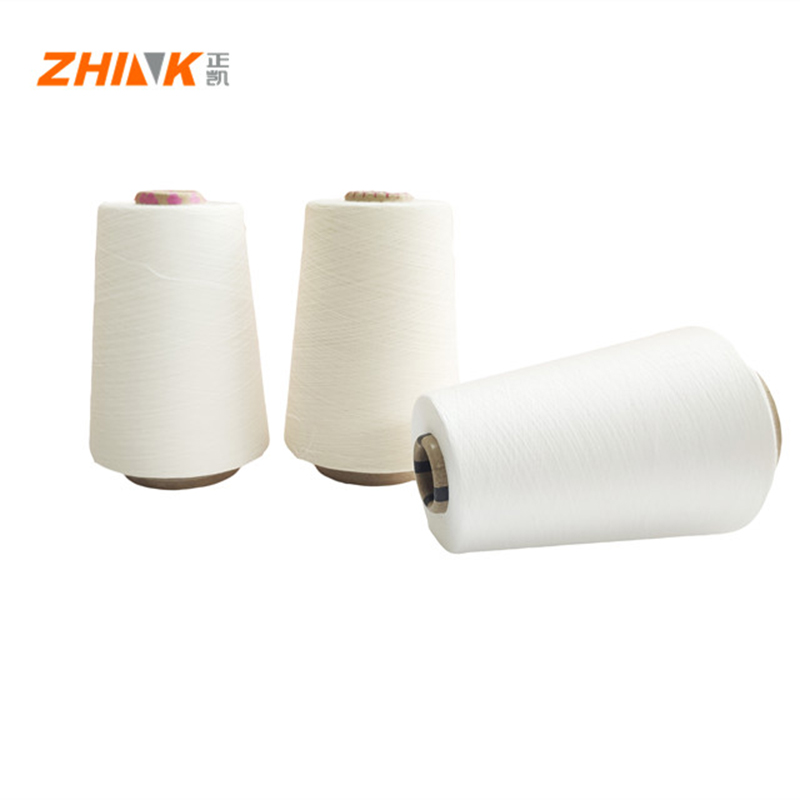
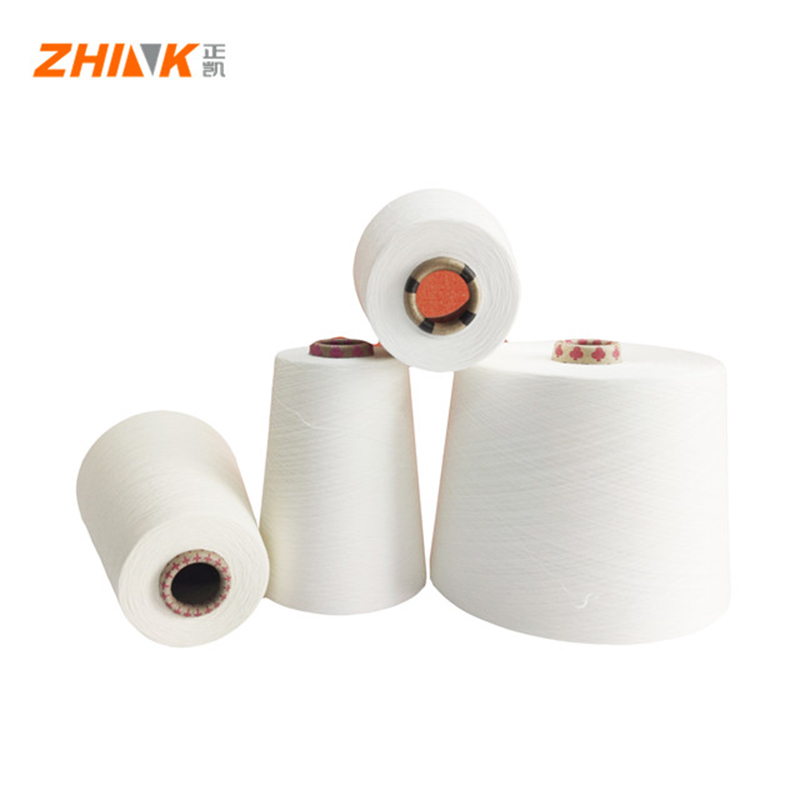
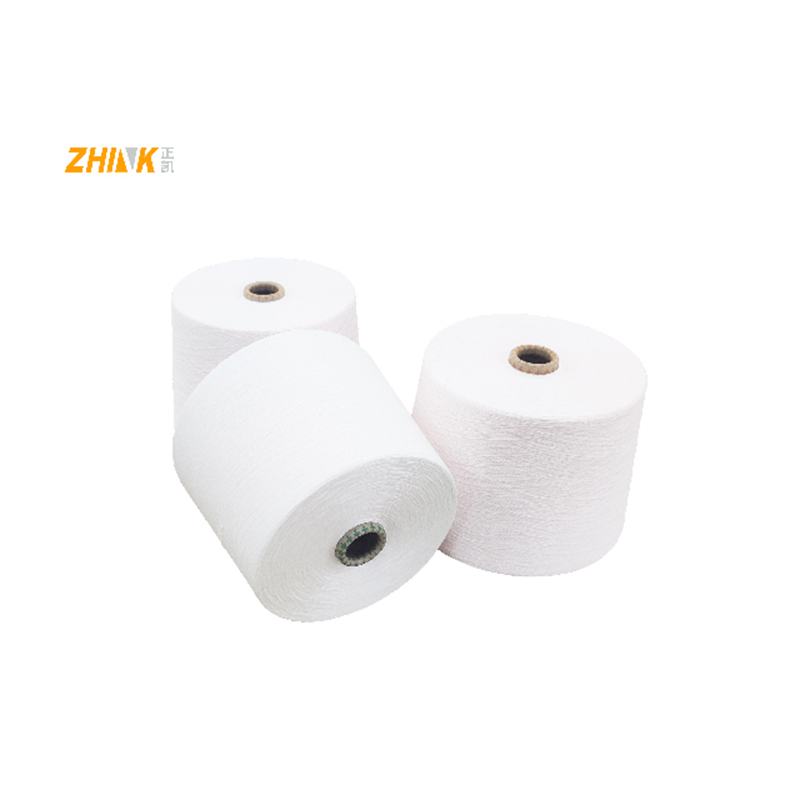
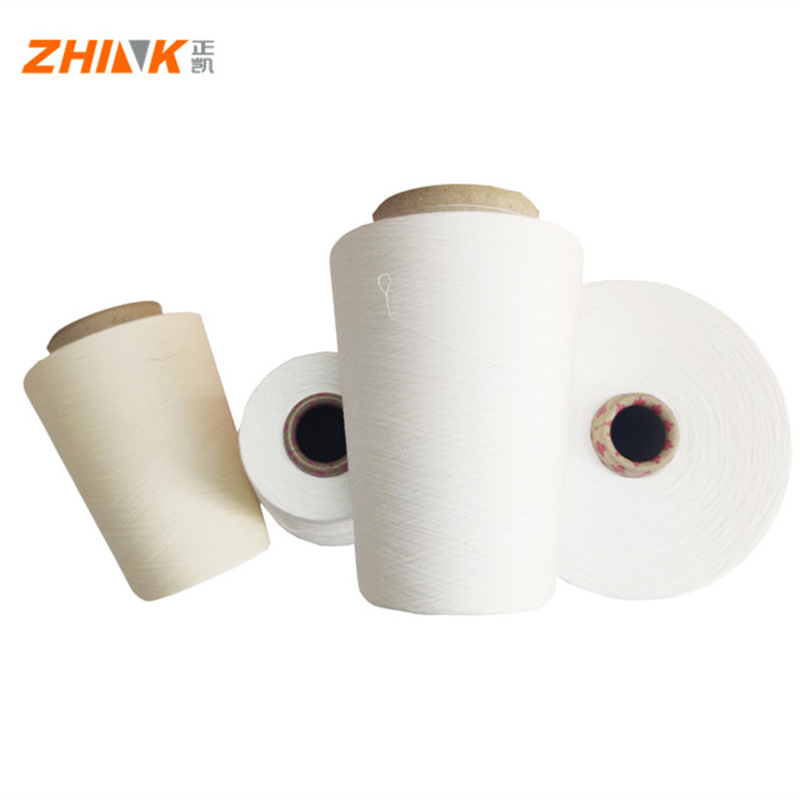
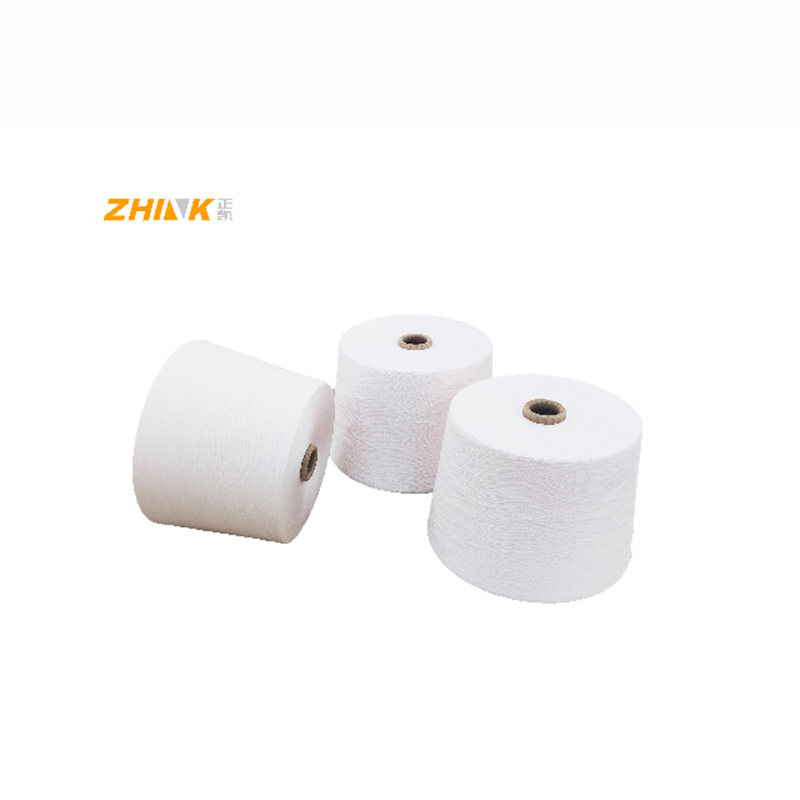
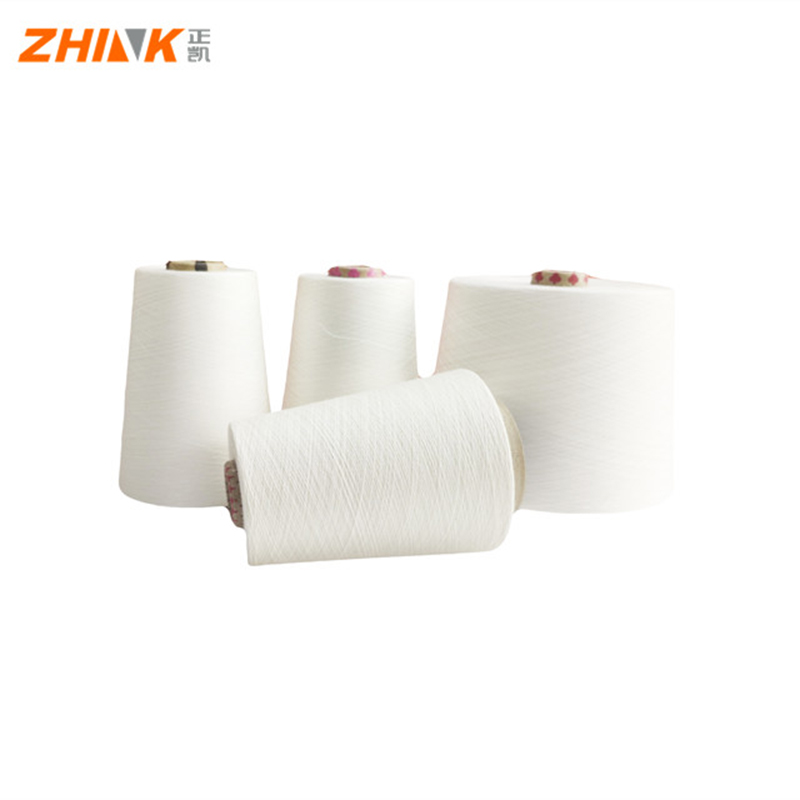
Hollow polyester/ viscose spandex yarn
The Versatility of Hollow Polyester/Viscose Spandex Yarn in Modern Textiles
In the ever-evolving textile industry, hollow polyester/viscose spandex yarn stands out as a versatile and innovative material. It's not just about blending fibers; it's about achieving a perfect balance between comfort, functionality, and sustainability.
Understanding the Composition
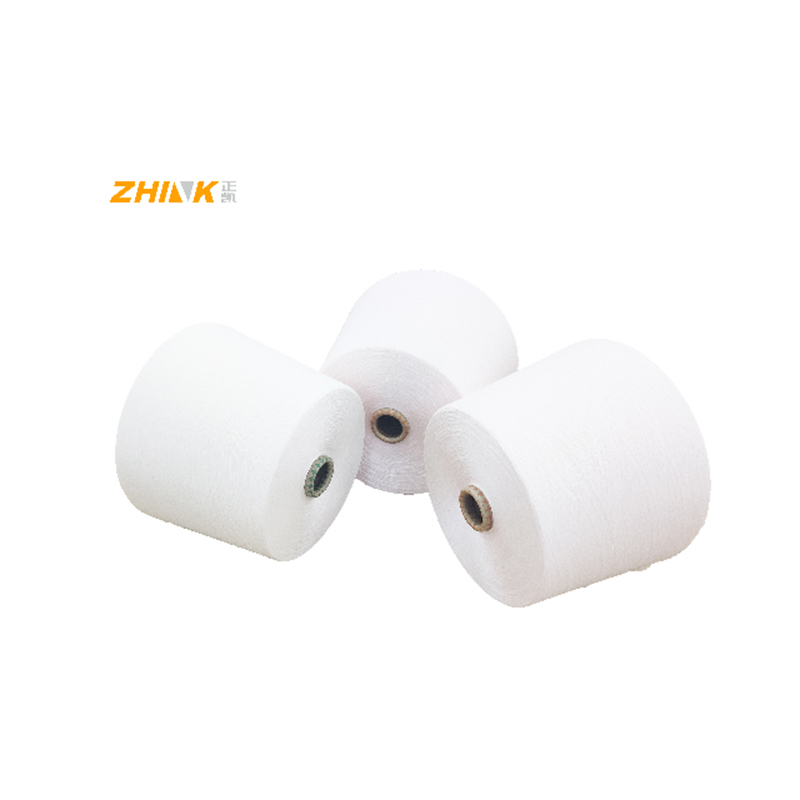
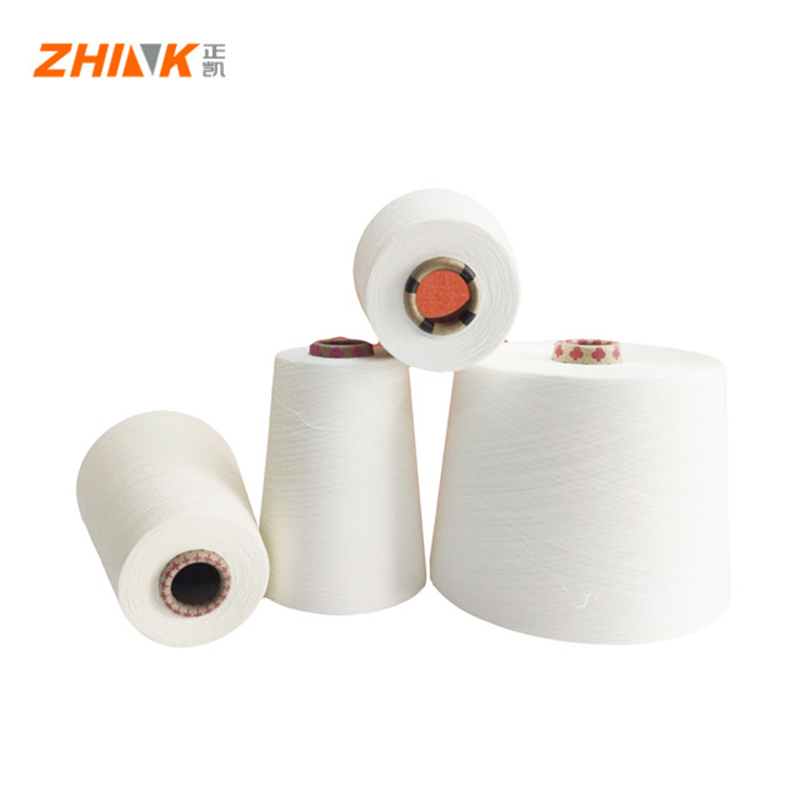
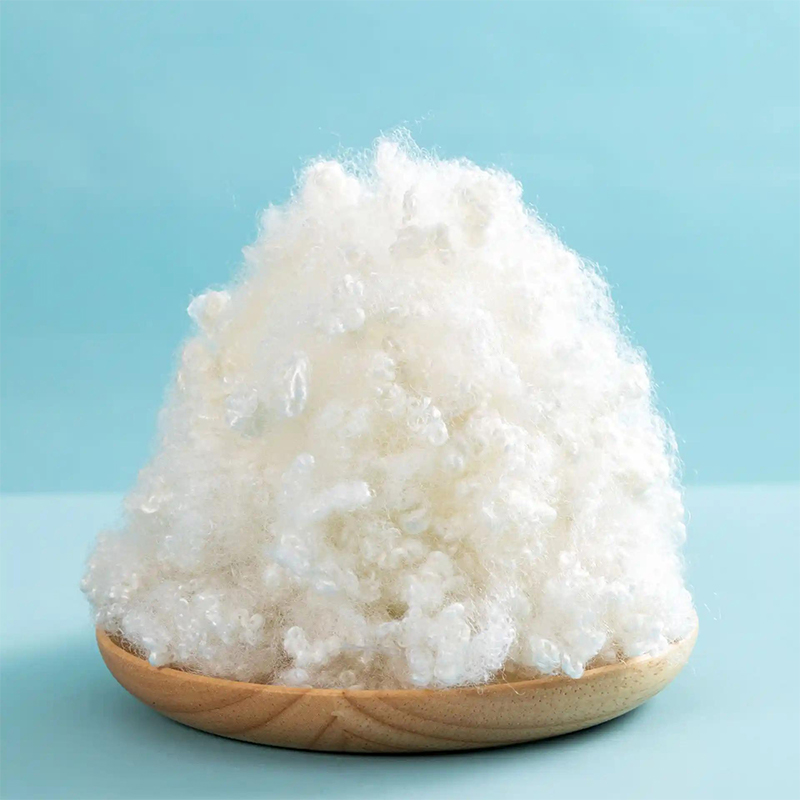
Hollow polyester, viscose, and spandex—each of these fibers brings unique qualities to the table. Polyester is known for its durability and moisture-wicking properties, while viscose offers softness and breathability. Adding spandex into the mix introduces elasticity and comfort. The hollow nature of the yarn enhances insulation, making it ideal for various applications.
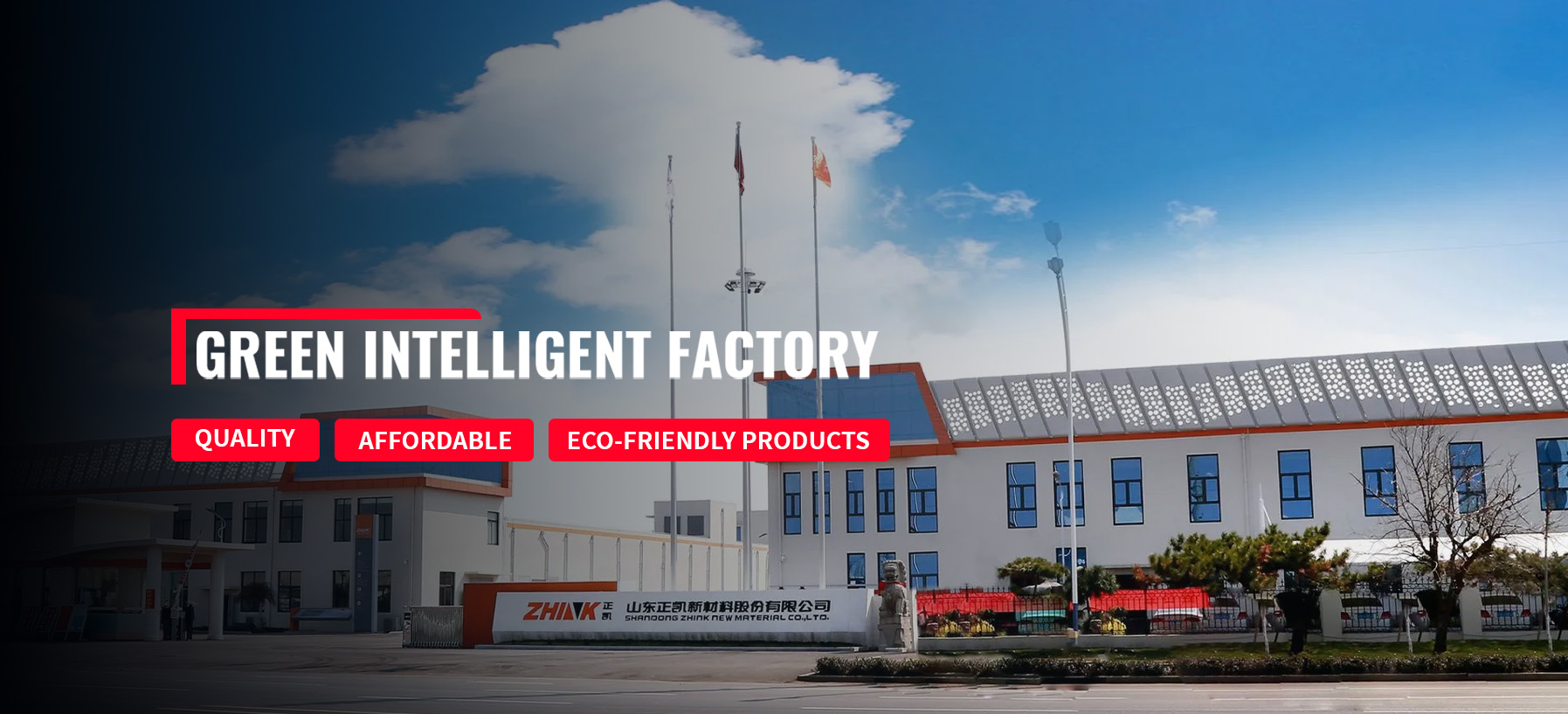
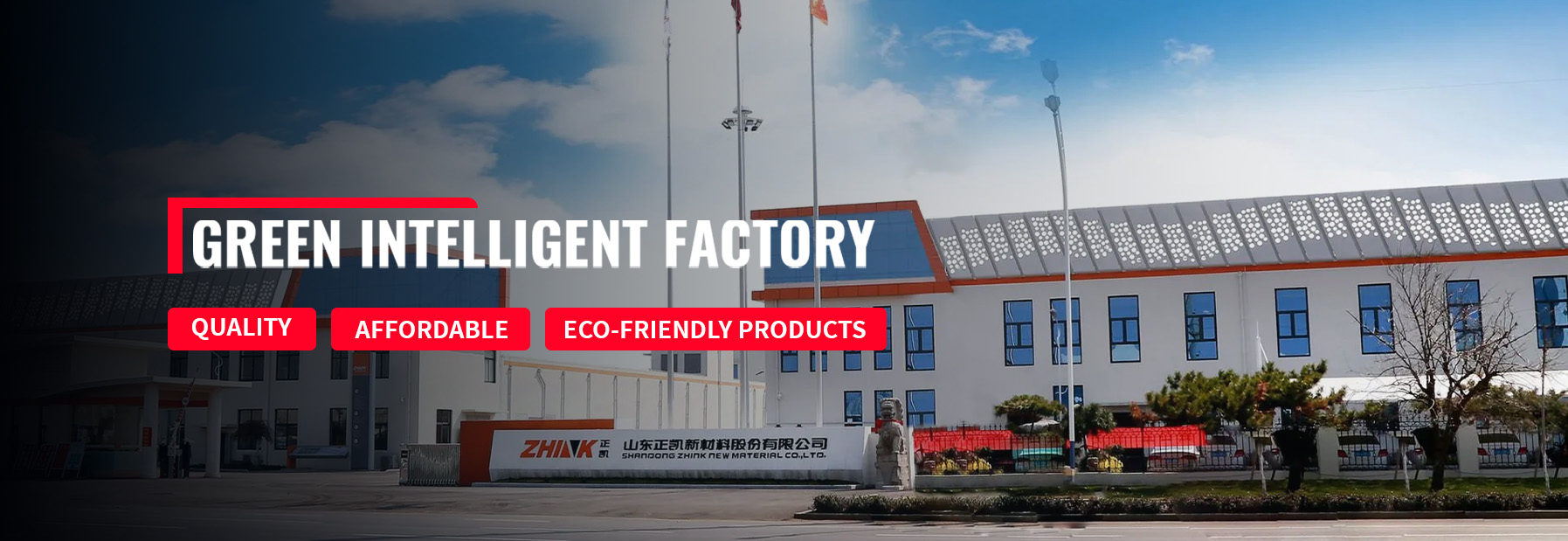
When I first encountered this yarn at SHANDONG ZHINK NEW MATERIAL CO., LTD, I was taken by its light yet robust texture. Zhink's commitment to quality can be seen in the consistency and feel of their products, easily traceable on their website, zhinkyarn.com.
However, blending these fibers isn't straightforward. It involves precise machinery and expertise, areas where Zhink excels. Their advanced R&D facilities ensure that each batch meets stringent quality standards.
Practical Applications
This material's versatility is evident in its diverse range of applications. From activewear to casual clothing, the blend adapts well to different environments. The hollow structure adds a layer of thermal insulation, crucial for outdoor wear.
In one instance, a designer mentioned how incorporating this yarn into outerwear not only enhanced comfort but also allowed for energy-efficient production. It’s these kinds of innovations that continue to push the boundaries in climatic adaptability.
Moreover, the incorporation of spandex plays a critical role. It ensures that garments retain their shape and provide a snug fit without compromising movement, making them essential in sportswear manufacturing.
Challenges in Production
Despite its advantages, producing hollow polyester/viscose spandex yarn can be challenging. One significant hurdle is maintaining the yarn's structural integrity during the spinning process. The hollow fibers can be fragile, requiring careful handling and precise tension management.
During a visit to Zhink's facility, I observed technicians meticulously adjusting the spinning machines to optimize tension and speed. It's a delicate balance; too much pressure can crush the hollowness, while too little can compromise yarn durability.
These insights emphasize how critical skilled operators are to the production process, ensuring that the final product meets both strength and aesthetic standards.
Environmental Considerations
With sustainability becoming a major concern in textiles, the role of hollow polyester/viscose blends is significant. The use of recycled polyester in these yarns aligns with environmental goals, reducing waste and energy consumption.
At Zhink, sustainability is not just a buzzword but a integrated aspect of their production philosophy, as detailed on their website. They focus on minimizing environmental impact at each step, from sourcing to final product.
This approach ensures that while the industry innovates with new materials, it does not compromise on ecological responsibilities—a philosophy that resonates throughout Zhink's operations.
Future Trends
As demands for more versatile and sustainable textiles grow, the role of yarn blends, particularly those that incorporate advanced fibers like spandex, becomes increasingly vital. The future likely holds even more sophisticated blends that enhance performance without sacrificing comfort.
At industry conferences, there’s an ongoing dialogue about how companies can leverage these materials. It's a conversation that Zhink is actively part of, sharing insights and advancements with peers, helping to drive industry standards forward.
Looking ahead, one can expect further innovations in the blending process, perhaps even yarns with multifunctional properties beyond current capabilities. As ever, companies like SHANDONG ZHINK NEW MATERIAL CO., LTD will be at the forefront, steering these advancements.
Related Products
Related Products