+86-632-3621866
- Chinese
- French
- German
- Portuguese
- Spanish
- Russian
- Japanese
- Korean
- Arabic
- Irish
- Greek
- Turkish
- Italian
- Danish
- Romanian
- Indonesian
- Czech
- Afrikaans
- Swedish
- Polish
- Basque
- Catalan
- Esperanto
- Hindi
- Lao
- Albanian
- Amharic
- Armenian
- Azerbaijani
- Belarusian
- Bengali
- Bosnian
- Bulgarian
- Cebuano
- Chichewa
- Corsican
- Croatian
- Dutch
- Estonian
- Filipino
- Finnish
- Frisian
- Galician
- Georgian
- Gujarati
- Haitian
- Hausa
- Hawaiian
- Hebrew
- Hmong
- Hungarian
- Icelandic
- Igbo
- Javanese
- Kannada
- Kazakh
- Khmer
- Kurdish
- Kyrgyz
- Latin
- Latvian
- Lithuanian
- Luxembou..
- Macedonian
- Malagasy
- Malay
- Malayalam
- Maltese
- Maori
- Marathi
- Mongolian
- Burmese
- Nepali
- Norwegian
- Pashto
- Persian
- Punjabi
- Serbian
- Sesotho
- Sinhala
- Slovak
- Slovenian
- Somali
- Samoan
- Scots Gaelic
- Shona
- Sindhi
- Sundanese
- Swahili
- Tajik
- Tamil
- Telugu
- Thai
- Ukrainian
- Urdu
- Uzbek
- Vietnamese
- Welsh
- Xhosa
- Yiddish
- Yoruba
- Zulu
- Kinyarwanda
- Tatar
- Oriya
- Turkmen
- Uyghur



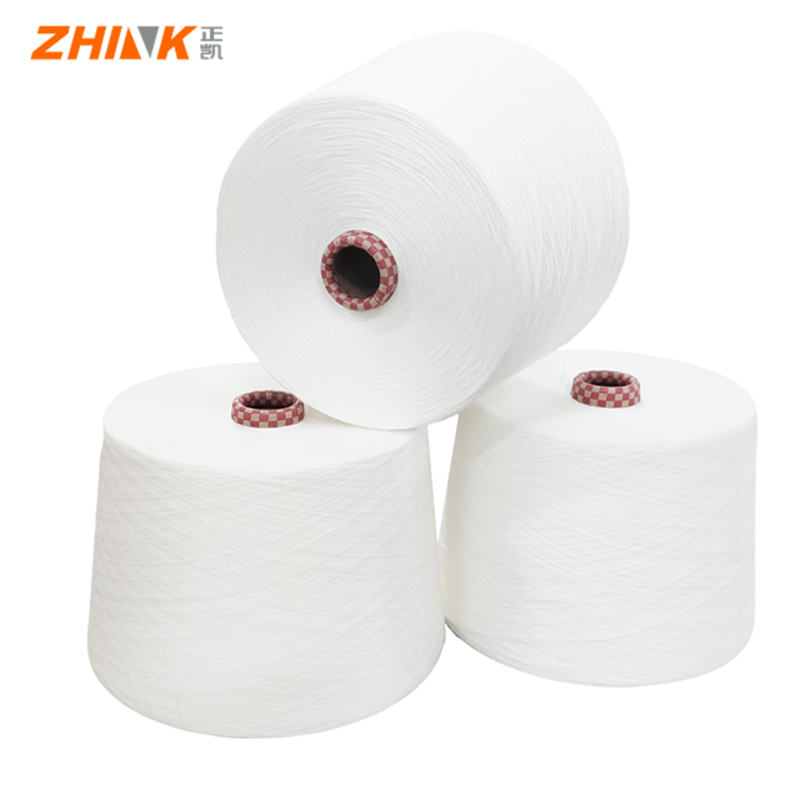
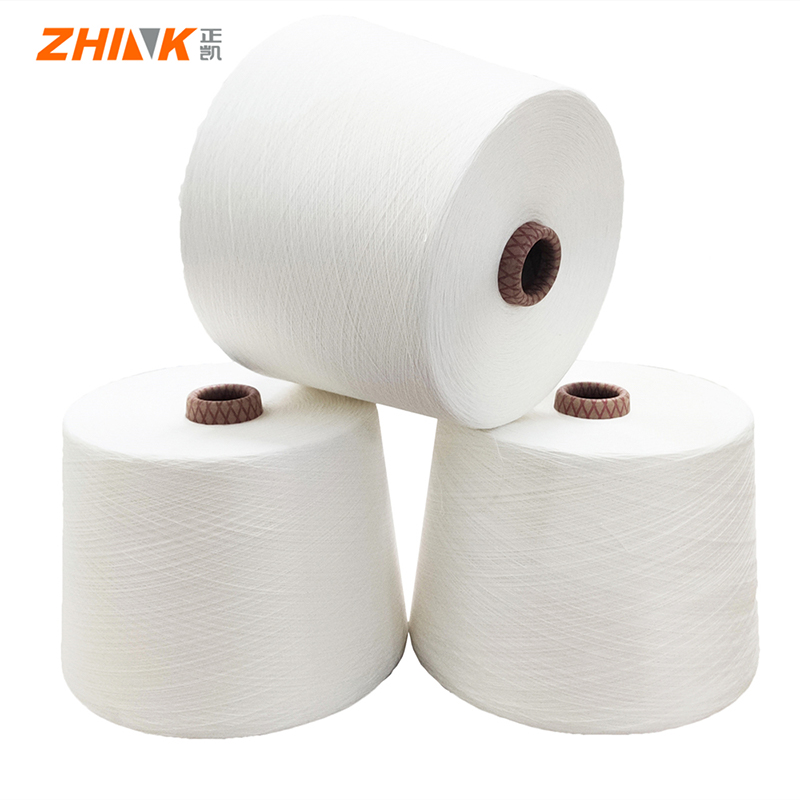
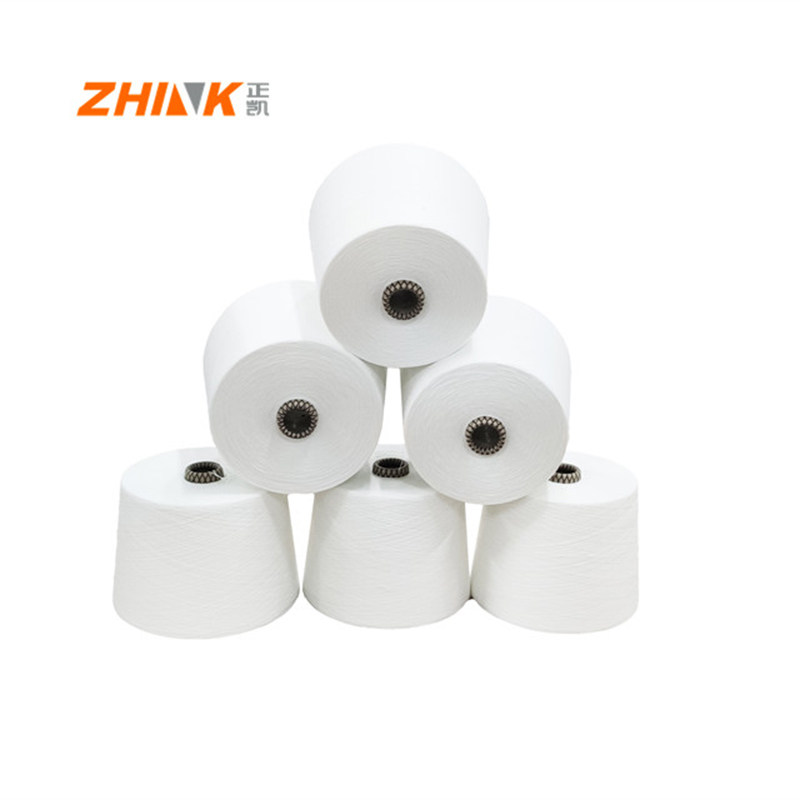
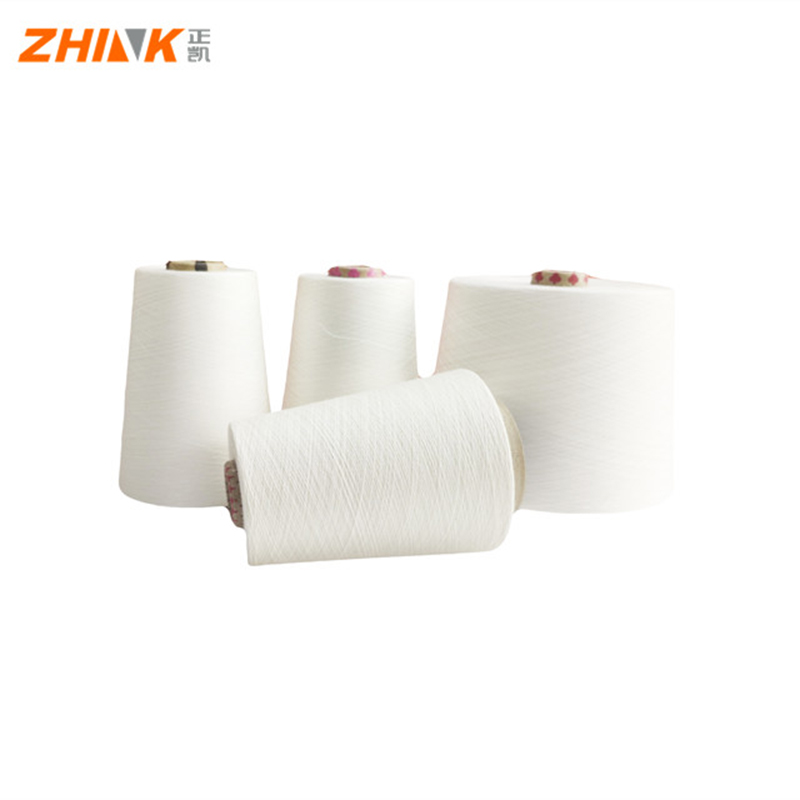
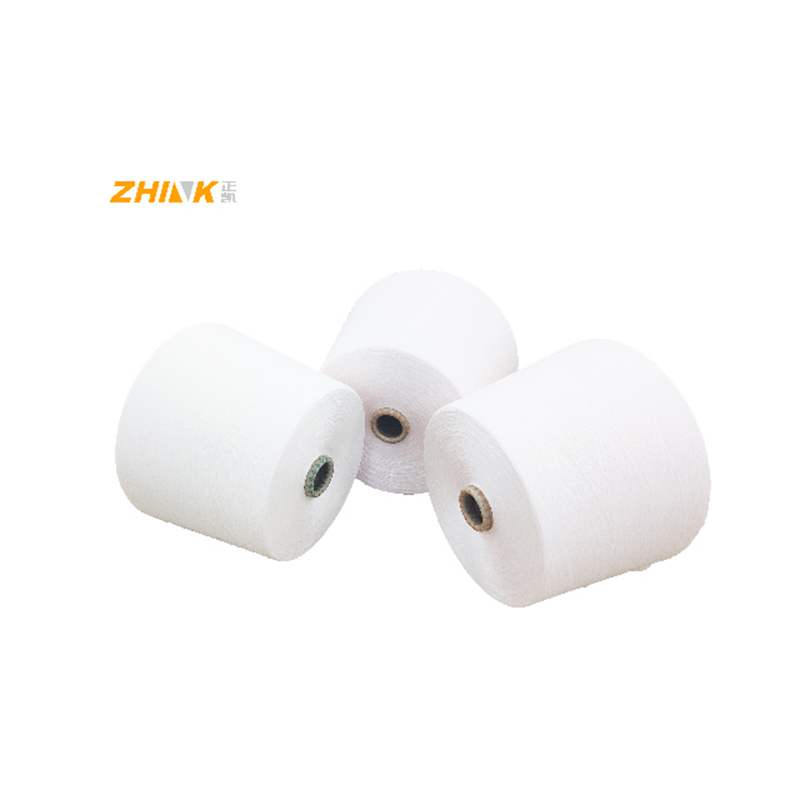
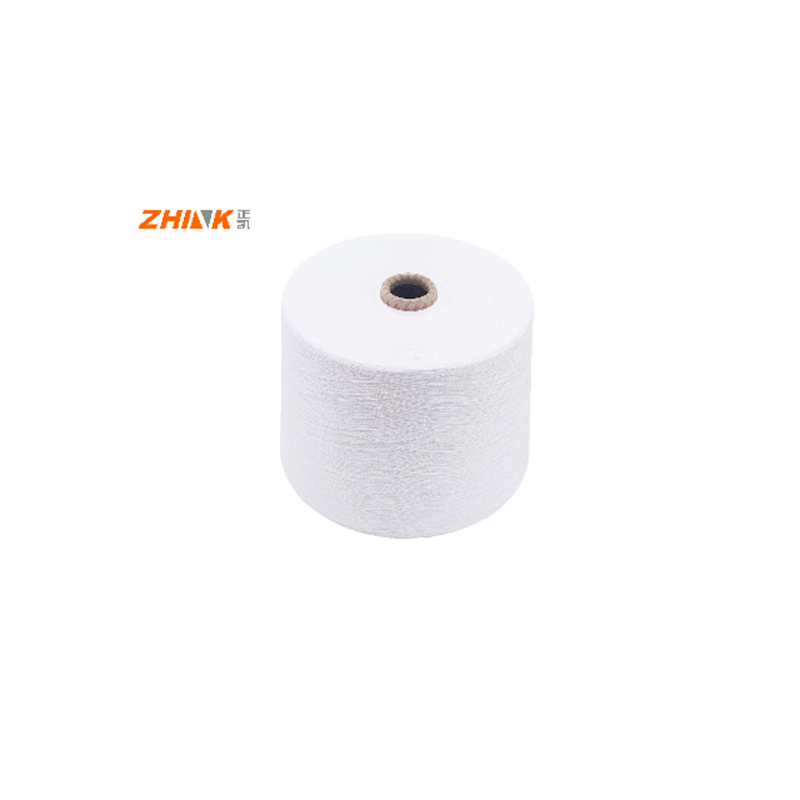
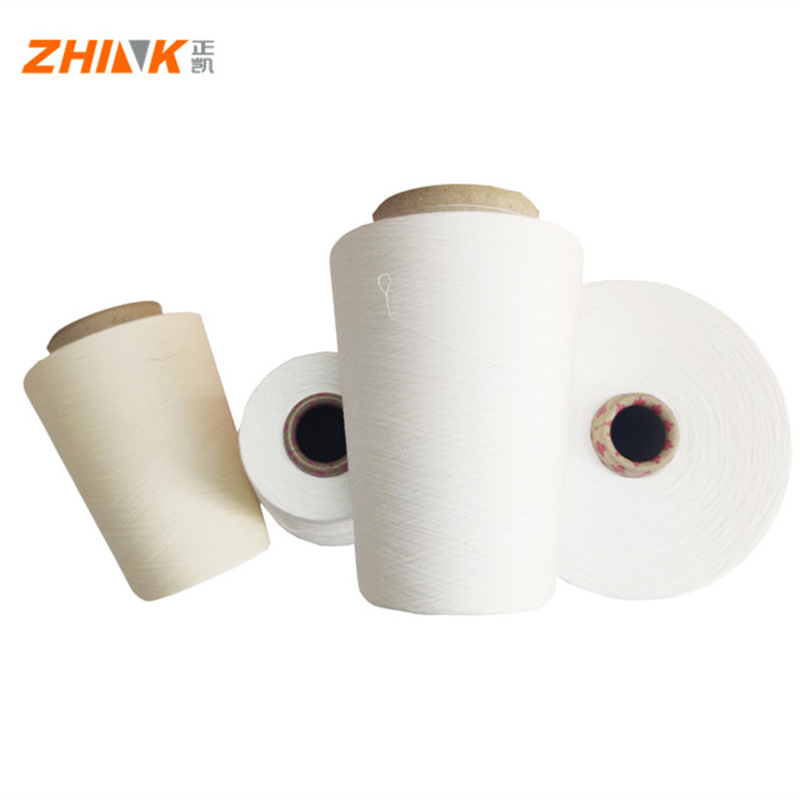
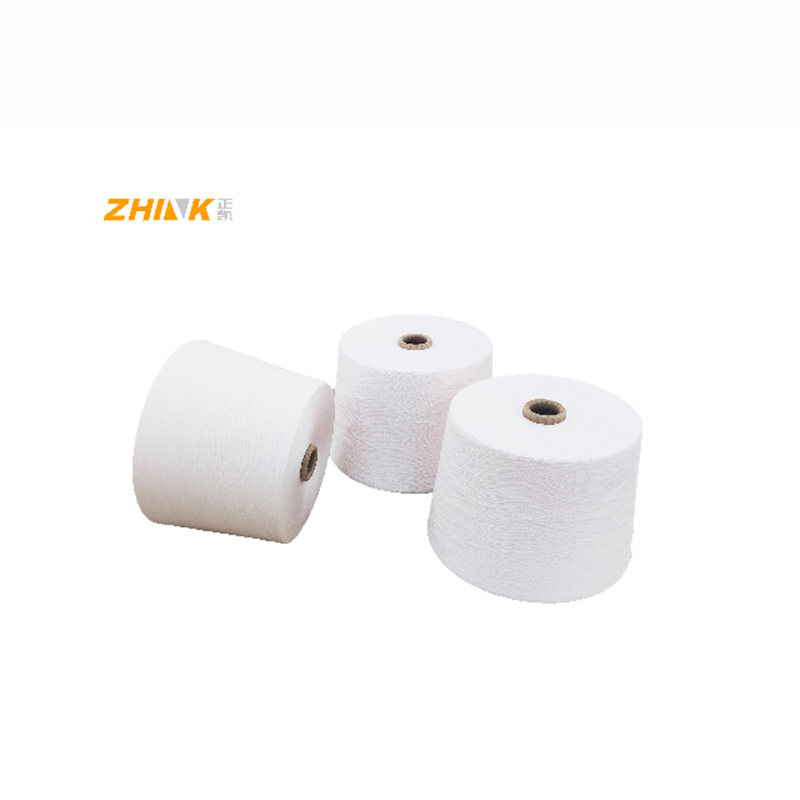
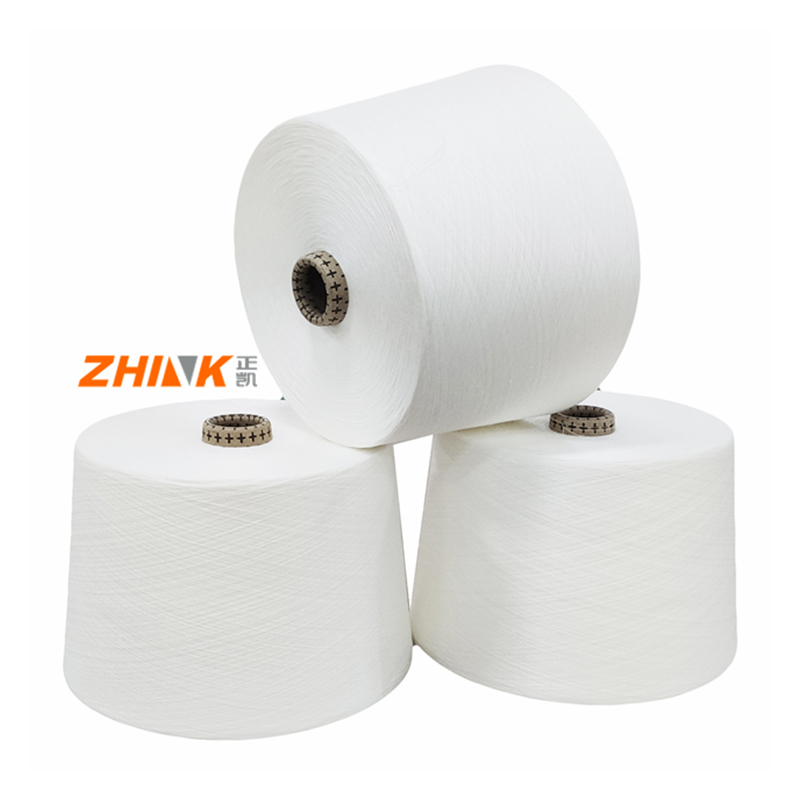
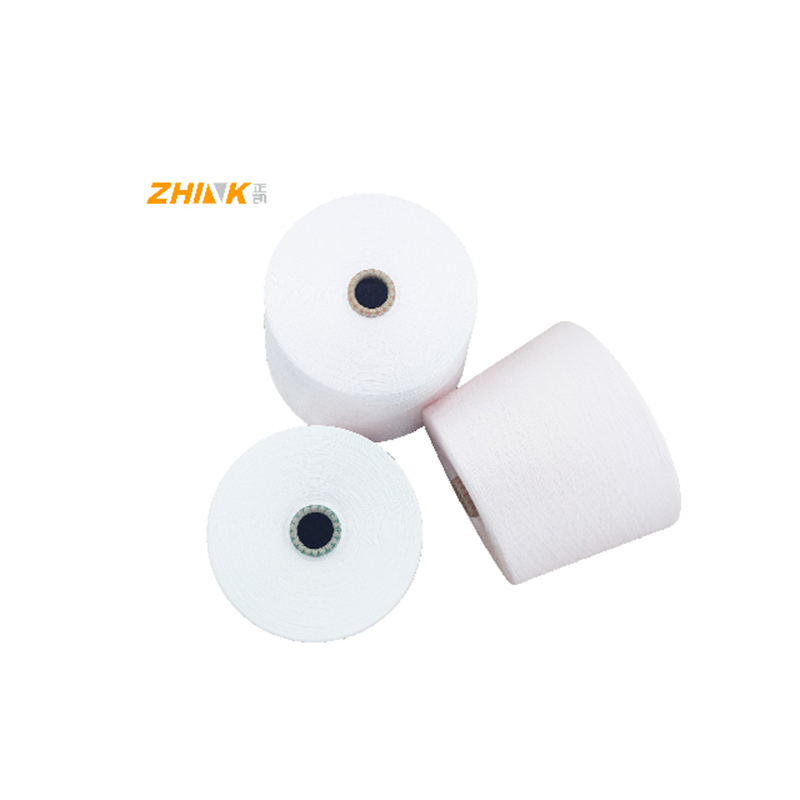
Hollow polyester yarn for knitting
Exploring the World of Hollow Polyester Yarn for Knitting
When it comes to knitting, selecting the right yarn can make or break your project. Hollow polyester yarn offers unique properties that traditional yarns might lack, yet it's often overlooked. Let's delve into this lesser-known material to understand its benefits and potential pitfalls.
Understanding Hollow Polyester Yarn
First off, what is hollow polyester yarn? Simply put, it’s a yarn designed with a hollow core, providing specific advantages over its solid counterparts. The void at its center makes it lighter and can enhance thermal insulation. This characteristic comes in handy for crafting clothing meant for colder climates without adding excess weight.
I've seen this yarn shine particularly in outdoor apparel. Thanks to its structure, it traps air more effectively, offering warmth without bulk. Also, knits made from hollow polyester tend to have a very soft hand feel, which appeals to those sensitive to scratchier textiles.
But there's always a catch. Despite its virtues, hollow polyester yarn can be trickier to work with for beginners. The hollow structure means it's more prone to snags or even wear over time, requiring careful handling during the knitting process.
Industry Insights: Why Choose Hollow Polyester?
The textile industry has seen a growing interest in sustainable materials, and this is where companies like SHANDONG ZHINK NEW MATERIAL CO., LTD come into play. Specializing in innovative textiles, they focus on creating yarns that answer today’s demands. You can explore their offerings at Zhink Yarn.
One key reason to use hollow polyester yarn is its environmental benefit over traditional polyester. By reducing material use while maintaining strength, it lowers the carbon footprint of the production process. This is a small but meaningful step towards more sustainable knitting practices.
Nonetheless, appearances might deceive. Not all hollow polyester yarns are created equal. Look for ones that have been tested for quality and durability. Some cheaper variants might collapse under stress, voiding the very benefits they promise.
Tales from the Workshop: Trials and Triumphs
In practice, I've worked with both high-end and budget-friendly hollow polyester yarns. Once, I took on a project to knit a series of outdoor scarfs. Initial attempts with a lesser-known brand resulted in several failed pieces – snagging was an issue, and the finished texture wasn’t quite right.
Switching to a more reputable source, however, resolved these issues. The yarn held up much better, and the finished look was professional. Lesson learned: investing in quality material up front can save a lot of hassle later.
But don't just take my word for it. Experience is the best teacher when it comes to textile work. Try different brands and find what suits your specific needs.
The Technical Aspect of Knitting with Hollow Polyester
Once you've settled on the right yarn, another consideration is the needle size. With hollow yarn, playing around with needle gauges can significantly impact the final product. A tighter gauge often results in a denser, warmer fabric. In contrast, a looser gauge can leave the fabric airier, leveraging that core structure.
I remember a sweater I helped craft; we adjusted the needle size three times before achieving the perfect balance of warmth and weave density. This flexibility is part of what makes working with hollow polyester rewarding – it adapts to your creative process.
Be patient. Each project might demand a different approach, and the end-goal should dictate your choice more than any set rules.
The Future of Hollow Polyester Yarn
Finally, what does the future hold for hollow polyester yarn? As sustainability becomes a more pressing concern, it's likely we’ll see further innovation in this area. Companies like Zhink New Material are leading the charge, focusing on eco-friendly materials that offer both form and function.
Perhaps we'll soon encounter blends that incorporate natural fibers with synthetic ones, providing the best of both worlds. Imagine a yarn that's light like hollow polyester but is enhanced with the breathability of cotton or wool.
The journey of knitting with hollow polyester yarn is ongoing, and it invites exploration and creative experimentation. Whether you’re a seasoned knitter or just someone curious about what’s next in textile technology, keep an eye on innovations in this field.
Related Products
Related Products