+86-632-3621866
- Chinese
- French
- German
- Portuguese
- Spanish
- Russian
- Japanese
- Korean
- Arabic
- Irish
- Greek
- Turkish
- Italian
- Danish
- Romanian
- Indonesian
- Czech
- Afrikaans
- Swedish
- Polish
- Basque
- Catalan
- Esperanto
- Hindi
- Lao
- Albanian
- Amharic
- Armenian
- Azerbaijani
- Belarusian
- Bengali
- Bosnian
- Bulgarian
- Cebuano
- Chichewa
- Corsican
- Croatian
- Dutch
- Estonian
- Filipino
- Finnish
- Frisian
- Galician
- Georgian
- Gujarati
- Haitian
- Hausa
- Hawaiian
- Hebrew
- Hmong
- Hungarian
- Icelandic
- Igbo
- Javanese
- Kannada
- Kazakh
- Khmer
- Kurdish
- Kyrgyz
- Latin
- Latvian
- Lithuanian
- Luxembou..
- Macedonian
- Malagasy
- Malay
- Malayalam
- Maltese
- Maori
- Marathi
- Mongolian
- Burmese
- Nepali
- Norwegian
- Pashto
- Persian
- Punjabi
- Serbian
- Sesotho
- Sinhala
- Slovak
- Slovenian
- Somali
- Samoan
- Scots Gaelic
- Shona
- Sindhi
- Sundanese
- Swahili
- Tajik
- Tamil
- Telugu
- Thai
- Ukrainian
- Urdu
- Uzbek
- Vietnamese
- Welsh
- Xhosa
- Yiddish
- Yoruba
- Zulu
- Kinyarwanda
- Tatar
- Oriya
- Turkmen
- Uyghur


Infrared Hollow PSF
Understanding Infrared Hollow PSF: Insights and Applications
The concept of Infrared Hollow PSF might sound niche, but it's increasingly relevant in today's textile industry. From misconceptions to applications, this article will dive into its real-world functionality. Let's unravel where it's making a dent and how companies like SHANDONG ZHINK NEW MATERIAL CO., LTD are integrating it into innovative workflows.
What Exactly Is Infrared Hollow PSF?
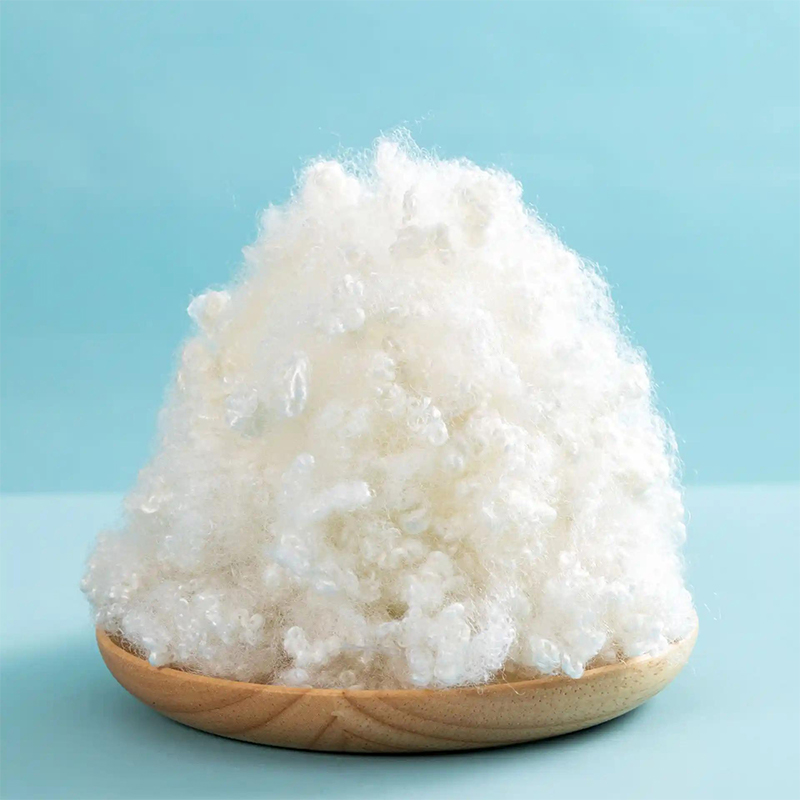
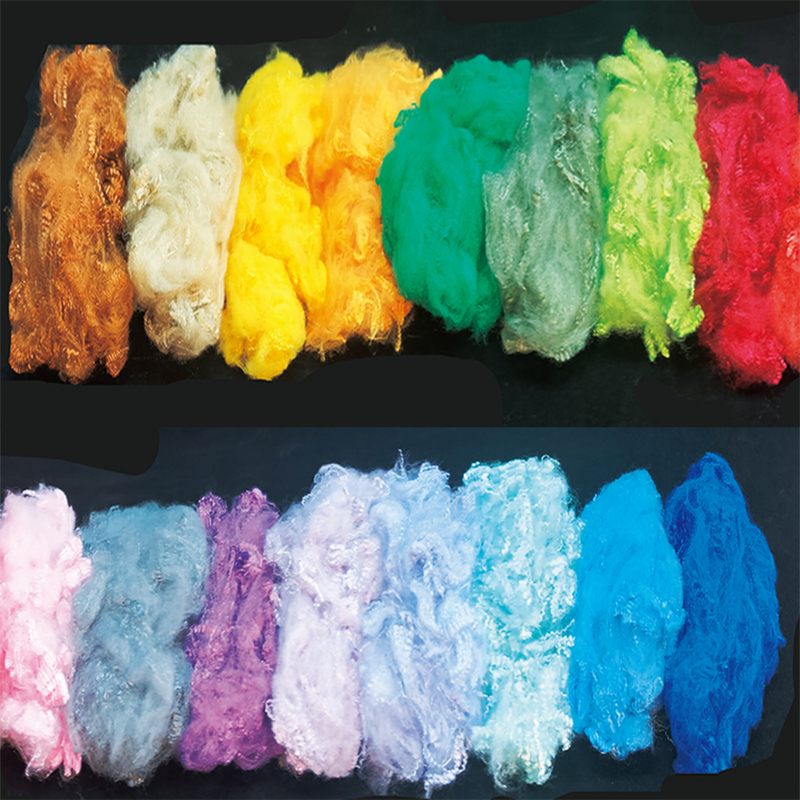
Infrared Hollow PSF, or Infrared Hollow Polyester Staple Fiber, is a specialized textile material. When I first encountered it, I was skeptical. Could something so lightweight really contribute to thermal regulation? Often, people lump it in with generic fibers, missing its unique ability to interact with infrared waves, which is key for energy efficiency in fabrics.
One valuable lesson from Zhink New Material is the detailed R&D behind this fiber's development. Their approach isn't just about theoretical advantages - it's practical. They focus on how it integrates into daily wear, offering both warmth and reduced energy consumption. The hollow structure is another component worth noting, allowing trapped air to enhance insulation.
Some might confuse these fibers with standard insulation materials, but there's more depth to it. The infrared properties provide an additional layer of functionality, reflective of Zhink New Material's commitment to new material innovations.
Industry Misconceptions and Realities
One common industry pitfall is underestimating the adaptability of Infrared Hollow PSF. I’ve seen many in our field believe it's only suitable for cold-weather apparel. But in truth, the fiber’s adaptability can extend to varied applications, including lightweight outdoor gear.
When visiting https://www.zhinkyarn.com, it's clear that they've invested in showcasing diverse use cases. Yet, the real magic happens in understanding that it's not a one-size-fits-all solution. The nuances in yarn technology can surprise anyone who dives deep into textile engineering.
I recall testing a prototype jacket using this material. Initial doubts arose from how thin it seemed. Yet, the thermal performance was notable - even competitive to heavier materials. That's where the infrared capability really has an edge.
Technological Integration and Application Challenges
Zhink New Material's dedication to quality often means facing a set of challenges. Particularly, how does one integrate Infrared Hollow PSF into existing production lines without significant recalibration? That's a question I've faced when consulting for other textile firms.
The transition isn’t seamless. Each production process may need custom adjustments. For this fiber, the weaving techniques require precision to maintain its thermal properties. It’s not as easy as swapping in new materials without a rethink in manufacturing strategies.
However, the upside is compelling. The energy savings from insulation efficiency aren’t just rumors; they’re tangible benefits observed over continuous use and wear tests.
Sustainability Aspects and Future Potential
One can't discuss modern textiles without addressing sustainability - a core value for many including SHANDONG ZHINK NEW MATERIAL CO., LTD. The Infrared Hollow PSF shines in this context due to its lightweight nature, which can significantly reduce transport emissions and production energy.
The potential for sustainable apparel production is high. Zhink New Material leverages the unique properties of these fibers to promote sustainable practices. For instance, less material mass without compromising on warmth aligns with environmental goals.
I’ve witnessed firsthand the growing demand among consumers for environmentally conscious products. It's not just about the fiber's performance but its lifecycle impact. For developers and textile designers, this means a push towards new research avenues.
Practical Experiences: The Real-World Impact
Bridging theory with practice is where real experiences count. When evaluating Infrared Hollow PSF on a practical level, laboratory results reveal potential. But the real test comes with user feedback and iterative improvements in field conditions.
One of the memorable trials involved a sportswear line where balancing flexibility with thermal efficiency proved tricky. Here, I saw Zhink's iterative process in action, consistently refining the fabric until user feedback matched the desired performance outcomes.
In conclusion, while misunderstandings still cloud some industry perceptions, the ongoing research and validated applications of Infrared Hollow PSF by innovators like Zhink New Material prove its viability. Their site, https://www.zhinkyarn.com, reflects a balance between cutting-edge tech and practical textile solutions. It’s this blend of innovation and realism that truly advances the industry.
Related Products
Related Products