+86-632-3621866
- Chinese
- French
- German
- Portuguese
- Spanish
- Russian
- Japanese
- Korean
- Arabic
- Irish
- Greek
- Turkish
- Italian
- Danish
- Romanian
- Indonesian
- Czech
- Afrikaans
- Swedish
- Polish
- Basque
- Catalan
- Esperanto
- Hindi
- Lao
- Albanian
- Amharic
- Armenian
- Azerbaijani
- Belarusian
- Bengali
- Bosnian
- Bulgarian
- Cebuano
- Chichewa
- Corsican
- Croatian
- Dutch
- Estonian
- Filipino
- Finnish
- Frisian
- Galician
- Georgian
- Gujarati
- Haitian
- Hausa
- Hawaiian
- Hebrew
- Hmong
- Hungarian
- Icelandic
- Igbo
- Javanese
- Kannada
- Kazakh
- Khmer
- Kurdish
- Kyrgyz
- Latin
- Latvian
- Lithuanian
- Luxembou..
- Macedonian
- Malagasy
- Malay
- Malayalam
- Maltese
- Maori
- Marathi
- Mongolian
- Burmese
- Nepali
- Norwegian
- Pashto
- Persian
- Punjabi
- Serbian
- Sesotho
- Sinhala
- Slovak
- Slovenian
- Somali
- Samoan
- Scots Gaelic
- Shona
- Sindhi
- Sundanese
- Swahili
- Tajik
- Tamil
- Telugu
- Thai
- Ukrainian
- Urdu
- Uzbek
- Vietnamese
- Welsh
- Xhosa
- Yiddish
- Yoruba
- Zulu
- Kinyarwanda
- Tatar
- Oriya
- Turkmen
- Uyghur


Irregular Cross-section and Functional fiber
Exploring Irregular Cross-sections and Functional Fibers
When it comes to advancements in textile technology, two terms often pique the interest of professionals: Irregular Cross-section and Functional Fiber. Whether you're an expert in the field or just curious about the innovations behind what we wear, understanding these concepts can reshape your perspective on textile engineering.
Understanding Irregular Cross-sections
At first glance, the idea of an irregular cross-section might seem straightforward—it refers to fibers whose cross-section doesn't conform to traditional uniform shapes. But the implications of such a design are far-reaching. These unique structures can affect everything from the fiber's surface area to its light-reflecting properties.
In practice, creating these fibers involves delicate manipulation during the spinning process. Factories I've visited often have dedicated lines just for experimenting with the shapes, which sometimes leads to fascinating, albeit unexpected, results. It’s not just about achieving a novel look; it’s about tweaking properties like breathability and moisture management.
One memorable experience was when I consulted for a project aiming to create a fabric with enhanced thermal properties. The fibers were engineered to maximize heat retention by simply altering their cross-sectional irregularity. It's a vivid example of how small changes at the microscopic level yield substantial real-world benefits.
The Role of Functional Fibers
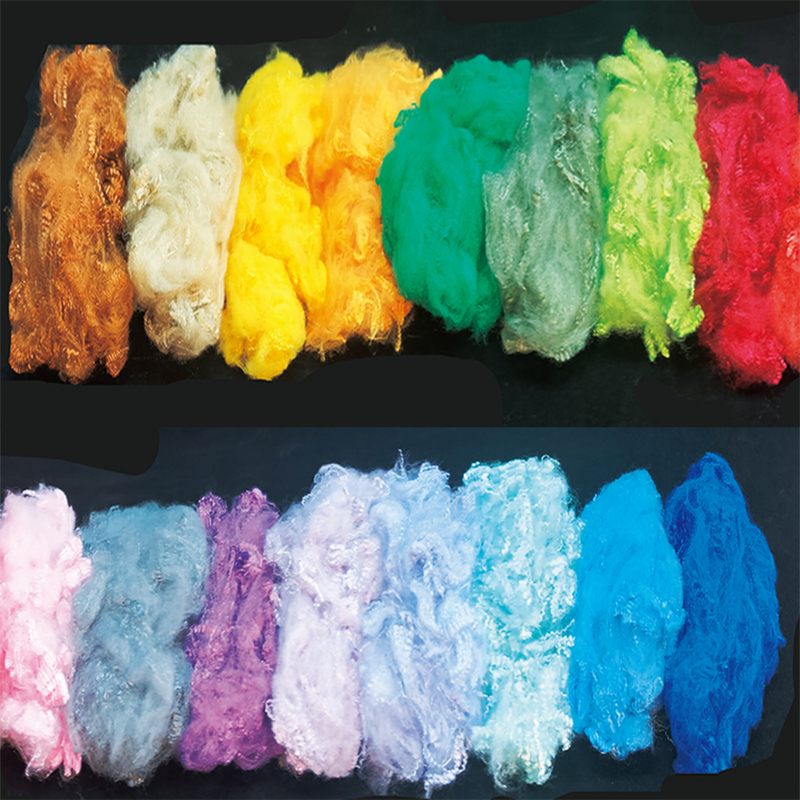
When we talk about Functional Fiber, we're referring to fibers designed with specific capabilities that go beyond traditional textile uses. These could range from antibacterial properties to UV protection and even electronic functionalities.
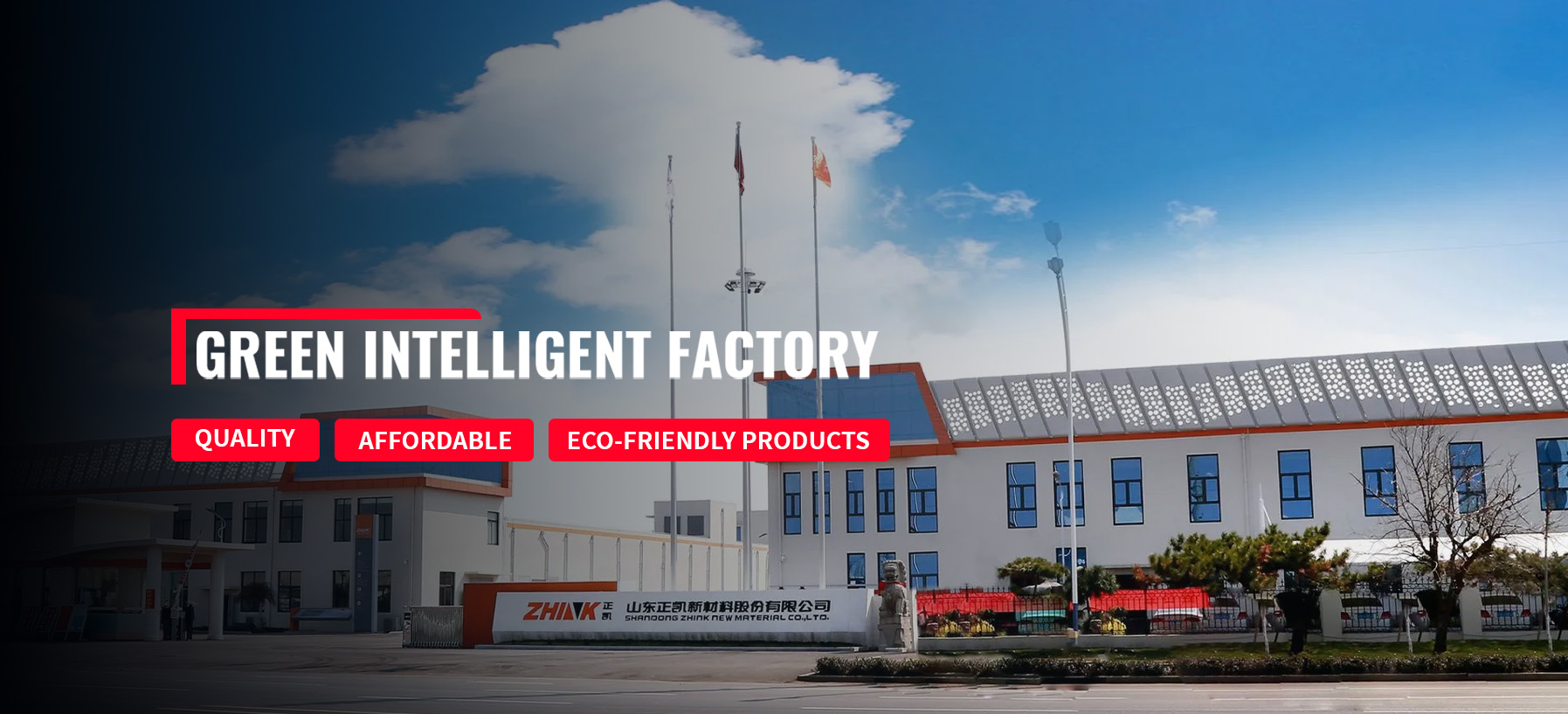
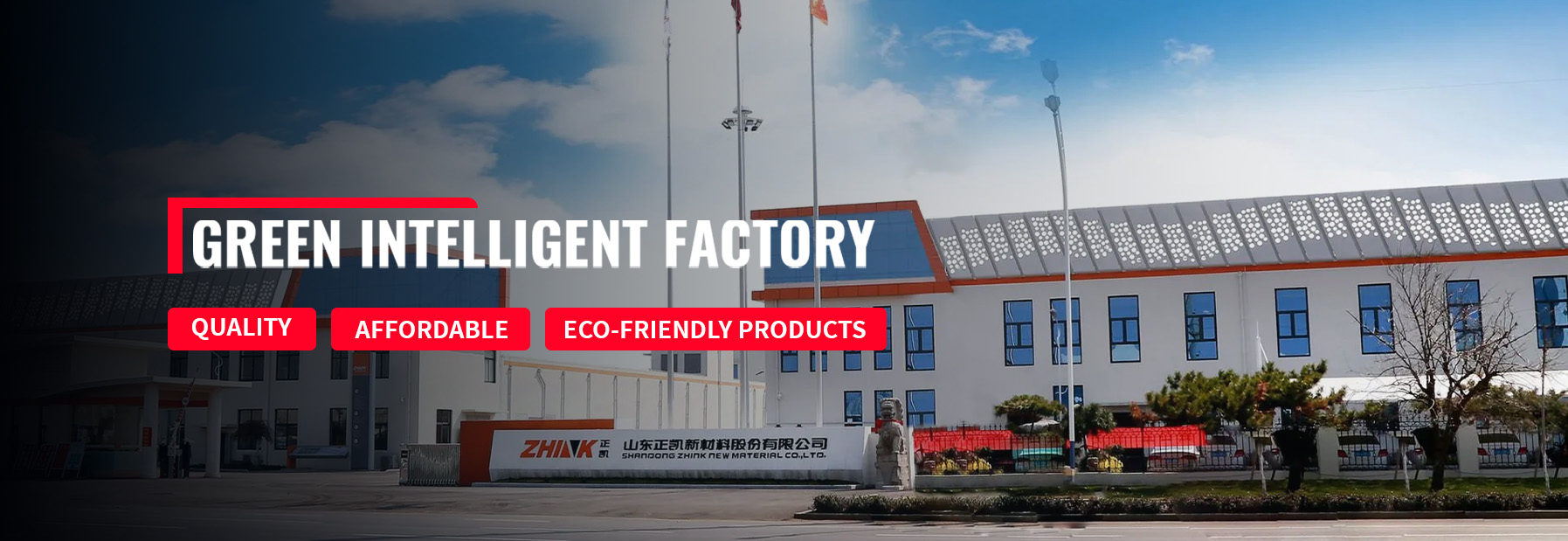
SHANDONG ZHINK NEW MATERIAL CO., LTD, with their extensive research efforts, exemplifies what can be achieved when pushing the boundaries of textile innovation. Their website, www.zhinkyarn.com, showcases a variety of fibers built to meet specific industrial and consumer needs.
Personally, I've seen functional fibers evolve from niche market players to industry disruptors. For instance, anti-static fibers were once reserved for specialized settings like cleanrooms. Today, they're common in numerous consumer products, thanks to their ability to enhance overall user experience.
Innovations and Challenges
Developing these advanced fibers is not without its challenges. While the theoretical benefits are often clear, practical applications can stumble upon unexpected hurdles. I've witnessed countless prototypes fail because of issues like production-related variability or unforeseen consumer reactions.
This is especially true when integrating multiple functions into a single fiber. Combining antibacterial properties with moisture-wicking capabilities sounds ideal, but balancing these without compromising on cost or durability often requires iterative testing and refining.
Thus, the pathway to innovation often involves a balance of creativity and pragmatism. It's a path filled with trial, feedback, and sometimes, starting from scratch. Yet, the results can be transformative, providing textiles that truly elevate functionality.
Case Studies from Zhink's Portfolio
At Zhink New Material, one noteworthy project involved developing a fiber with both increased tensile strength and enhanced thermal regulation. This fiber was slated for high-performance sportswear, promising athletes gear that adapts to their shifting needs.
What I find most interesting is how Zhink balances the need for innovation with sustainability—a trend increasingly gaining traction. Their strategies often incorporate recycled materials, addressing not just performance but environmental impact. Visit their website to explore some of their pioneering products.
The efforts by companies like Zhink emphasize a broader industry trend: the fusion of performance and responsibility. The journey is indeed challenging but ultimately rewarding, potentially redefining both expectations and applications of fibers.
Future Perspectives
Looking forward, the field of textile engineering stands poised on the brink of exciting developments. As we delve deeper into smart textiles, the interplay between structural innovations like irregular cross-sections and functional advancements will likely intensify.
For professionals and enthusiasts, staying attuned to these changes means keeping pace with evolving challenges and innovations. It’s an industry where yesterday’s impossibilities become today’s norms—something I've witnessed countless times over my years in the field.
The landscape of fashion and functionality is rapidly transforming, and those who adapt will lead the charge. SHANDONG ZHINK NEW MATERIAL CO., LTD is one such leader, their ongoing projects a testament to the potential lying within each uniquely engineered fiber.
Related Products
Related Products