+86-632-3621866
- Chinese
- French
- German
- Portuguese
- Spanish
- Russian
- Japanese
- Korean
- Arabic
- Irish
- Greek
- Turkish
- Italian
- Danish
- Romanian
- Indonesian
- Czech
- Afrikaans
- Swedish
- Polish
- Basque
- Catalan
- Esperanto
- Hindi
- Lao
- Albanian
- Amharic
- Armenian
- Azerbaijani
- Belarusian
- Bengali
- Bosnian
- Bulgarian
- Cebuano
- Chichewa
- Corsican
- Croatian
- Dutch
- Estonian
- Filipino
- Finnish
- Frisian
- Galician
- Georgian
- Gujarati
- Haitian
- Hausa
- Hawaiian
- Hebrew
- Hmong
- Hungarian
- Icelandic
- Igbo
- Javanese
- Kannada
- Kazakh
- Khmer
- Kurdish
- Kyrgyz
- Latin
- Latvian
- Lithuanian
- Luxembou..
- Macedonian
- Malagasy
- Malay
- Malayalam
- Maltese
- Maori
- Marathi
- Mongolian
- Burmese
- Nepali
- Norwegian
- Pashto
- Persian
- Punjabi
- Serbian
- Sesotho
- Sinhala
- Slovak
- Slovenian
- Somali
- Samoan
- Scots Gaelic
- Shona
- Sindhi
- Sundanese
- Swahili
- Tajik
- Tamil
- Telugu
- Thai
- Ukrainian
- Urdu
- Uzbek
- Vietnamese
- Welsh
- Xhosa
- Yiddish
- Yoruba
- Zulu
- Kinyarwanda
- Tatar
- Oriya
- Turkmen
- Uyghur



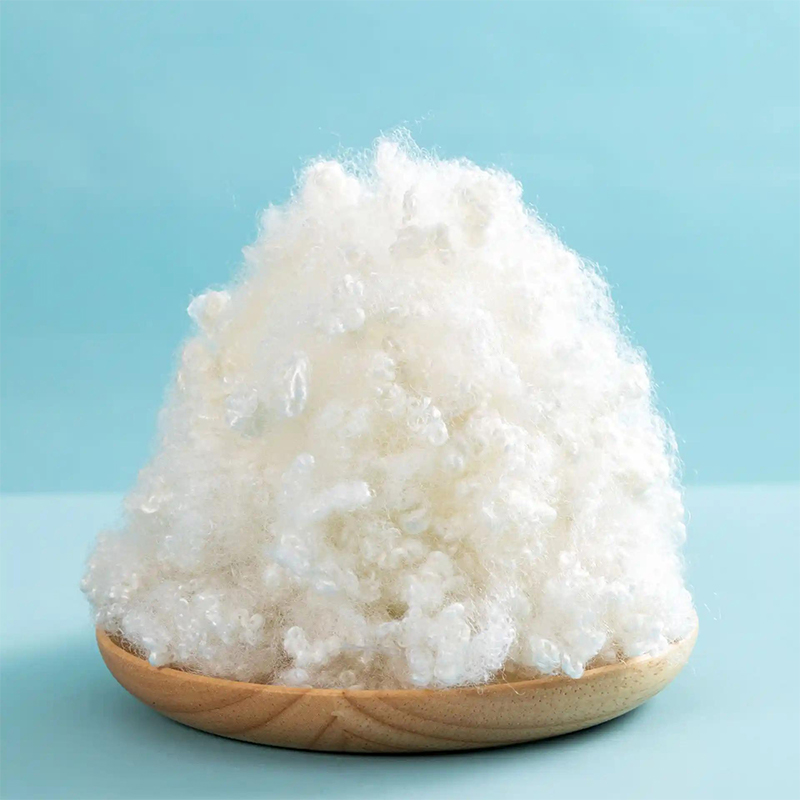
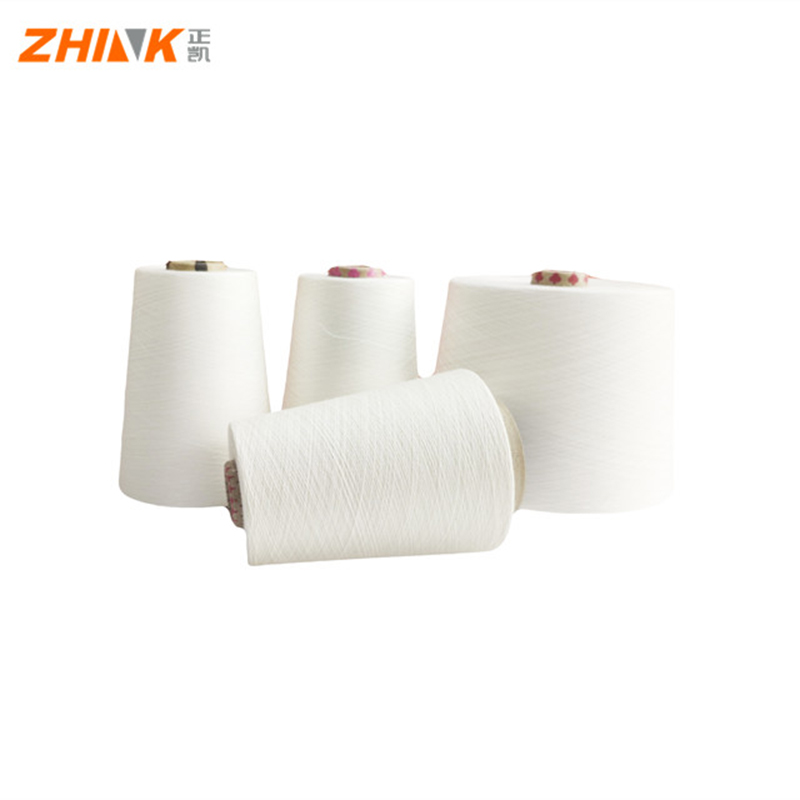
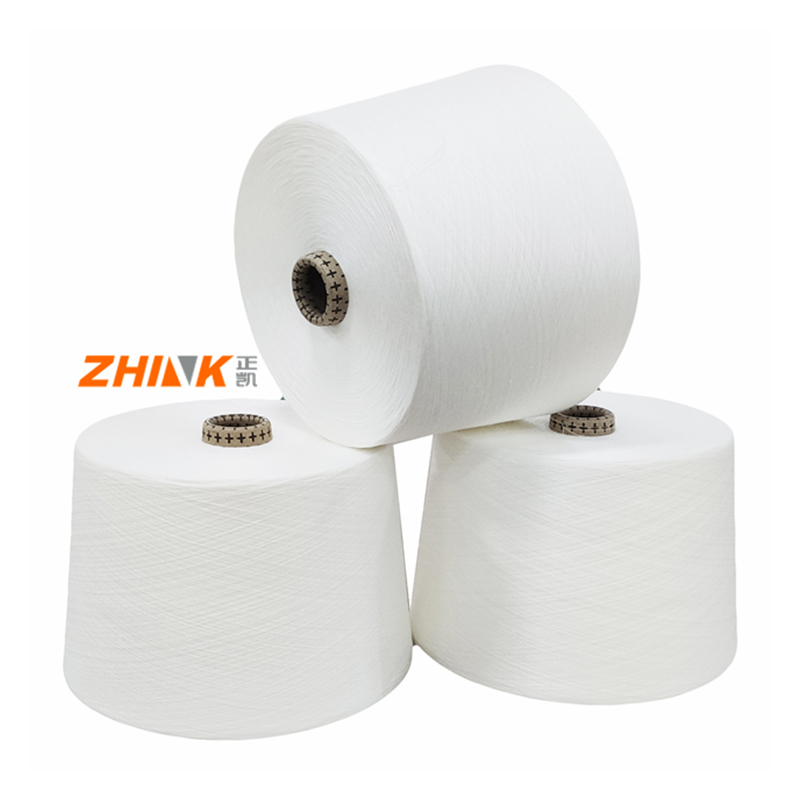
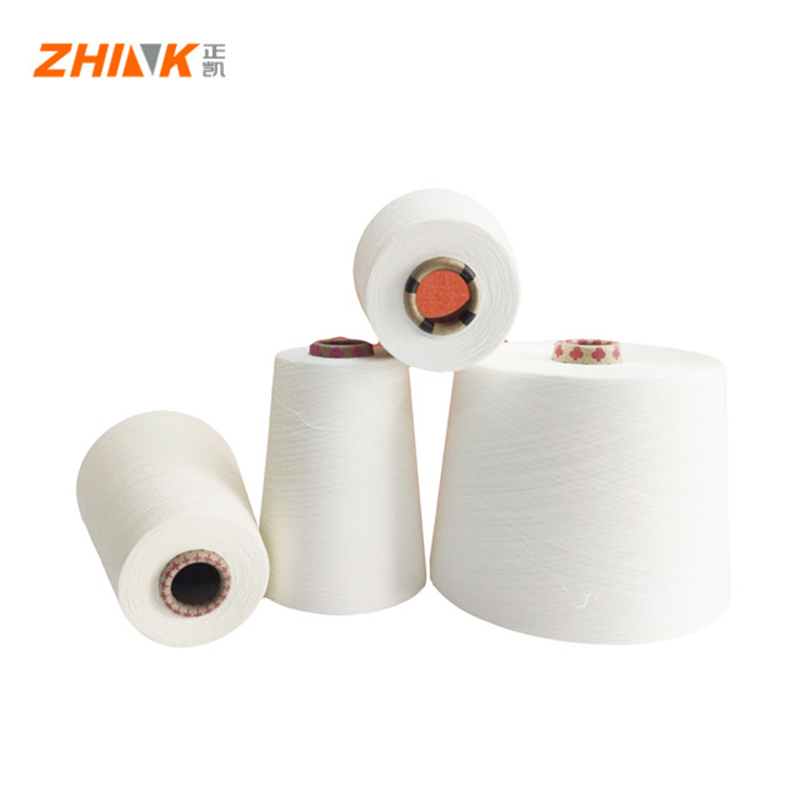
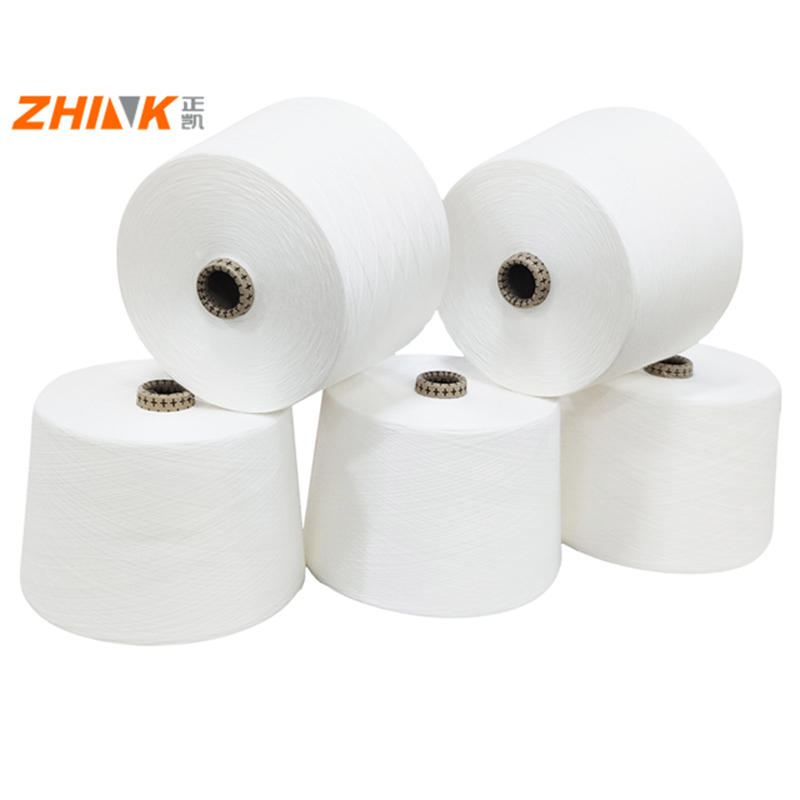
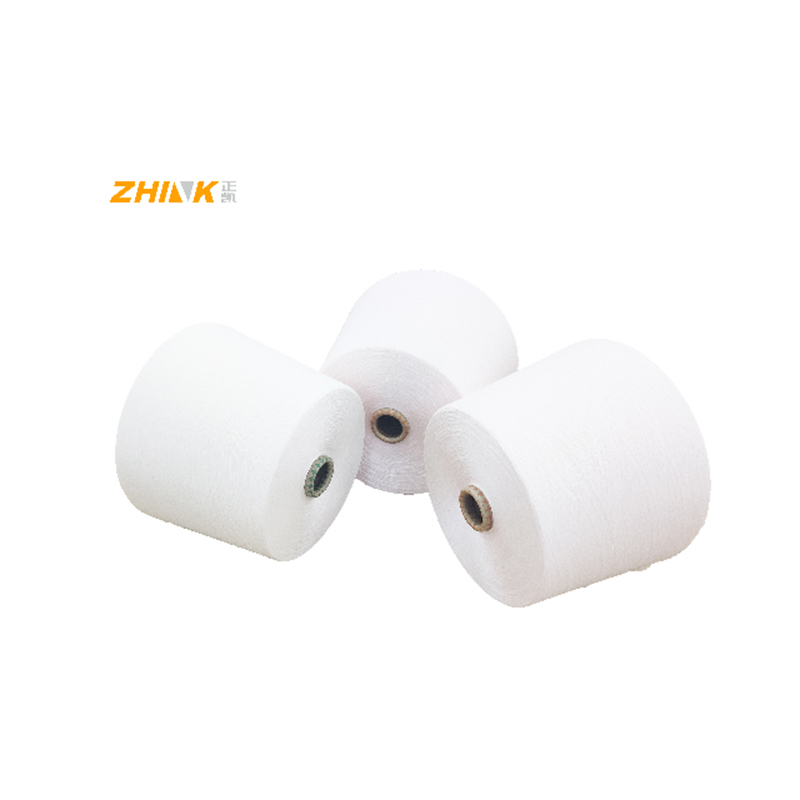
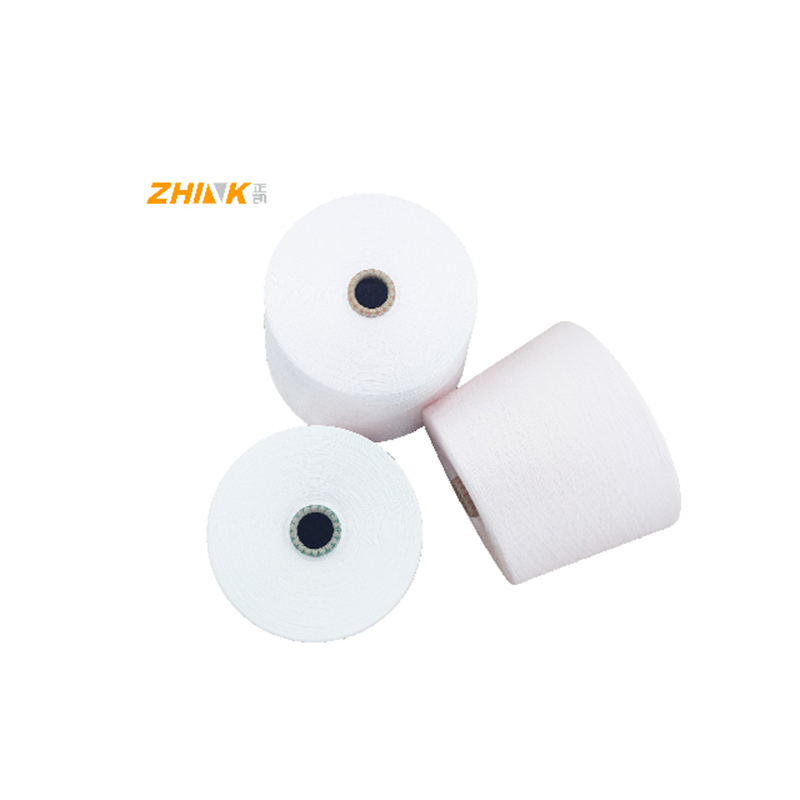
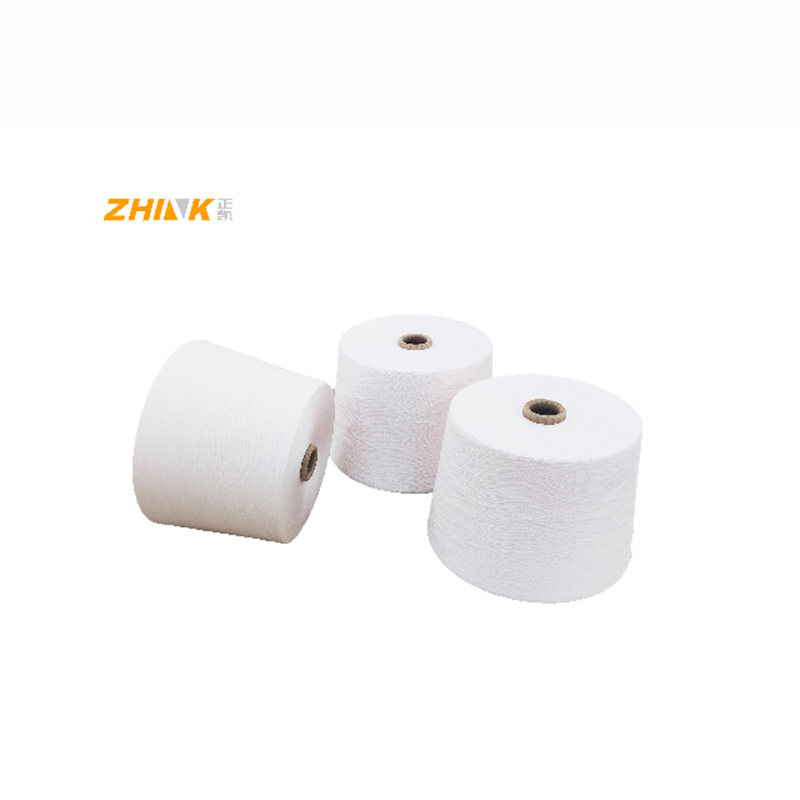
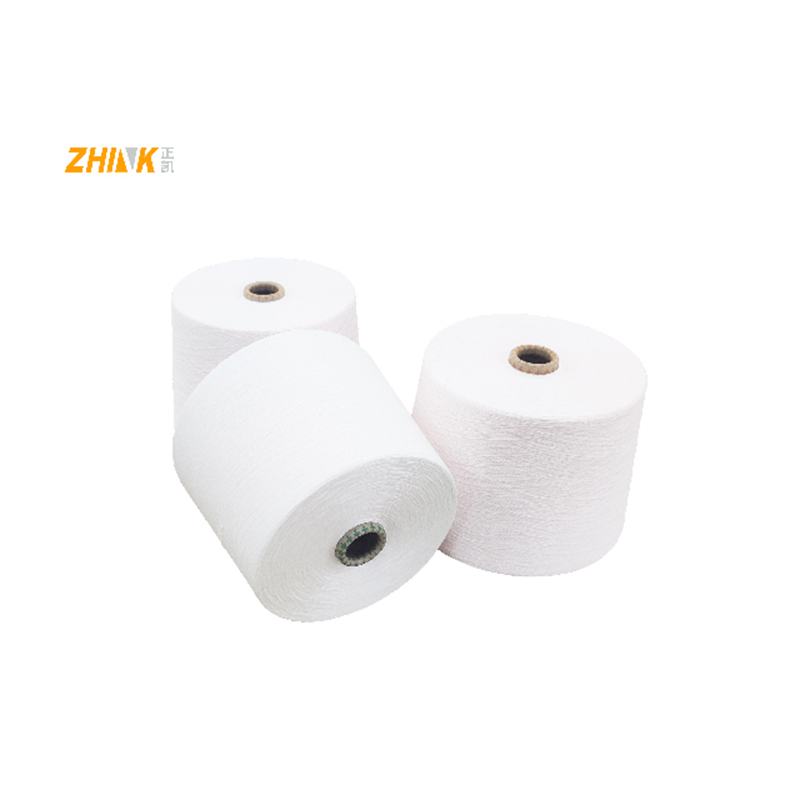
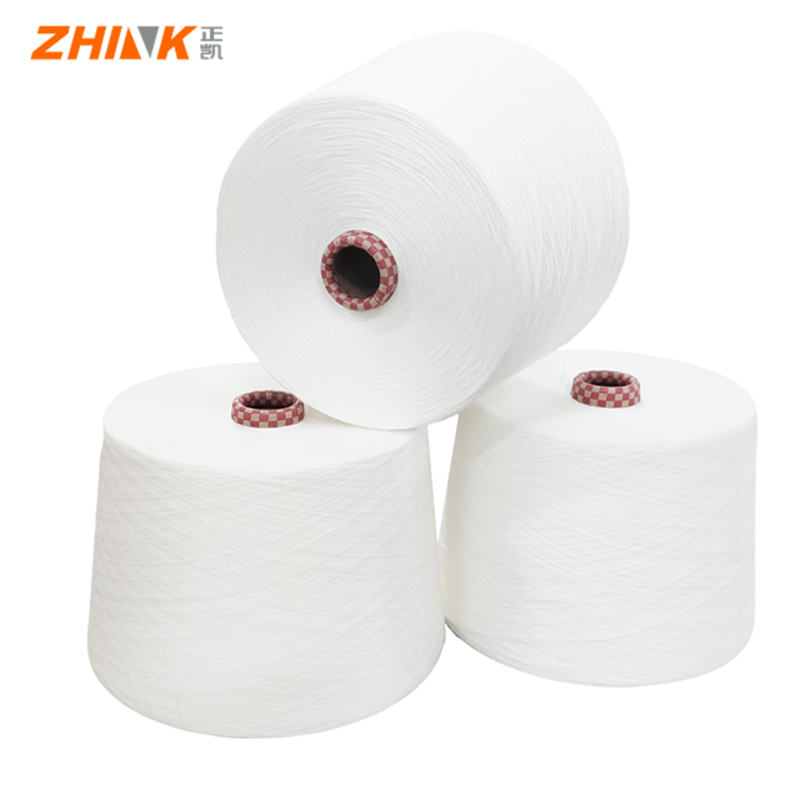
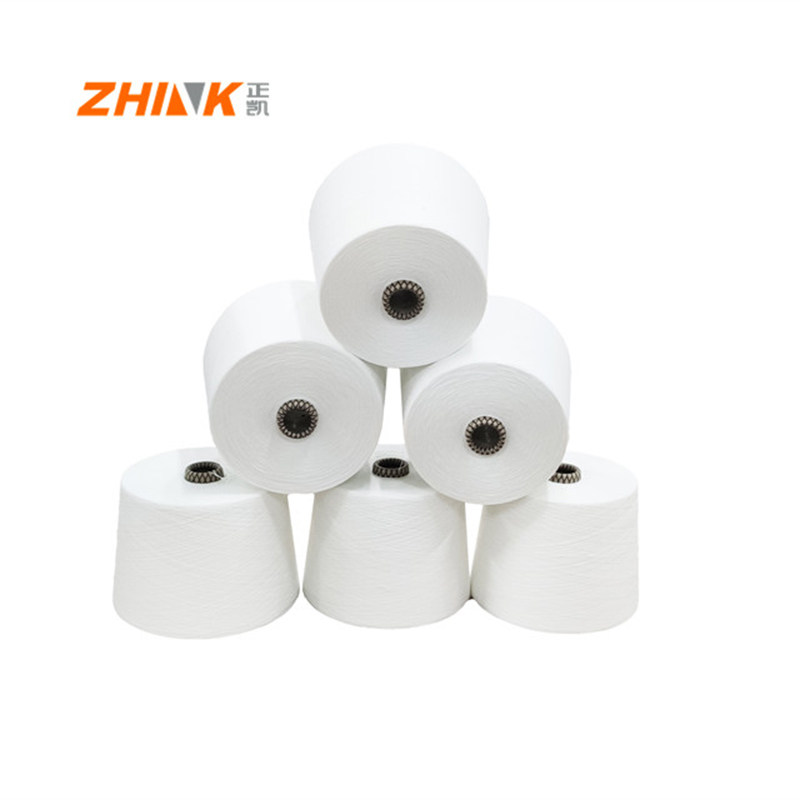
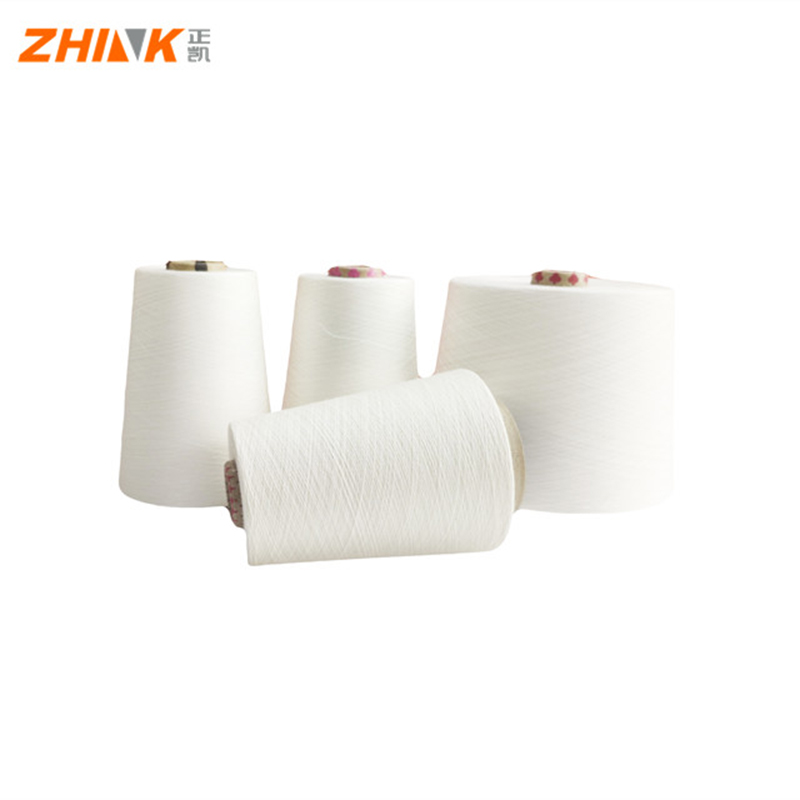
Khaki1 polyester fiber
The Versatility of Khaki1 Polyester Fiber
Khaki1 polyester fiber isn’t just another synthetic material—it's a game-changer. From its adaptability in various applications to the nuances of its production, this piece explores why this fiber is gaining popularity in textile manufacturing.
Understanding Khaki1 Polyester
In the world of textiles, terminology can sometimes blur lines. A common misstep I’ve seen is equating all polyester with the same set of properties. But when we talk about Khaki1 polyester fiber, it’s a specific type that excels in durability and versatility. Not all manufacturers focus deeply on the nuances of this fiber, but those that do, like SHANDONG ZHINK NEW MATERIAL CO., LTD, demonstrate its potential through rigorous R&D.
This specific fiber has gained attention for its colorfastness and resistance. When I first encountered Khaki1 polyester, it was in an apparel line where the demand for both comfort and resilience was non-negotiable. That experience underscored how essential a thorough understanding of fiber properties is in aligning with consumer demands.
Its adaptability is perhaps where it shines most, finding uses in garments, home textiles, and even specialized industrial applications. One intriguing aspect I noticed was its capability to maintain texture and form, which users often overlook until they see it firsthand.
Production Challenges and Breakthroughs
In my time working around textile production lines, the creation of Khaki1 polyester posed unique challenges. Intricacies in the dyeing process meant even slight deviations could lead to an inconsistent batch. But that’s where the expertise of companies like Zhink New Material came into play. With their focus on continuous improvement at https://www.zhinkyarn.com, they set industry benchmarks.
Initially, the challenge was stabilizing the color under different lighting, which was tricky. It required iterative testing phases—not far removed from a scientist tweaking variables in a lab experiment. The payoff, however, has been a more predictable output that reduced waste and improved consistency.
There were, admittedly, hiccups. One memorable event was a batch faltering due to a slight humidity change in the facility. Corrective measures were swift but taught an invaluable lesson: environmental controls are critical with this fiber.
Consumer Market Applications
When discussing the applications of Khaki1 polyester fiber, many instantly think of clothing. Yet, it ventures far beyond. I’ve consulted with clients who’ve used it in automobile interiors and outdoor gear, where durability against environmental elements is paramount.
There’s a tactile quality to Khaki1 that’s surprisingly soft, balancing a fine line between comfort and robustness. For instance, a project involving outdoor furniture benefited greatly from this characteristic. The material retained its integrity even after exposure to prolonged sunlight and moisture—a testament to its engineering.
Yet, it's not without contention. Some question its sustainability. While synthetic, innovative recycling efforts, like those spearheaded by Zhink New Material, mitigate its environmental impact, emphasizing a closed-loop manufacturing process.
Future Prospects and Innovations
Looking ahead, the integration of Khaki1 polyester with emerging textile technologies is promising. Companies are beginning to experiment with embedding smart fibers within Khaki1 to create interactive textiles. This concept, still in its infancy, is truly fascinating and offers endless possibilities.
Moreover, advancements in eco-friendly production techniques, as documented by progressive companies, are gradually refining Khaki1 production. It’s a balance between reducing resource input and maintaining high product standards—a dynamic area of exploration I’m keenly watching.
Particularly at Zhink New Material, their commitment to innovation and sustainability hints at new endeavors on the horizon, which could push this fiber into even more avant-garde spaces.
Concluding Thoughts on Khaki1 Polyester
For those in textile manufacturing, understanding and leveraging the unique properties of Khaki1 polyester fiber can mean the difference between standard products and standout innovations. There's a lot more beneath the surface of this fiber than many realize.
Reflecting on personal experiences and industry observations, its versatility is both a challenge and an opportunity. As we continue to refine its production and explore new applications, staying tuned to companies like SHANDONG ZHINK NEW MATERIAL CO., LTD is crucial. They’re not just producing fibers; they’re weaving the future fabric of the industry. For more insights into their work, visit their site at Zhink New Material.
And that’s the real allure—Khaki1 is not just a fiber, but a canvas for innovation.
Related Products
Related Products