+86-632-3621866
- Chinese
- French
- German
- Portuguese
- Spanish
- Russian
- Japanese
- Korean
- Arabic
- Irish
- Greek
- Turkish
- Italian
- Danish
- Romanian
- Indonesian
- Czech
- Afrikaans
- Swedish
- Polish
- Basque
- Catalan
- Esperanto
- Hindi
- Lao
- Albanian
- Amharic
- Armenian
- Azerbaijani
- Belarusian
- Bengali
- Bosnian
- Bulgarian
- Cebuano
- Chichewa
- Corsican
- Croatian
- Dutch
- Estonian
- Filipino
- Finnish
- Frisian
- Galician
- Georgian
- Gujarati
- Haitian
- Hausa
- Hawaiian
- Hebrew
- Hmong
- Hungarian
- Icelandic
- Igbo
- Javanese
- Kannada
- Kazakh
- Khmer
- Kurdish
- Kyrgyz
- Latin
- Latvian
- Lithuanian
- Luxembou..
- Macedonian
- Malagasy
- Malay
- Malayalam
- Maltese
- Maori
- Marathi
- Mongolian
- Burmese
- Nepali
- Norwegian
- Pashto
- Persian
- Punjabi
- Serbian
- Sesotho
- Sinhala
- Slovak
- Slovenian
- Somali
- Samoan
- Scots Gaelic
- Shona
- Sindhi
- Sundanese
- Swahili
- Tajik
- Tamil
- Telugu
- Thai
- Ukrainian
- Urdu
- Uzbek
- Vietnamese
- Welsh
- Xhosa
- Yiddish
- Yoruba
- Zulu
- Kinyarwanda
- Tatar
- Oriya
- Turkmen
- Uyghur


Lake blue polyester fiber
Exploring the Versatility of Lake Blue Polyester Fiber
When you delve into the world of textiles, the nuances can be surprisingly intricate. Take lake blue polyester fiber, for example. It’s a color that evokes calm and depth, yet there’s a common misconception about its application. Let’s dissect some of the layers surrounding this vibrant fiber and explore its role in the textile industry.
The Allure of Lake Blue
To appreciate the charm of lake blue polyester fiber, you need to start with its color dynamics. The subtle balance between serenity and boldness makes it a favorite for designers looking to invoke a certain mood. This is more than just a visual experience; it’s about the emotion a fabric can stir. Finding the right shade can be tricky though, as lighting conditions can drastically affect perception.
I've worked on a project where the client was convinced we used two different fabric batches because of lighting differences. Ensuring consistency across large-scale productions was a lesson in precision and patience. It highlighted why precise color matching is crucial, especially when working with polyester, known for reflecting light differently than natural fibers.
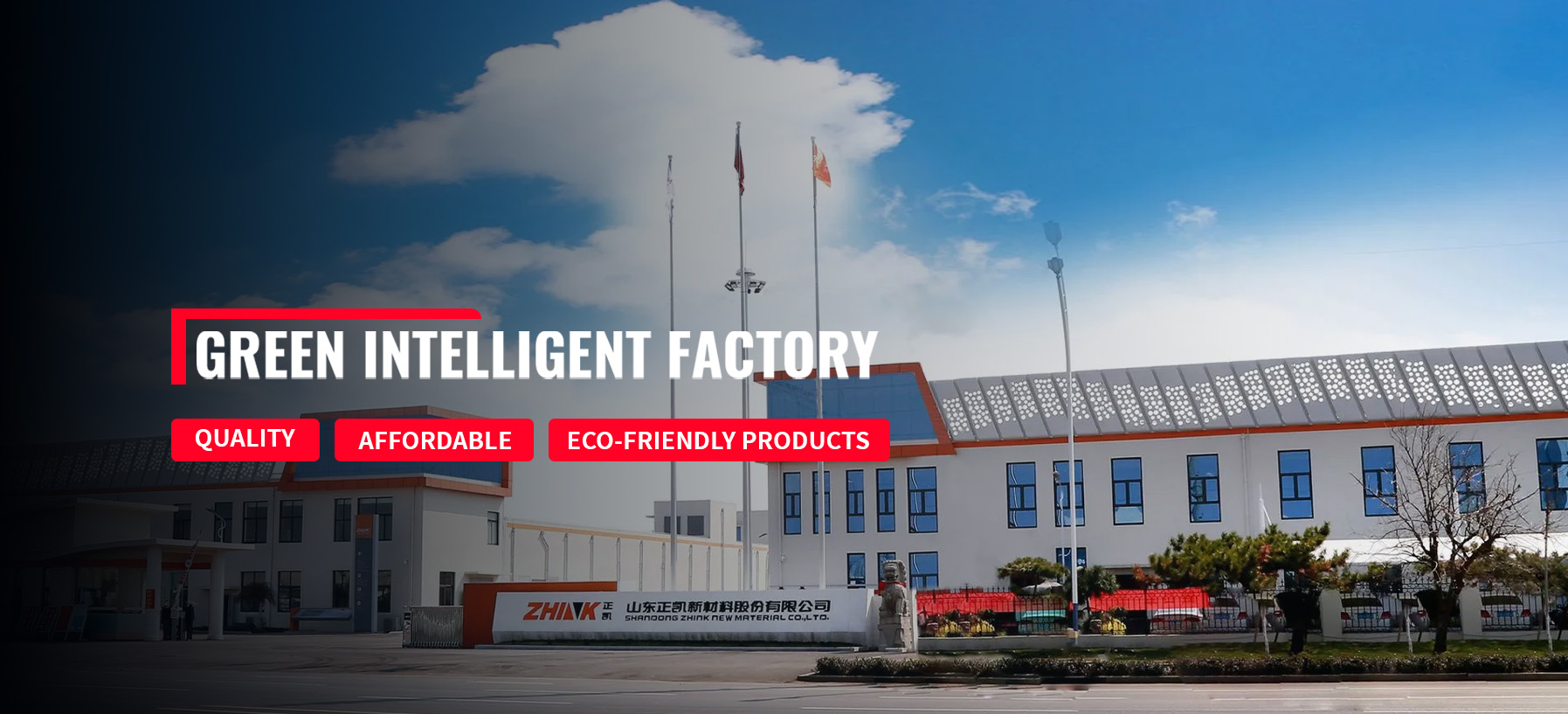
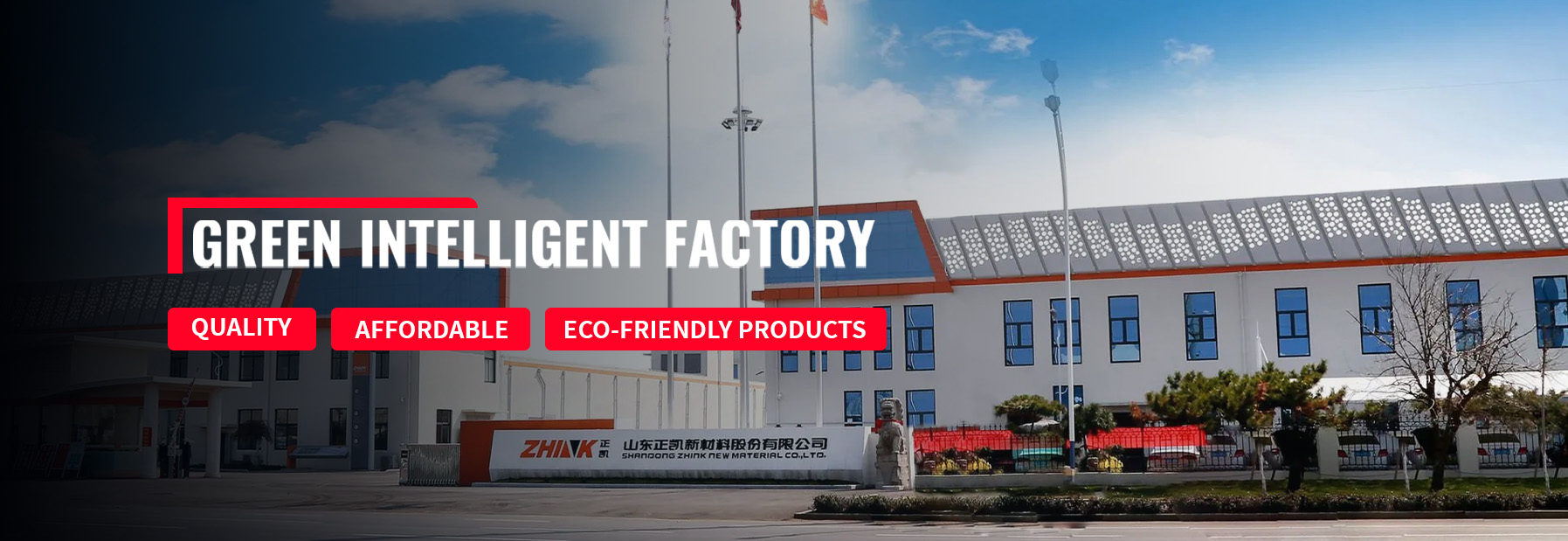
Enter companies like SHANDONG ZHINK NEW MATERIAL CO., LTD. Their expertise in textile R&D brings a level of refinement that’s invaluable when dealing with such variations.
Polyester Fiber: The Backbone of Modern Textiles
Polyester fiber isn’t just about aesthetics. Its popularity is grounded in its functionality. Its resilience and durability make it a go-to choice for a range of applications. I’ve seen it perform in high-stress environments where other fibers might falter. But, when combined with the serene lake blue, it’s a perfect marriage of durability and design.
In practical terms, maintaining its integrity while achieving the desired color can be a hurdle. This is where suppliers like Zhink New Material step in, guiding the production process with precision.
However, polyester fibers do encounter hurdles—like static and breathability. It is fascinating how even advancements in fiber tech can't fully replicate the breathability of natural fibers. Nonetheless, its moisture-wicking properties are continually being improved, balancing the scales.
Case Study: Integrating Blue into Interior Design
Let’s talk about polyester’s role in interiors. I've collaborated with designers where lake blue polyester fiber became a centerpiece. The challenge? Blending with the room’s existing palette without overshadowing subtler tones.
A client insisted on its use for all soft furnishings in a lounge space. The result was transformative—the depth of the color opened visual space, but only after we trialed several sample weaves and finishes. This real-world testing is crucial in the development phase, something that SHANDONG ZHINK thrives on, continuously pushing the envelope.
The final product was a testament to how fiber choice, color, and texture can redefine a space’s character.
Navigating Sustainability Challenges
Then there's the sustainability angle. Polyester often gets a bad rep in environmental discussions; yet, innovations continue to reshape its future. Recycled polyester is gaining ground. Initially, there was skepticism about whether recycled fibers could maintain quality—answer is, with companies prioritizing such innovations, they can.
Zhink’s focus on sustainable materials is crucial here, providing 100% recycled options without compromising on strength or aesthetics.
Consumers increasingly demand accountability from brands, and it's noteworthy how shifts in manufacturing practices are aligning with this ethos. Balancing eco-sensitivity with consumer demands is no small feat.
Final Thoughts: Embracing Change
In conclusion, the world of lake blue polyester fiber isn't static. It’s full of dynamic possibilities driven by both aesthetic desires and technological advancements. Having worked firsthand with this versatile fiber, it’s clear that what starts as a color choice can evolve into a broader dialogue about innovation and sustainability.
As companies like SHANDONG ZHINK NEW MATERIAL CO., LTD continue to lead in this field, there’s excitement for what lies ahead. They show us that there’s always more beneath the surface, waiting to redefine how we understand textile materials.
Related Products
Related Products