+86-632-3621866
- Chinese
- French
- German
- Portuguese
- Spanish
- Russian
- Japanese
- Korean
- Arabic
- Irish
- Greek
- Turkish
- Italian
- Danish
- Romanian
- Indonesian
- Czech
- Afrikaans
- Swedish
- Polish
- Basque
- Catalan
- Esperanto
- Hindi
- Lao
- Albanian
- Amharic
- Armenian
- Azerbaijani
- Belarusian
- Bengali
- Bosnian
- Bulgarian
- Cebuano
- Chichewa
- Corsican
- Croatian
- Dutch
- Estonian
- Filipino
- Finnish
- Frisian
- Galician
- Georgian
- Gujarati
- Haitian
- Hausa
- Hawaiian
- Hebrew
- Hmong
- Hungarian
- Icelandic
- Igbo
- Javanese
- Kannada
- Kazakh
- Khmer
- Kurdish
- Kyrgyz
- Latin
- Latvian
- Lithuanian
- Luxembou..
- Macedonian
- Malagasy
- Malay
- Malayalam
- Maltese
- Maori
- Marathi
- Mongolian
- Burmese
- Nepali
- Norwegian
- Pashto
- Persian
- Punjabi
- Serbian
- Sesotho
- Sinhala
- Slovak
- Slovenian
- Somali
- Samoan
- Scots Gaelic
- Shona
- Sindhi
- Sundanese
- Swahili
- Tajik
- Tamil
- Telugu
- Thai
- Ukrainian
- Urdu
- Uzbek
- Vietnamese
- Welsh
- Xhosa
- Yiddish
- Yoruba
- Zulu
- Kinyarwanda
- Tatar
- Oriya
- Turkmen
- Uyghur


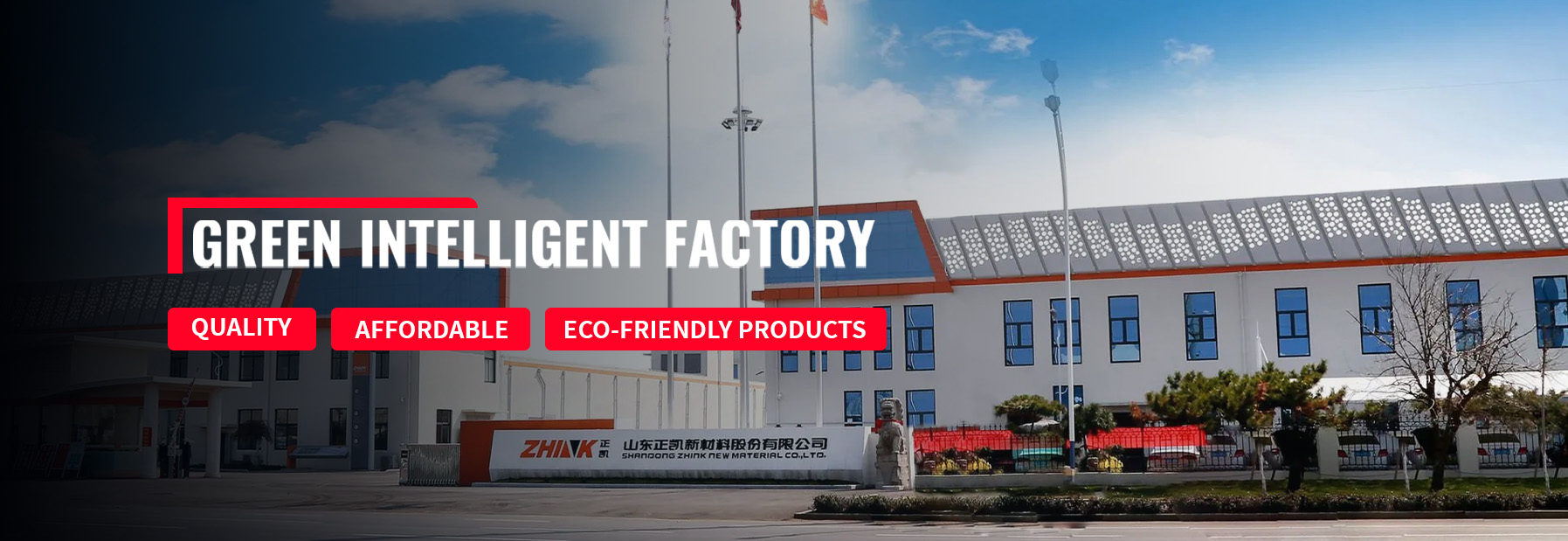
Lavender polyester fiber
Exploring the Charm of Lavender Polyester Fiber
Lavender polyester fiber might not be the first term that pops into your head when discussing textiles, but its unique applications and aesthetic appeal make it a fascinating subject. In an industry where innovation is key, understanding the nuances of this fiber type can change the way we approach fabric design and functionality.
The Allure of Polyester
The use of polyester has revolutionized textiles. Its resilience and adaptability have made it a staple across various industries. But when you add 'lavender' into the mix, we’re talking about something much more specific and intriguing. The subtle color adds a touch of sophistication and versatility that is often overlooked. It isn't just about looking pretty—it's about how the fiber behaves and feels.
Many people might assume its application is limited to fashion. However, the scope is broader than you might think. From upholstery to sportswear, lavender polyester fiber finds its niche due to its colorfastness and durability. And let's not forget the marketing angle—lavender literally and figuratively adds a 'pop' that's hard to ignore.
I've worked with various textile blends, and one thing that stands out is the unpredictability of how colors like lavender can affect mood and perception. Designers might want something unique that doesn't overwhelm, something that stays in the background yet enhances the entire piece's look. Lavender polyester often meets that need.
Manufacturing Insights
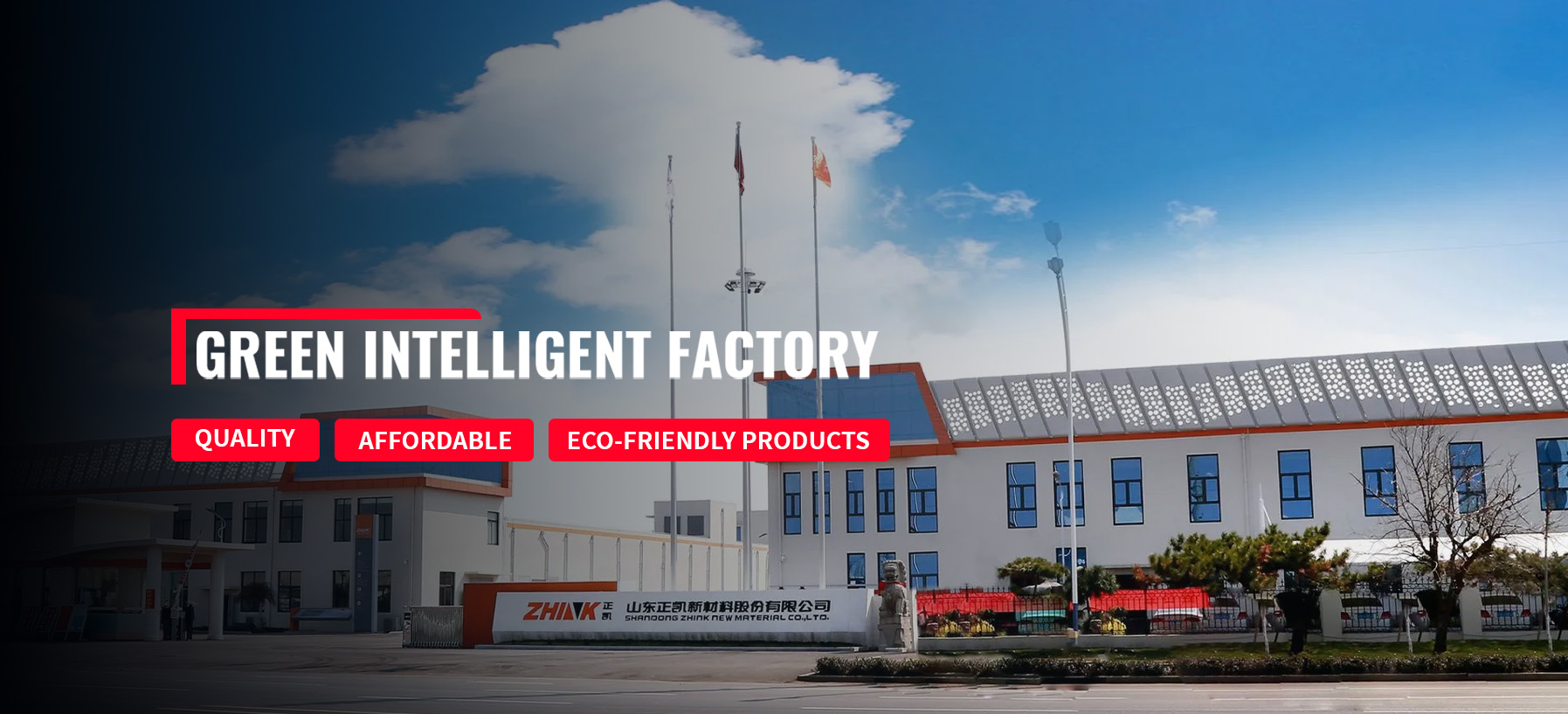
When it comes to production, the processes involved in manufacturing colored polyester, such as lavender, are intricate. SHANDONG ZHINK NEW MATERIAL CO., LTD, which has a robust presence in textile innovation, is one such example. They specialize in creating high-quality fibers (https://www.zhinkyarn.com), integrating color during the production phase to ensure uniformity.
During a visit to their facilities, the key focus was on the precision of dyeing techniques. This step is critical. A slight mishap can alter the final product since polyester tends to react differently under various conditions. Therefore, companies like Zhink utilize advanced technology to ensure consistency and quality.
One issue that sometimes crops up is variability in fiber tensile strength post-dyeing. It’s a delicate balance. The color addition process shouldn’t compromise the fiber’s performance features. Experience has shown me that this issue requires attentive quality assessments to rectify.
Market Dynamics and Consumer Expectations
Consumer expectations constantly evolve, demanding both aesthetics and functionality in equal measure. Lavender polyester fibers offer an exciting palette while being easy to maintain, a significant selling point. This dual advantage feeds into the growing trend of multi-purpose clothing and home textiles.
However, the market does present challenges. There’s always the risk of oversaturation—too many options can dilute a product's uniqueness. This is where marketing strategies focus on highlighting distinct characteristics: the softness, wrinkle resistance, and color longevity that polyester provides.
Observations from market analysis suggest that consumers appreciate transparency. They want to know the origins of their purchases and the environmental footprint. Here, companies like SHANDONG ZHINK NEW MATERIAL CO., LTD emphasize sustainable practices to appeal to eco-conscious consumers.
Application and Innovation
The versatility of lavender polyester fiber truly shines in its applications. Incorporating it into high-performance apparel, for instance, allows manufacturers to marry practicality with visual appeal. It works well in both low and high-end markets, given its adaptability.
Industries using polyester must keep innovation at the forefront. Take activewear, for example; it’s all about performance and breathability. Companies need to ensure fibers deliver maximum efficiency, and tweaking the fiber composition can result in better moisture-wicking properties.
Moreover, as design trends lean towards minimalism and functionality, lavender polyester offers a balanced blend. It’s subtle yet distinct enough to catch the eye, without overshadowing other design elements. Such versatility makes it an attractive choice for designers aiming to create cohesive collections.
Challenges and Future Directions
While the advantages are appealing, challenges remain. As demand grows, so does the necessity for sustainable production methods. Polyester's environmental impact has long been debated, pushing companies to innovate in recycling and waste reduction.
Leading firms like Zhink invest heavily in R&D to address these issues. They aim to minimize environmental harm through sourcing and bettering recycling techniques. This forward-thinking approach not only boosts their market position but also sets a precedence for the industry.
In moving forward, the sector must balance technological advancements with ecological responsibilities. Achieving this can position lavender polyester not just as a temporary trend but as a lasting cornerstone in textile manufacturing.
Related Products
Related Products