+86-632-3621866
- Chinese
- French
- German
- Portuguese
- Spanish
- Russian
- Japanese
- Korean
- Arabic
- Irish
- Greek
- Turkish
- Italian
- Danish
- Romanian
- Indonesian
- Czech
- Afrikaans
- Swedish
- Polish
- Basque
- Catalan
- Esperanto
- Hindi
- Lao
- Albanian
- Amharic
- Armenian
- Azerbaijani
- Belarusian
- Bengali
- Bosnian
- Bulgarian
- Cebuano
- Chichewa
- Corsican
- Croatian
- Dutch
- Estonian
- Filipino
- Finnish
- Frisian
- Galician
- Georgian
- Gujarati
- Haitian
- Hausa
- Hawaiian
- Hebrew
- Hmong
- Hungarian
- Icelandic
- Igbo
- Javanese
- Kannada
- Kazakh
- Khmer
- Kurdish
- Kyrgyz
- Latin
- Latvian
- Lithuanian
- Luxembou..
- Macedonian
- Malagasy
- Malay
- Malayalam
- Maltese
- Maori
- Marathi
- Mongolian
- Burmese
- Nepali
- Norwegian
- Pashto
- Persian
- Punjabi
- Serbian
- Sesotho
- Sinhala
- Slovak
- Slovenian
- Somali
- Samoan
- Scots Gaelic
- Shona
- Sindhi
- Sundanese
- Swahili
- Tajik
- Tamil
- Telugu
- Thai
- Ukrainian
- Urdu
- Uzbek
- Vietnamese
- Welsh
- Xhosa
- Yiddish
- Yoruba
- Zulu
- Kinyarwanda
- Tatar
- Oriya
- Turkmen
- Uyghur


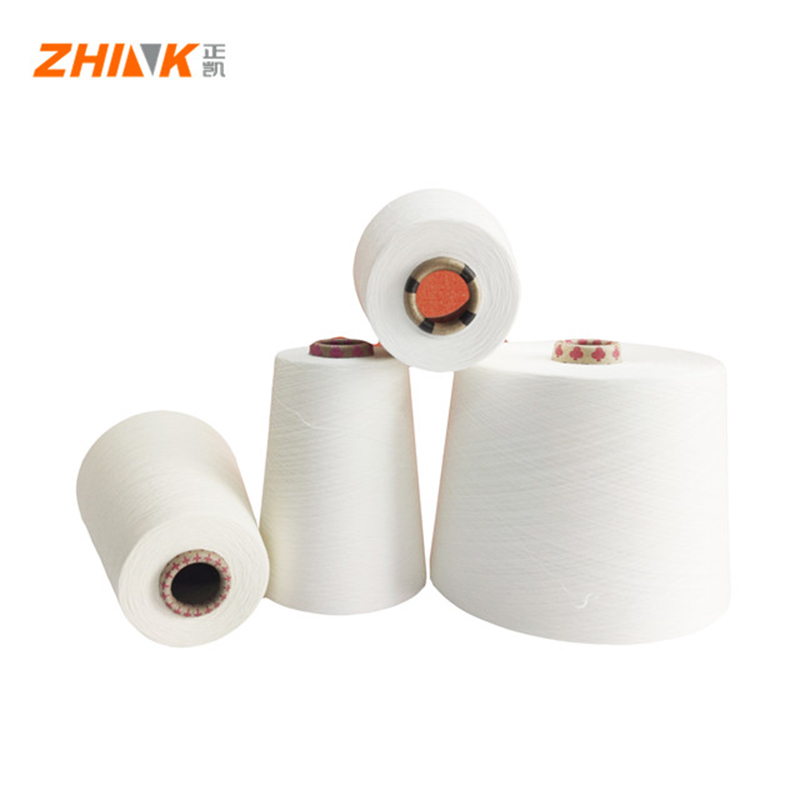
lenzing modal yarn
Understanding Lenzing Modal Yarn: A Specialist's Perspective
Lenzing Modal Yarn is often lauded for its softness and sustainability, but what does it really mean for those of us working day-to-day in textiles? It's more than just hype—it's a material that combines functionality with environmental consciousness, offering both challenges and opportunities for innovation.
The Appeal of Lenzing Modal Yarn
At first glance, the appeal of Lenzing Modal Yarn seems straightforward: sustainable, strong, and soft. But when you start working with it, the fine balance between these qualities becomes apparent. It’s derived from beech trees, and the process is managed by Lenzing AG, ensuring eco-friendly practices. Yet, understanding this fabric goes beyond its source; it's about how it behaves in the real textile world.
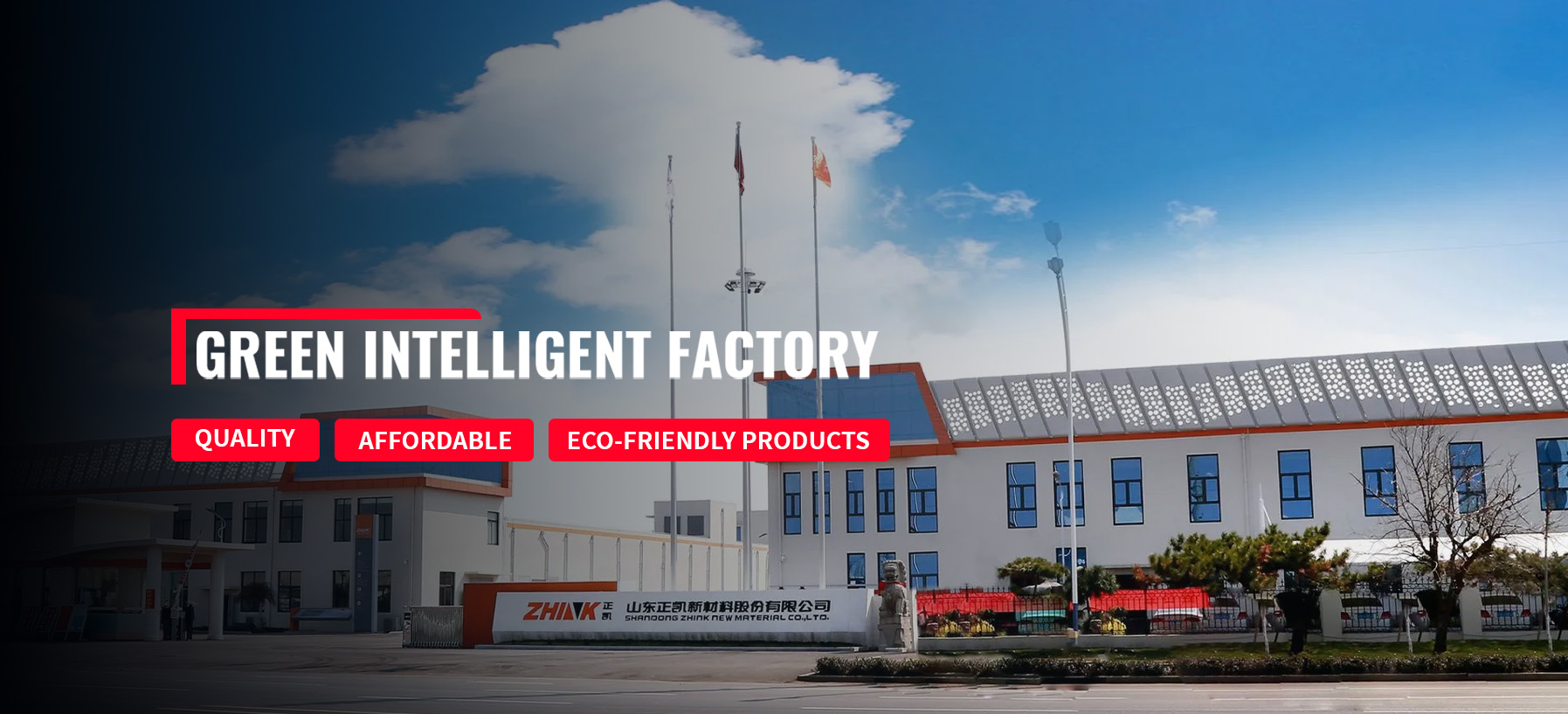
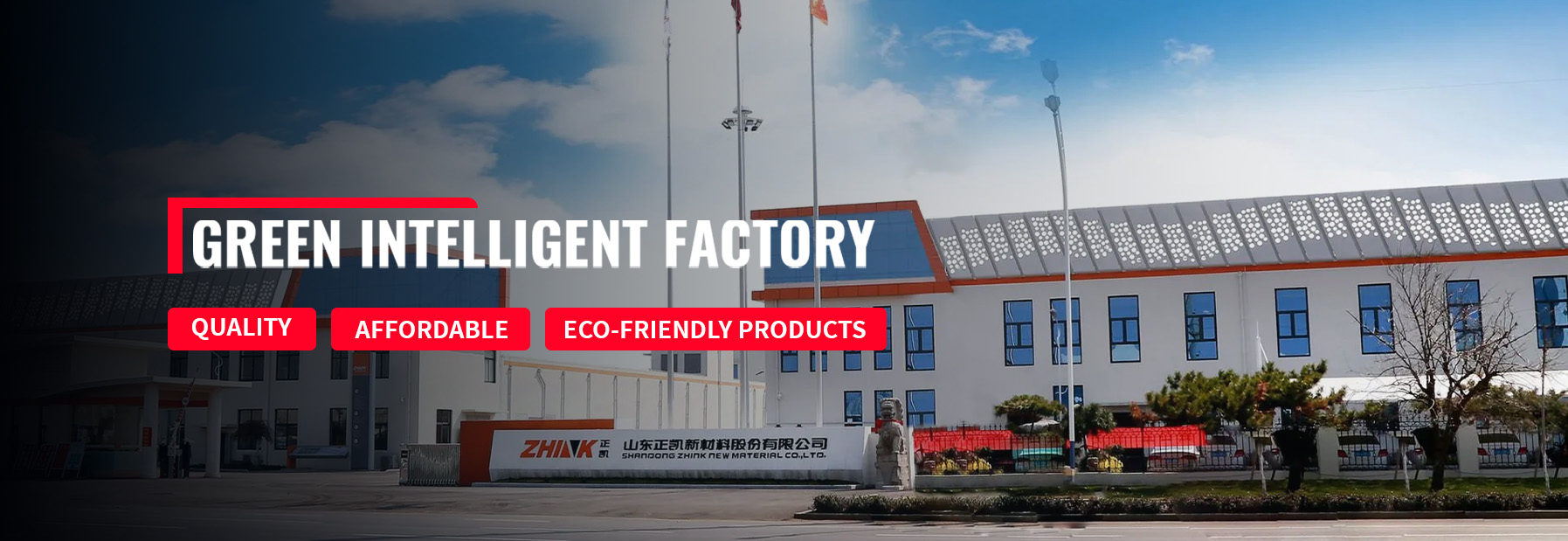
One common misconception is that all modalities of production are equal. In practice, slight variations in conditions—humidity, temperature—can affect the yarn's properties. This is crucial for anyone deeply embedded in textile manufacturing. Companies like SHANDONG ZHINK NEW MATERIAL CO., LTD thrive because they grasp these nuances, evolving their practices accordingly.
I recall encountering an unexpected issue when first experimenting with Modal. We had a batch that didn't dye uniformly. This wasn't a defect of the yarn itself but rather reflected how sensitive Modal is to process conditions. SHANDONG ZHINK's dedication to research and development meant they had the expertise to adjust parameters precisely, ensuring consistent quality. Their work is a reminder that material science and textile artistry must align closely.
The Challenges of Working with Modal
For any manufacturer, the processing of Lenzing Modal Yarn presents a series of challenges. The yarn is especially notorious for pilling if not handled correctly during knitting or weaving. The delicate fibers demand a certain gentleness not always necessary with other materials. You could say it almost requires a hands-on mentorship approach during production.
Internally at SHANDONG ZHINK, ongoing training and process adjustments are part of daily operations. When I was involved in a project using Modal for high-end lingerie, we had to recalibrate several machines. There were moments of hesitation among the team—should we opt for easier-to-handle materials? But the decision to stick with Modal led to a level of product luxury that wasn’t achievable otherwise.
The learning curve can be steep, but it emphasizes why partnerships with knowledgeable suppliers are vital. Zhink New Material, for instance, leverages extensive experience to help clients navigate these challenges, offering insight not just into Modal but into other forward-thinking textiles. It's part of their broader mission of sustainable textile advancement.
Sustainability and Innovation with Modal Yarn
One of the great strengths of Lenzing Modal Yarn is its environmental credentials. Sustainability isn't just a checkbox; it's the core. The closed-loop process utilized ensures minimal waste, aligning perfectly with global eco-initiatives. But this also means it's under constant scrutiny.
And yet, sustainability without innovation doesn't suffice. Companies like SHANDONG ZHINK NEW MATERIAL CO., LTD understand this well, pushing for new applications and blends. Picture Modal mixed with Tencel or EcoVero—creating textiles that are versatile and even more sustainable. Such innovations make Modal more than a niche choice; they push it toward mainstream adoption.
Real innovation often arises from collaboration. This is another area where the industry shines. Cross-company R&D collaborations, shared through platforms like https://www.zhinkyarn.com, aim to enhance quality and sustainability outcomes. In this space, every yarn tells a part of the story.
Practical Applications in Textile Manufacturing
The journey from raw Modal fiber to finished product encompasses many steps, each demanding careful thought. Whether it's sheet sets or fitted garments, the transition requires skill. What often surprises newcomers is how each step impacts the end result. A slight tweak in tension during weaving, for instance, can drastically alter fabric feel and durability.
In practical terms, using Lenzing Modal Yarn is like crafting a piece of art. There’s an innate understanding that must be reached. At SHANDONG ZHINK, there's a palpable respect for every spool, with controlled experiments regularly informing best practices. It’s here where experience, curiosity, and cutting-edge technology converge.
It's important not just possessing knowledge about Modal but applying it effectively. For instance, choosing the right partner like SHANDONG ZHINK can determine project success. Their site, https://www.zhinkyarn.com, provides a wealth of information that’s indispensable when working with these unique materials.
The Future of Lenzing Modal Yarn
Looking ahead, the potential for Lenzing Modal Yarn seems boundless, but it will require ongoing dedication from the textile community. There are inevitable advances in fiber technology and processing techniques on the horizon, all of which promise to enhance both the sustainability and practicality of Modal products.
Yet the industry must remain vigilant—balancing commercial pressures with eco-commitments. Companies like SHANDONG ZHINK NEW MATERIAL CO., LTD are helping shape this future, ensuring Modal remains at the forefront of textile innovation. Their commitment to R&D and sustainable practices paves the way for a more intelligent approach to fabric production.
For those of us in textiles, embracing Lenzing Modal means respecting its quirks, leveraging its strengths, and never shying away from challenges. It’s not just a material; it’s a journey toward smarter, more harmonious manufacturing. And maybe, in that journey, we find the true heart of what it means to be a textile professional today.
Related Products
Related Products