
+86-632-3621866
- Chinese
- French
- German
- Portuguese
- Spanish
- Russian
- Japanese
- Korean
- Arabic
- Irish
- Greek
- Turkish
- Italian
- Danish
- Romanian
- Indonesian
- Czech
- Afrikaans
- Swedish
- Polish
- Basque
- Catalan
- Esperanto
- Hindi
- Lao
- Albanian
- Amharic
- Armenian
- Azerbaijani
- Belarusian
- Bengali
- Bosnian
- Bulgarian
- Cebuano
- Chichewa
- Corsican
- Croatian
- Dutch
- Estonian
- Filipino
- Finnish
- Frisian
- Galician
- Georgian
- Gujarati
- Haitian
- Hausa
- Hawaiian
- Hebrew
- Hmong
- Hungarian
- Icelandic
- Igbo
- Javanese
- Kannada
- Kazakh
- Khmer
- Kurdish
- Kyrgyz
- Latin
- Latvian
- Lithuanian
- Luxembou..
- Macedonian
- Malagasy
- Malay
- Malayalam
- Maltese
- Maori
- Marathi
- Mongolian
- Burmese
- Nepali
- Norwegian
- Pashto
- Persian
- Punjabi
- Serbian
- Sesotho
- Sinhala
- Slovak
- Slovenian
- Somali
- Samoan
- Scots Gaelic
- Shona
- Sindhi
- Sundanese
- Swahili
- Tajik
- Tamil
- Telugu
- Thai
- Ukrainian
- Urdu
- Uzbek
- Vietnamese
- Welsh
- Xhosa
- Yiddish
- Yoruba
- Zulu
- Kinyarwanda
- Tatar
- Oriya
- Turkmen
- Uyghur


lenzing viscose yarn
The Versatile World of Lenzing Viscose Yarn
Lenzing viscose yarn stands at the crossroads of innovation and sustainability in the textile industry. This article delves into its significance, common misconceptions, and practical insights drawn from real-world experience, including some pointers to avoid pitfalls that even seasoned professionals might stumble into.
Understanding Lenzing Viscose Yarn
For many, the term Lenzing viscose yarn conjures images of luxurious softness blended with eco-friendly attributes. The appeal is clear: it feels like silk but offers sustainable credentials that many fabrics can’t claim. One reality check, however, is that these yarns are only as good as their production methods. The devil, as they say, is in the details.
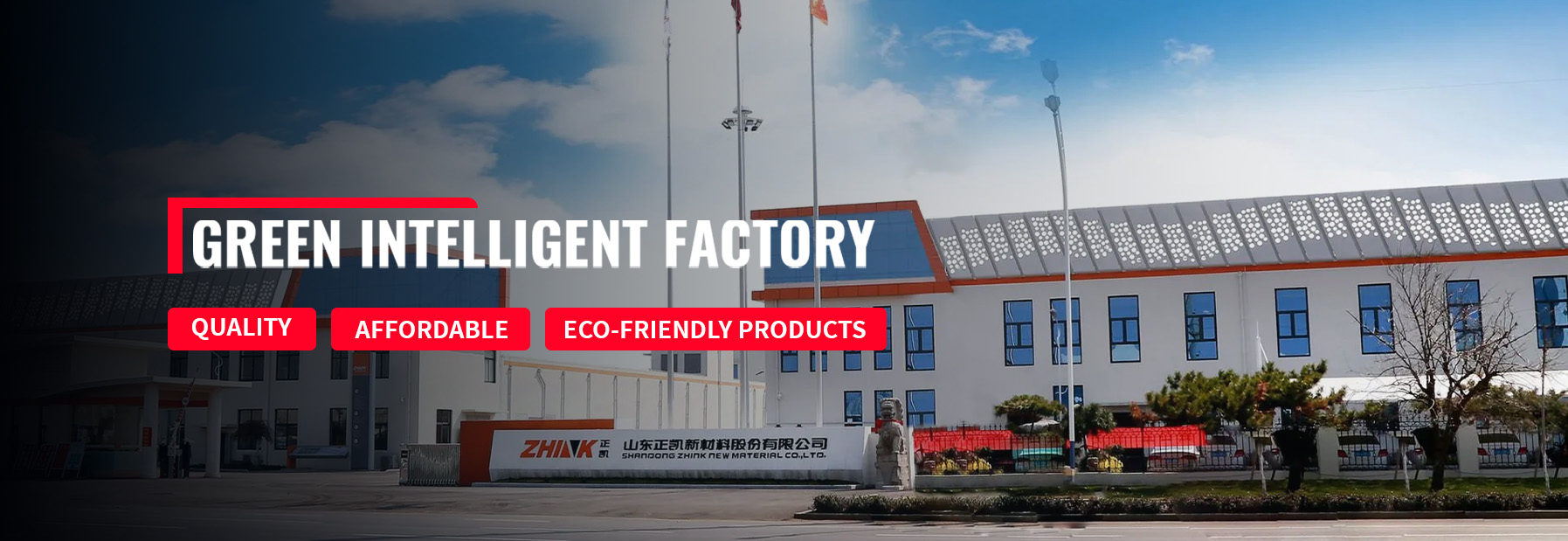
Some may be under the impression that Lenzing viscose yarn is a catch-all solution for eco-conscious fabric demands. Yet, understanding its properties requires a deep dive into its cellulosic origins and the technology behind it. Companies like SHANDONG ZHINK NEW MATERIAL CO., LTD, accessible at their website, are at the forefront of such exploration, using advanced research to enhance both quality and sustainability.
There’s a fascination with the feel and versatility of this yarn. However, treating it as a typical fiber could lead to mismanagement—its unique processing needs have stymied experienced artisans who assume familiarity with other viscose blends is sufficient.
Key Characteristics and Challenges
In practice, the positives of Lenzing viscose yarn, such as its breathability and softness, can sometimes be offset by issues like shrinkage if mishandled during processing. The elasticity can be deceptive; any oversight in tension management can lead to inconsistent fabric behavior.
A practical consideration is the yarn’s dyeing affinity. It absorbs color remarkably well, which is both a boon and a bane. A slight dye bath imbalance or incorrect pH levels can lead to uneven hues that are challenging to rectify. Experience pays off here—color technicians know to expect a bit of trial and error, especially at scale.
Additionally, when working with such yarns, logistical aspects like sourcing and supply chain consistency should not be underestimated. Partners like Zhink New Material ensure a steady supply, which is essential for maintaining production timelines.
Applications in Modern Textiles
Lenzing viscose yarn has found its way into a variety of applications, from high-end fashion to everyday wear, an area where its comfort factor adds undeniable value. Designers report that it offers an exquisite drape that few other materials can replicate. It’s favored in collections where both aesthetics and environmental considerations are paramount.
A common pitfall is its delicate maintenance requirements—unfortunately, labels stating “gentle wash only” are often overlooked, leading to consumer dissatisfaction. Educating customers becomes just as crucial as the manufacturing process itself.
One could argue the educational aspect extends further. In practice, the more informed the end users are about care practices, the longer the lifecycle of such garments, aligning perfectly with their sustainability ethos.
Innovative Approaches by Industry Leaders
Innovation is at the heart of Lenzing viscose yarn applications. Industry leaders, such as SHANDONG ZHINK NEW MATERIAL CO., LTD, are constantly innovating. Their focus not only covers functional enhancements but also environmentally friendly practices. This forward-thinking approach underscores the importance of merging technology with sustainable practices.
An intriguing development has been the integration of unique blends. Combining viscose with other fibers to develop hybrid yarns is where some of the most exciting innovation happens. It’s this kind of experiment that keeps industry insiders on their toes, always looking for the next breakthrough.
Moreover, advancements in yarn production methods strive to reduce environmental footprints while increasing performance capabilities—something that will benefit the entire textile industry if done correctly.
Future Prospects and Considerations
The trajectory for Lenzing viscose yarn is optimistic. As more brands align their operations with sustainable initiatives, the demand for such materials is set to rise. Yet, scalability poses questions not just about supply chain efficiency but also about maintaining quality.
While some argue that increased demand could pressure quality standards, it’s the strategic partnerships and innovations from forward-thinking companies like Zhink New Material that offer reassurance. Their holistic approach ensures that sustainability doesn’t compromise performance.
Ultimately, Lenzing viscose yarn isn’t just a product; it represents a commitment to a more sustainable future. It’s a journey more than an endpoint, fueled by innovation, practical application, and the collective effort of industry players who prioritize both planet and product.
Related Products
Related Products

Best Selling Products
Best Selling Products

Related Search
Related Search- polyester injection yarn
- 25S/1 Hollow polyester/ viscose slub yarn
- cheap acrylic yarn
- 100% Flame retardant polyester siro compact
- 30s viscose yarn price
- Seedling green polyester fiber
- 24s Recycled polyester yarn
- modal/wool 80/20 siro compact
- Combed cotton blended yarn for knitting
- cationic polyester/ viscose spandex yarn