+86-632-3621866
- Chinese
- French
- German
- Portuguese
- Spanish
- Russian
- Japanese
- Korean
- Arabic
- Irish
- Greek
- Turkish
- Italian
- Danish
- Romanian
- Indonesian
- Czech
- Afrikaans
- Swedish
- Polish
- Basque
- Catalan
- Esperanto
- Hindi
- Lao
- Albanian
- Amharic
- Armenian
- Azerbaijani
- Belarusian
- Bengali
- Bosnian
- Bulgarian
- Cebuano
- Chichewa
- Corsican
- Croatian
- Dutch
- Estonian
- Filipino
- Finnish
- Frisian
- Galician
- Georgian
- Gujarati
- Haitian
- Hausa
- Hawaiian
- Hebrew
- Hmong
- Hungarian
- Icelandic
- Igbo
- Javanese
- Kannada
- Kazakh
- Khmer
- Kurdish
- Kyrgyz
- Latin
- Latvian
- Lithuanian
- Luxembou..
- Macedonian
- Malagasy
- Malay
- Malayalam
- Maltese
- Maori
- Marathi
- Mongolian
- Burmese
- Nepali
- Norwegian
- Pashto
- Persian
- Punjabi
- Serbian
- Sesotho
- Sinhala
- Slovak
- Slovenian
- Somali
- Samoan
- Scots Gaelic
- Shona
- Sindhi
- Sundanese
- Swahili
- Tajik
- Tamil
- Telugu
- Thai
- Ukrainian
- Urdu
- Uzbek
- Vietnamese
- Welsh
- Xhosa
- Yiddish
- Yoruba
- Zulu
- Kinyarwanda
- Tatar
- Oriya
- Turkmen
- Uyghur



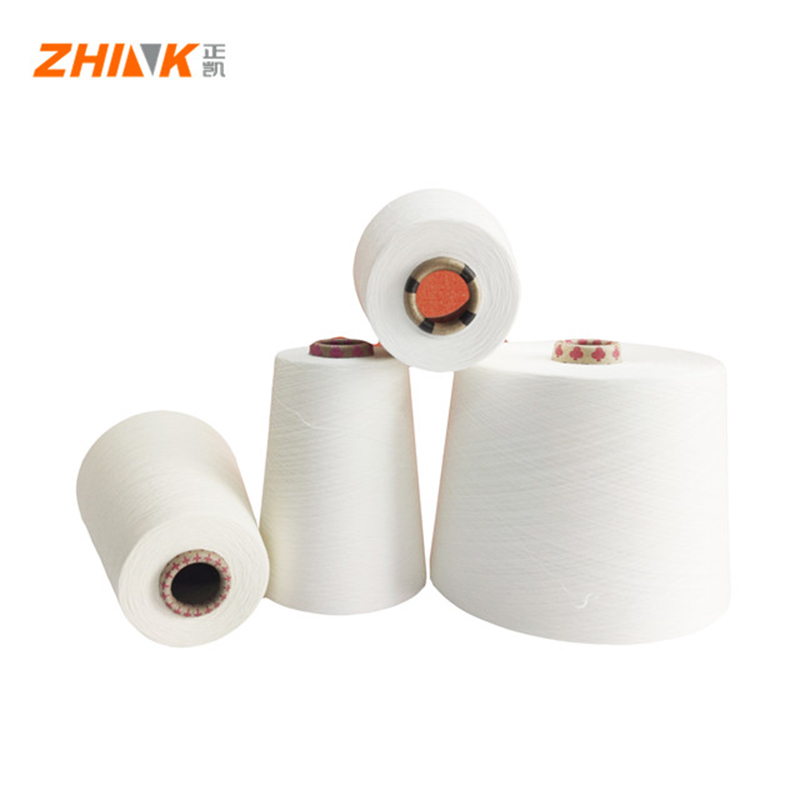
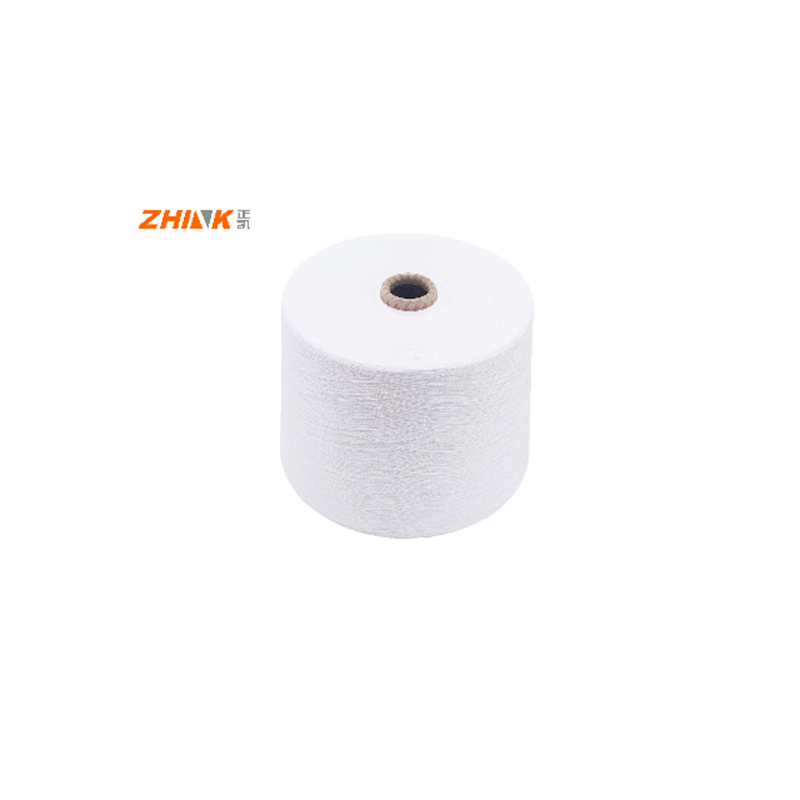
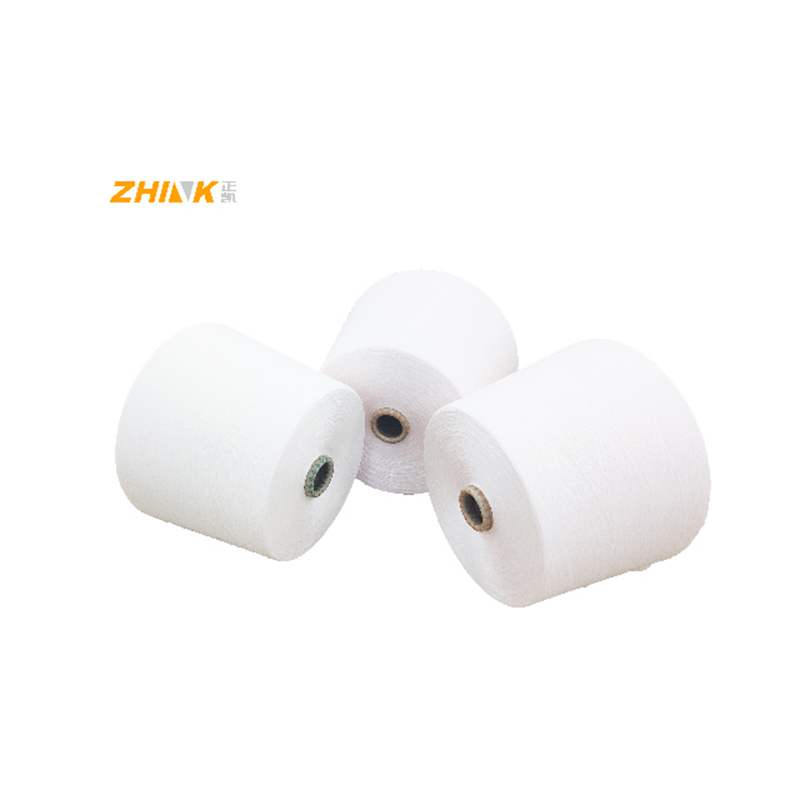
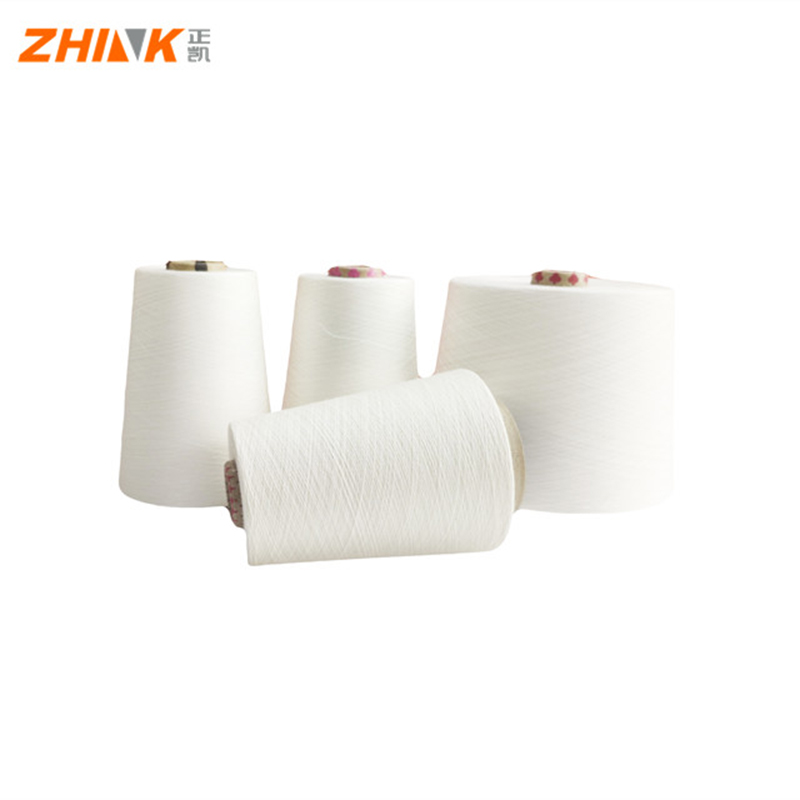
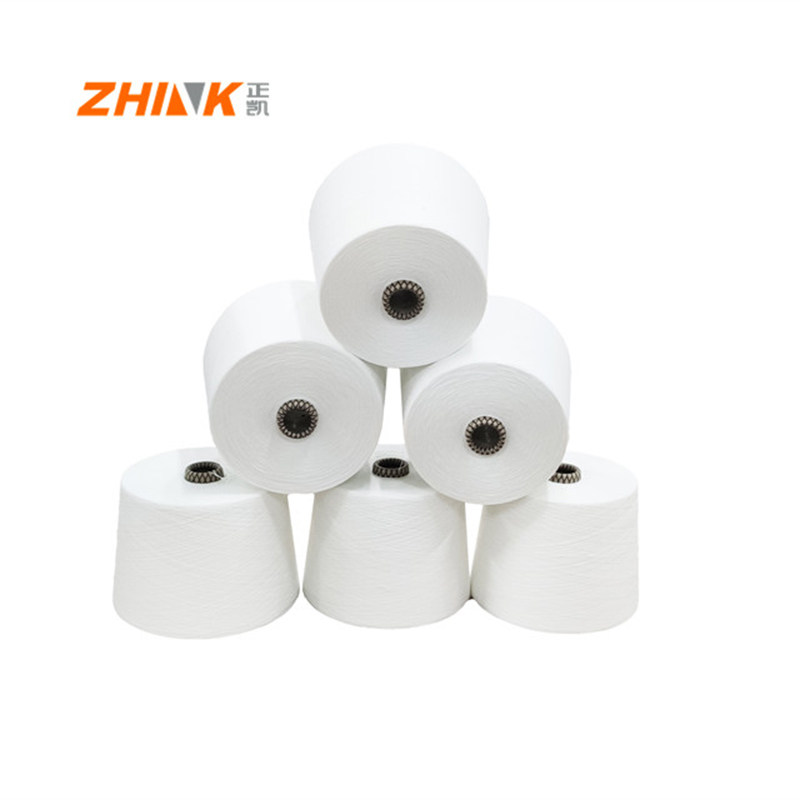
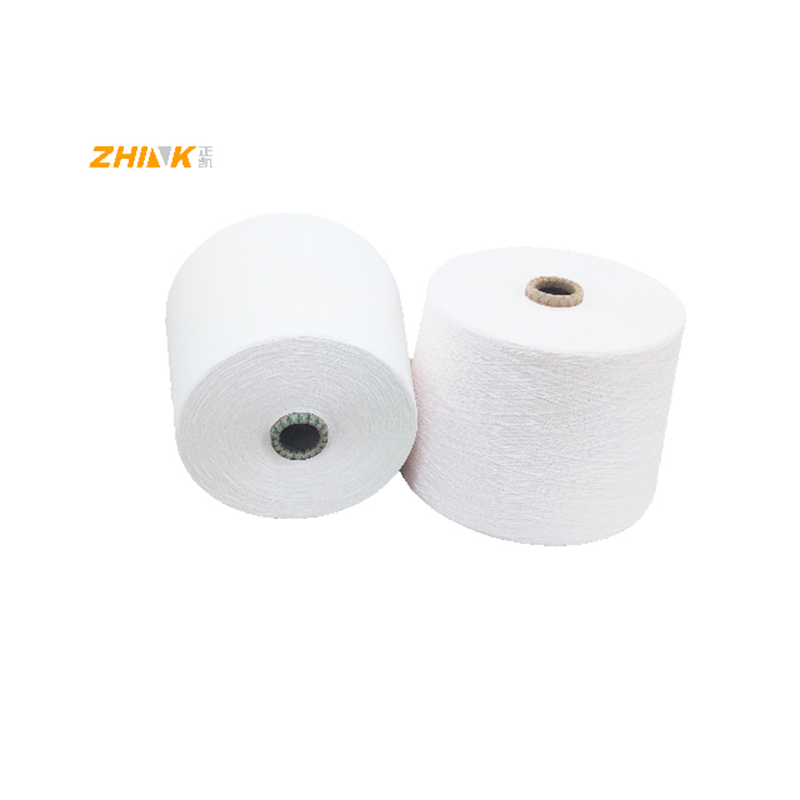
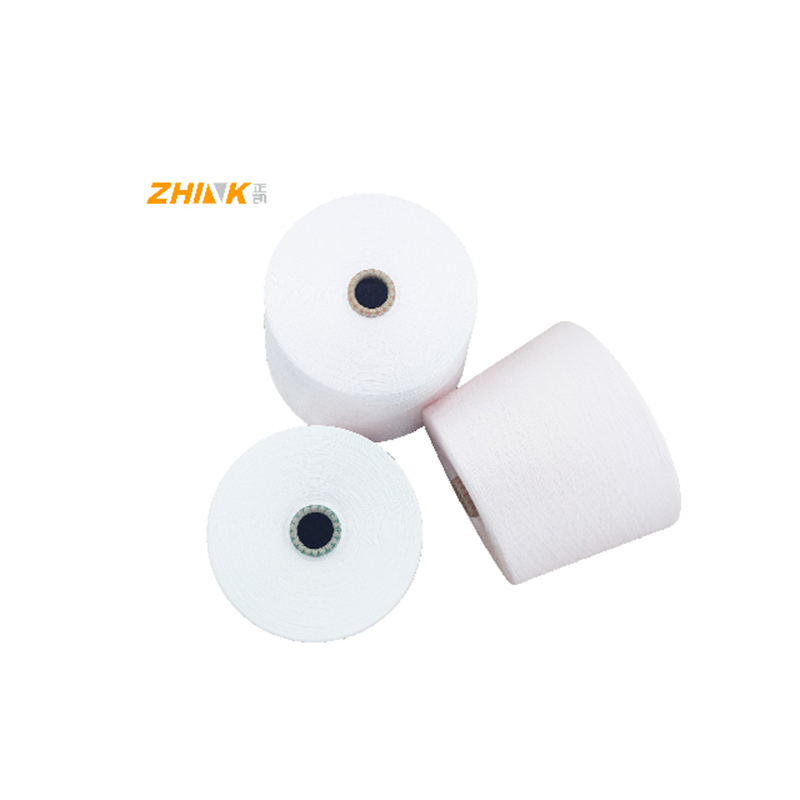
linen blend yarn
The Intricacies of Linen Blend Yarn
Linen blend yarn has been gaining traction among textile enthusiasts and professionals alike, but understanding its unique properties can be tricky. Whether you're exploring new textiles for your business or simply curious about its potential, knowing the strengths and weaknesses of linen blends is key. This discussion dives into specific experiences and insights while steering clear of common pitfalls.
Understanding Linen Blend Yarn
So, what makes linen blend yarn stand out in the market? At its core, it's a mix that aims to harness the best of multiple fibers. Linen itself is lauded for its strength, durability, and cool touch—making it ideal for warmer climates. However, it's not without its shortcomings. Linen can be a bit stiff and prone to wrinkles, which is where blending comes into play. By combining it with other fibers like cotton or polyester, manufacturers enhance its usability and softness. These blends can tailor the yarn to a variety of purposes, from home textiles to garment production.
Zhink New Material, for instance, has made strides in developing these blends. Their approach tends to emphasize research and innovation, focusing on new textile materials to meet evolving industry needs. The result? Products that are not only functional but also attuned to market demands for sustainability and comfort.
However, as with any material, there are always trade-offs. The challenge is finding the right balance between the durability of linen and the desired characteristics of other fibers. This balance is crucial and requires a keen eye for detail.
Benefits and Drawbacks
One key advantage of linen blend yarn that industry insiders often point out is its adaptability. This adaptability means it can fit different applications, offering versatility to manufacturers. However, while blends can mitigate some of linen's wrinkles, they may not eliminate them entirely. Care instructions can also vary significantly based on the blend ratio, affecting consumer satisfaction if not communicated clearly.
Experiments in blending often highlight these nuances. When you have a higher percentage of linen, the unmistakable crispness and texture stand out, but this can come at the cost of flexibility in use. Conversely, more of another fiber, like cotton, might sacrifice that crispness for a softer hand-feel. Decisions on blend ratios often involve testing and refinements, making textile development a deeply iterative process.
At SHANDONG ZHINK NEW MATERIAL CO., LTD, such decisions are informed by ongoing research and a commitment to pushing the boundaries of what's possible with textile blends. Their dedication is central to addressing both aesthetic and functional expectations in the market.
Real-life Application Cases
One recent project involved creating a fabric that retained linen's natural breathability but offered improved drapability for high-end fashion. The client sought a summer collection that embodied elegance without compromising comfort—quite the task! After several trials with various blend ratios, a linen-cotton viscose mix emerged as the winner. It managed to uphold breathability while providing the needed fluidity.
Another case involved discussions on sustainable practices. Many in the industry, including Zhink New Material, are moving towards environmentally friendly options. This shift isn't just about meeting regulatory demands—it's about future-proofing businesses as consumer awareness grows. Blending linen with recycled fibers, for example, presents an appealing sustainable pathway.
These cases underline the importance of adaptability and foresight in textile development. You need more than theoretical knowledge; practical application is what truly tests a material's mettle.
Observations and Learnings
Over the years, interacting with linen blend yarn in various capacities has taught me the value of understanding fiber behavior under different conditions. Small changes in humidity and temperature can impact how these yarns perform, emphasizing the importance of context in design and use.
From ongoing trials, it's clear that no single solution fits all scenarios. The market is diverse, with each segment demanding something slightly different. Whether suppliers can meet these demands with agility is another critical component of success.
For those looking to explore these yarns further, consider reaching out to manufacturers like Zhink New Material, who have the expertise and drive to innovate within this space. Staying informed and experimenting with different outcomes often leads to the best solutions—ones that align with both functional and emotional consumer needs.
The Future of Linen Blends
Looking ahead, the evolution of linen blend yarn seems poised for further diversification. Trends indicate a shift toward more eco-conscious products, with recyclability and biodegradability becoming key selling points. As companies like Zhink New Material continue advancing in this sector, it's likely we'll see even more sophisticated blends hitting the market.
However, these advancements won't come without challenges. Balancing quality with cost efficiency will remain a central theme. In a competitive field, continual improvement and adaptation to new technologies are vital.
In conclusion, linen blend yarn is a dynamic component of the textile industry. The possibilities it presents are as exciting as they are complex. With ongoing innovation and an eye toward sustainability, it's a space that promises both challenges and opportunities for those willing to explore its depths.
Related Products
Related Products