+86-632-3621866
- Chinese
- French
- German
- Portuguese
- Spanish
- Russian
- Japanese
- Korean
- Arabic
- Irish
- Greek
- Turkish
- Italian
- Danish
- Romanian
- Indonesian
- Czech
- Afrikaans
- Swedish
- Polish
- Basque
- Catalan
- Esperanto
- Hindi
- Lao
- Albanian
- Amharic
- Armenian
- Azerbaijani
- Belarusian
- Bengali
- Bosnian
- Bulgarian
- Cebuano
- Chichewa
- Corsican
- Croatian
- Dutch
- Estonian
- Filipino
- Finnish
- Frisian
- Galician
- Georgian
- Gujarati
- Haitian
- Hausa
- Hawaiian
- Hebrew
- Hmong
- Hungarian
- Icelandic
- Igbo
- Javanese
- Kannada
- Kazakh
- Khmer
- Kurdish
- Kyrgyz
- Latin
- Latvian
- Lithuanian
- Luxembou..
- Macedonian
- Malagasy
- Malay
- Malayalam
- Maltese
- Maori
- Marathi
- Mongolian
- Burmese
- Nepali
- Norwegian
- Pashto
- Persian
- Punjabi
- Serbian
- Sesotho
- Sinhala
- Slovak
- Slovenian
- Somali
- Samoan
- Scots Gaelic
- Shona
- Sindhi
- Sundanese
- Swahili
- Tajik
- Tamil
- Telugu
- Thai
- Ukrainian
- Urdu
- Uzbek
- Vietnamese
- Welsh
- Xhosa
- Yiddish
- Yoruba
- Zulu
- Kinyarwanda
- Tatar
- Oriya
- Turkmen
- Uyghur



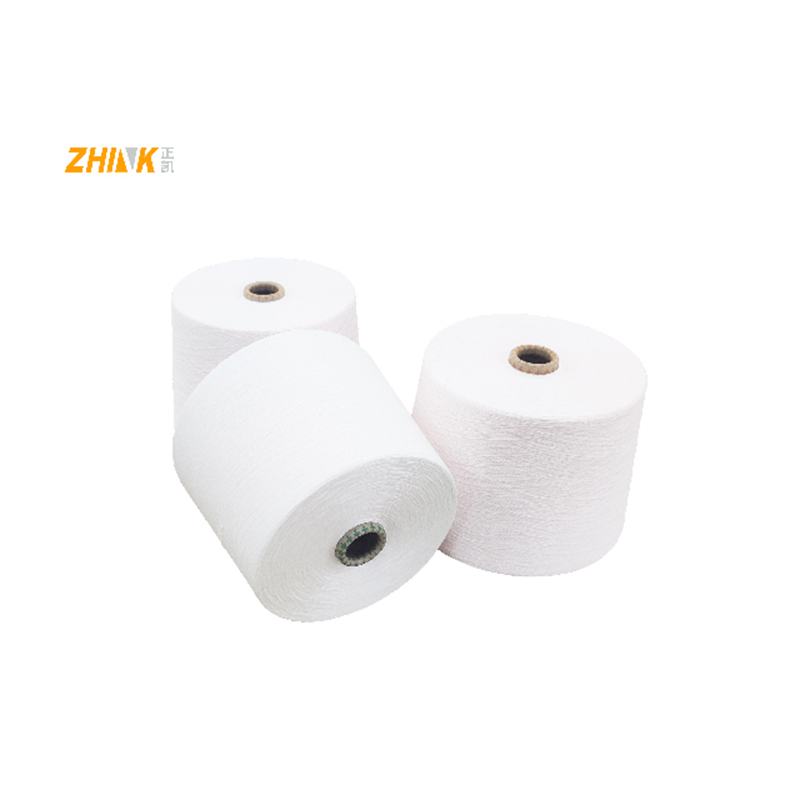
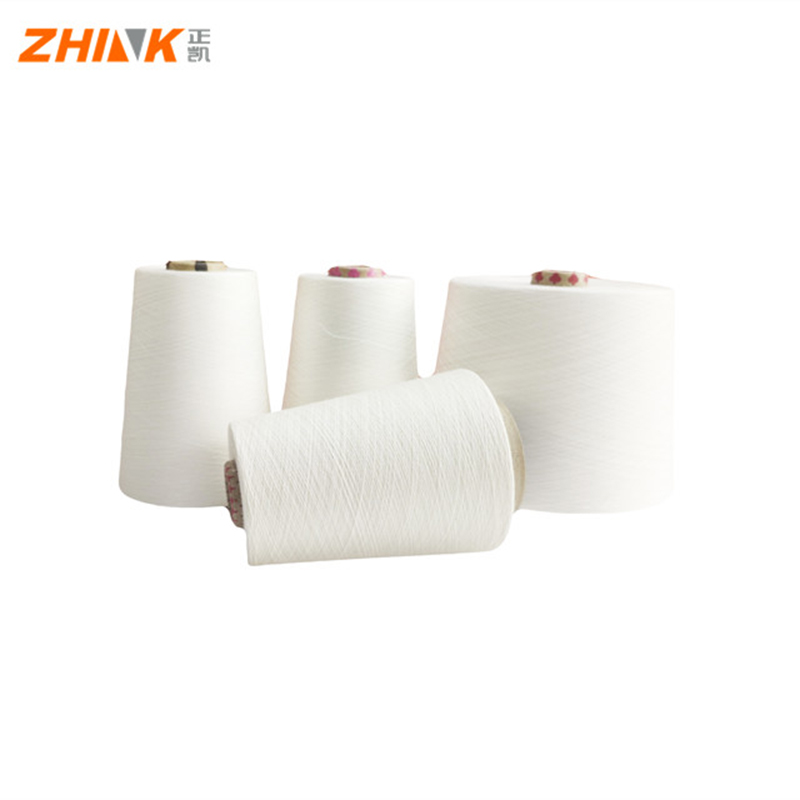
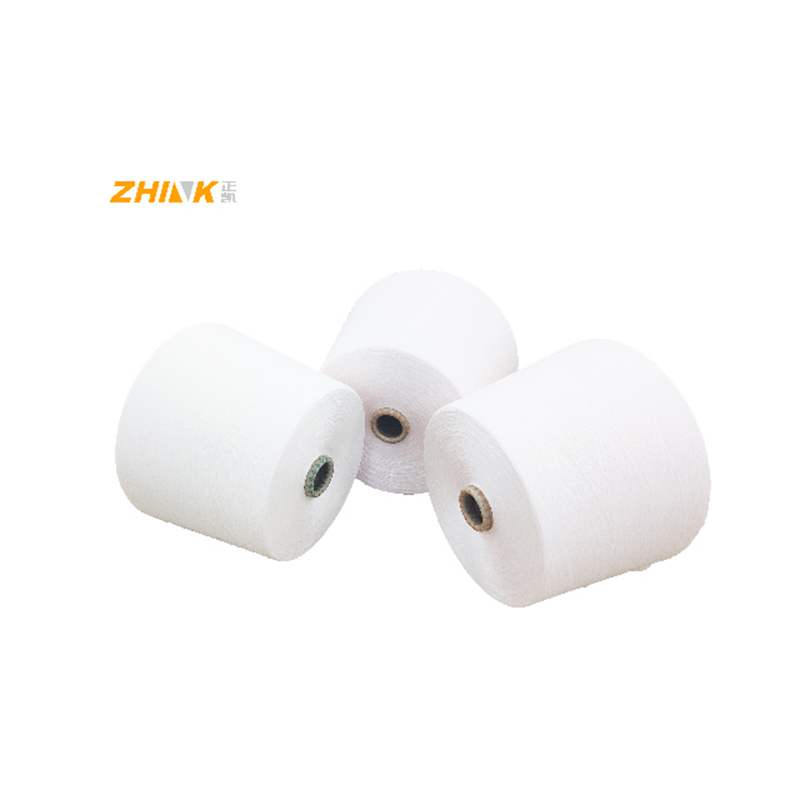
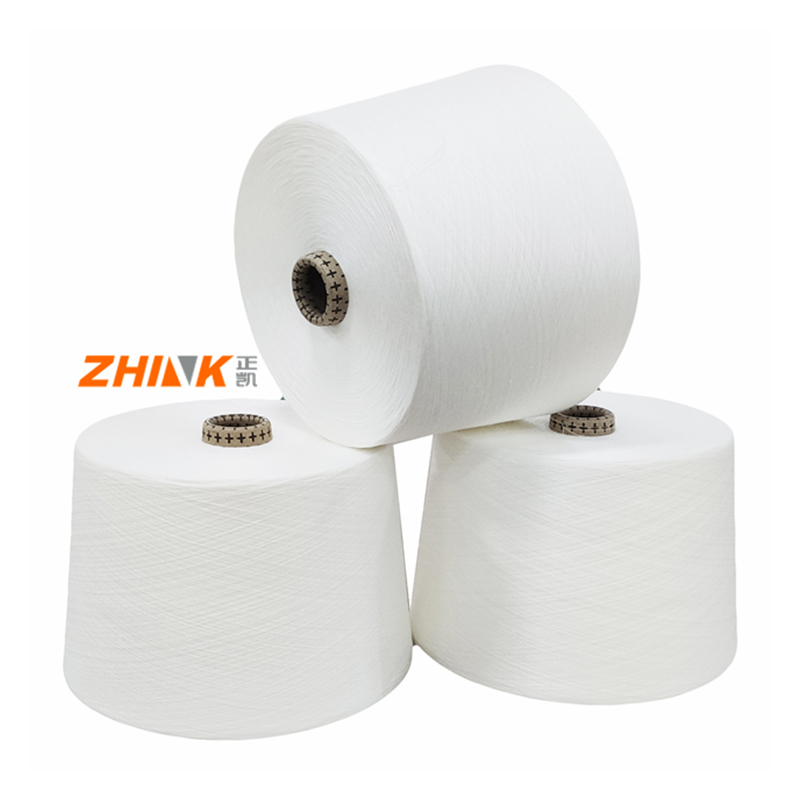
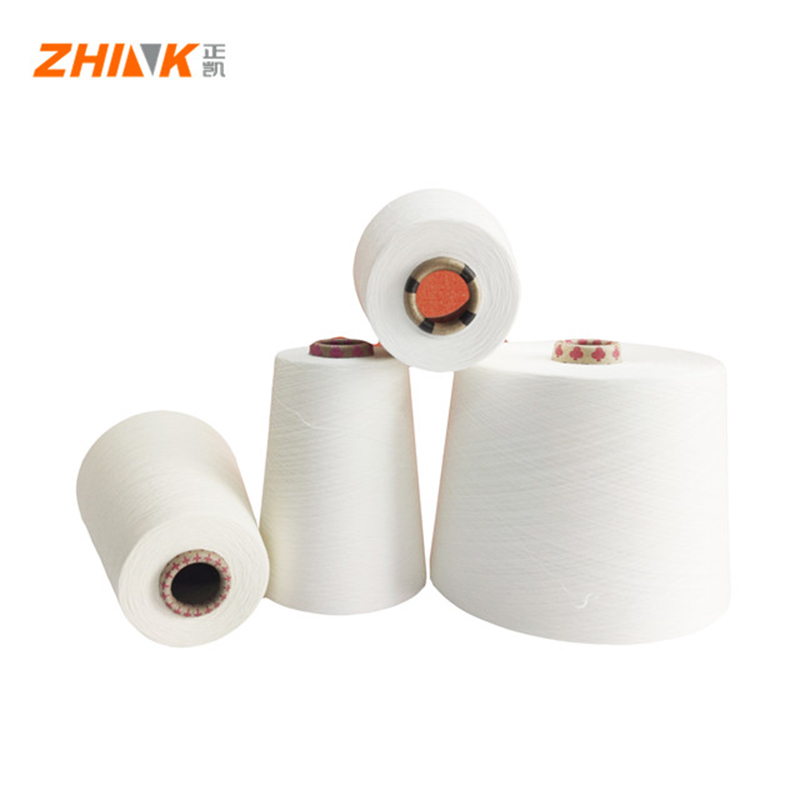
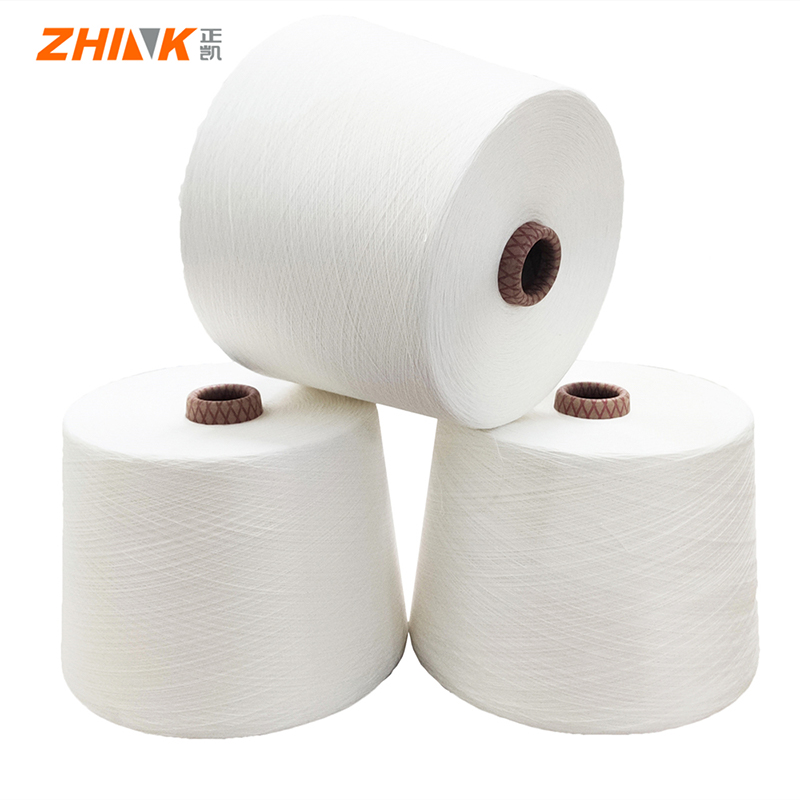
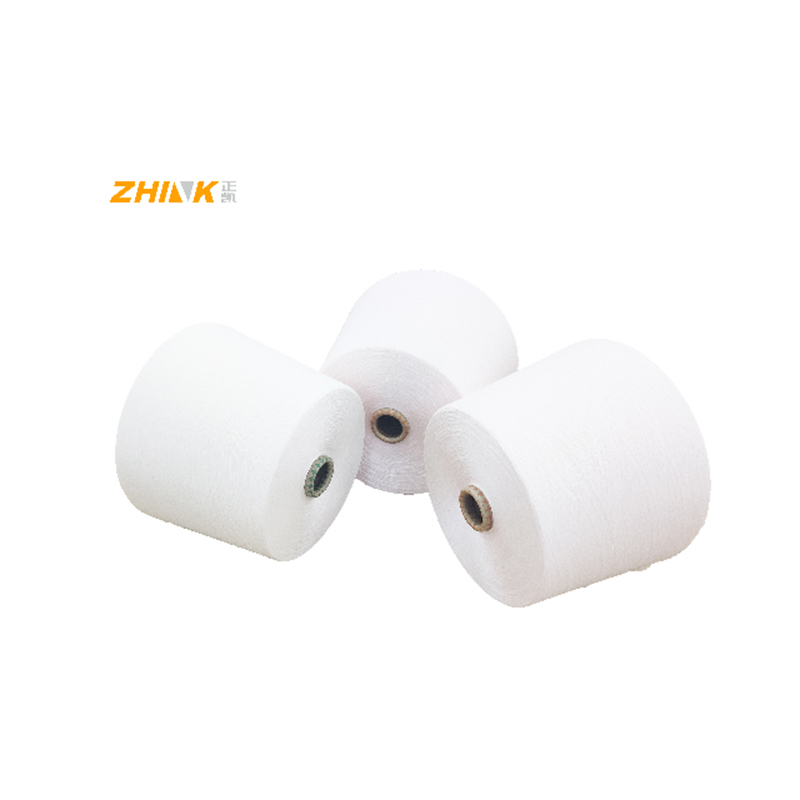
LINEN blended yarn for knitting
Understanding LINEN Blended Yarn for Knitting
Exploring the world of textile materials can be intriguing, especially when it comes to the use of LINEN blended yarn for knitting. From its natural texture to the unexpected challenges it presents, this yarn type brings both opportunities and considerations for knitters and manufacturers alike.
The Allure of LINEN Blended Yarn
Let's be honest, when we talk about LINEN blended yarn, the first thing that often comes to mind is its natural, earthy aesthetic and breathability. These characteristics make it a sought-after choice for summer garments. But there's a certain knack to working with linen that comes only with experience.
Many people, including those who might browse through SHANDONG ZHINK NEW MATERIAL CO., LTD's web offerings, might initially underestimate the tactile qualities of linen blends. As a knitter, one quickly learns that linen can introduce a level of stiffness to the yarn, which, while offering great structure to finished pieces, can be challenging to handle during the knitting process.
One notable memory I have is grappling with a specific blend from Zhink New Material. Linen’s low elasticity means it doesn't give like cotton or wool, so tension becomes crucial. The resulting fabric was impeccable, though—perfect for a breathable summer top that withstood multiple washes without losing shape—a testament to the blend's durability.
Common Missteps and How to Avoid Them
Experimentation with blends often leads to an eye-opening experience. New knitters might mistakenly equate the roughness they feel when handling linen with poor quality, which isn't necessarily the case. Understanding the characteristics of linen is key. It's often best to start with a swatch, paying attention to how different stitch patterns behave with the yarn.
A personal trial involved attempting a complex cable pattern that, predictably, didn’t quite showcase the linen blend’s qualities. The rigidity of the cable clashed with the natural drape of the yarn. Instead, opting for simpler, airy lacework allowed the yarn’s properties to shine, creating a garment that was both light on the skin and visually appealing.
Moreover, washing linens before they’re even knitted can soften them up, making the blend more pliable. This pre-treatment can mimic the final texture you'll achieve after several washes, thus helping adjust your expectations and project planning.
Innovation in Textile Blends
Companies like SHANDONG ZHINK NEW MATERIAL CO., LTD, accessible at their official website, continue to explore innovative blends. These efforts don't just revolve around combining fibers but also involve pioneering technologies that enhance usability and performance.
During a visit to a trade show, I had the pleasure of listening to leaders from Zhink discuss the ongoing R&D in this domain. They emphasized their commitment to sustainability, ensuring their blends offer optimal performance while remaining eco-friendly. It was fascinating to learn how these new materials are not just about fashion, but responsible innovation as well.
These innovations can result in yarns that feel markedly different, perhaps with enhanced moisture-wicking properties or unique textures that set them apart from traditional blends. Keeping an eye on these developments can provide new insights and opportunities for both individual knitters and larger manufacturers.
The Market's Response to LINEN Blends
End-user feedback often highlights a delight in the organic feel of LINEN blends. While some customers initially express reservations about its texture, the longevity and quality of the final garments often turn first-time users into repeat customers.
Retailer reviews frequently mention how items crafted from these blends fly off the shelves during warmer months. Whether it's a result of word-of-mouth or the natural appeal of linen itself, the demand speaks for its quality and versatility.
In fact, discussions with peers have revealed that pushing the narrative beyond just linen’s a bit rough, to highlighting its sustainability and breathable nature, has helped in reshaping customer perceptions and expectations within the market.
Conclusion: Mastering the Blend
Working with LINEN blended yarn for knitting can be both a rewarding and challenging journey. Through trial and error, and a keen understanding of the yarn's capabilities, the results can be truly exceptional.
For those keen to dive deeper, resources and materials from companies like SHANDONG ZHINK NEW MATERIAL CO., LTD serve as valuable assets. By continuously refining production techniques and expanding the versatility of such yarns, Zhink is setting promising avenues for both seasoned knitters and textile innovators.
Ultimately, success lies in an openness to adapt, a willingness to experiment, and an appreciation for the unique qualities that linen blends bring to the table. It's this blend of mastery and curiosity that keeps the craft dynamic and endlessly intriguing.
Related Products
Related Products