+86-632-3621866
- Chinese
- French
- German
- Portuguese
- Spanish
- Russian
- Japanese
- Korean
- Arabic
- Irish
- Greek
- Turkish
- Italian
- Danish
- Romanian
- Indonesian
- Czech
- Afrikaans
- Swedish
- Polish
- Basque
- Catalan
- Esperanto
- Hindi
- Lao
- Albanian
- Amharic
- Armenian
- Azerbaijani
- Belarusian
- Bengali
- Bosnian
- Bulgarian
- Cebuano
- Chichewa
- Corsican
- Croatian
- Dutch
- Estonian
- Filipino
- Finnish
- Frisian
- Galician
- Georgian
- Gujarati
- Haitian
- Hausa
- Hawaiian
- Hebrew
- Hmong
- Hungarian
- Icelandic
- Igbo
- Javanese
- Kannada
- Kazakh
- Khmer
- Kurdish
- Kyrgyz
- Latin
- Latvian
- Lithuanian
- Luxembou..
- Macedonian
- Malagasy
- Malay
- Malayalam
- Maltese
- Maori
- Marathi
- Mongolian
- Burmese
- Nepali
- Norwegian
- Pashto
- Persian
- Punjabi
- Serbian
- Sesotho
- Sinhala
- Slovak
- Slovenian
- Somali
- Samoan
- Scots Gaelic
- Shona
- Sindhi
- Sundanese
- Swahili
- Tajik
- Tamil
- Telugu
- Thai
- Ukrainian
- Urdu
- Uzbek
- Vietnamese
- Welsh
- Xhosa
- Yiddish
- Yoruba
- Zulu
- Kinyarwanda
- Tatar
- Oriya
- Turkmen
- Uyghur



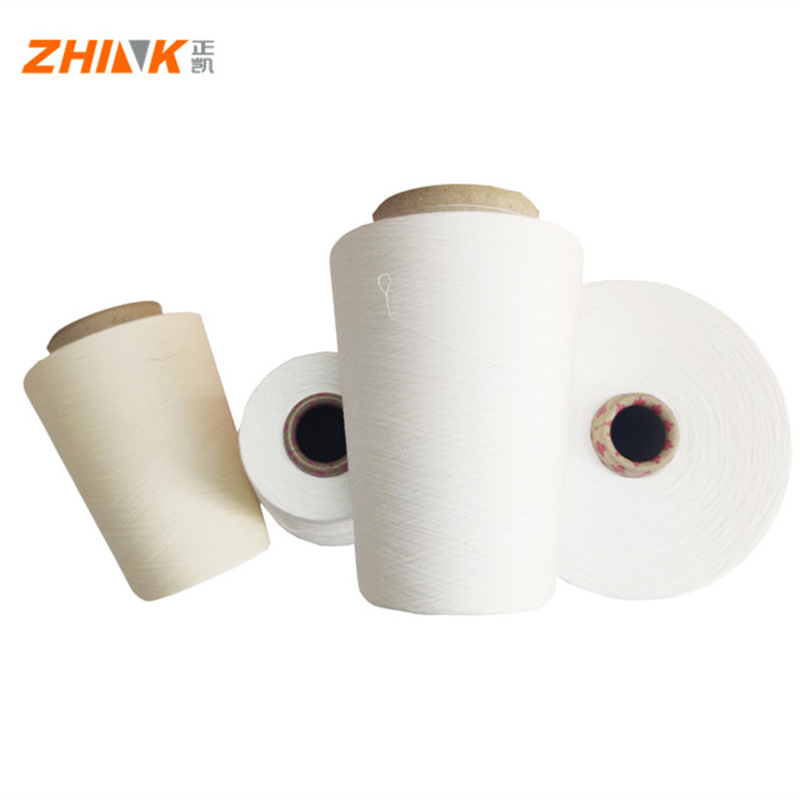
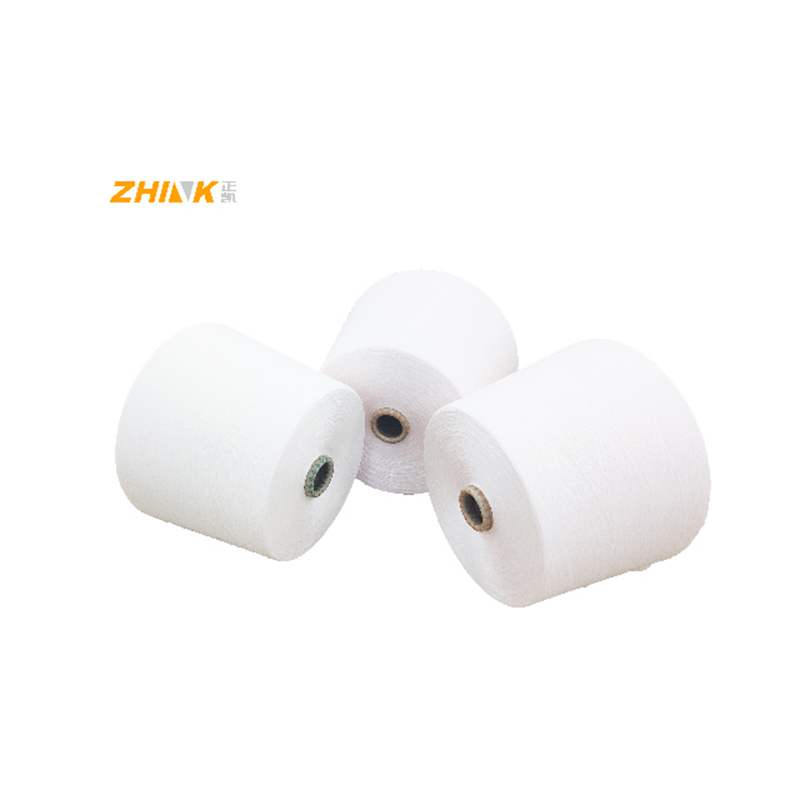
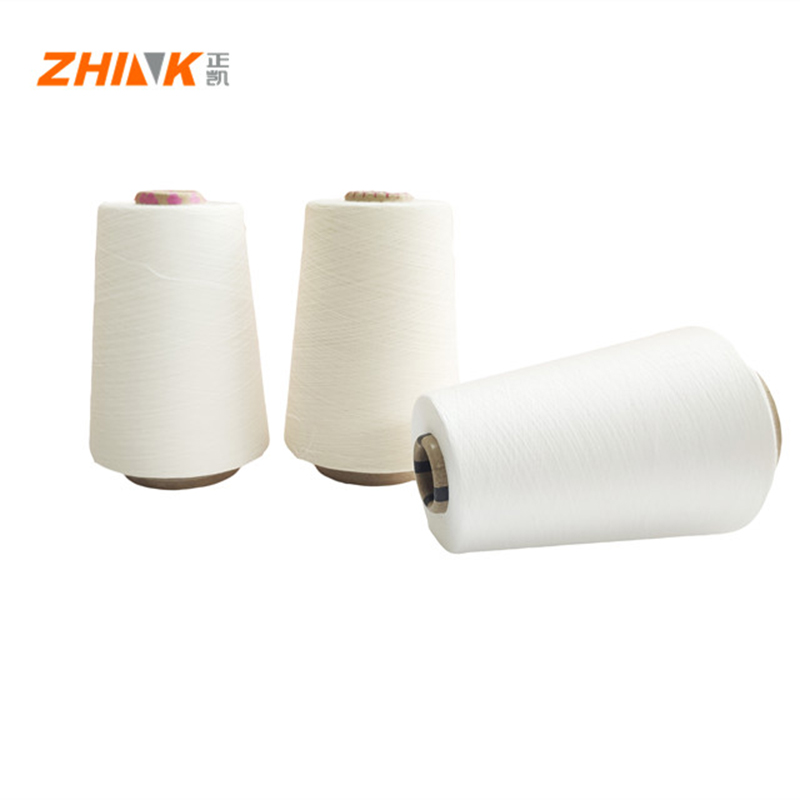
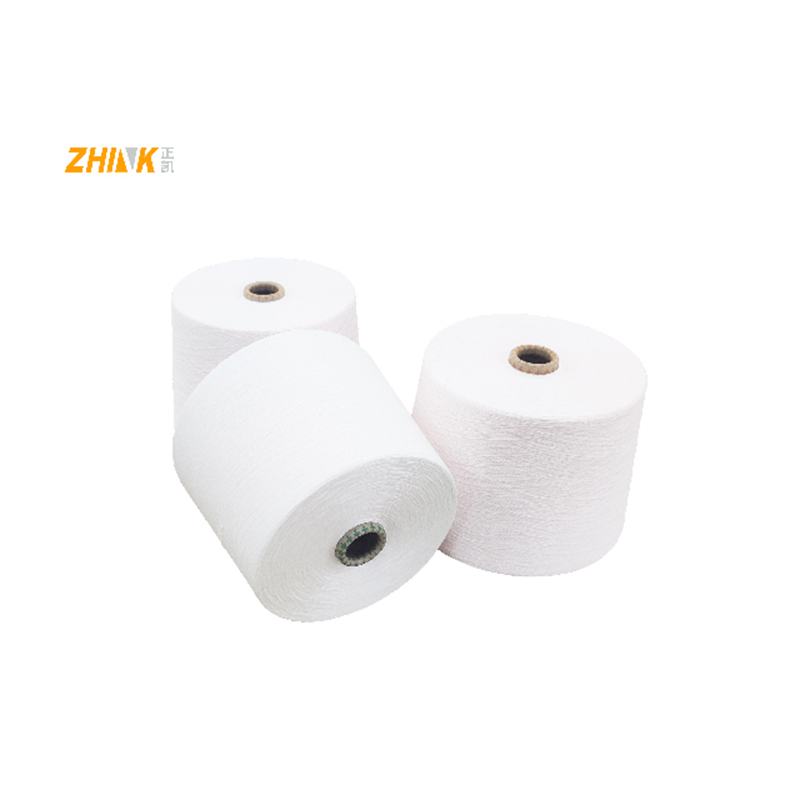
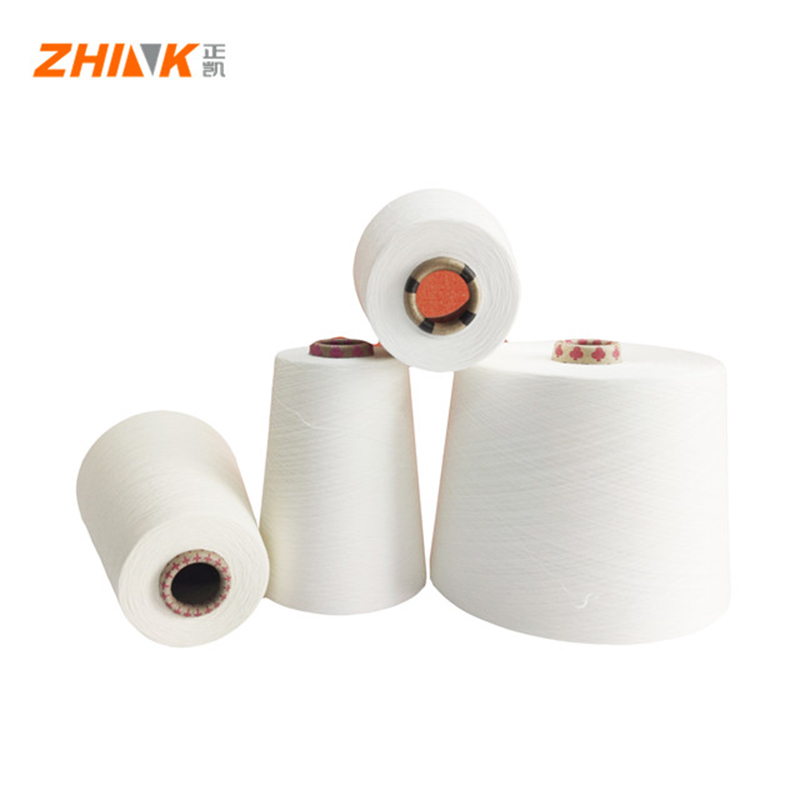
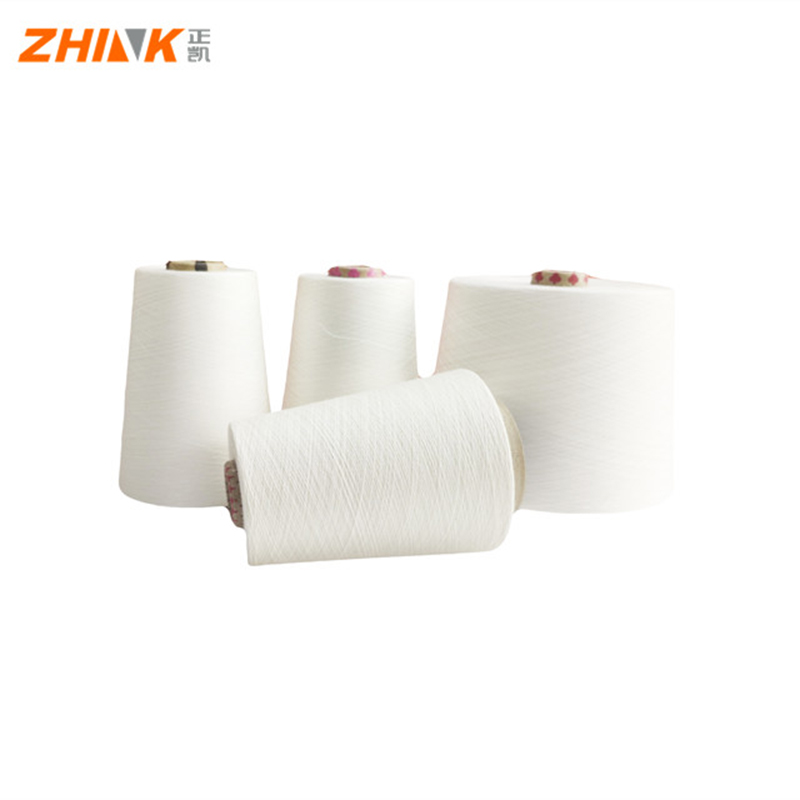
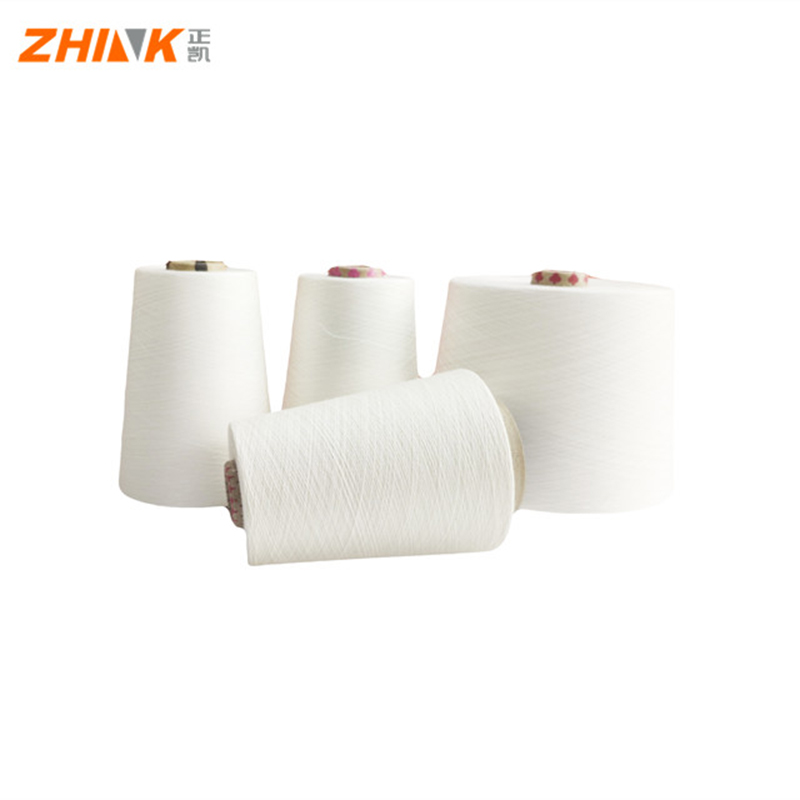
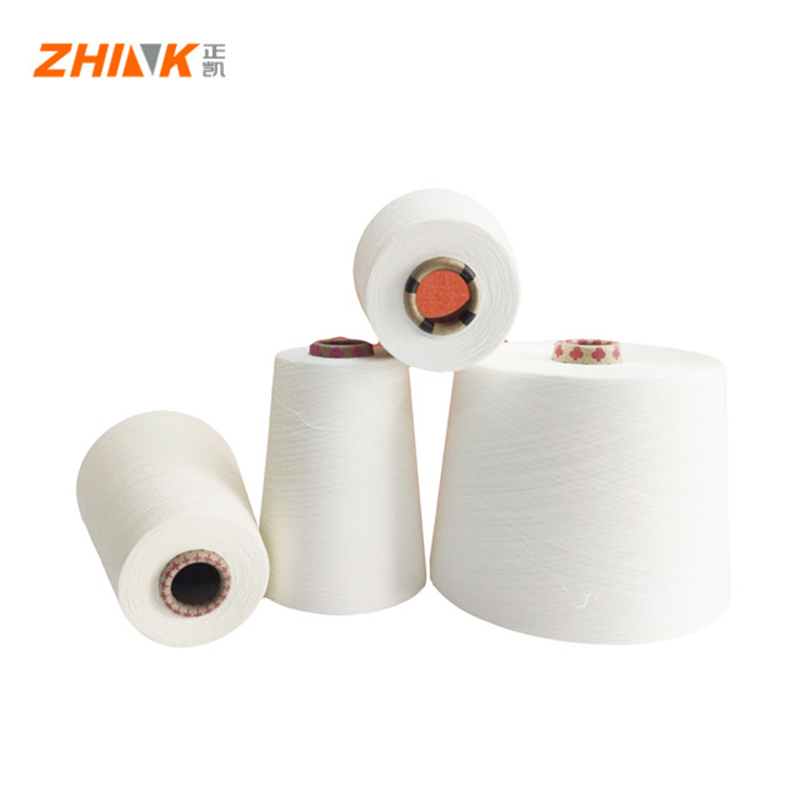
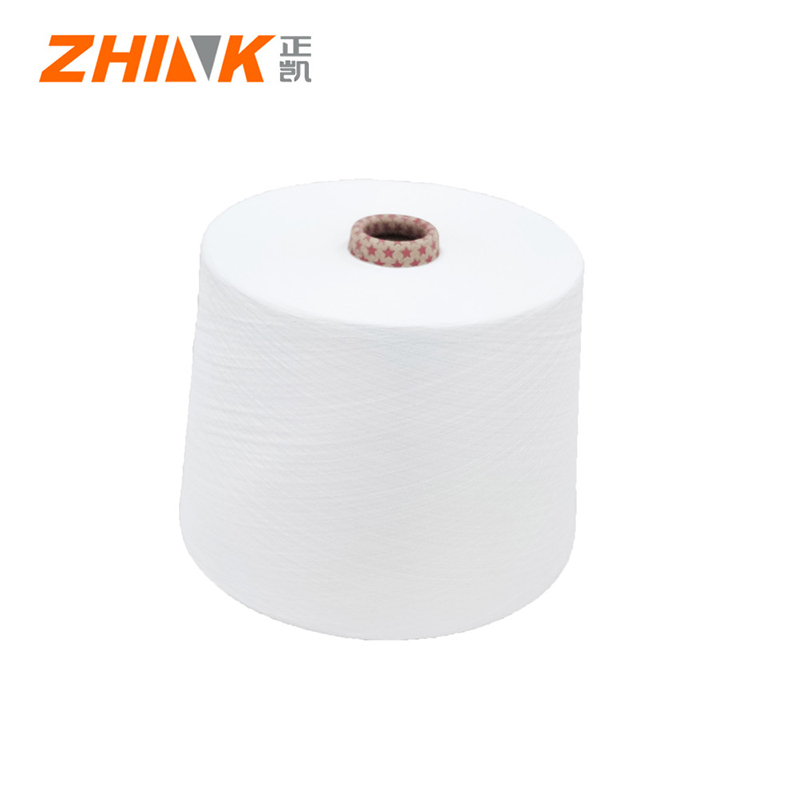
LINEN blended yarn for weaving
The Intricacies of LINEN Blended Yarn for Weaving
Blending fibers can be tricky, but when linen blended yarn comes into play, magic happens. It’s all about finding the perfect mix that enhances strength, texture, and drape, making it a sought-after choice for weavers worldwide.
Understanding Linen Blends
Working with linen blended yarn is like crafting a delicate recipe. You want the best of both worlds: linen’s natural strength and breathability combined with the softness or flexibility of other fibers. However, successfully achieving this balance requires an understanding of both the materials and the weaving process itself.
In the textile industry, there's a misconception that any blend will do. But not every composite performs well on the loom. The trick lies in matching linen with compatible fibers—perhaps cotton for its comfort or even synthetics for added durability. Each blend offers unique characteristics, which can either be an asset or a liability depending on the intended use.
Moreover, it's not just the choice of fibers that matters. It's about proportion, twist, and the specific end-use that dictate how the yarn behaves during weaving and in finished garments.
The Crafting Process
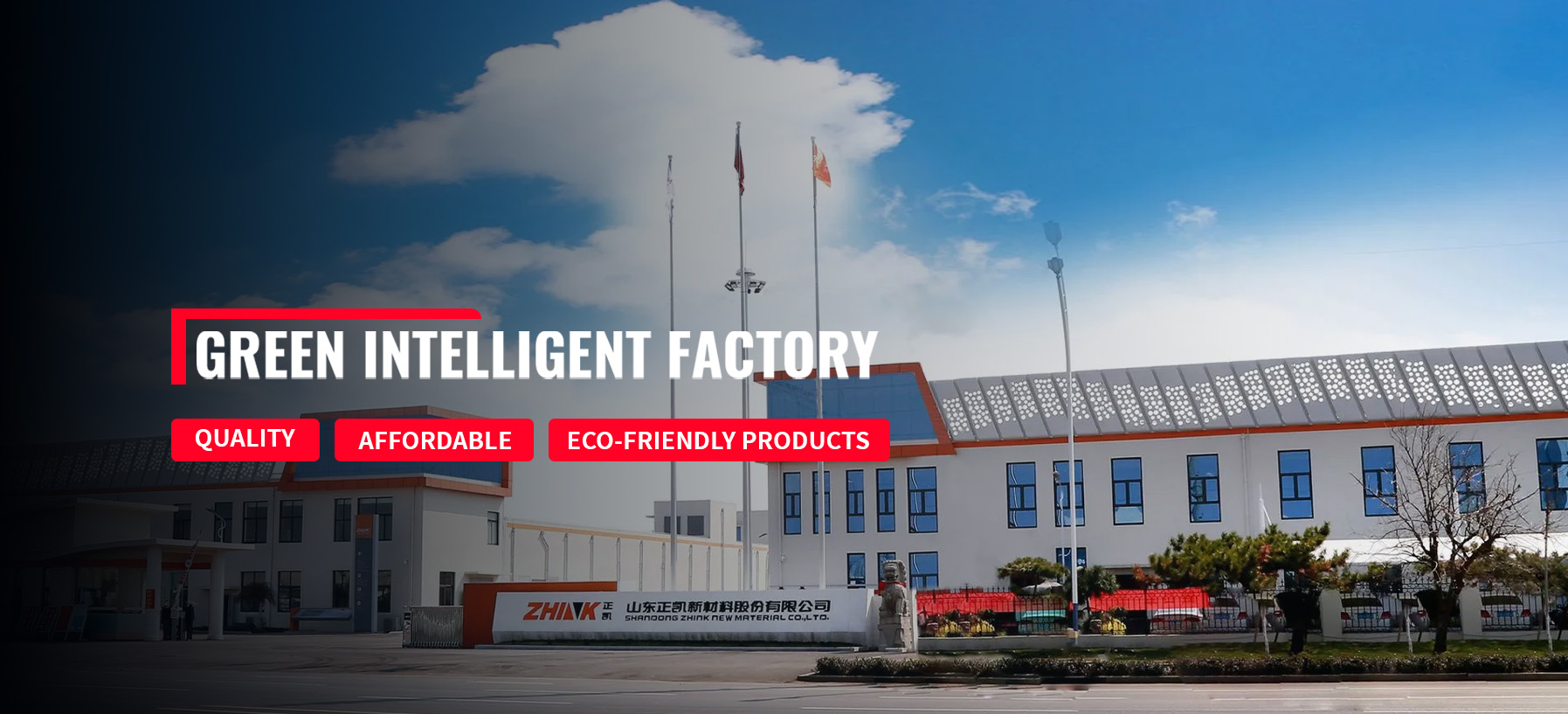
Some years ago, I had an experience that shaped my appreciation for these blends. We were working on a project at SHANDONG ZHINK NEW MATERIAL CO., LTD (https://www.zhinkyarn.com), aiming for a fresh, summer textile line. We needed something breathable yet soft. That's when the idea of combining linen with viscose surfaced.
This blend wasn't straightforward. Linen's stiffness had to be perfectly complemented by the fluidity of viscose without compromising its inherent features. After several trials, adjusting fiber ratios, and observing the behavior on various looms, a successful balance was achieved.
In practice, even slight changes in fiber percentages can lead to significantly different outcomes. It's akin to tweaking a seasoning; too little, and you lose the desired effects, too much, and you overpower the blend.
Common Challenges
One persistent challenge is handling linen’s high moisture absorption. This can be both a blessing and a curse. It allows dyes to take beautifully, but it can also lead to issues like mildew if the yarn isn't stored correctly.
Additionally, weaving with linen blended yarn requires adjustments in tension and shuttling techniques. Linen tends to have less give, making it prone to snapping if not managed properly on the loom.
We often encounter tension fluctuations due to the varying elasticity of the blended fibers. Experienced weavers develop an intuitive feel for adjusting these variables, ensuring a smooth weaving process.
Real-world Applications
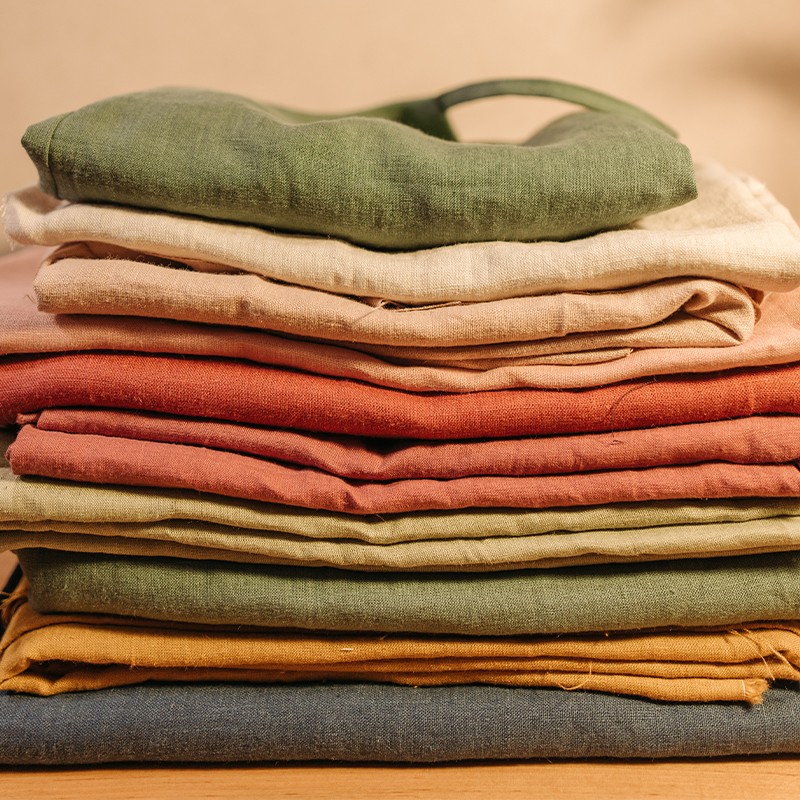
Linen blended yarn isn't just fluff for experts. Its applications range widely—think lightweight summer garments to robust home textiles. The ability to fine-tune blends for specific purposes is where innovation plays a significant role.
Over at SHANDONG ZHINK NEW MATERIAL CO., LTD, we've experimented with novel blends that push the boundaries of traditional textiles. It's about foreseeing where consumer preferences are heading and aligning production capabilities accordingly.
Take, for instance, a blend tailored for high-humidity environments. By incorporating fibers that wick moisture alongside linen, a unique fabric was engineered, highly effective in hot climates yet comfortable enough for daily wear.
Conclusion: The Future of Linen Blends
The future for linen blended yarn seems promising, but it requires a continuous dedication to refinement and innovation. As environmental concerns grow, sustainable practices in blending become imperative. This means not only using eco-friendly fibers but ensuring the production processes at places like SHANDONG ZHINK NEW MATERIAL CO., LTD remain sustainable.
Ultimately, continuing to explore fiber combinations and weaving techniques is vital. This exploration isn’t just about creating new products but about understanding the historical and functional significance of each material, ensuring that the age-old weaving technique retains its relevance in modern textile production.
The journey with linen blended yarn is indeed complex but endlessly rewarding. It holds vast potential for those willing to dive deep into its intricacies, developing fabrics that are both innovative and practical.
Related Products
Related Products