+86-632-3621866
- Chinese
- French
- German
- Portuguese
- Spanish
- Russian
- Japanese
- Korean
- Arabic
- Irish
- Greek
- Turkish
- Italian
- Danish
- Romanian
- Indonesian
- Czech
- Afrikaans
- Swedish
- Polish
- Basque
- Catalan
- Esperanto
- Hindi
- Lao
- Albanian
- Amharic
- Armenian
- Azerbaijani
- Belarusian
- Bengali
- Bosnian
- Bulgarian
- Cebuano
- Chichewa
- Corsican
- Croatian
- Dutch
- Estonian
- Filipino
- Finnish
- Frisian
- Galician
- Georgian
- Gujarati
- Haitian
- Hausa
- Hawaiian
- Hebrew
- Hmong
- Hungarian
- Icelandic
- Igbo
- Javanese
- Kannada
- Kazakh
- Khmer
- Kurdish
- Kyrgyz
- Latin
- Latvian
- Lithuanian
- Luxembou..
- Macedonian
- Malagasy
- Malay
- Malayalam
- Maltese
- Maori
- Marathi
- Mongolian
- Burmese
- Nepali
- Norwegian
- Pashto
- Persian
- Punjabi
- Serbian
- Sesotho
- Sinhala
- Slovak
- Slovenian
- Somali
- Samoan
- Scots Gaelic
- Shona
- Sindhi
- Sundanese
- Swahili
- Tajik
- Tamil
- Telugu
- Thai
- Ukrainian
- Urdu
- Uzbek
- Vietnamese
- Welsh
- Xhosa
- Yiddish
- Yoruba
- Zulu
- Kinyarwanda
- Tatar
- Oriya
- Turkmen
- Uyghur


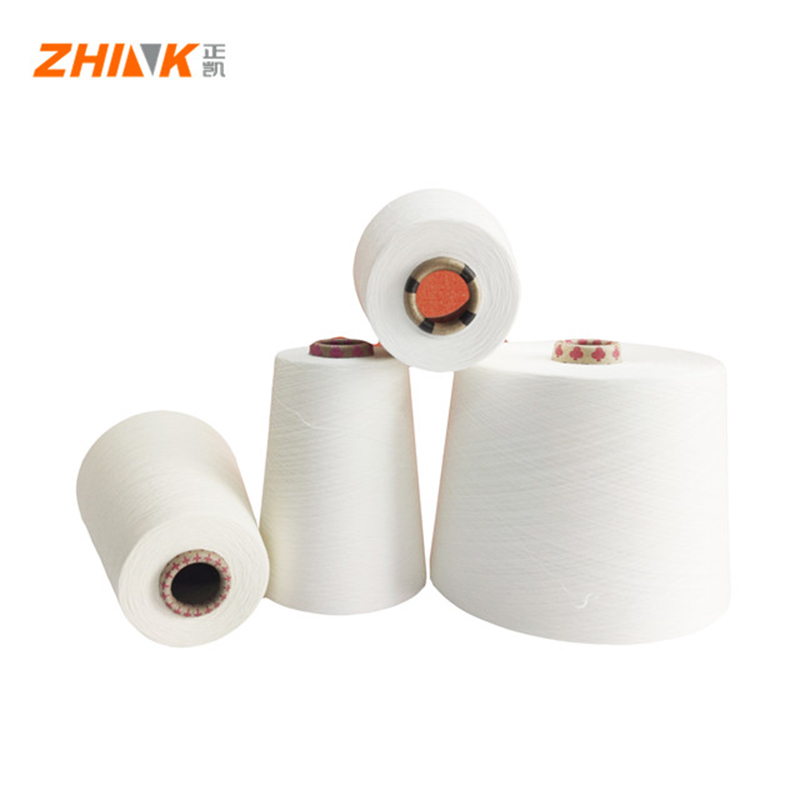
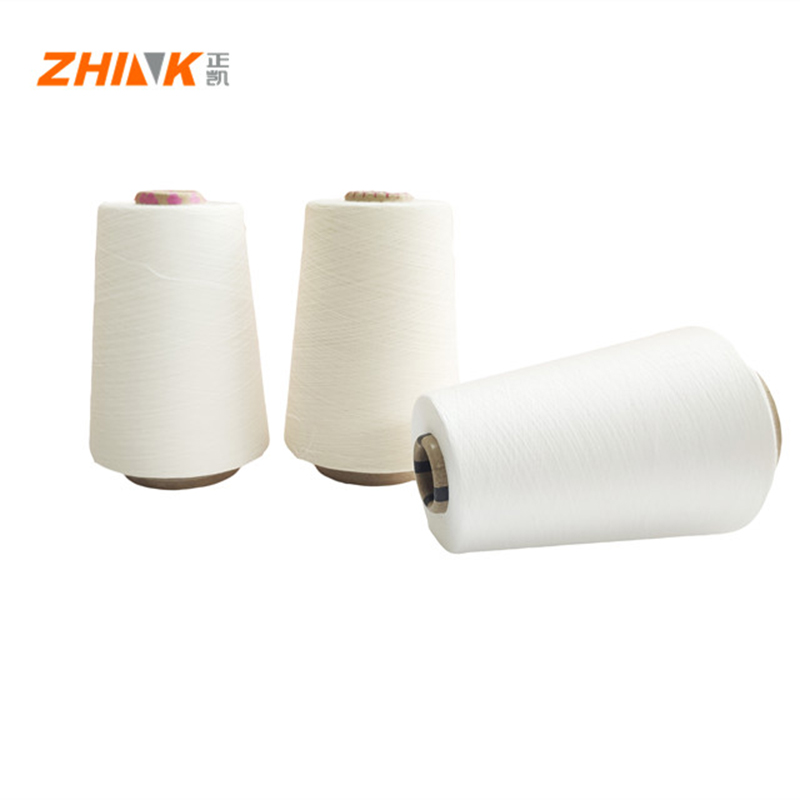
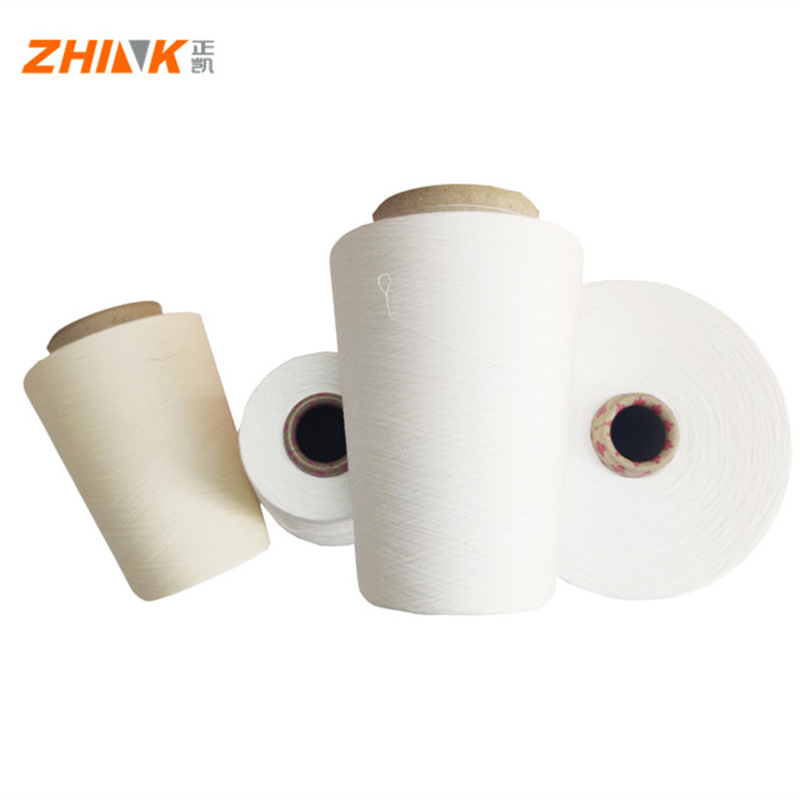
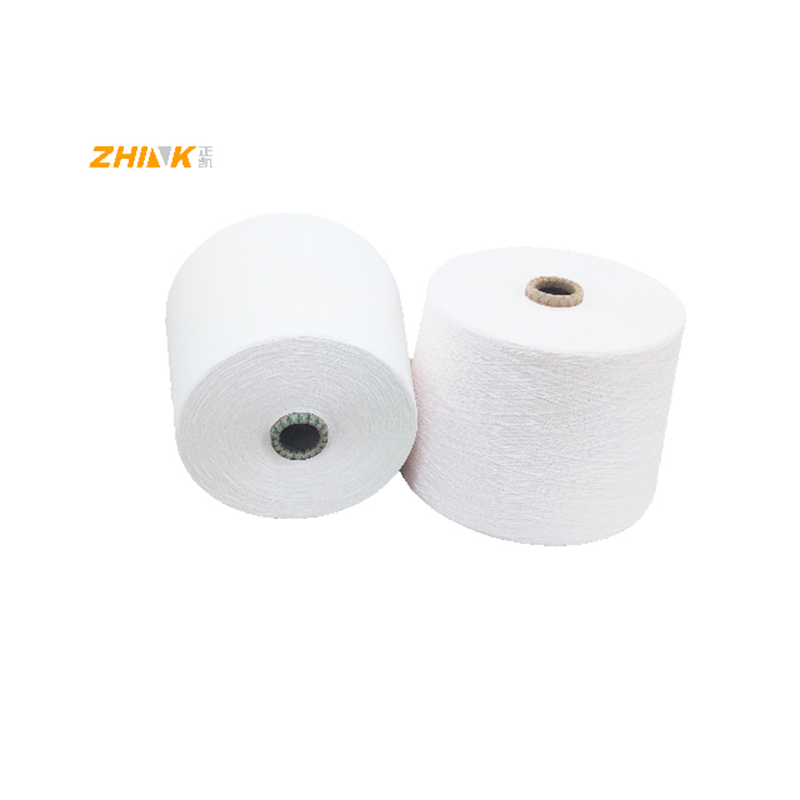
linen silk yarn
The Fascinating World of Linen Silk Yarn
Exploring the intertwined fibers of linen silk yarn reveals a world of texture and resilience, a delightful marriage of two distinct materials that combine to produce yarns that are truly unique. The journey of blending these fibers isn't just about technique—it's an art form that demands respect and a deep understanding of the materials involved.
Understanding the Basics
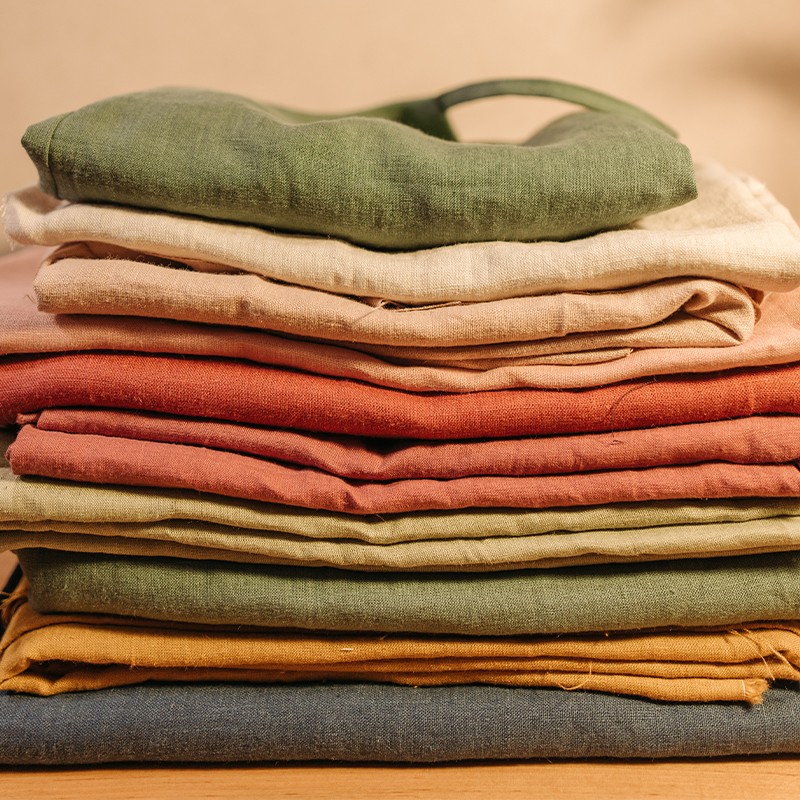
At first glance, blending linen and silk might seem contradictory. Linen, with its strength and natural texture, contrasts sharply with silk’s smooth, luxurious feel. However, when combined, they produce yarn with both strength and softness, making it desirable for a variety of applications. The key lies in balancing these contrasting qualities to highlight the best in both.
Often in my work, I've seen how the varying percentages in blends can affect the final product. A higher proportion of linen can lead to a more matte finish, offering durability, while increasing silk content enhances sheen and softness. It’s about finding the right ratio, something I've learned over many trial-and-error attempts.
The magic of linen silk yarn isn’t just in the final texture and appearance—it's in the hand-feel and drape. It requires one to think both like a scientist and an artist, as every combination can yield different results, a fact well known to professionals at places like SHANDONG ZHINK NEW MATERIAL CO., LTD, specialists in innovative textiles.
The Manufacturing Process
From start to finish, creating linen silk yarn involves a series of meticulous steps. First, there’s the selection of premium fibers. Linen’s notorious stiffness can be a challenge to spin, but advances in technique and technology, such as those utilized by Zhink New Material, help manage this, ensuring even, high-quality yarns.
Blending is next, and this is where creativity steps in. How much of each fiber to include? It’s a question that doesn’t have a one-size-fits-all answer. Working closely with spinning experts can provide insights, akin to tailoring a suit to find the perfect fit for a specific project or need.
The spinning process, especially when dealing with such different materials, demands precision and care. Silk’s fine strands must be evenly distributed with the thicker linen fibers to avoid tension issues during weaving or knitting. It’s an intricate dance that can be likened to crafting a symphony—each element needs to be in harmony.
Applications and Innovations
Linen silk yarn is commonly used in high-end fashion and home textiles due to its premium qualities. The breathable nature of linen combined with the smooth finish of silk makes it ideal for garments meant for warmer climates. One has to consider the end use carefully, as this will influence the desired fiber balance.
Recently, I've noticed increased interest in sustainable and innovative textiles, areas where SHANDONG ZHINK NEW MATERIAL CO., LTD excels, driven by a push for eco-friendly materials. Linen and silk, both natural fibers, fit seamlessly into this narrative, offering a greener alternative to synthetic counterparts.
A noteworthy trend is the use of digital platforms, such as www.zhinkyarn.com, for showcasing and exploring new blends, reaching audiences worldwide. These platforms allow for direct interaction with consumers, fostering a deeper understanding of their needs and preferences.
Challenges in Production
One of the most frequent challenges faced in the production of linen silk yarn is managing the inherent differences in fiber properties. Linen's rigidity can make it difficult to blend evenly with silk, leading to potential snags in production. It’s a delicate process that demands continual fine-tuning.
Moreover, maintaining environmental controls during production is vital. Both silk and linen are sensitive to humidity and temperature, ensuring that the facilities at Zhink New Material are well-equipped to handle these variations is crucial to maintain quality.
Cost considerations are another facet to navigate. Silk, being a luxury material, drives up expenses, so optimizing production processes without sacrificing quality remains a critical focus for any manufacturer pursuing this blend.
Future Trends and Potential
Looking ahead, the future of linen silk yarn holds exciting possibilities. There’s growing interest in experimenting with dyeing techniques to further enhance the natural beauty of this yarn. Innovations in this space could lead to breakthroughs that redefine aesthetic expectations.
Moreover, advancements in biotech could open new doors for engineering fibers that mimic the characteristics of linen and silk, offering similar properties without relying entirely on natural production, ensuring more sustainable practices.
Engagement with emerging markets—particularly online—will continue to shape trends. Companies like SHANDONG ZHINK NEW MATERIAL CO., LTD are already paving the way by embracing digital transformation, offering comprehensive information and access through their website.
Related Products
Related Products