+86-632-3621866
- Chinese
- French
- German
- Portuguese
- Spanish
- Russian
- Japanese
- Korean
- Arabic
- Irish
- Greek
- Turkish
- Italian
- Danish
- Romanian
- Indonesian
- Czech
- Afrikaans
- Swedish
- Polish
- Basque
- Catalan
- Esperanto
- Hindi
- Lao
- Albanian
- Amharic
- Armenian
- Azerbaijani
- Belarusian
- Bengali
- Bosnian
- Bulgarian
- Cebuano
- Chichewa
- Corsican
- Croatian
- Dutch
- Estonian
- Filipino
- Finnish
- Frisian
- Galician
- Georgian
- Gujarati
- Haitian
- Hausa
- Hawaiian
- Hebrew
- Hmong
- Hungarian
- Icelandic
- Igbo
- Javanese
- Kannada
- Kazakh
- Khmer
- Kurdish
- Kyrgyz
- Latin
- Latvian
- Lithuanian
- Luxembou..
- Macedonian
- Malagasy
- Malay
- Malayalam
- Maltese
- Maori
- Marathi
- Mongolian
- Burmese
- Nepali
- Norwegian
- Pashto
- Persian
- Punjabi
- Serbian
- Sesotho
- Sinhala
- Slovak
- Slovenian
- Somali
- Samoan
- Scots Gaelic
- Shona
- Sindhi
- Sundanese
- Swahili
- Tajik
- Tamil
- Telugu
- Thai
- Ukrainian
- Urdu
- Uzbek
- Vietnamese
- Welsh
- Xhosa
- Yiddish
- Yoruba
- Zulu
- Kinyarwanda
- Tatar
- Oriya
- Turkmen
- Uyghur


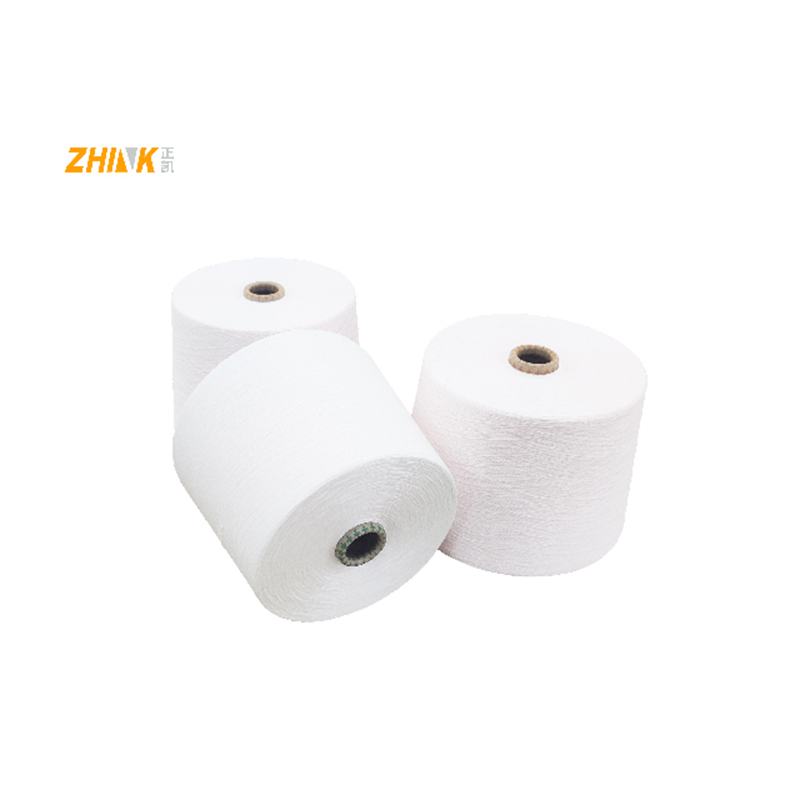
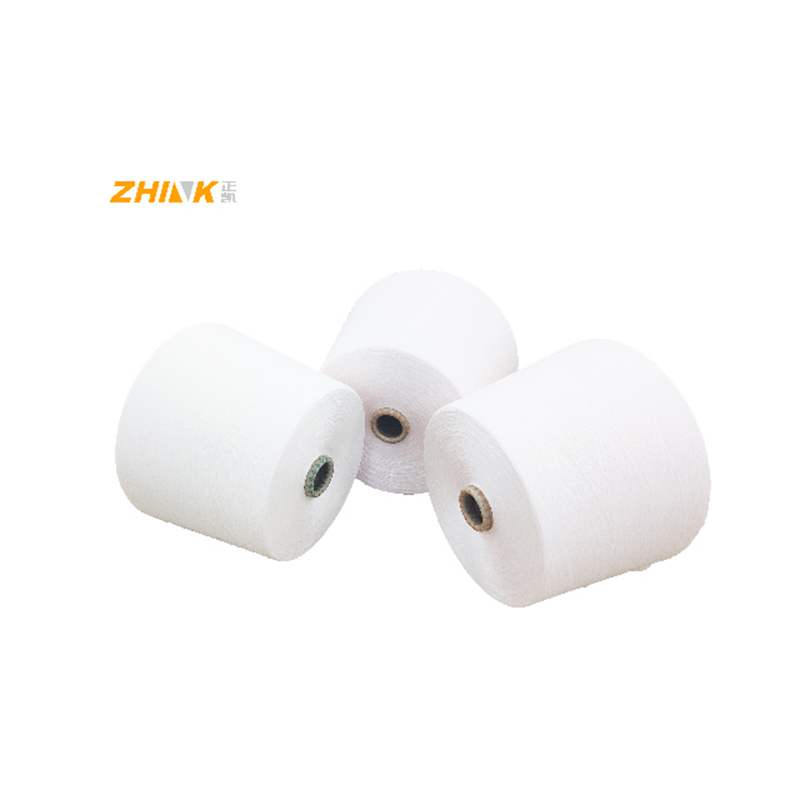
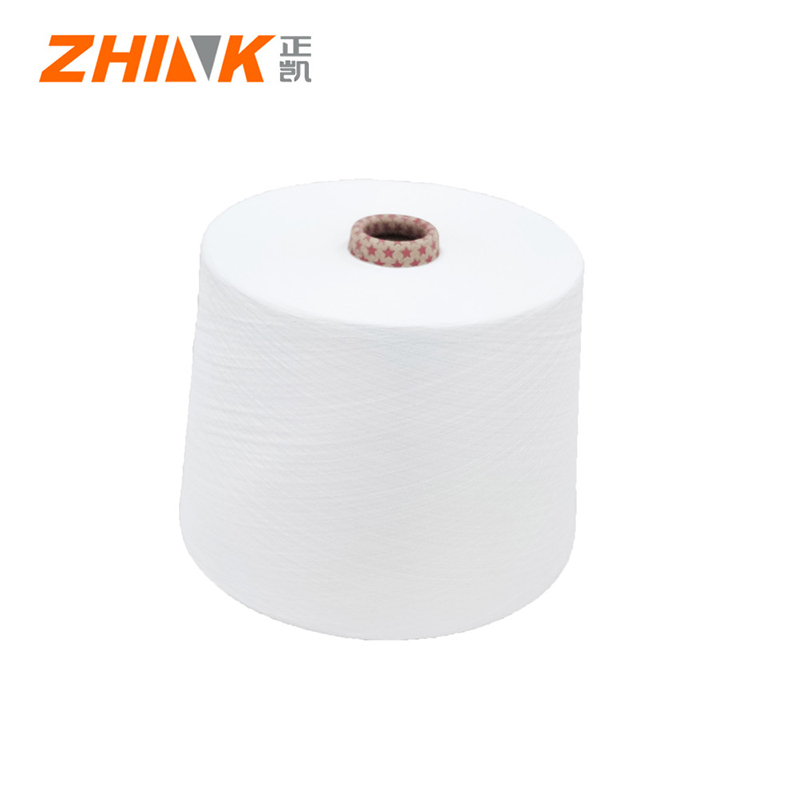
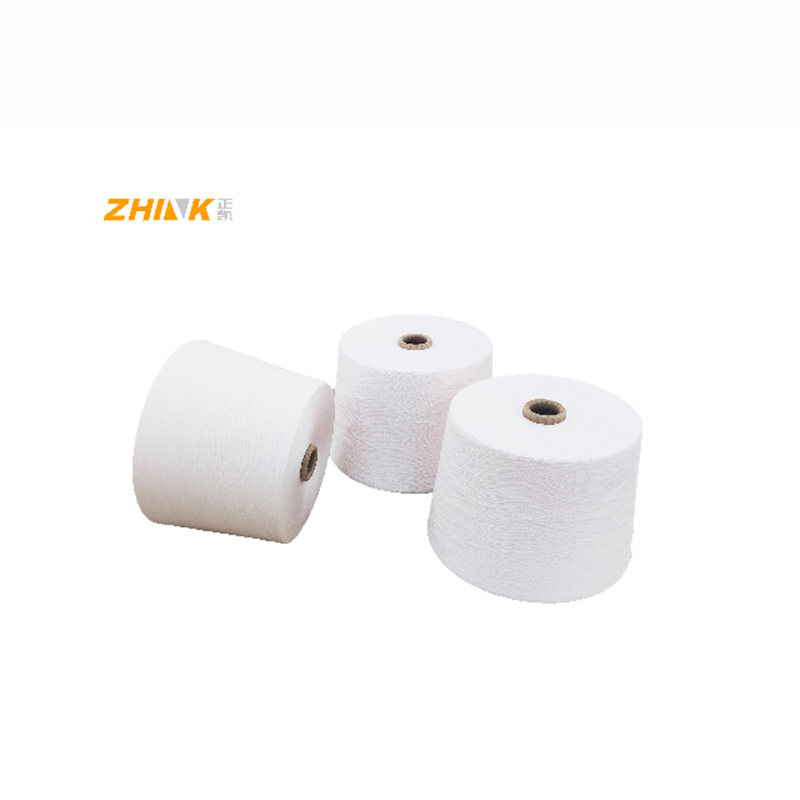
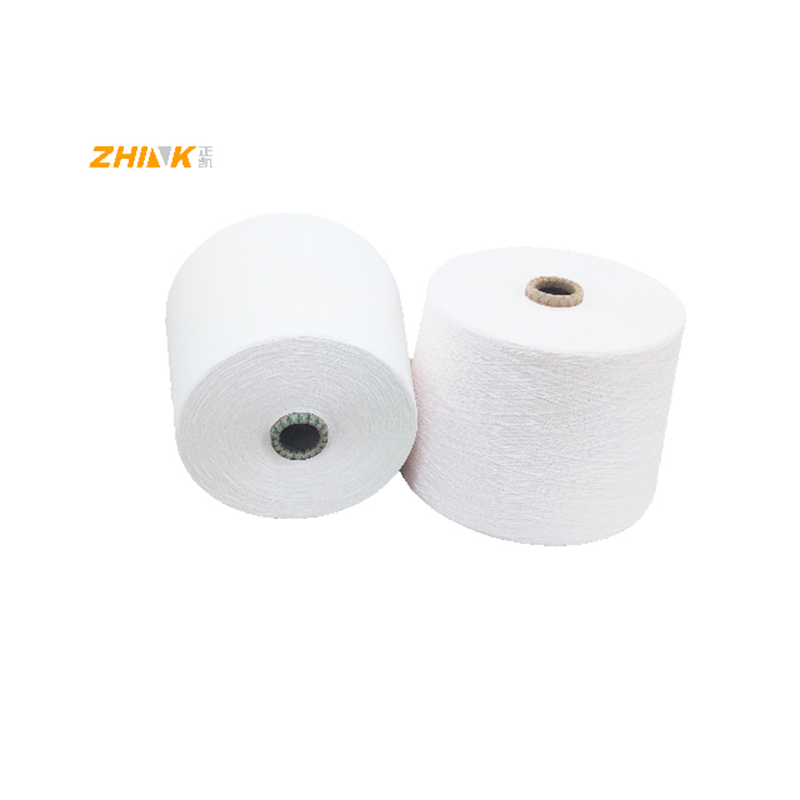
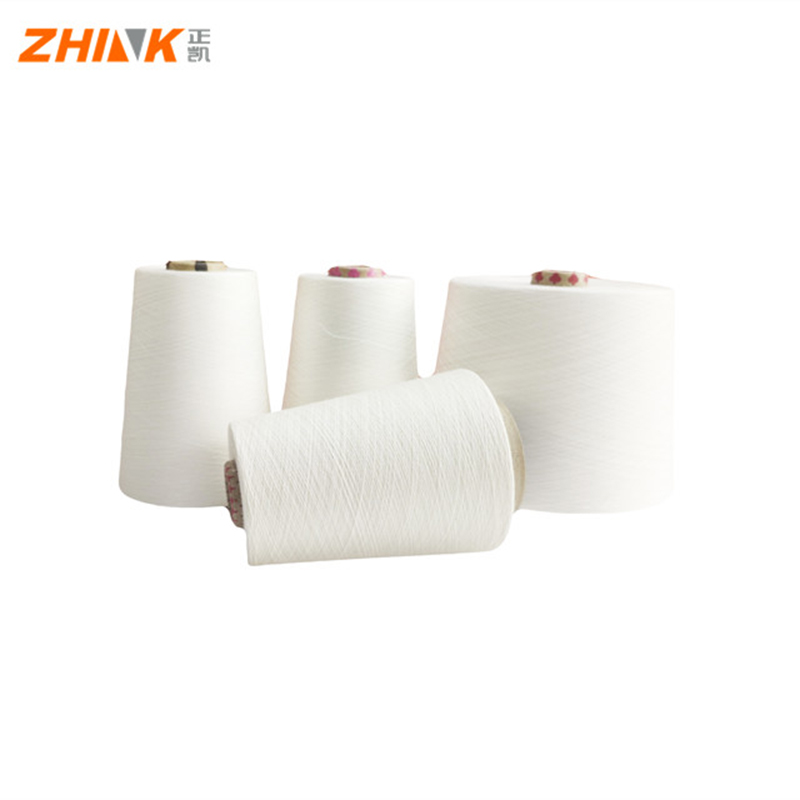
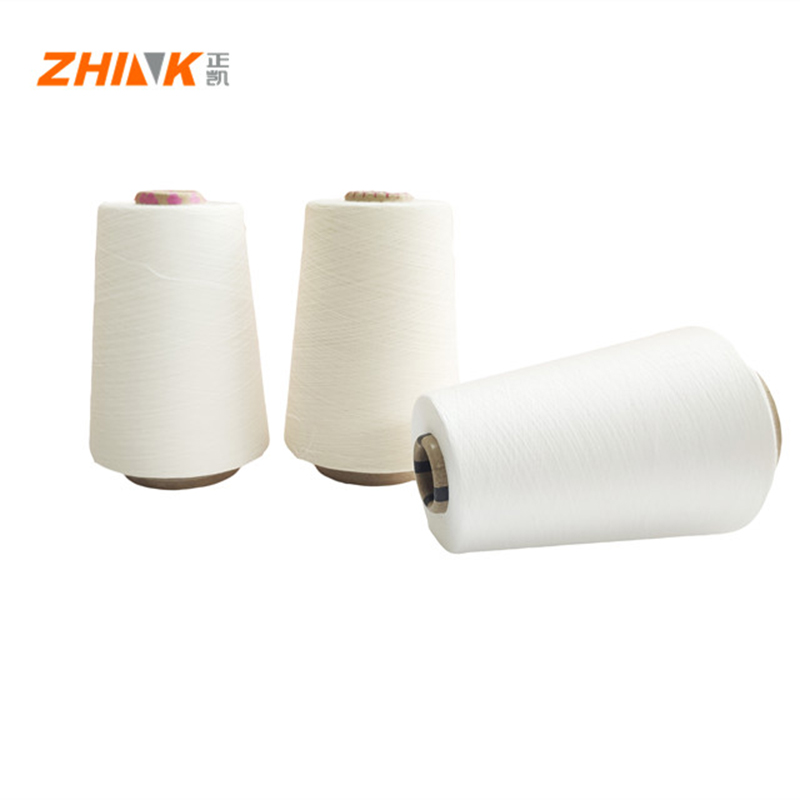
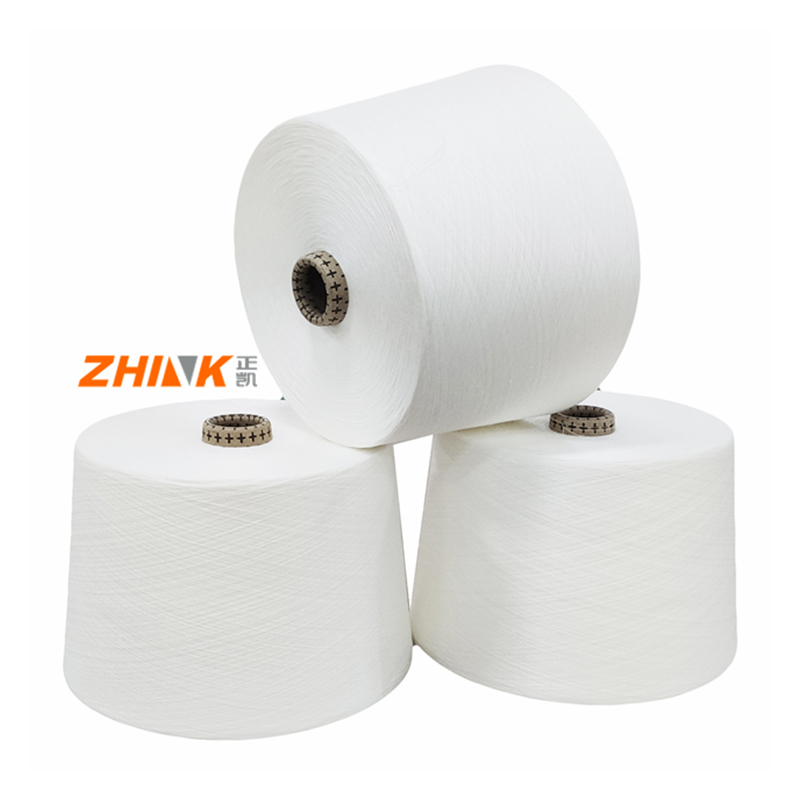
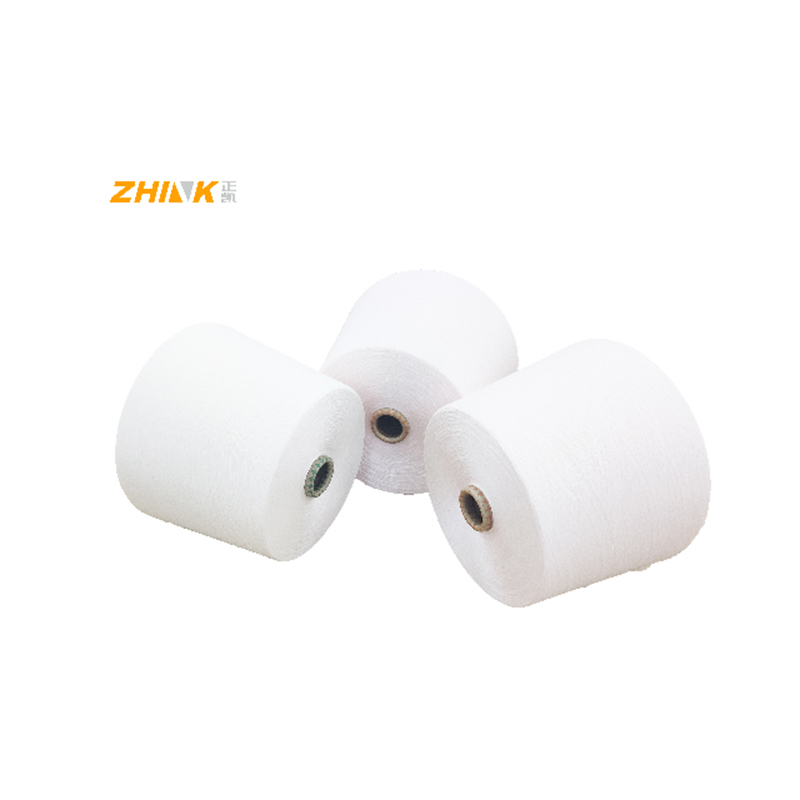
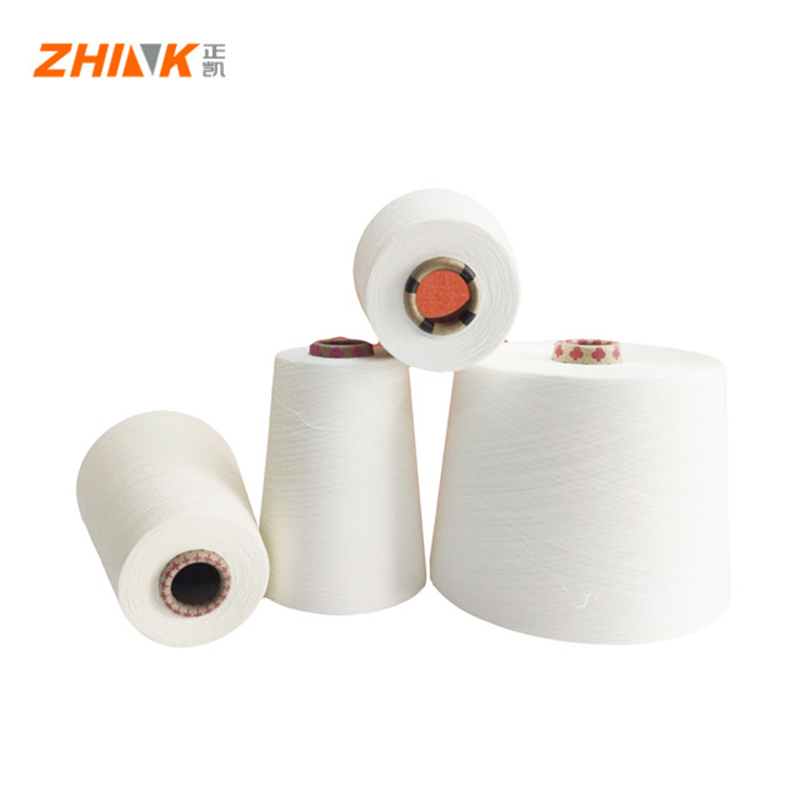
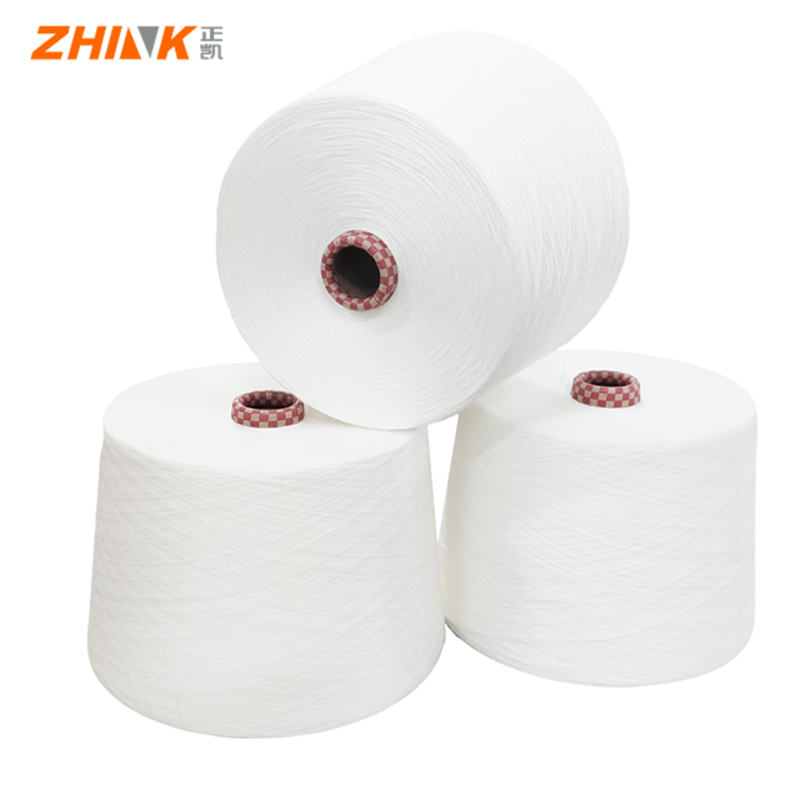
linen viscose blend yarn
The Charm of Linen Viscose Blend Yarn
Understanding the nuances of linen viscose blend yarn can be a game-changer for textile enthusiasts. Despite its popularity, misconceptions about its properties often lead to misguided expectations. This article dives into the practical realities of working with this versatile material, drawing on industry insights and hard-won expertise.
Exploring the Blend
So, what exactly is this blend? Combining the natural, breathable qualities of linen with the softness and luster of viscose results in a yarn that is not only pleasant to touch but also versatile enough for various applications. However, blending these two materials is not as straightforward as it sounds; the ratio can significantly alter the yarn’s characteristics.
In my own experiments, a 70/30 viscose-linen mix felt much softer compared to a 50/50 blend. But there’s more to it than just feel. Such ratios affect the weight and drape of the finished fabric, influencing decisions right from the design phase. It’s essential to match your end use with the right blend, considering these subtle differences.
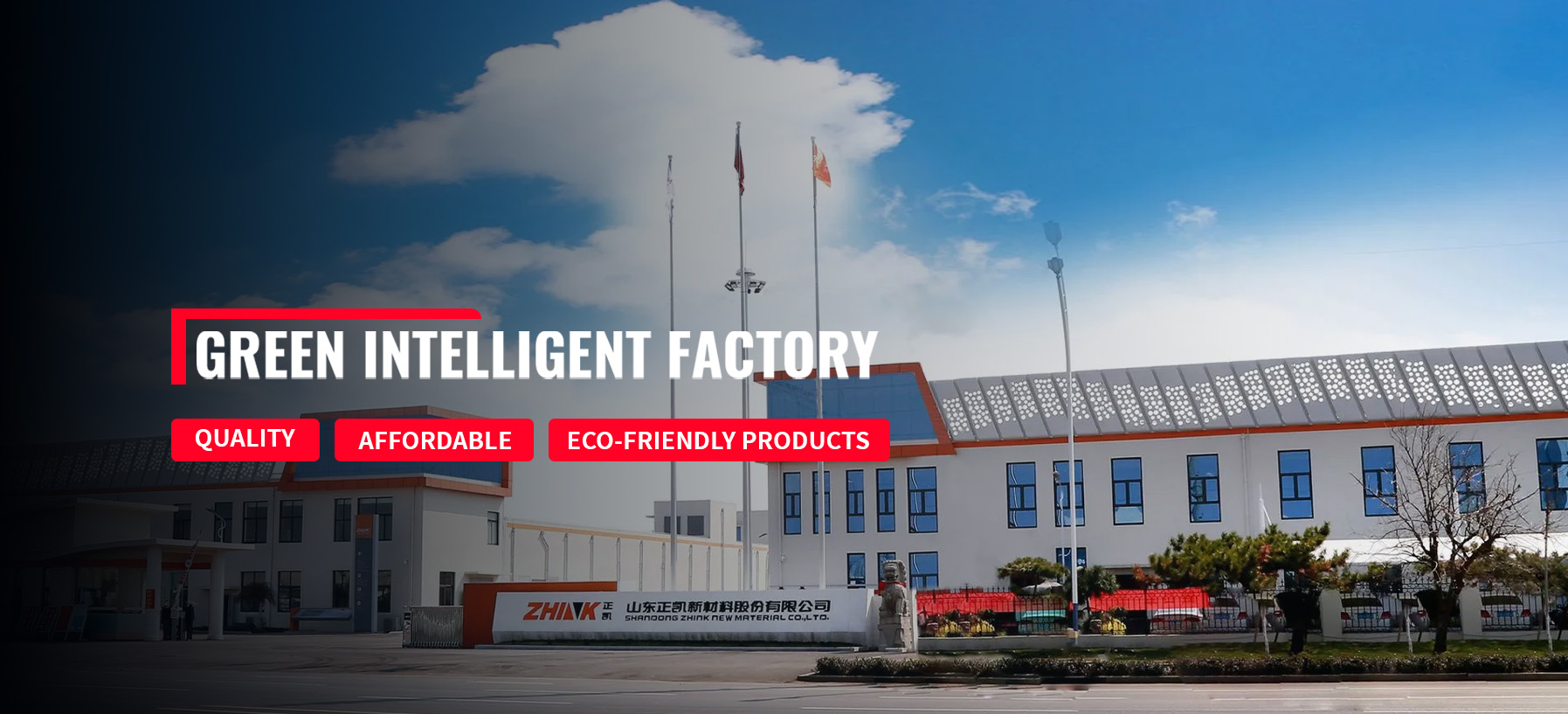
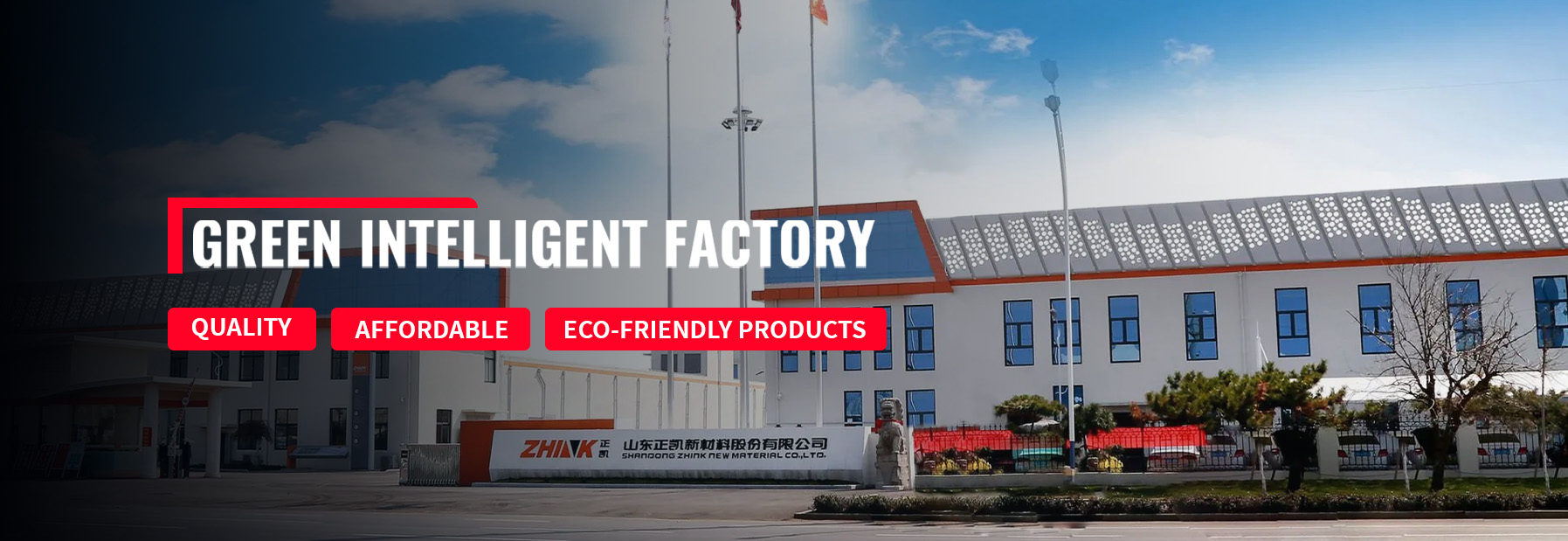
At SHANDONG ZHINK NEW MATERIAL CO., LTD, they’ve mastered this art. Their R&D team meticulously tweaks these ratios, offering customers tailored solutions. More information is available on their website, which provides detailed insights into their product range: zhinkyarn.com.
Common Misunderstandings
One common myth is that linen viscose blends inherently lack durability. The reality? It depends. Pure linen can be sturdy but may wrinkle easily, while viscose adds strength and sheen, compensating for linen's weaknesses. The key here lies in understanding the intended application and choosing the correct yarn accordingly.
Another misunderstanding I often encounter is stiffness. Many believe that linen viscose blend yarn will be stiff due to linen's reputation. However, I’ve found that a well-spun blend retains flexibility, especially when utilizing advanced spinning techniques. This adaptability allows the yarn to be used in both apparel and home textiles, from flowy dresses to elegant curtains.
Confusion can also arise around care instructions. While linen can be quite forgiving, viscose requires a bit more caution during washing. I always recommend a gentle cycle, ideally in cold water, to maintain the yarn’s integrity. It's these little attentions to detail that preserve the fabric's allure over time.
Challenges in Production
Producing a successful linen viscose blend yarn isn't without its hurdles. One significant challenge lies in achieving uniform dye absorption. Linen and viscose react differently to dyes, so getting a consistent color can be tricky. However, Zhink New Material often employs specialized dyeing processes to achieve that perfect hue.
I've witnessed firsthand the meticulous calibration involved. It often takes multiple tests to synchronize the dyeing process—a testament to the intricate art behind creating high-quality blended yarns. It’s this dedication to quality that sets top manufacturers apart.
Cost management is another tricky aspect. Linen can be expensive, influencing the overall cost of the blend. The solution often lies in sourcing materials efficiently and leveraging technology to streamline production. Such innovative approaches, seen in companies like SHANDONG ZHINK, ensure premium quality without compromising affordability.
Applications and Innovations
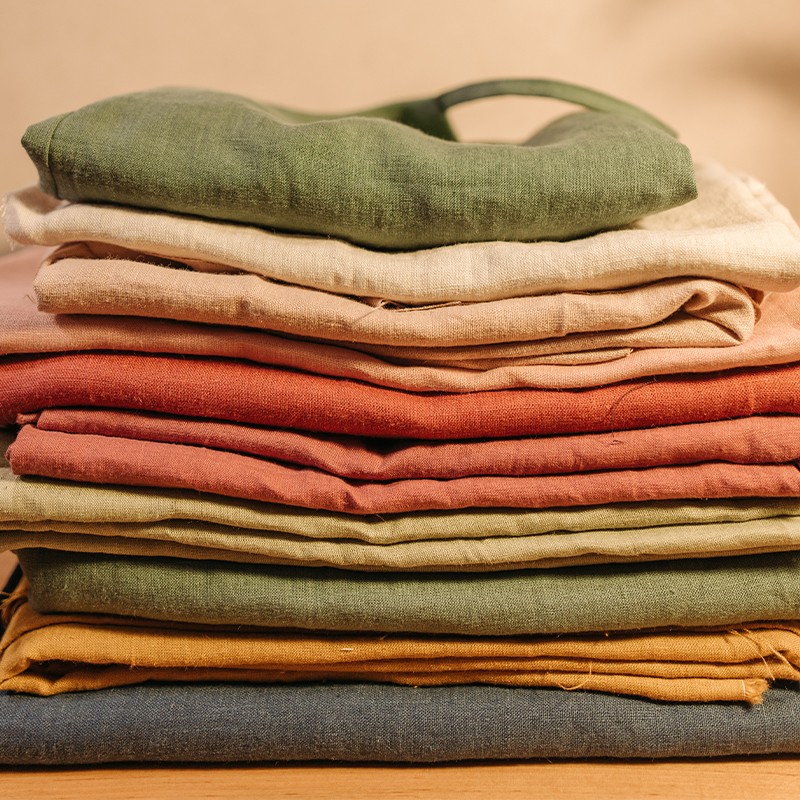
The versatility of linen viscose blend yarn opens doors to innovative applications. From eco-friendly fashion lines to high-performance home textiles, the blend’s ability to adapt is impressive. I've seen designers use it for drapery that requires both sturdiness and subtle luxury—a seemingly contradictory requirement deftly met by this yarn.
There's also an emerging trend of using this blend in sustainable fashion. As consumers demand more eco-friendly products, the blend's natural composition appeals to environmentally conscious buyers. It's exciting to see how it fits into this growing trend, offering both style and sustainability.
For those interested in exploring these creative possibilities, Shandong Zhink is paving the way. Their commitment to innovation is apparent in both their products and their research, all detailed on their site: zhinkyarn.com.
Looking Ahead
As we move forward, the role of linen viscose blend yarn in textile innovation is just beginning to unfold. Whether you're a designer, manufacturer, or hobbyist, understanding this blend can significantly enhance your work.
Personally, I’m eager to see upcoming advancements in this sector—especially as companies like SHANDONG ZHINK continue to drive the industry forward. With their focus on R&D and quality, there's much to look forward to.
In culmination, the journey of working with linen viscose blends can be as rewarding as it is complex. And with the right knowledge and approach, this yarn offers endless possibilities for creative expression. For more insights or to explore the blend further, visiting their resourceful website is certainly worthwhile.
Related Products
Related Products