+86-632-3621866
- Chinese
- French
- German
- Portuguese
- Spanish
- Russian
- Japanese
- Korean
- Arabic
- Irish
- Greek
- Turkish
- Italian
- Danish
- Romanian
- Indonesian
- Czech
- Afrikaans
- Swedish
- Polish
- Basque
- Catalan
- Esperanto
- Hindi
- Lao
- Albanian
- Amharic
- Armenian
- Azerbaijani
- Belarusian
- Bengali
- Bosnian
- Bulgarian
- Cebuano
- Chichewa
- Corsican
- Croatian
- Dutch
- Estonian
- Filipino
- Finnish
- Frisian
- Galician
- Georgian
- Gujarati
- Haitian
- Hausa
- Hawaiian
- Hebrew
- Hmong
- Hungarian
- Icelandic
- Igbo
- Javanese
- Kannada
- Kazakh
- Khmer
- Kurdish
- Kyrgyz
- Latin
- Latvian
- Lithuanian
- Luxembou..
- Macedonian
- Malagasy
- Malay
- Malayalam
- Maltese
- Maori
- Marathi
- Mongolian
- Burmese
- Nepali
- Norwegian
- Pashto
- Persian
- Punjabi
- Serbian
- Sesotho
- Sinhala
- Slovak
- Slovenian
- Somali
- Samoan
- Scots Gaelic
- Shona
- Sindhi
- Sundanese
- Swahili
- Tajik
- Tamil
- Telugu
- Thai
- Ukrainian
- Urdu
- Uzbek
- Vietnamese
- Welsh
- Xhosa
- Yiddish
- Yoruba
- Zulu
- Kinyarwanda
- Tatar
- Oriya
- Turkmen
- Uyghur



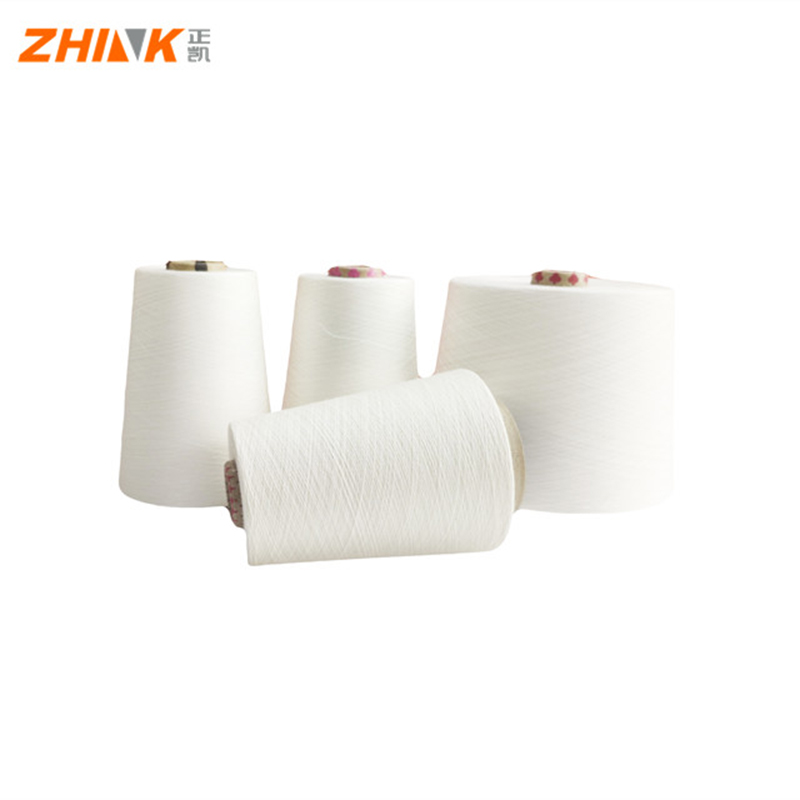
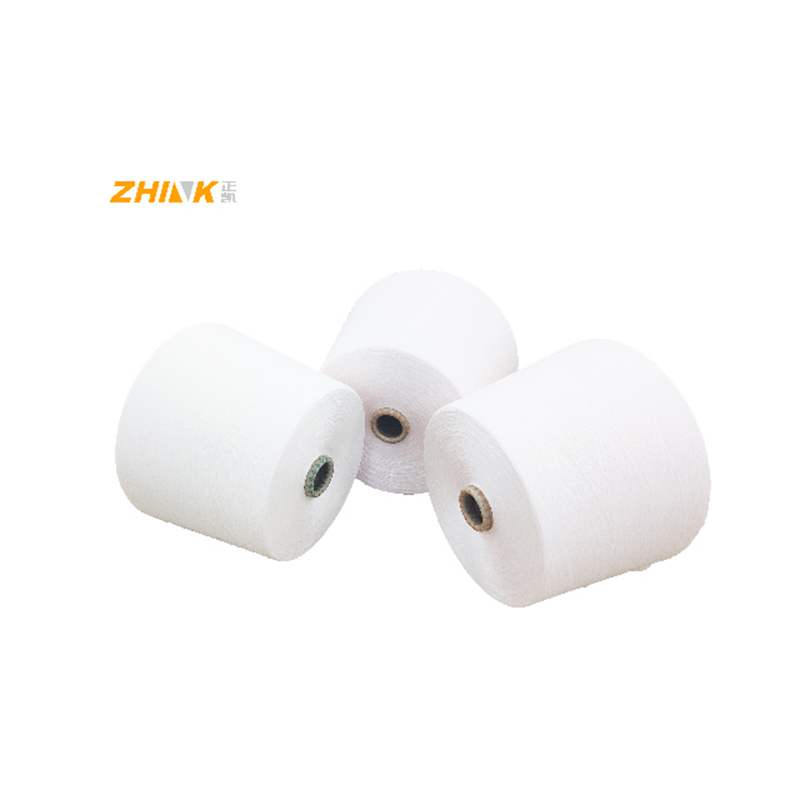
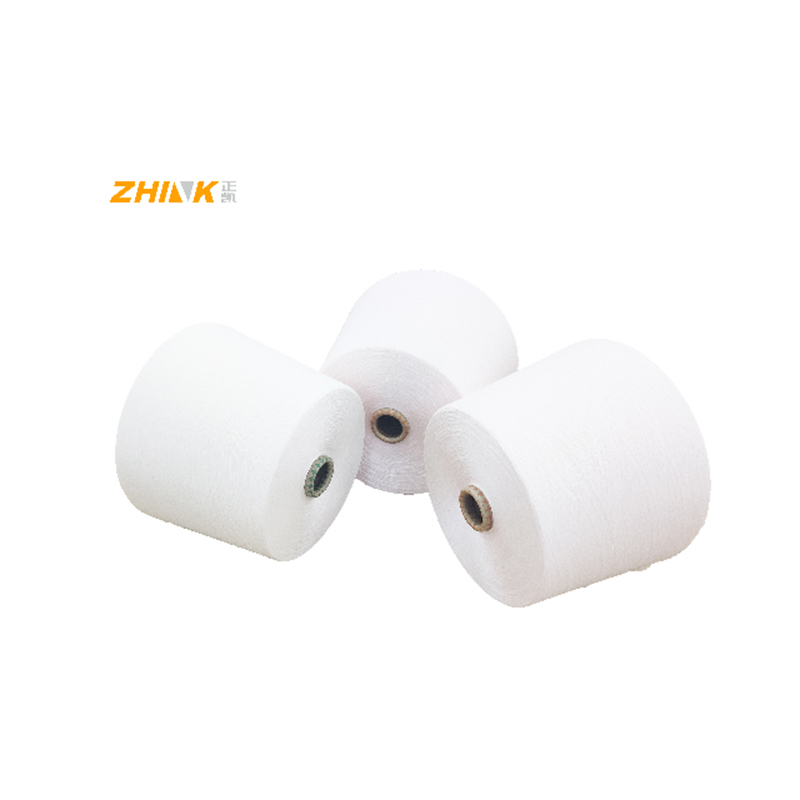
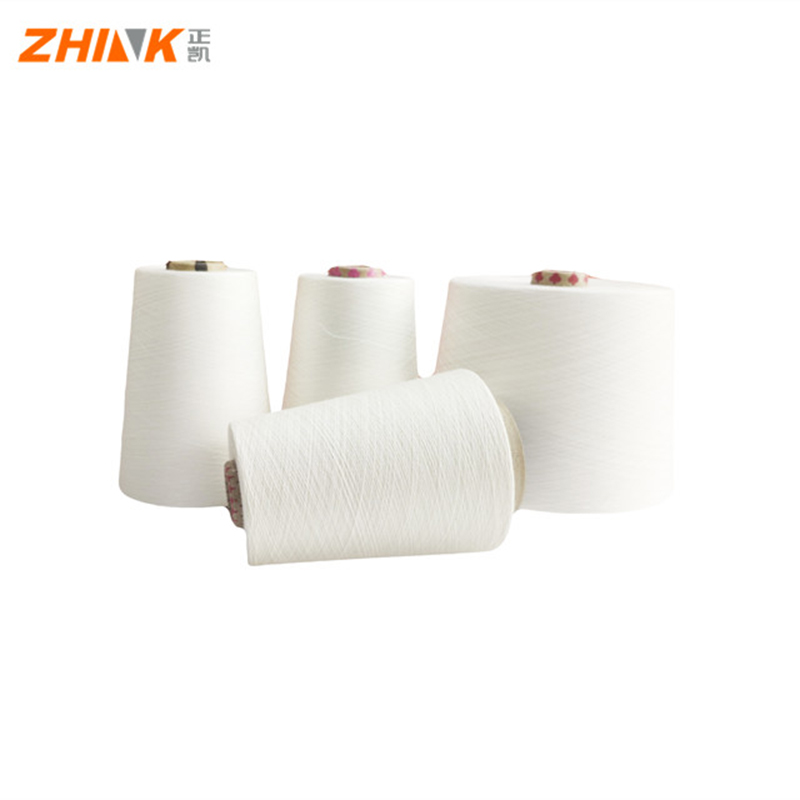
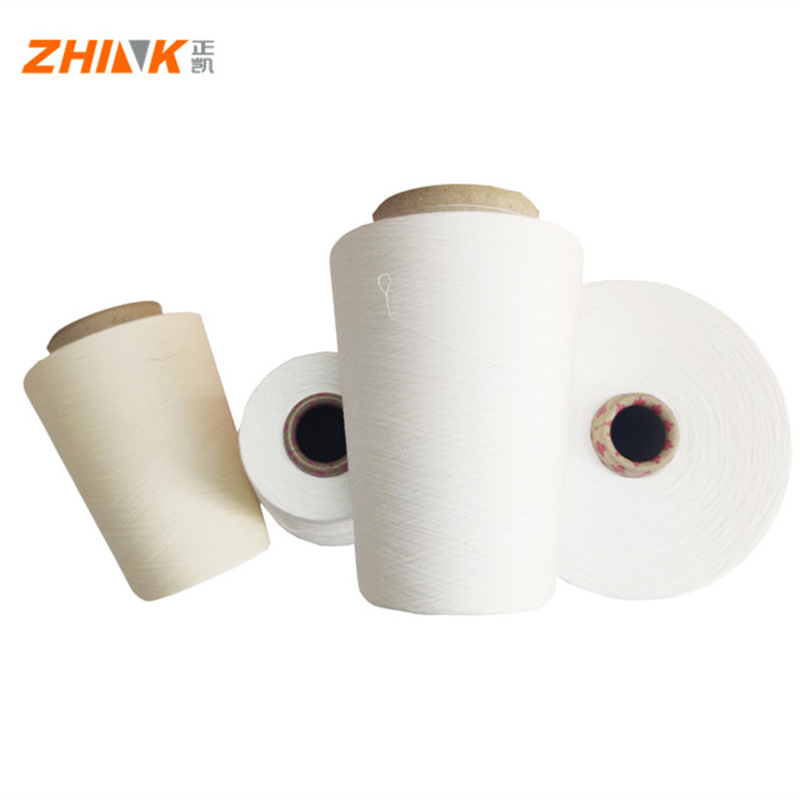
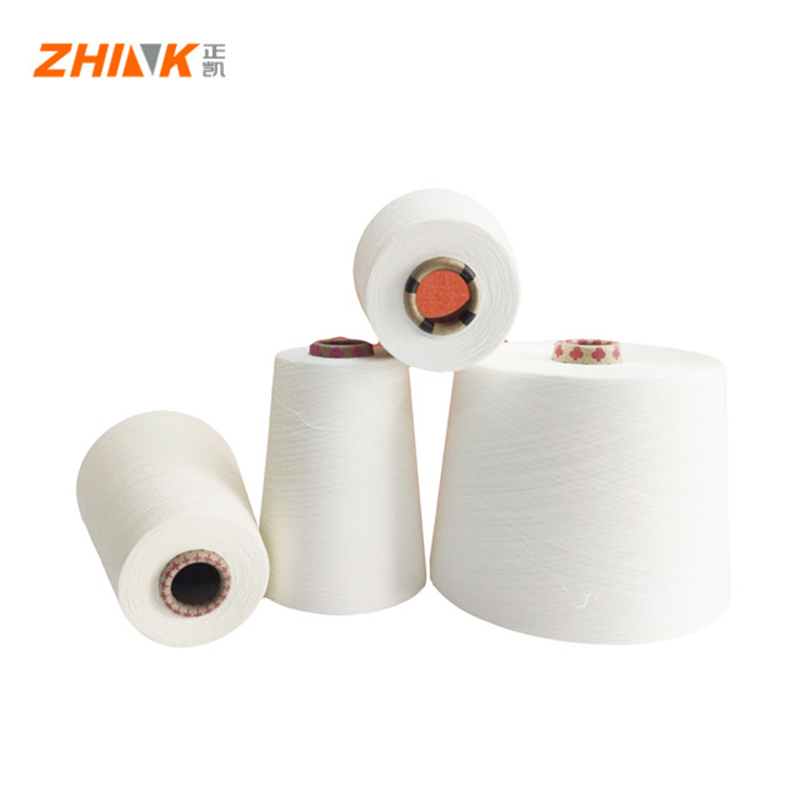
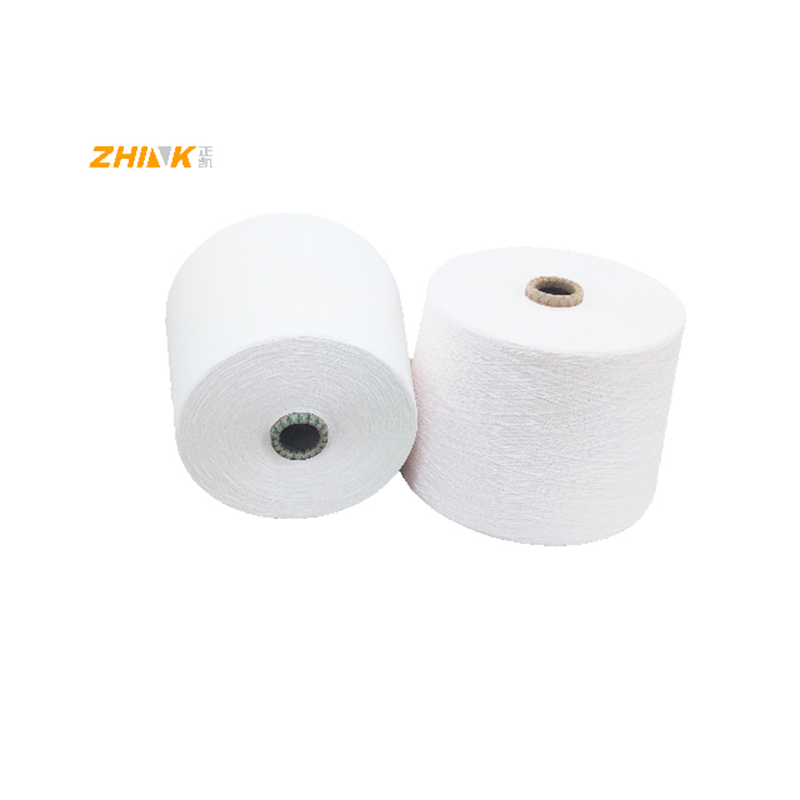
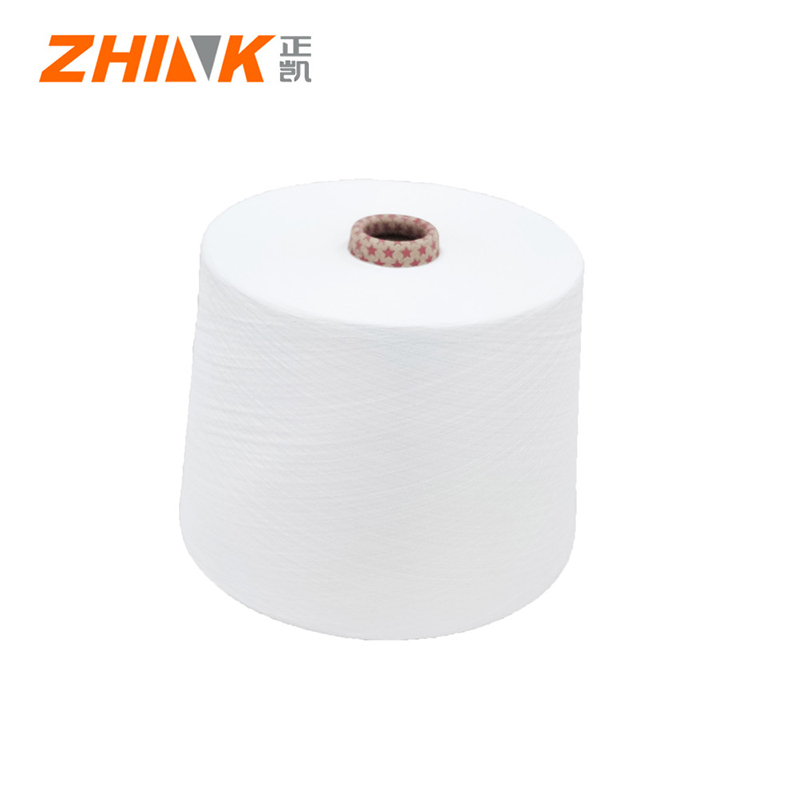
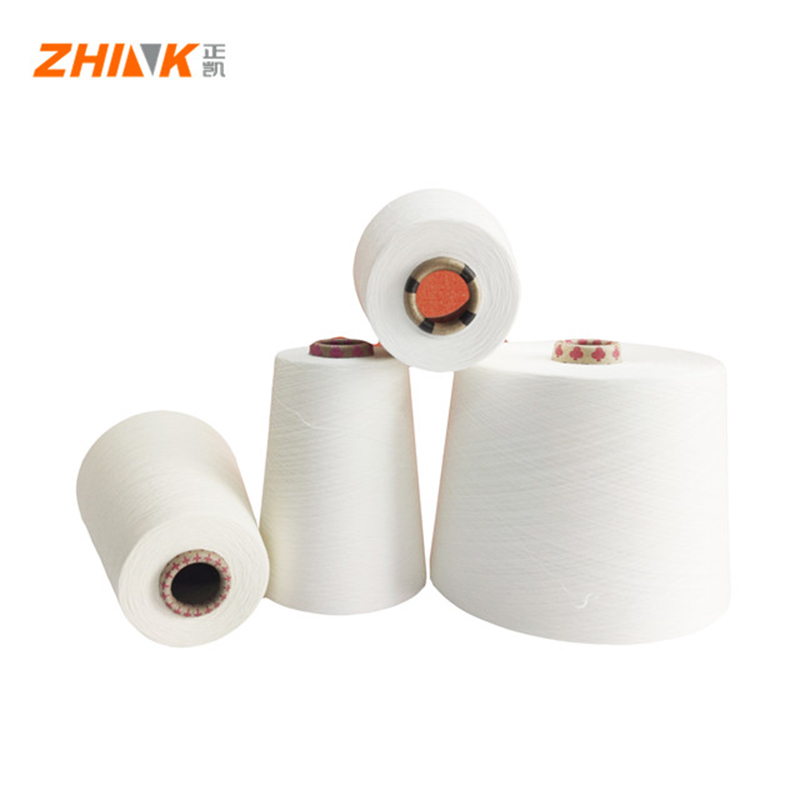
linen wool blend yarn
The Unique Charm of Linen Wool Blend Yarn
In the textile world, linen wool blend yarn is often lauded for its unique properties. Combining the softness of wool with the crispness of linen, it's a material that offers both comfort and structure. It's a favorite among crafters and designers alike, yet there are some nuances to getting the best use out of it.
Understanding the Blend
Let's start with the basics of what makes a linen wool blend yarn special. While pure wool is known for its warmth and elasticity, adding linen gives the yarn a distinct texture and increased durability. This combination offers a balanced effect; you've got the breathability and sheen of linen paired with wool's insulating properties.
However, knitting with a linen wool blend can be a bit of a mixed bag. The yarn tends to have less elasticity than pure wool, which can affect your tension and the overall drape of a garment. In my early experiences, finding the right needle size was crucial—too small, and the fabric could become stiff; too large, and it might lose shape. Experimentation is key.
A recent project involved creating a spring scarf. I found that the subtle sheen and natural texture of the blend worked wonderfully for a lightweight, breathable piece, ideal for transitional weather. The end result had a nice drape and structure, sitting elegantly around the neck without that wooly bulk.
Common Challenges
One common pitfall is underestimating the importance of blocking. Due to the linen content, your piece may look uneven right off the needles. It's less forgiving than pure wool yarn, so blocking truly makes a difference. I recall a sweater project that ended up looking quite wonky until a good blocking session evened out the stitches beautifully.
Another consideration is care. While wool can generally handle a bit of rough treatment, linen can become overly crinkly and lose its smooth finish. I suggest gentle handwashing and laying items flat to dry to maintain the integrity of your fabric.
The care regimen also ensures that garments maintain their shape and texture. That linen sheen shouldn’t be hidden under a layer of fuzz, which can happen if you're too vigorous with your cleaning methods.
Design Considerations
Incorporating linen wool blend yarn into your designs offers unique possibilities. The stiffness of linen allows for structured pieces that hold shape well, which can be especially useful in outerwear and accessories. I’ve successfully created shawls with stunning texture that reflects natural light beautifully.
The blend's structure lends itself to intricate patterns, too. In one of my projects, the yarn highlighted cable patterns more distinctly than pure wool would have. The crispness of linen accentuated each twist and curve.
It's also worth mentioning the environmental aspect. Linen is a more sustainable choice compared to many other fibers. By choosing a blend, you're contributing to a larger movement towards responsible fashion.
Choosing the Right Blend
When selecting a linen wool blend, the ratio matters. A 50/50 blend gives a little more structure, typical for projects needing shape, like bags or structured cardigans. Meanwhile, a 70/30 wool-heavy blend remains softer and easier to manipulate, ideal for wearable softness against the skin.
I remember comparing similar skeins where subtle differences in the blend ratio significantly affected the final product. It's important to consider the final look and feel you're aiming for before purchasing.
For more insight into these nuances, companies like SHANDONG ZHINK NEW MATERIAL CO., LTD offer a variety of options tailored to specific needs. With their deep expertise in new textile materials, as mentioned in their company profile, you’re likely to find just the combination you need.
Practical Applications
In practice, where can you use a linen wool blend yarn? Beyond garments, consider home goods—think table runners, cushion covers, or even elegant throws. These pieces benefit from the blend's durability and aesthetic appeal.
My attempts at using the yarn in this domain have been rewarding. A set of placemats made with this blend turned out both practical and visually appealing, adding a touch of handmade charm to the dining table.
Each piece brings that touch of effort and detail only a crafter knows. The blend reminds us of the perfect marriage between nature and craftsmanship, creating something that feels both luxurious and accessible.
Related Products
Related Products