+86-632-3621866
- Chinese
- French
- German
- Portuguese
- Spanish
- Russian
- Japanese
- Korean
- Arabic
- Irish
- Greek
- Turkish
- Italian
- Danish
- Romanian
- Indonesian
- Czech
- Afrikaans
- Swedish
- Polish
- Basque
- Catalan
- Esperanto
- Hindi
- Lao
- Albanian
- Amharic
- Armenian
- Azerbaijani
- Belarusian
- Bengali
- Bosnian
- Bulgarian
- Cebuano
- Chichewa
- Corsican
- Croatian
- Dutch
- Estonian
- Filipino
- Finnish
- Frisian
- Galician
- Georgian
- Gujarati
- Haitian
- Hausa
- Hawaiian
- Hebrew
- Hmong
- Hungarian
- Icelandic
- Igbo
- Javanese
- Kannada
- Kazakh
- Khmer
- Kurdish
- Kyrgyz
- Latin
- Latvian
- Lithuanian
- Luxembou..
- Macedonian
- Malagasy
- Malay
- Malayalam
- Maltese
- Maori
- Marathi
- Mongolian
- Burmese
- Nepali
- Norwegian
- Pashto
- Persian
- Punjabi
- Serbian
- Sesotho
- Sinhala
- Slovak
- Slovenian
- Somali
- Samoan
- Scots Gaelic
- Shona
- Sindhi
- Sundanese
- Swahili
- Tajik
- Tamil
- Telugu
- Thai
- Ukrainian
- Urdu
- Uzbek
- Vietnamese
- Welsh
- Xhosa
- Yiddish
- Yoruba
- Zulu
- Kinyarwanda
- Tatar
- Oriya
- Turkmen
- Uyghur



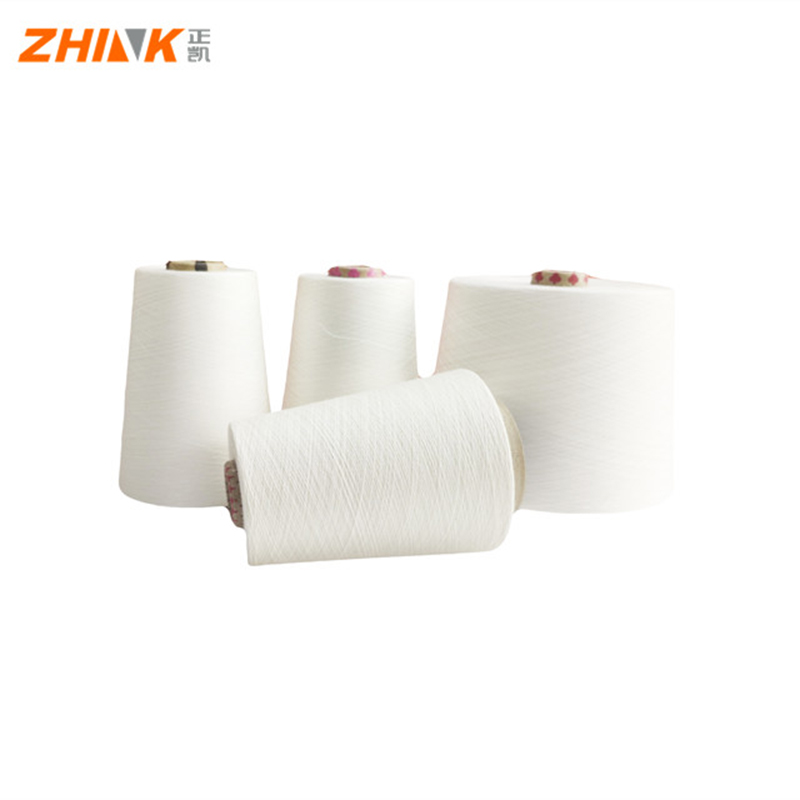
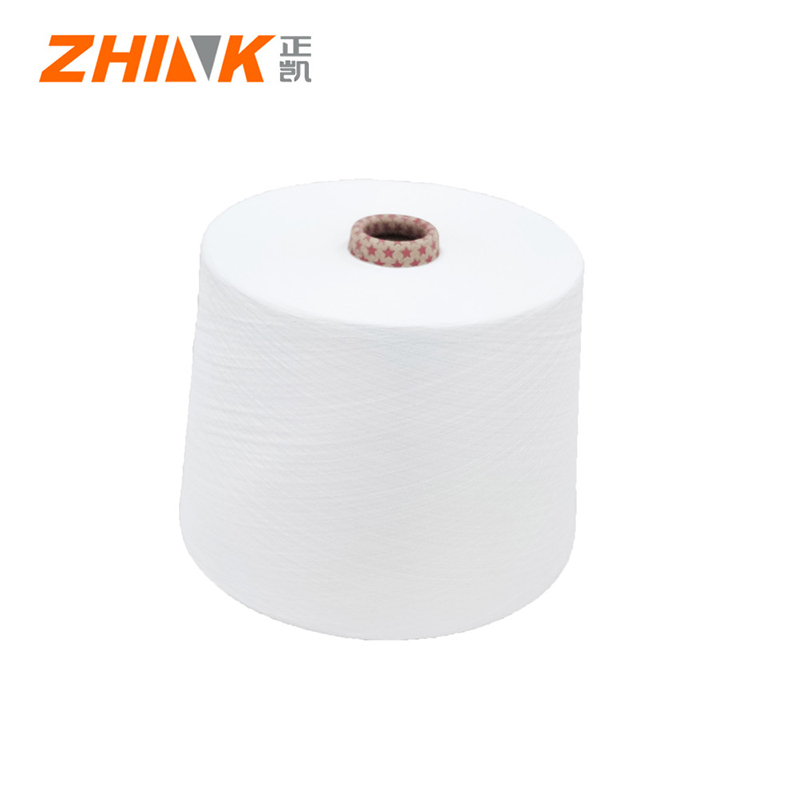
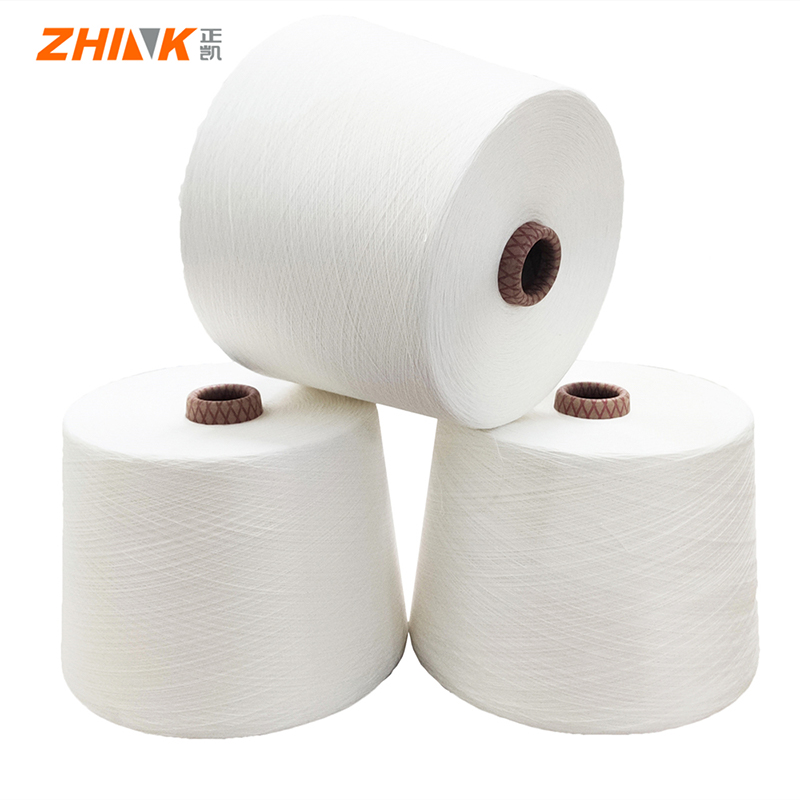
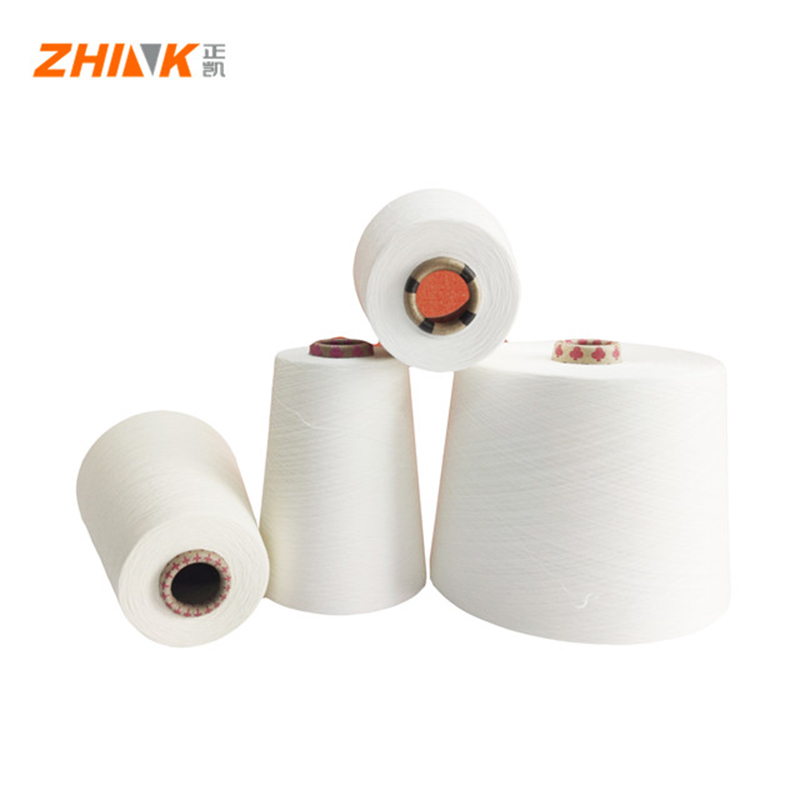
linen yarn for weaving
The Art and Science of Linen Yarn for Weaving
Linen yarn for weaving is a fascinating topic that might often be misunderstood. Its unique properties require special consideration, not just basic yarn knowledge. Here's a closer look at the nuances involved, from selecting the right yarn to weaving techniques, and how experienced craftspeople approach this extraordinary material.
Understanding Linen Yarn
In the world of textiles, linen yarn stands out for its strength and cool touch. It's not your everyday material. When first introduced, many assume it behaves like cotton or wool, but there's an art to handling linen. Derived from the flax plant, it's strong, yet can be surprisingly temperamental.
One common mistake is assuming that all linen is the same. The quality can vary significantly, affecting its workability and final texture. For weaving, a smooth, even thickness is crucial for consistent fabric, and this comes down to the source and processing of the flax. This is where companies like SHANDONG ZHINK NEW MATERIAL CO., LTD play a vital role, ensuring quality control from the start.
Another consideration is the natural stiffness of linen. It might not drape as readily as other fibers on the weaving loom, requiring adjustments in tension and technique. Despite this, its rewards are substantial, creating fabrics that are breathable and long-lasting.
Choosing the Right Linen Yarn
The market is flooded with varieties of linen yarn. Selecting the right type for weaving can make all the difference. It's essential to look for yarns that are specifically spun for the loom. These will have the right balance of twist, making them less prone to breakage.
When evaluating suppliers, transparency in their sourcing and production processes is key. Companies like Zhink New Material, with their emphasis on research and development, often provide detailed information on the composition and treatment of their linen.
It's also wise to consider the purpose of your weaving project. For apparel, a finer yarn might be desired, while home textiles might benefit from a thicker, more robust strand. Testing small samples can help reveal the yarn's behavior and compatibility with your equipment.
Weaving Techniques with Linen
Once you have the right yarn, your approach to weaving with linen can determine the success of your project. It's not as forgiving as wool, making careful planning crucial. Pay attention to the tension and maintain consistent pressure across the warp threads.
Linen's minimal elasticity means it doesn't bounce back easily, so thread and yarn management take center stage. Some weavers keep a spray bottle handy, lightly dampening the yarn to increase pliability during the weaving process.
On the loom, the setup should be checked regularly. Any changes in yarn tension can affect the final product's quality. Linen's unique sheen is enhanced by precise weaving techniques, resulting in beautifully finished textiles that carry both warmth and elegance.
Challenges in Linen Weaving
Despite its many benefits, working with linen yarn has its challenges. The resistance to dye means color matching can be tricky if you're aiming for a specific hue. Pre-dyed yarns from reputable suppliers, like those from Zhink New Material, can offer reliable results.
The rigidity can also lead to friction problems, risking breaks in the warp. To counter this, experienced weavers adjust their setups, sometimes altering heddle sizes or utilizing specific tools to reduce abrasion.
Moreover, environmental conditions such as humidity can impact linen. Keeping an eye on the climate in your workspace can prevent unwanted surprises, helping maintain the yarn’s integrity throughout the weaving process.
The Final Verdict on Linen Yarn
Ultimately, mastering linen yarn for weaving requires patience and practice, but the satisfaction it brings is well worth the effort. From the selection to weaving techniques, understanding linen adds a valuable skillset to any weaver's repertoire.
Looking to dive into this world? Gather information from reliable sources and suppliers, like SHANDONG ZHINK NEW MATERIAL CO., LTD, who offer insights and quality materials for beginners and seasoned professionals alike.
In blending the historical richness of linen with modern textile innovations, those willing to embrace its challenges will find themselves creating stunning, durable textiles that stand the test of time.
Related Products
Related Products