+86-632-3621866
- Chinese
- French
- German
- Portuguese
- Spanish
- Russian
- Japanese
- Korean
- Arabic
- Irish
- Greek
- Turkish
- Italian
- Danish
- Romanian
- Indonesian
- Czech
- Afrikaans
- Swedish
- Polish
- Basque
- Catalan
- Esperanto
- Hindi
- Lao
- Albanian
- Amharic
- Armenian
- Azerbaijani
- Belarusian
- Bengali
- Bosnian
- Bulgarian
- Cebuano
- Chichewa
- Corsican
- Croatian
- Dutch
- Estonian
- Filipino
- Finnish
- Frisian
- Galician
- Georgian
- Gujarati
- Haitian
- Hausa
- Hawaiian
- Hebrew
- Hmong
- Hungarian
- Icelandic
- Igbo
- Javanese
- Kannada
- Kazakh
- Khmer
- Kurdish
- Kyrgyz
- Latin
- Latvian
- Lithuanian
- Luxembou..
- Macedonian
- Malagasy
- Malay
- Malayalam
- Maltese
- Maori
- Marathi
- Mongolian
- Burmese
- Nepali
- Norwegian
- Pashto
- Persian
- Punjabi
- Serbian
- Sesotho
- Sinhala
- Slovak
- Slovenian
- Somali
- Samoan
- Scots Gaelic
- Shona
- Sindhi
- Sundanese
- Swahili
- Tajik
- Tamil
- Telugu
- Thai
- Ukrainian
- Urdu
- Uzbek
- Vietnamese
- Welsh
- Xhosa
- Yiddish
- Yoruba
- Zulu
- Kinyarwanda
- Tatar
- Oriya
- Turkmen
- Uyghur


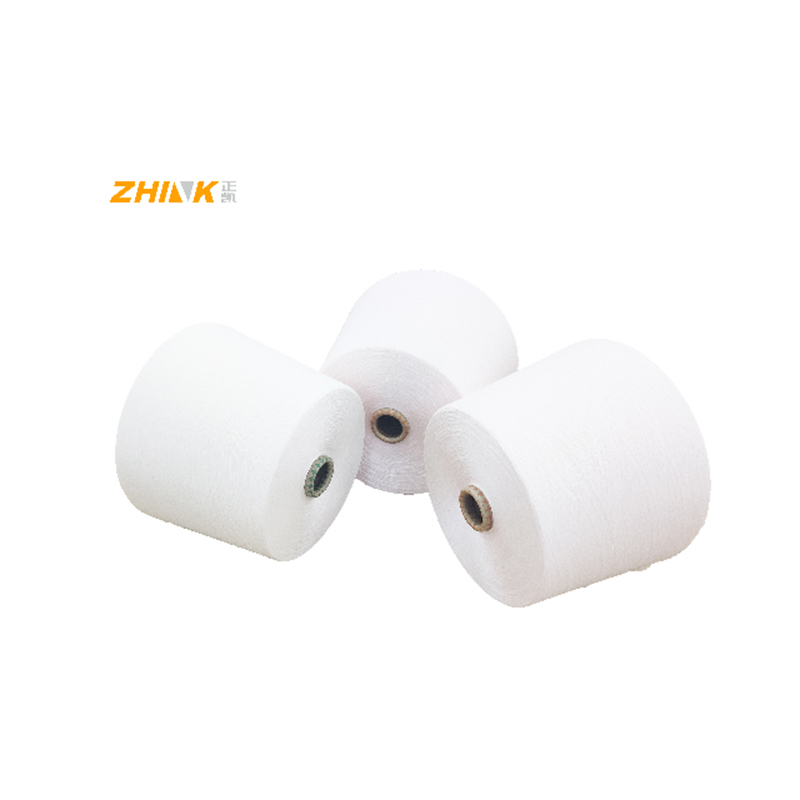
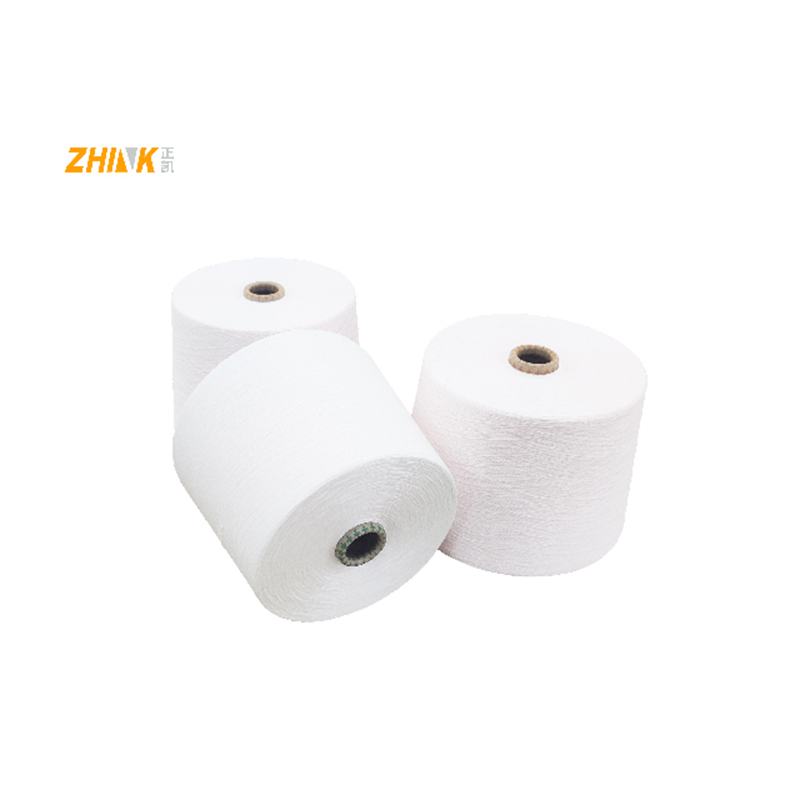
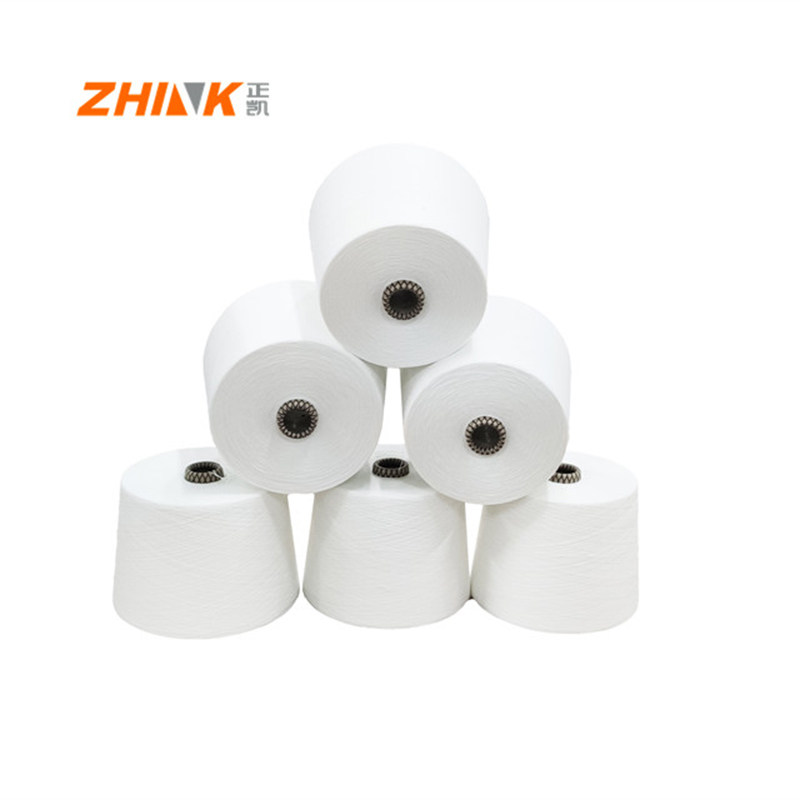
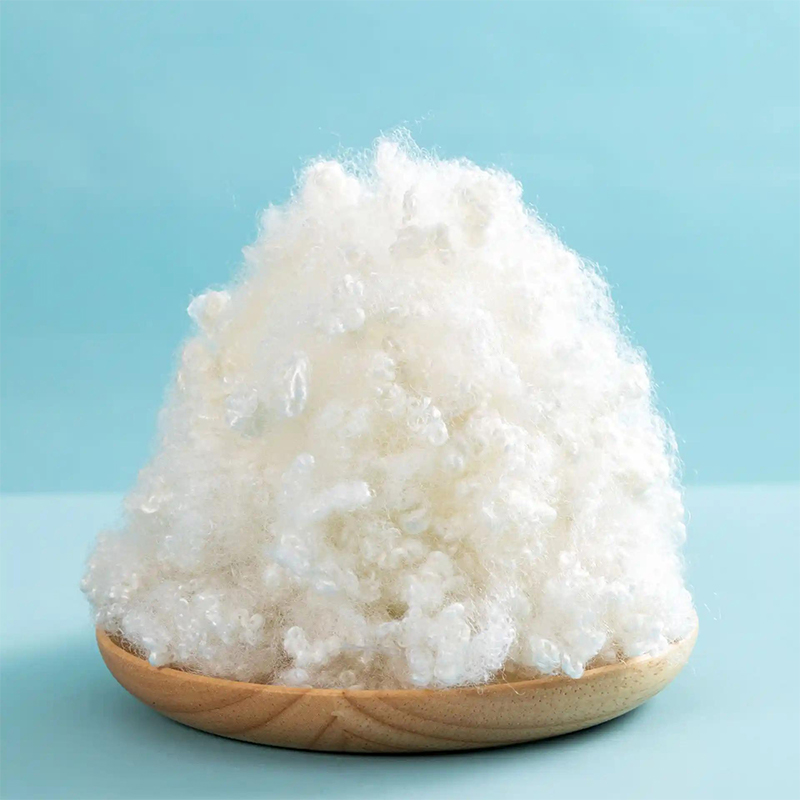
low melt polyester staple fiber
The Practical Insights into Low Melt Polyester Staple Fiber
Low melt polyester staple fiber is a game-changer in the textile industry, yet its potential is often overshadowed by misconceptions. From its meltability to its diverse applications, the truth is, you have to dig deeper to fully appreciate its nuances.
Understanding Low Melt Polyester Staple Fiber
At first glance, low melt polyester staple fiber might sound like a specialty product meant for niche markets. However, it's far more prevalent in applications than one might expect. I've seen it used in everything from automotive interiors to home insulation. The key feature of this fiber is its lower melting point, which allows it to bond with other fibers during thermal processes.
The ease of bonding contributes to its popularity in nonwoven fabrics. This is especially useful in creating strong, durable materials without the need for chemical adhesives. In practice, this results in environmentally friendlier products and streamlined manufacturing processes.
However, there's a common misunderstanding that these fibers are somehow inherently weaker than their high-melt counterparts. This isn't true; it's all about how they're utilized. When done right, they offer comparable durability with added bonding benefits.
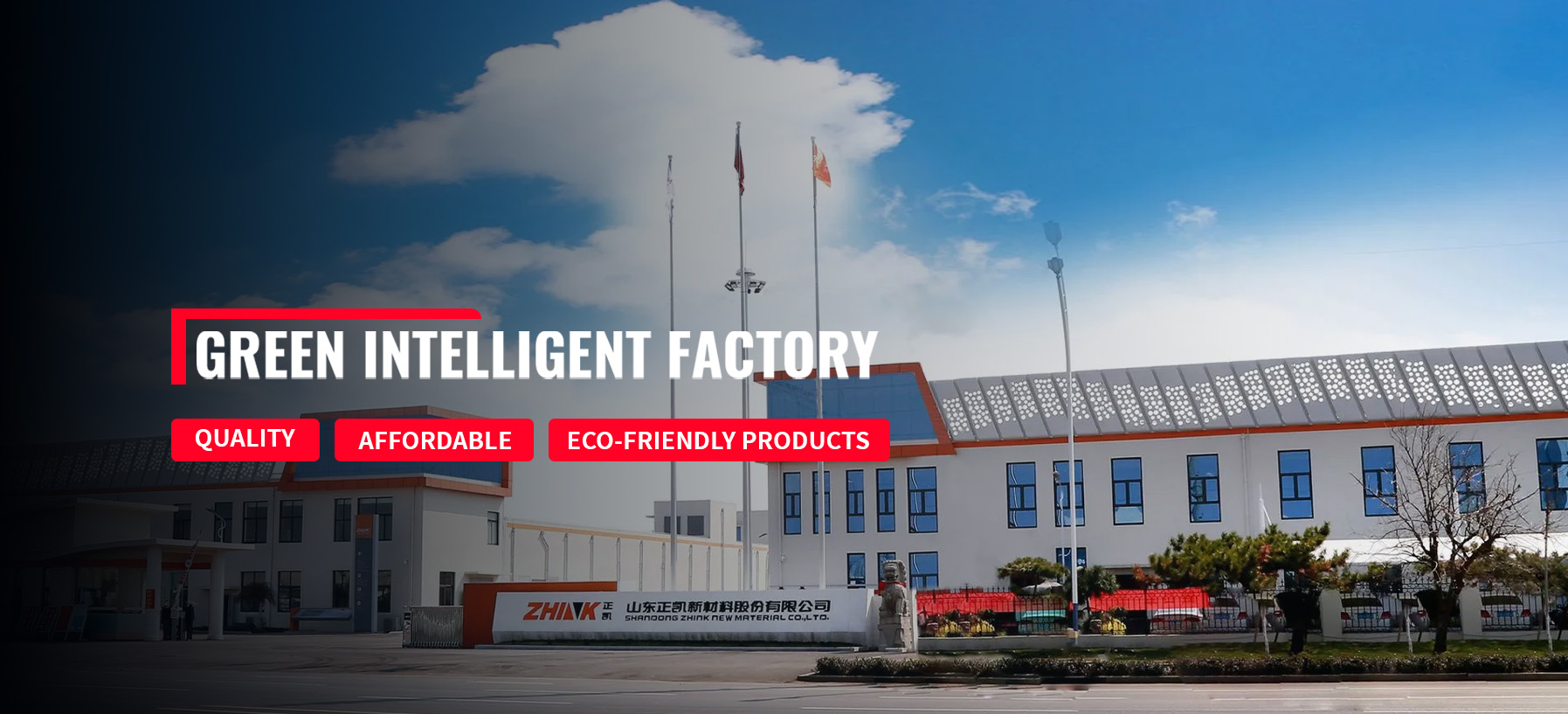
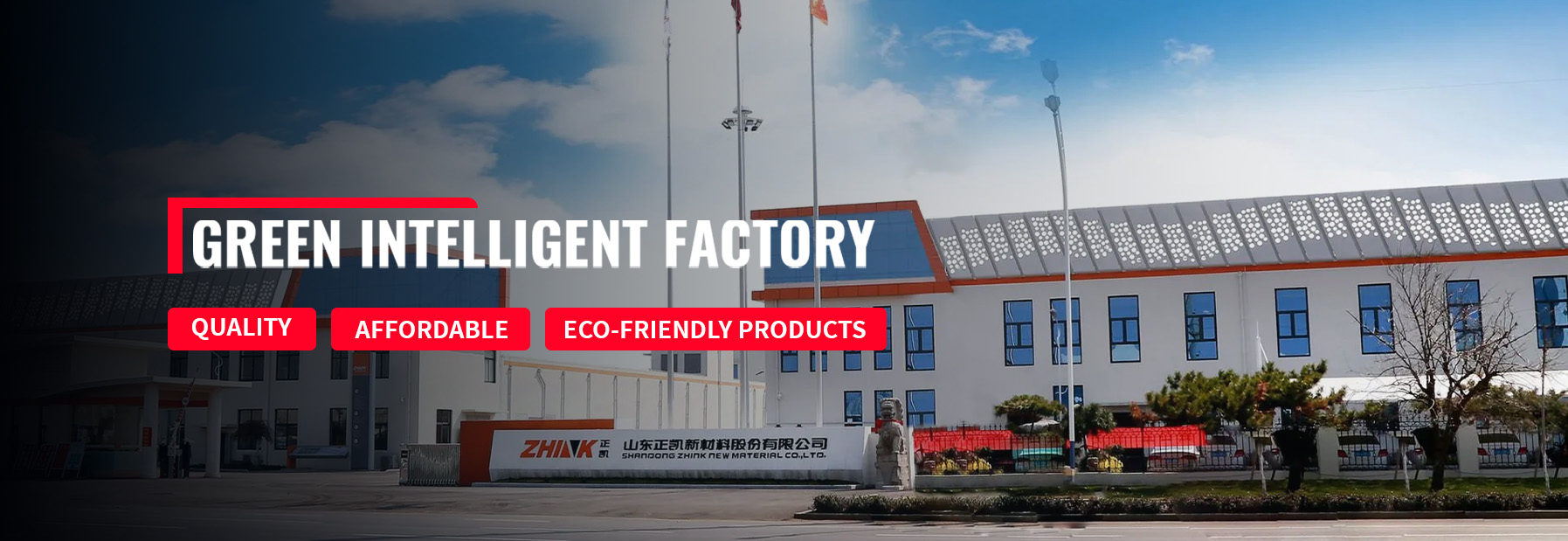
The Role of SHANDONG ZHINK NEW MATERIAL CO., LTD
At SHANDONG ZHINK NEW MATERIAL CO., LTD, with its expertise in developing new textile materials (more info at here), low melt polyester fibers are a substantial part of the product lineup. The company's R&D team focuses on the fiber’s versatility, aiming to innovate its application.
One example from Zhink New Material's portfolio highlights how they incorporate these fibers into sustainable geotextiles. These textiles are essential in erosion control and landscaping, demanding both durability and environmental sensitivity.
Integrating low melt fibers into these applications not only strengthens the material but also enhances its ecological footprint. This is where having a solid grasp of material properties and customer requirements is crucial.
Applications and Real-World Challenges
In my experience, one of the most interesting uses of these fibers has been in mattress production. The thermal bonding capabilities can create comfortable and breathable mattress layers without added bulk. However, sourcing materials that truly balance meltability and strength can be tricky.
Compatibility with other fibers is another important angle. I've encountered situations where mismatched fiber types led to production issues, yet with the right blend, these challenges are surmountable. It all boils down to understanding both the fiber properties and the end-use requirements.
Moreover, technical challenges can sometimes translate into opportunities. For instance, unexpected fiber interaction can lead to the discovery of new textile properties. As with any material innovation, the possibilities often unfold in surprising ways.
Comparative Advantage in the Market
When compared to other bonding methods, such as adhesives, low melt polyester provides a cleaner, more user-friendly approach. There's no residual off-gassing and no concerns about adhesive lifespan. From an operational standpoint, this can reduce both production time and cost.
Moreover, in industries such as automotive, where weight reduction is critical, the lightweight nature of nonwoven low melt composites becomes a significant advantage. Every gram saved can potentially lead to more efficient fuel consumption, highlighting just how impactful material choice can be.
Here, again, is where SHANDONG ZHINK NEW MATERIAL CO., LTD excels, given their in-depth fiber knowledge and market foresight. Their products offer practical solutions that align with both performance needs and environmental goals.
Future Directions and Innovations
The future of low melt polyester staple fiber seems promising, but it requires persistent innovation. At Zhink New Material, the focus is on expanding the boundaries of what these fibers can achieve. With advances in polymer technology, we could see even lower melting points or fibers with tailored properties.
Additionally, there’s a growing trend towards smart textiles—materials that offer more than just physical properties. Imagine fibers that not only bond but also conduct energy or change color in response to environmental conditions. This isn't science fiction—it’s where the industry is headed.
As we continue to explore new possibilities, the role of low melt polyester staple fiber will undoubtedly evolve. It’s an exciting time for those of us in the textile sector, watching how clever engineering can transform our understanding and use of materials.
Related Products
Related Products