+86-632-3621866
- Chinese
- French
- German
- Portuguese
- Spanish
- Russian
- Japanese
- Korean
- Arabic
- Irish
- Greek
- Turkish
- Italian
- Danish
- Romanian
- Indonesian
- Czech
- Afrikaans
- Swedish
- Polish
- Basque
- Catalan
- Esperanto
- Hindi
- Lao
- Albanian
- Amharic
- Armenian
- Azerbaijani
- Belarusian
- Bengali
- Bosnian
- Bulgarian
- Cebuano
- Chichewa
- Corsican
- Croatian
- Dutch
- Estonian
- Filipino
- Finnish
- Frisian
- Galician
- Georgian
- Gujarati
- Haitian
- Hausa
- Hawaiian
- Hebrew
- Hmong
- Hungarian
- Icelandic
- Igbo
- Javanese
- Kannada
- Kazakh
- Khmer
- Kurdish
- Kyrgyz
- Latin
- Latvian
- Lithuanian
- Luxembou..
- Macedonian
- Malagasy
- Malay
- Malayalam
- Maltese
- Maori
- Marathi
- Mongolian
- Burmese
- Nepali
- Norwegian
- Pashto
- Persian
- Punjabi
- Serbian
- Sesotho
- Sinhala
- Slovak
- Slovenian
- Somali
- Samoan
- Scots Gaelic
- Shona
- Sindhi
- Sundanese
- Swahili
- Tajik
- Tamil
- Telugu
- Thai
- Ukrainian
- Urdu
- Uzbek
- Vietnamese
- Welsh
- Xhosa
- Yiddish
- Yoruba
- Zulu
- Kinyarwanda
- Tatar
- Oriya
- Turkmen
- Uyghur



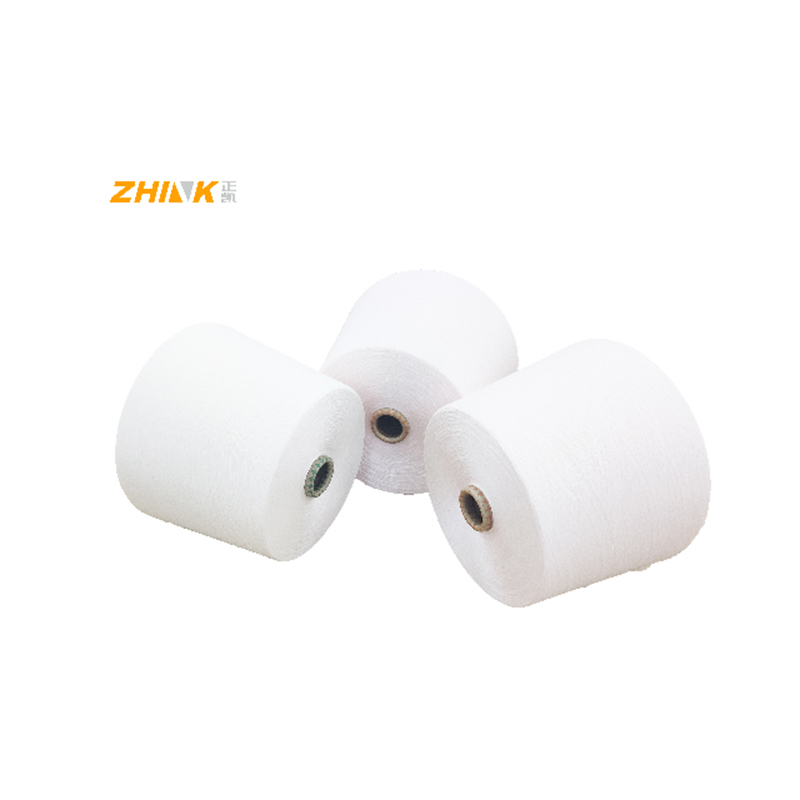
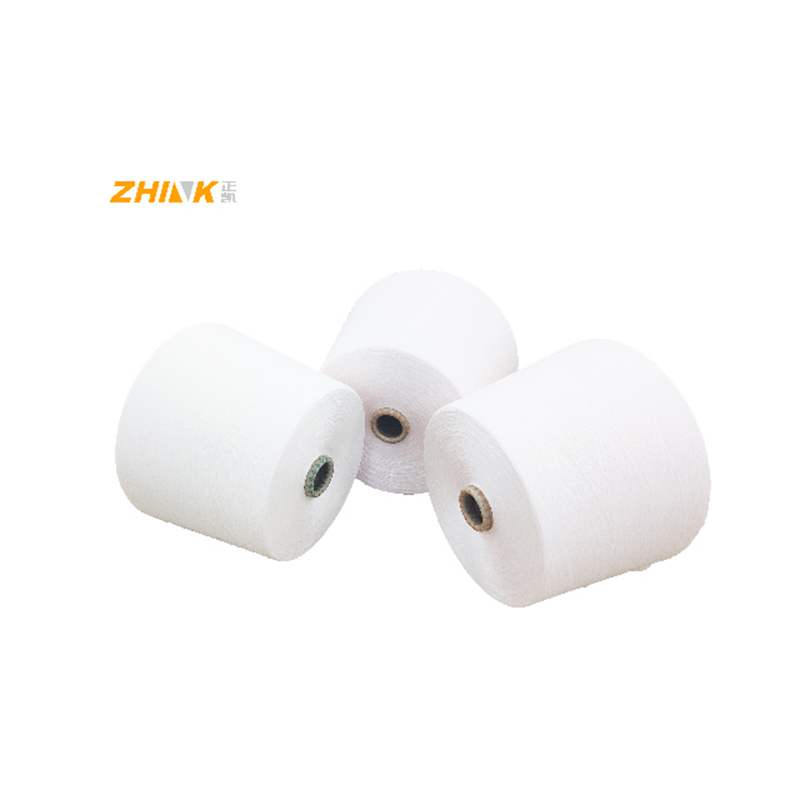
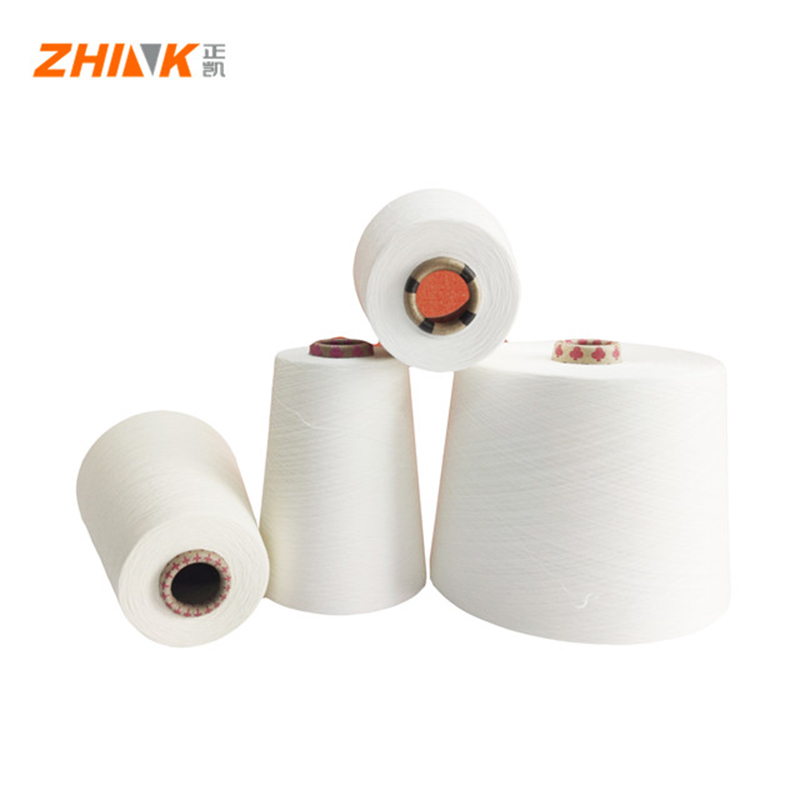
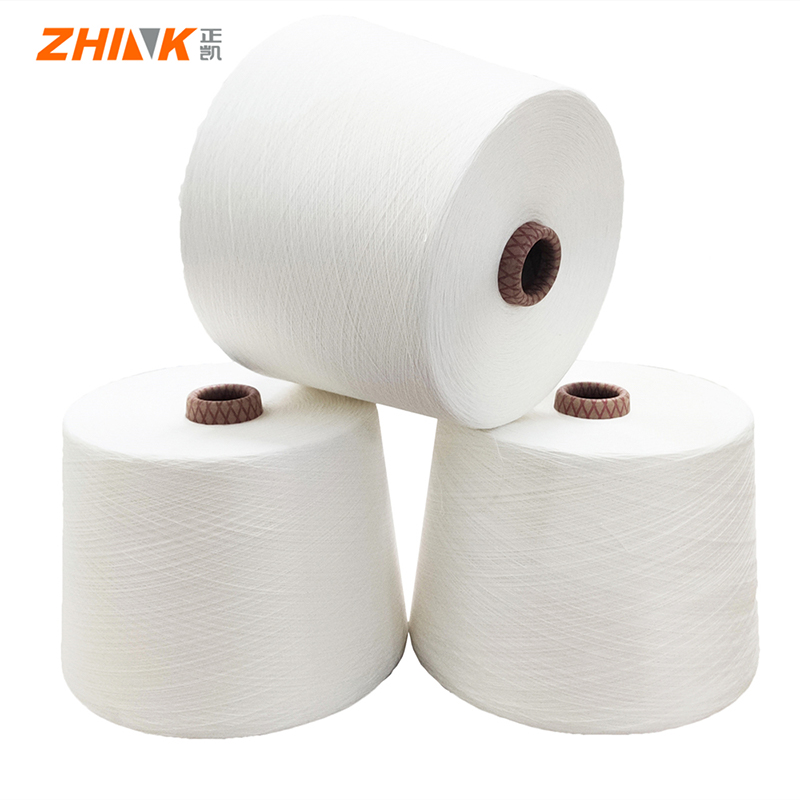
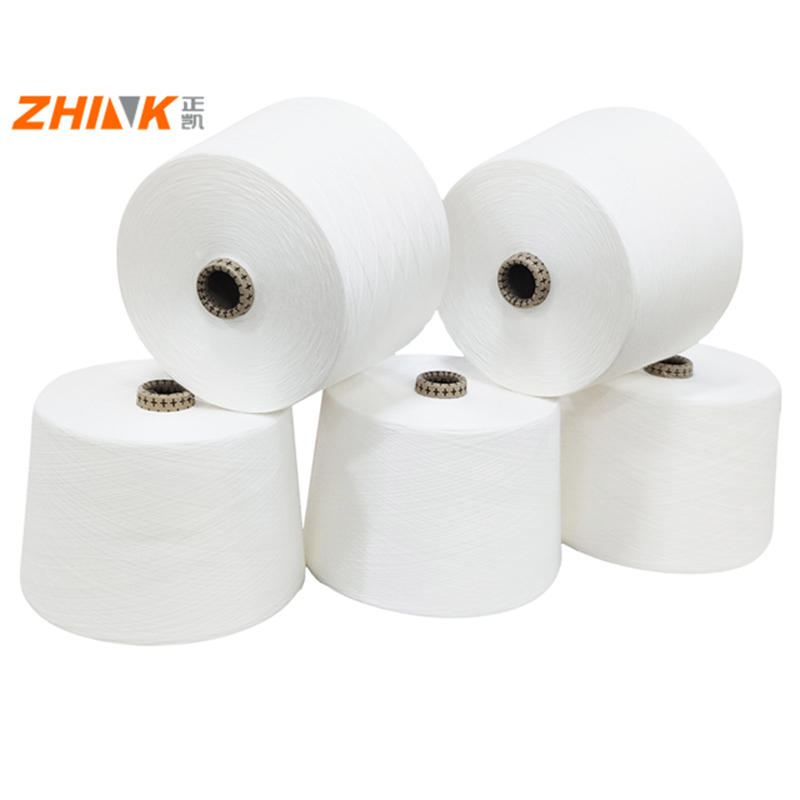
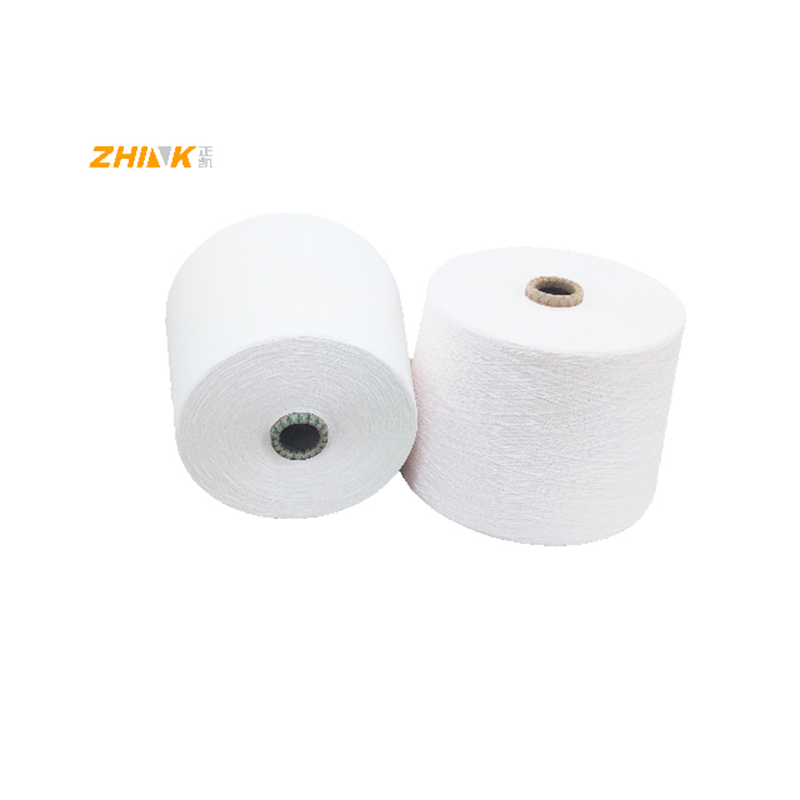
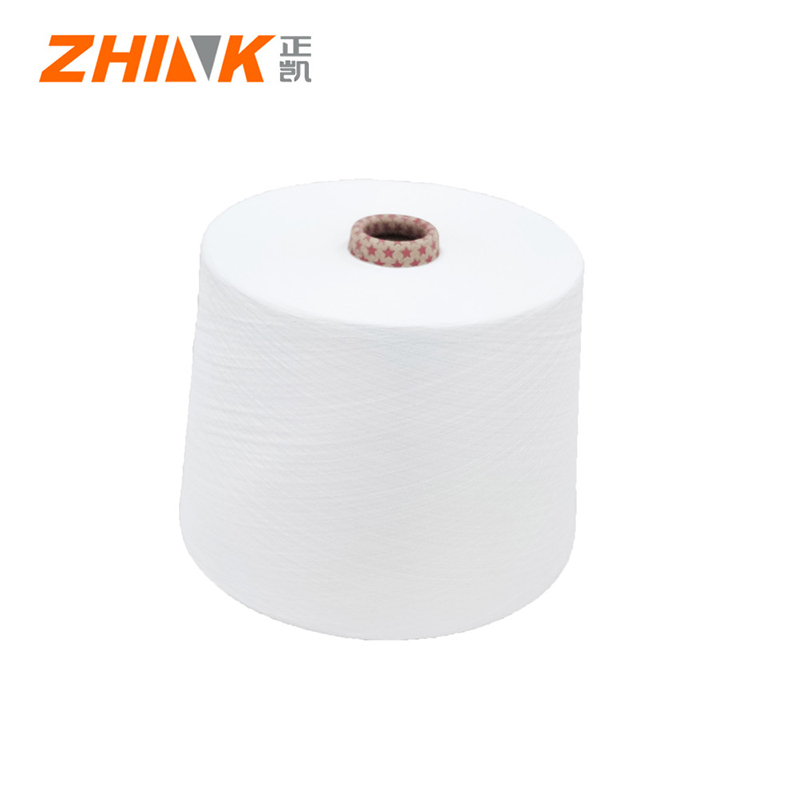
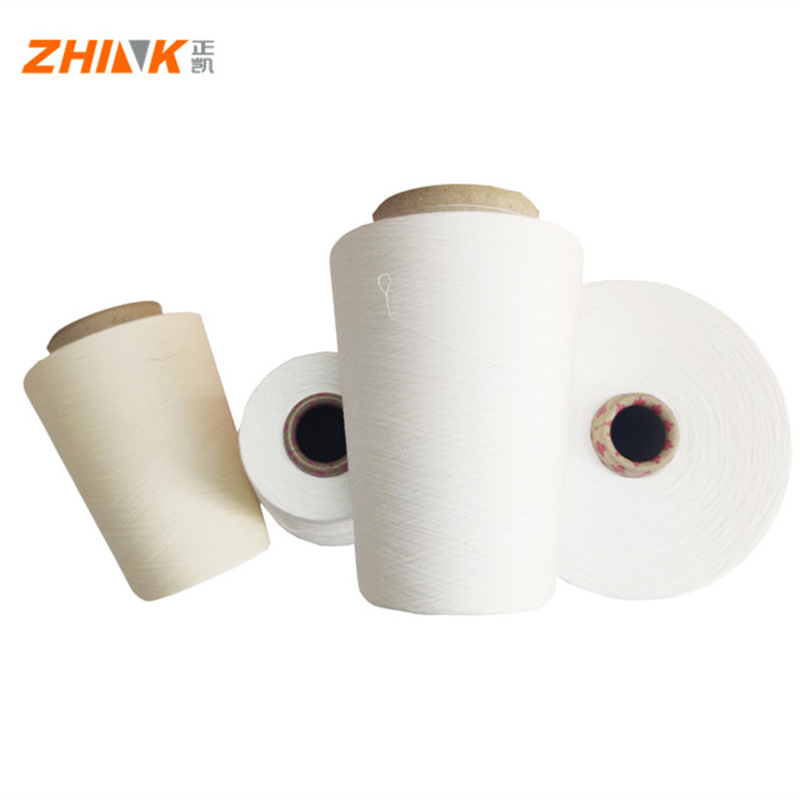
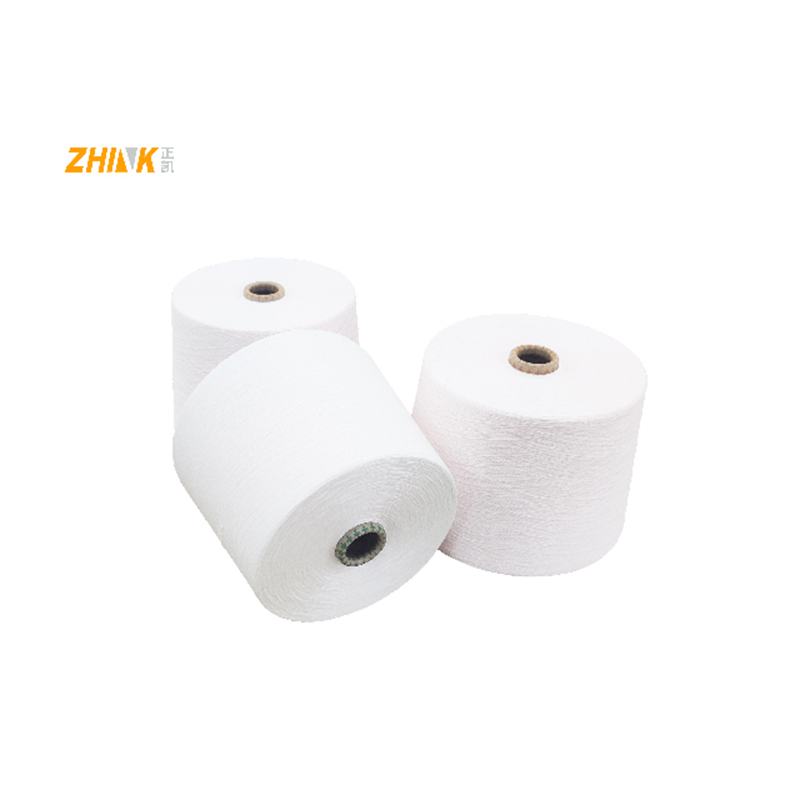
low temperature Cationic polyester yarn
Exploring Low Temperature Cationic Polyester Yarn
Low temperature cationic polyester yarn might seem like one of those niche areas in textiles, but trust me, what it opens up in terms of application and performance can be quite revolutionary. Often misunderstood and underrated, this material commands a deeper look for anyone interested in advanced textile technologies.
Understanding the Basics
When we talk about low temperature cationic polyester yarn, we're diving into a blend that’s specifically engineered for dyeing at lower temperatures. A common misconception, though, is that “low temperature” somehow diminishes the durability of the yarn. It's quite the opposite. This yarn maintains its strength while offering energy-saving benefits.
These energy efficiencies come from the ability to dye at temperatures significantly lower than traditional methods, which usually require high temperatures and longer processing times. This not only helps reduce the energy footprint but also preserves the integrity of the fiber, leading to better longevity of the textile product.
Now, when you're actually working in production, the real challenge often comes in tweaking the existing dye protocols to fully leverage these yarns. While the theory is sound, real-world adjustments can be a bit tricky at first.
Real-World Application
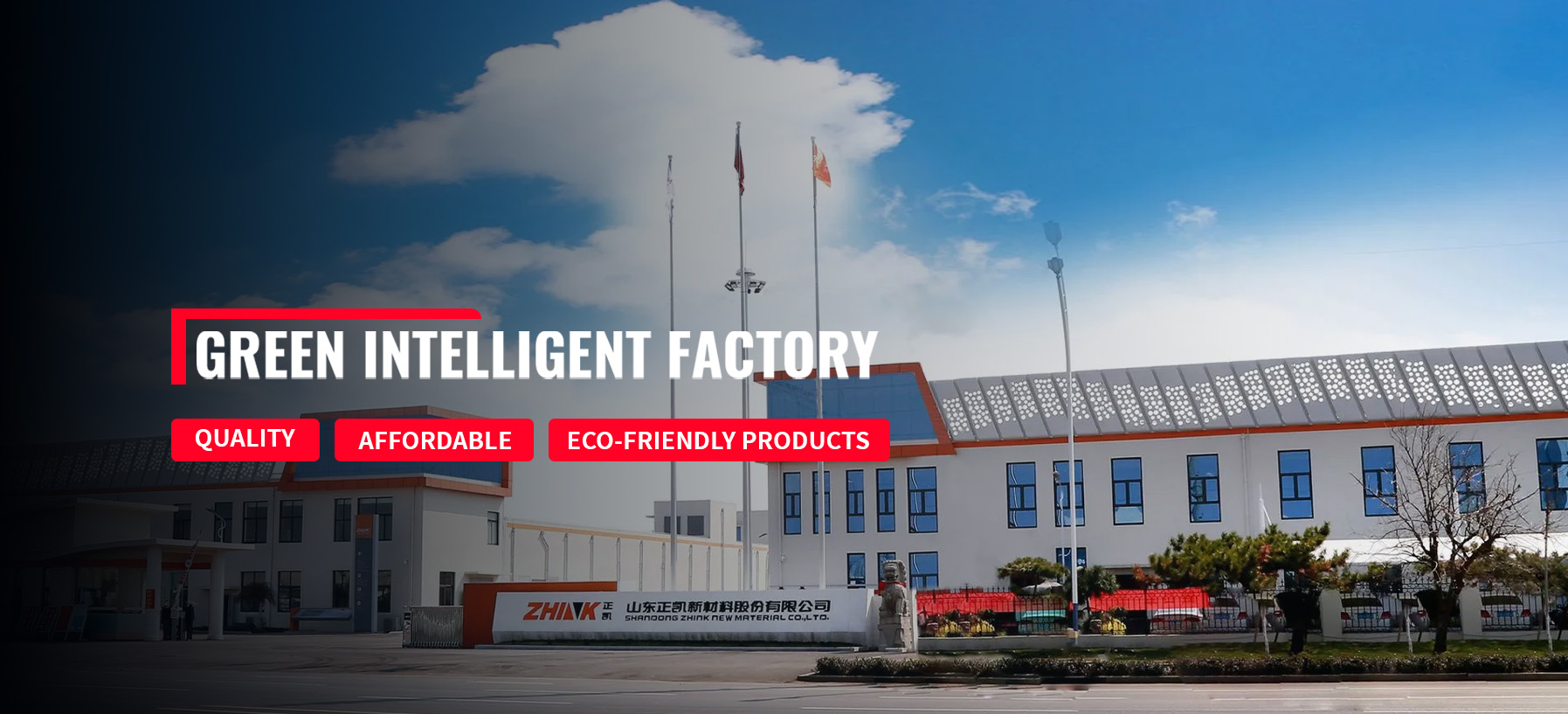
In actual industry settings, such as within facilities managed by companies like SHANDONG ZHINK NEW MATERIAL CO., LTD, found at https://www.zhinkyarn.com, you'll encounter specific use cases where this yarn truly shines. This company, specializing in innovative textile materials, often engages with experimental batches to optimize production lines for their clients.
I recall speaking with a colleague who tried running a batch with just mildly tweaked heat settings. The result was a vivid, tightly bonded color that resisted fading, even after multiple washes. Practical experience, however, highlighted the necessity for slight adjustments in dye formulations to achieve truly consistent results across different batches.
What’s fascinating is the potential reduction in the wear-and-tear on machinery typically associated with high-temperature dye processes. This not only extends the machinery life but also reduces maintenance costs, offering another layer of economic advantage.
Examining the Technical Challenges
Of course, nothing truly innovative comes without its challenges. One significant issue observed is achieving even dye penetration. This can be especially tricky when scaling from small lab samples to full production batches. Inconsistencies can occur, calling for a refined understanding of how different dyes interact with the yarn at these lower temperatures.
Further complicating matters, even slight variations in external conditions—humidity, water consistency—can impact the end result. These subtle nuances necessitate continuous monitoring, something seasoned professionals often underestimate initially.
Over time, and through iterations, adjustments in pre-treatment processes, as well as real-time tweaking of dye bath compositions, have shown promising results. Again, industry experience and empirical adjustments play a huge role in mastering these variables.
Future Prospects in Textiles
Looking ahead, the trajectory for low temperature cationic polyester yarn appears promising, especially with increasing global emphasis on sustainable practices. The energy savings alone provide a compelling case for wider adoption. As environmental regulations tighten, these yarns could definitely become a standard.
In practice, many textile companies are already redesigning their product lines to incorporate these yarns, capitalizing on evolving consumer preferences for eco-friendly materials without compromising on quality or versatility.
Eventually, we might even see these materials evolving further, with enhancements in polymer science unlocking new capabilities. This would not only expand their application range but also potentially herald new textile innovations, driven by ongoing research and development efforts by leaders in the field like Zhink New Material.
Conclusion
In sum, the realm of low temperature cationic polyester yarn is a fascinating intersection of innovation, sustainability, and tradition. While the challenges are non-trivial, the advantages—both environmental and economic—present a compelling case for further exploration and adoption within the textile industry.
For more insights or inquiry into these advanced textile solutions, visiting SHANDONG ZHINK NEW MATERIAL CO., LTD’s website at https://www.zhinkyarn.com could be highly beneficial. Their expertise in new textile materials certainly positions them as a pivotal player in this transformative space.
Related Products
Related Products