+86-632-3621866
- Chinese
- French
- German
- Portuguese
- Spanish
- Russian
- Japanese
- Korean
- Arabic
- Irish
- Greek
- Turkish
- Italian
- Danish
- Romanian
- Indonesian
- Czech
- Afrikaans
- Swedish
- Polish
- Basque
- Catalan
- Esperanto
- Hindi
- Lao
- Albanian
- Amharic
- Armenian
- Azerbaijani
- Belarusian
- Bengali
- Bosnian
- Bulgarian
- Cebuano
- Chichewa
- Corsican
- Croatian
- Dutch
- Estonian
- Filipino
- Finnish
- Frisian
- Galician
- Georgian
- Gujarati
- Haitian
- Hausa
- Hawaiian
- Hebrew
- Hmong
- Hungarian
- Icelandic
- Igbo
- Javanese
- Kannada
- Kazakh
- Khmer
- Kurdish
- Kyrgyz
- Latin
- Latvian
- Lithuanian
- Luxembou..
- Macedonian
- Malagasy
- Malay
- Malayalam
- Maltese
- Maori
- Marathi
- Mongolian
- Burmese
- Nepali
- Norwegian
- Pashto
- Persian
- Punjabi
- Serbian
- Sesotho
- Sinhala
- Slovak
- Slovenian
- Somali
- Samoan
- Scots Gaelic
- Shona
- Sindhi
- Sundanese
- Swahili
- Tajik
- Tamil
- Telugu
- Thai
- Ukrainian
- Urdu
- Uzbek
- Vietnamese
- Welsh
- Xhosa
- Yiddish
- Yoruba
- Zulu
- Kinyarwanda
- Tatar
- Oriya
- Turkmen
- Uyghur



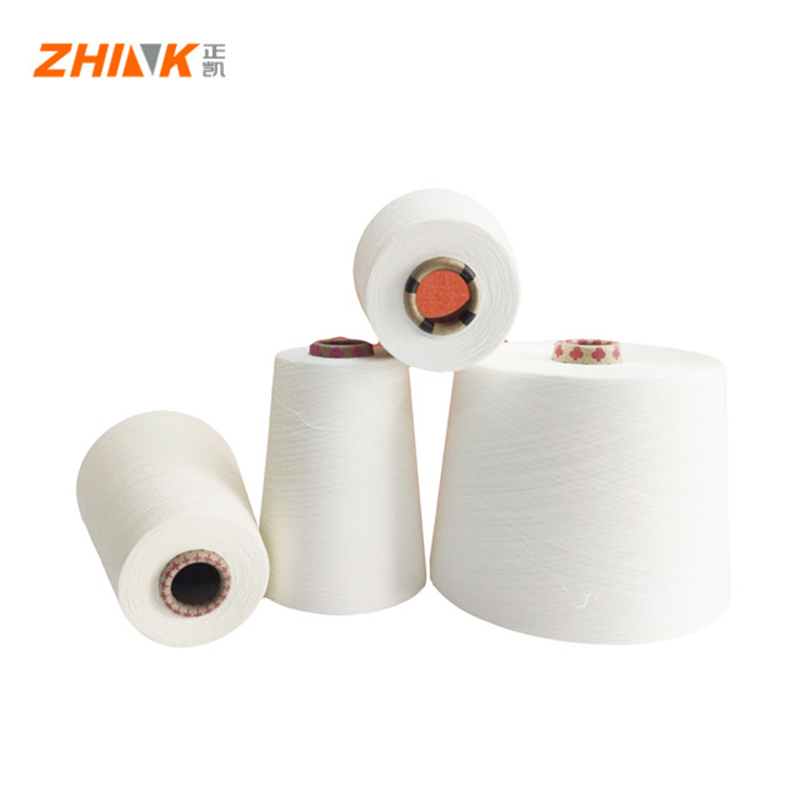
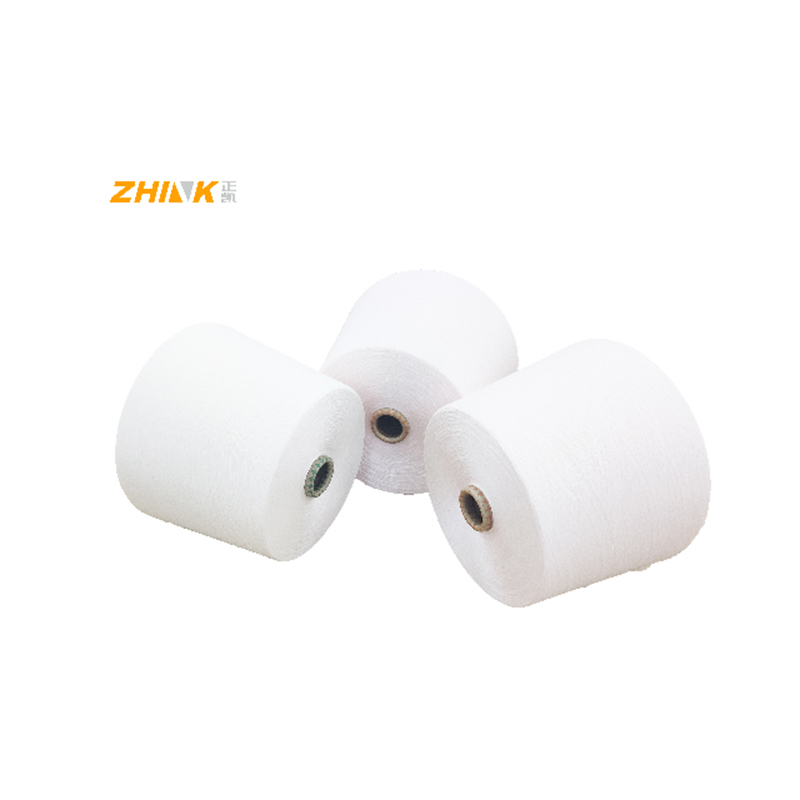
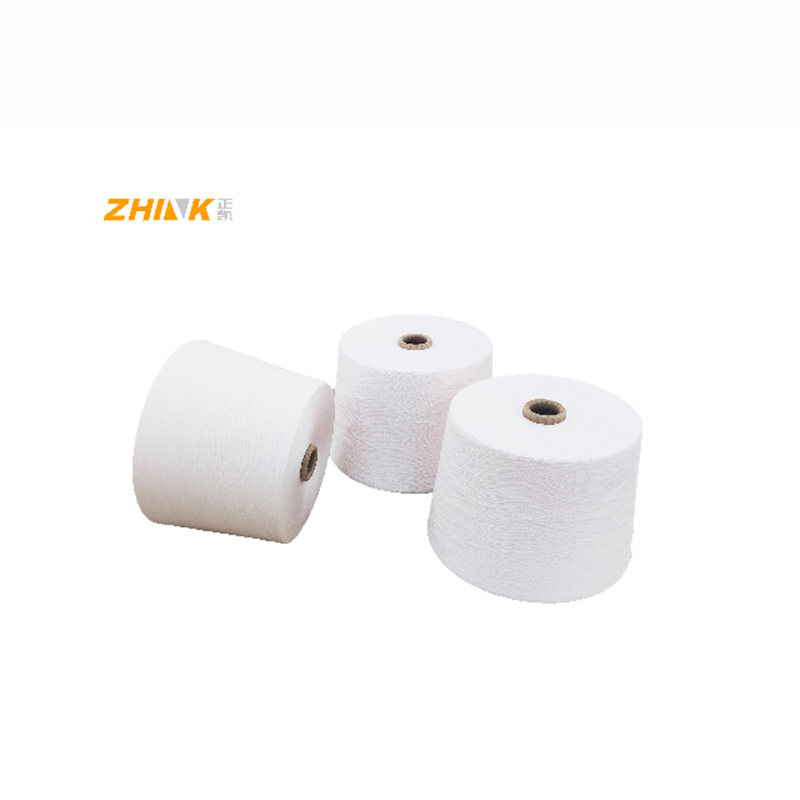
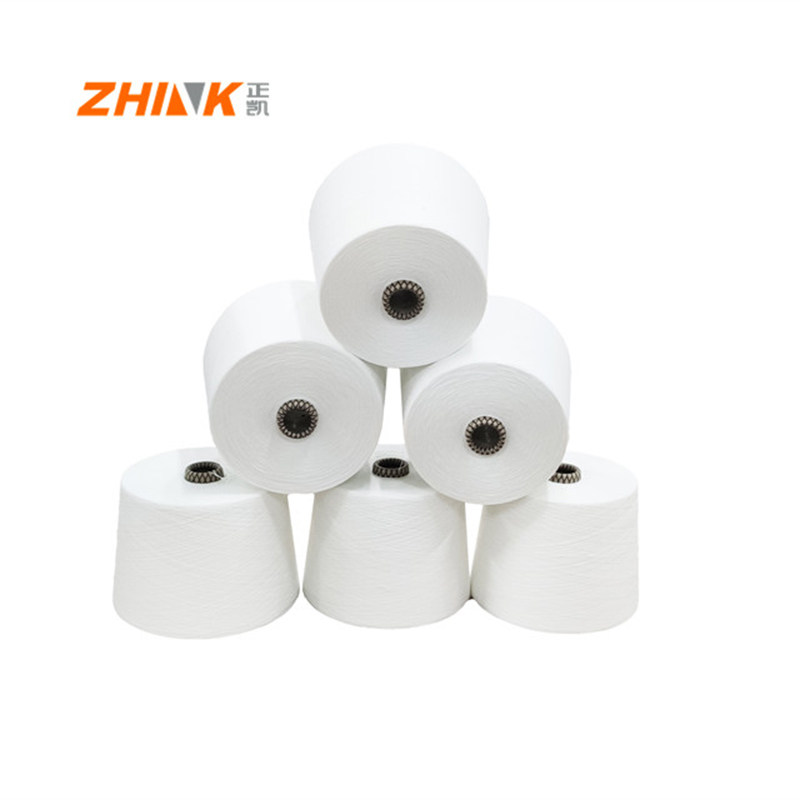
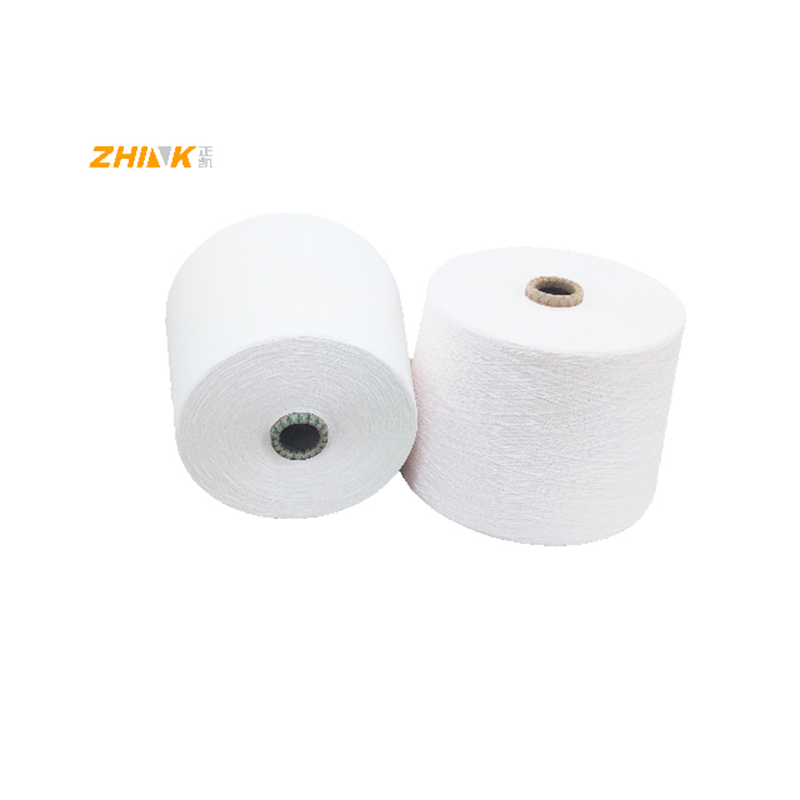
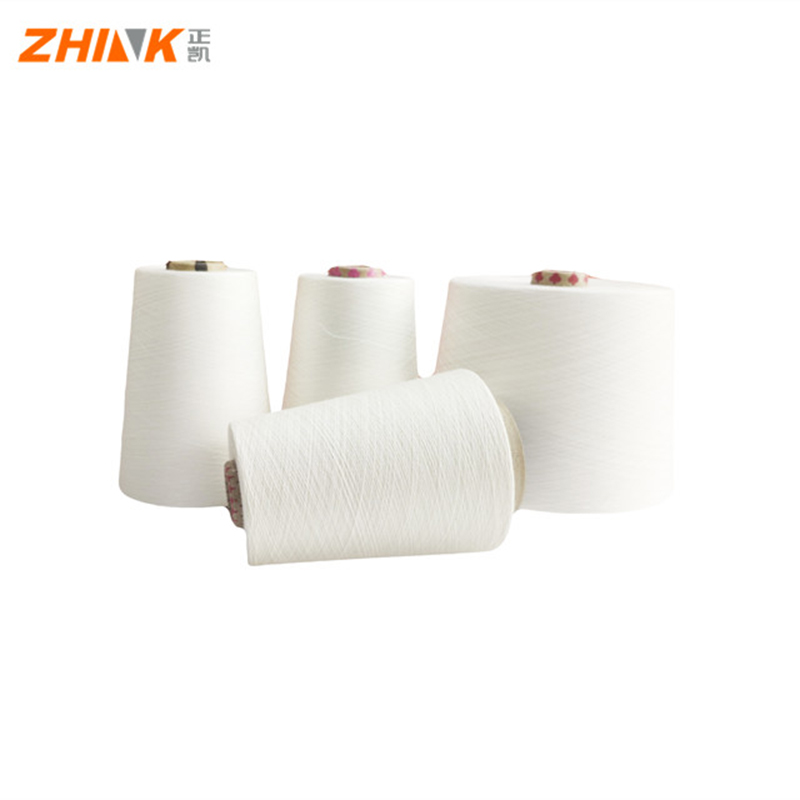
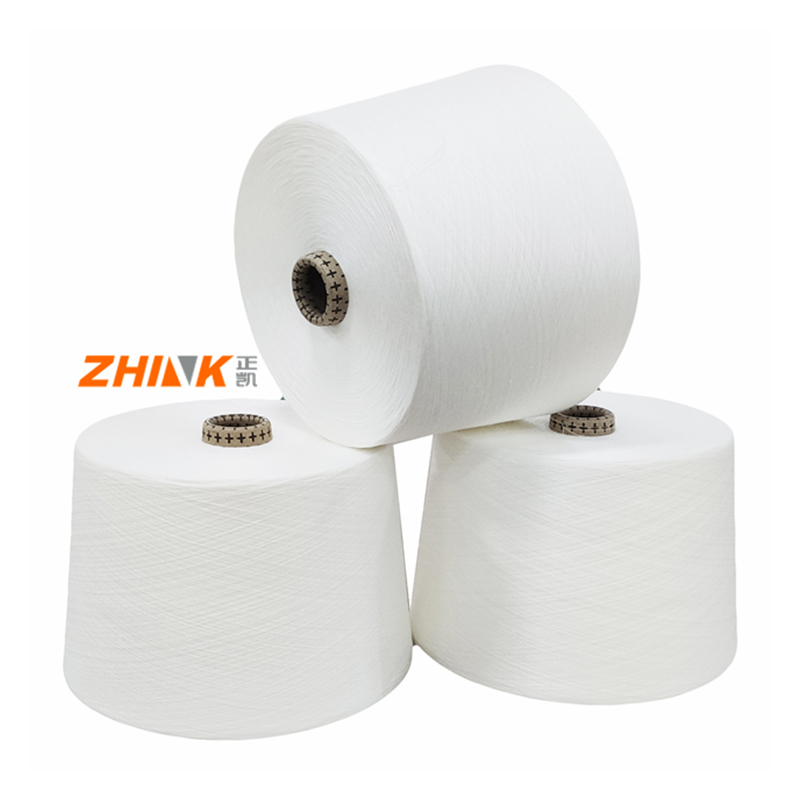
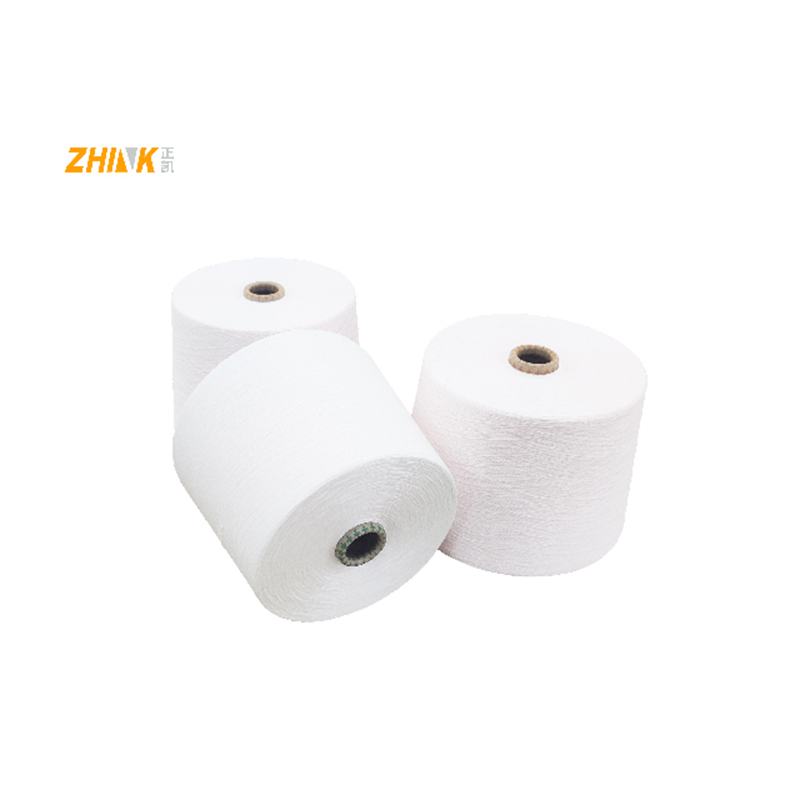
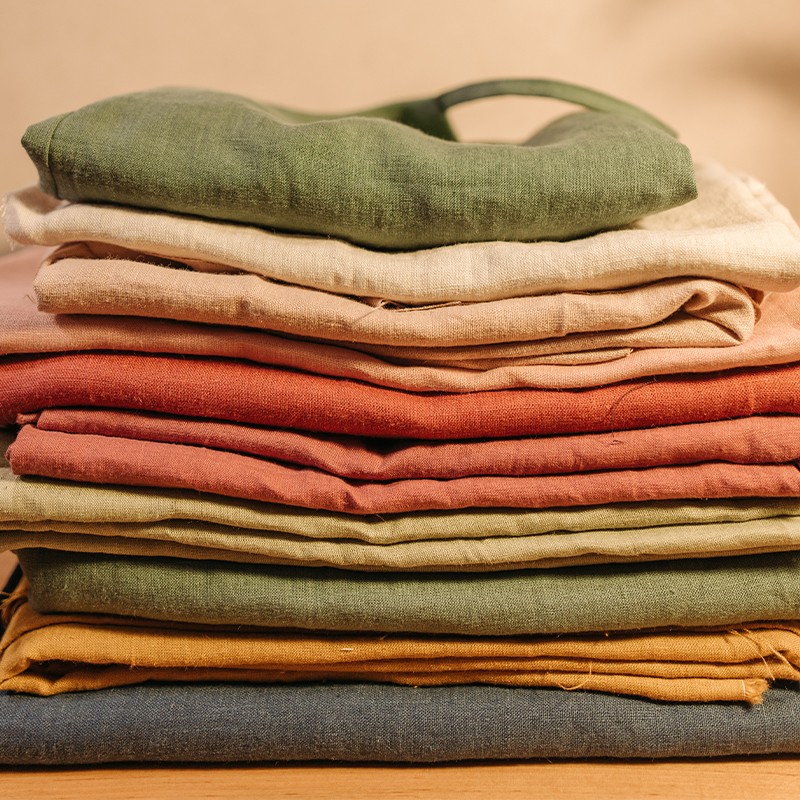
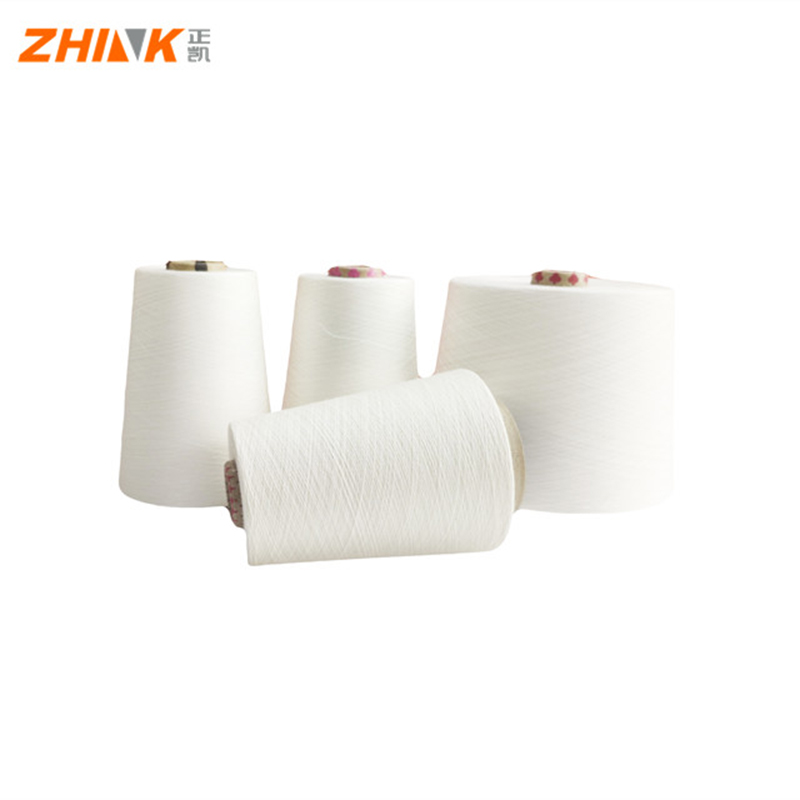
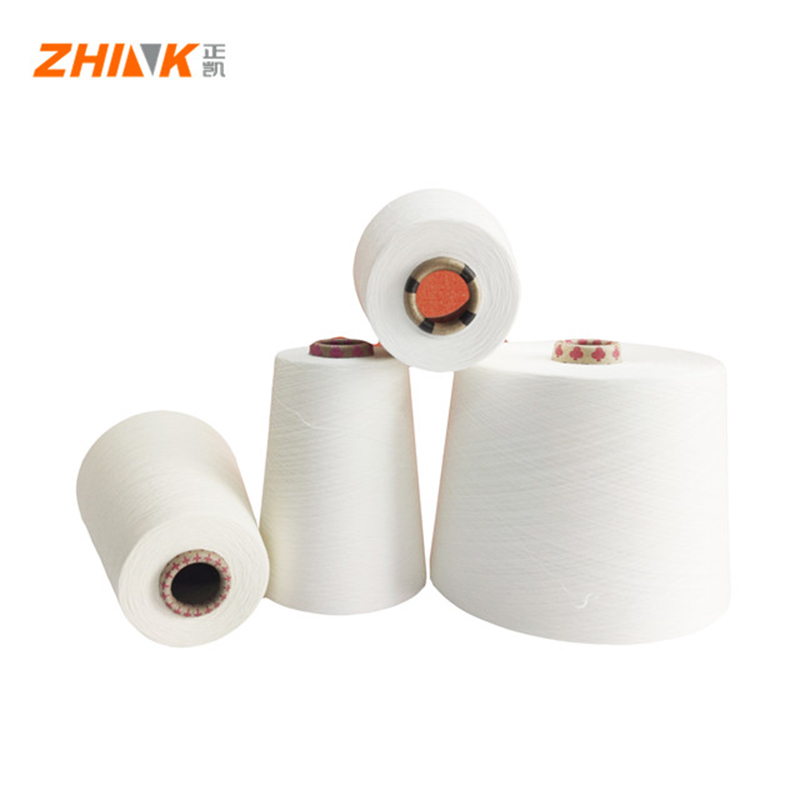
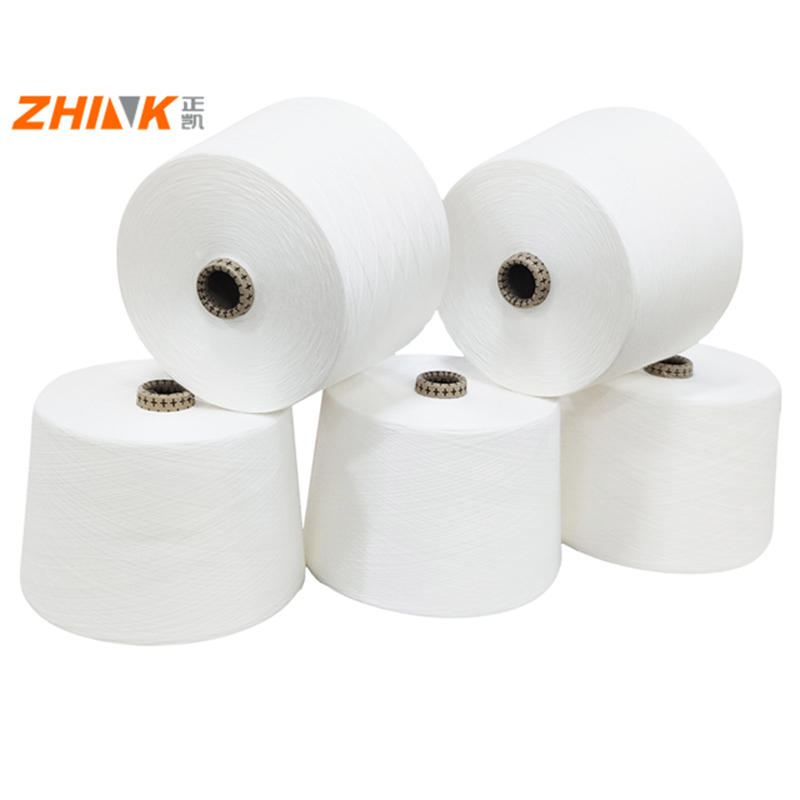
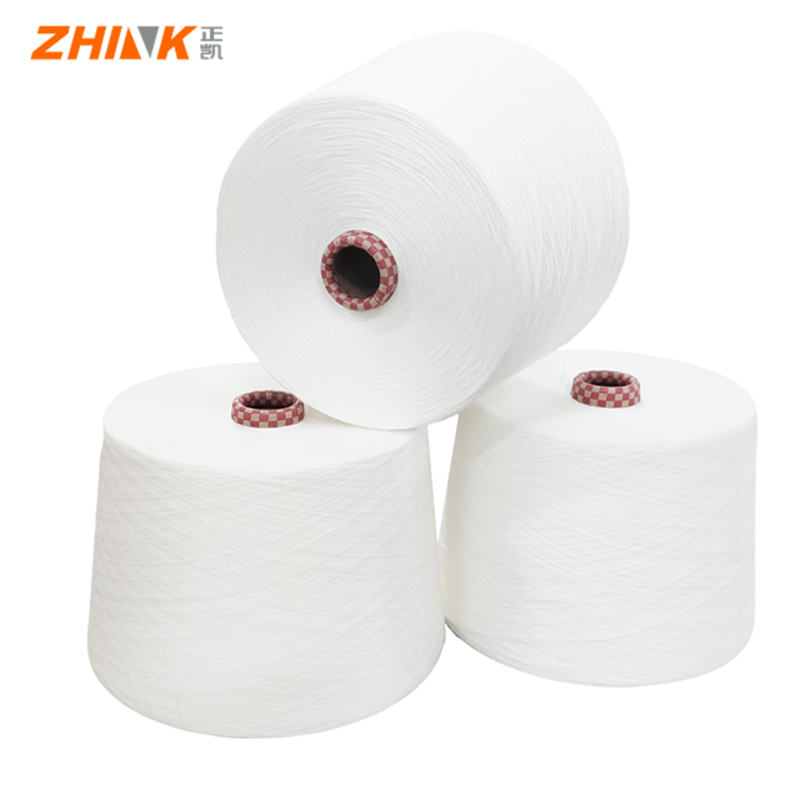
Lyocell blended yarn
Lyocell Blended Yarn: Understanding Its Benefits and Challenges
Lyocell blended yarn might seem like just another textile to the untrained eye, but delve deeper, and you'll uncover a material that's reshaping sustainable fashion. Here’s why it matters and what you need to know if you're considering it for your next product line.
The Basics of Lyocell Blended Yarn
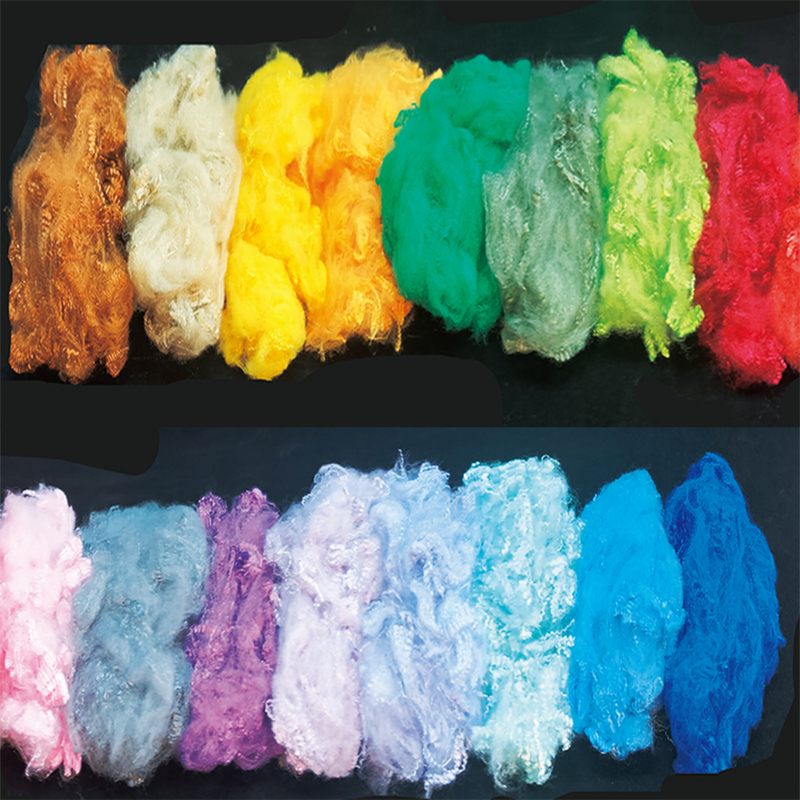
Lyocell itself is renowned for its eco-friendliness. Made primarily from wood pulp, it’s biodegradable and processed through a closed-loop system that recycles water and solvents. When blended with other fibers like cotton or wool, it inherits their properties while adding its own strengths, such as moisture absorption and durability.
However, not all blends are created equal. The ratio of Lyocell to other fibers significantly impacts the yarn’s characteristics. For example, a higher Lyocell content will enhance breathability and softness but might also affect the yarn's resilience against rigorous conditions.
Working with blends takes experience. I’ve seen newcomers to this market launch products that either break too easily or don’t fully utilize Lyocell’s benefits. Choosing the right blend means balancing the fibers’ properties to meet specific needs—sometimes it’s more art than science.
Manufacturing Insights from Industry Experts
In my interactions with the team at SHANDONG ZHINK NEW MATERIAL CO., LTD, their expertise in producing Lyocell blended yarn is evident. They’ve streamlined their processes to ensure consistent quality, which is crucial when large orders are at stake. More about them can be found at their website, Zhink Yarn.
One challenge they face is maintaining yarn uniformity, especially when scaling up production. It’s a delicate balance between maintaining high standards and meeting growing demand. I've heard how they've invested heavily in R&D to fine-tune this aspect, but it’s a constant battle.
Material sourcing is another critical aspect. Zhink New Material emphasizes sustainable procurement of wood pulp, aligning their practices with environmental stewardship. It’s an area where cutting corners can lead to ethical and quality concerns.
Applications and Market Demand
The demand for Lyocell blended yarn isn’t limited to fashion. I’ve observed an increasing interest in its use in home textiles, such as bedsheets and curtains, where comfort and sustainability are paramount.
That said, market readiness varies. While eco-conscious brands quickly adopt such materials, convincing traditional manufacturers to shift might take time. The process often involves demonstrating not just the environmental benefits but also how it aligns with consumer trends towards sustainable products.
Retailers I've spoken with often mention consumer education as a barrier. If the end customer doesn’t understand the benefits of Lyocell, they might not be willing to pay a premium. Hence, there’s a parallel need to educate both manufacturers and consumers on its merits.
Environmental Impact and Sustainability
Sustainability is Lyocell’s selling point. From production to post-consumer disposal, it’s designed to tread lightly on the planet. Unlike conventional textiles, its closed-loop process minimizes waste, an aspect that companies like Zhink New Material champion.
Recycling in textile production isn’t straightforward. Yet, those who can effectively integrate recycled materials into their supply chain can carve out a competitive advantage. I remember discussing with a textile consultant how this could be a game-changer for brands eager to improve their sustainability profile.
Yet, as we push toward green solutions, it's essential not to overlook the economic implications. Adopting sustainable practices can incur costs, which can be prohibitive without consumer buy-in. So, it’s about finding that sweet spot between ethical production and financial viability.
Future of Lyocell and Blended Textiles
Looking ahead, I'm optimistic about the role of Lyocell in the textile industry. As technologies evolve, we may see even more innovative blends hitting the market. However, staying informed and adaptable is key.
For industries poised to adopt change, firms like SHANDONG ZHINK NEW MATERIAL CO., LTD are leading by example, setting benchmarks for quality and sustainability in Lyocell blended yarn production. Their website, Zhink Yarn, is a good resource for understanding these advancements.
The lesson learned here? In an industry marked by rapid change, those willing to innovate and adapt to new blends and processes will likely shape the future of textiles. As they say, the only constant in life is change—a maxim that holds especially true in textiles.
Related Products
Related Products