+86-632-3621866
- Chinese
- French
- German
- Portuguese
- Spanish
- Russian
- Japanese
- Korean
- Arabic
- Irish
- Greek
- Turkish
- Italian
- Danish
- Romanian
- Indonesian
- Czech
- Afrikaans
- Swedish
- Polish
- Basque
- Catalan
- Esperanto
- Hindi
- Lao
- Albanian
- Amharic
- Armenian
- Azerbaijani
- Belarusian
- Bengali
- Bosnian
- Bulgarian
- Cebuano
- Chichewa
- Corsican
- Croatian
- Dutch
- Estonian
- Filipino
- Finnish
- Frisian
- Galician
- Georgian
- Gujarati
- Haitian
- Hausa
- Hawaiian
- Hebrew
- Hmong
- Hungarian
- Icelandic
- Igbo
- Javanese
- Kannada
- Kazakh
- Khmer
- Kurdish
- Kyrgyz
- Latin
- Latvian
- Lithuanian
- Luxembou..
- Macedonian
- Malagasy
- Malay
- Malayalam
- Maltese
- Maori
- Marathi
- Mongolian
- Burmese
- Nepali
- Norwegian
- Pashto
- Persian
- Punjabi
- Serbian
- Sesotho
- Sinhala
- Slovak
- Slovenian
- Somali
- Samoan
- Scots Gaelic
- Shona
- Sindhi
- Sundanese
- Swahili
- Tajik
- Tamil
- Telugu
- Thai
- Ukrainian
- Urdu
- Uzbek
- Vietnamese
- Welsh
- Xhosa
- Yiddish
- Yoruba
- Zulu
- Kinyarwanda
- Tatar
- Oriya
- Turkmen
- Uyghur



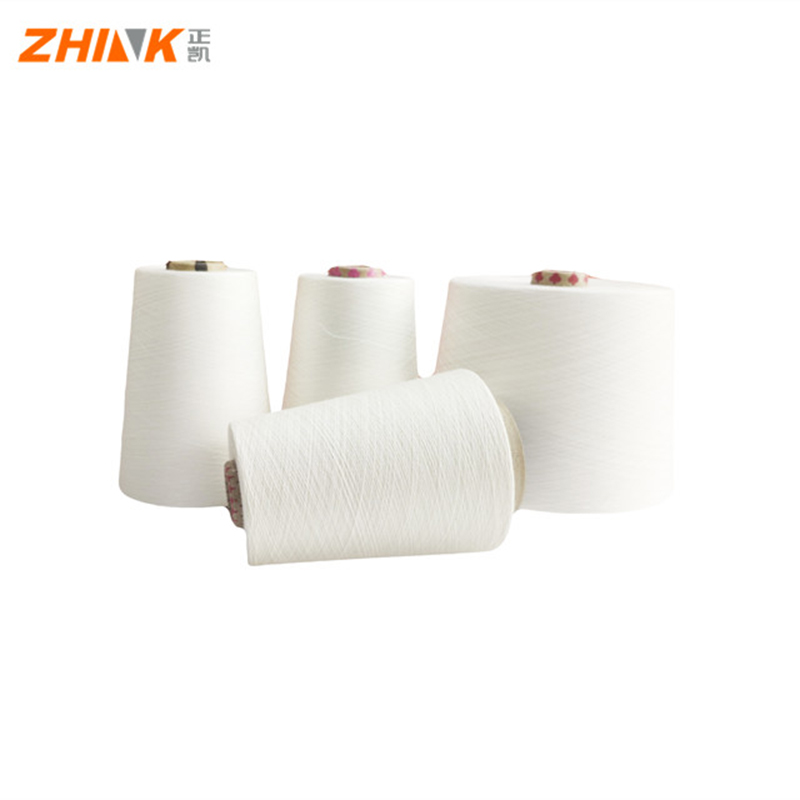
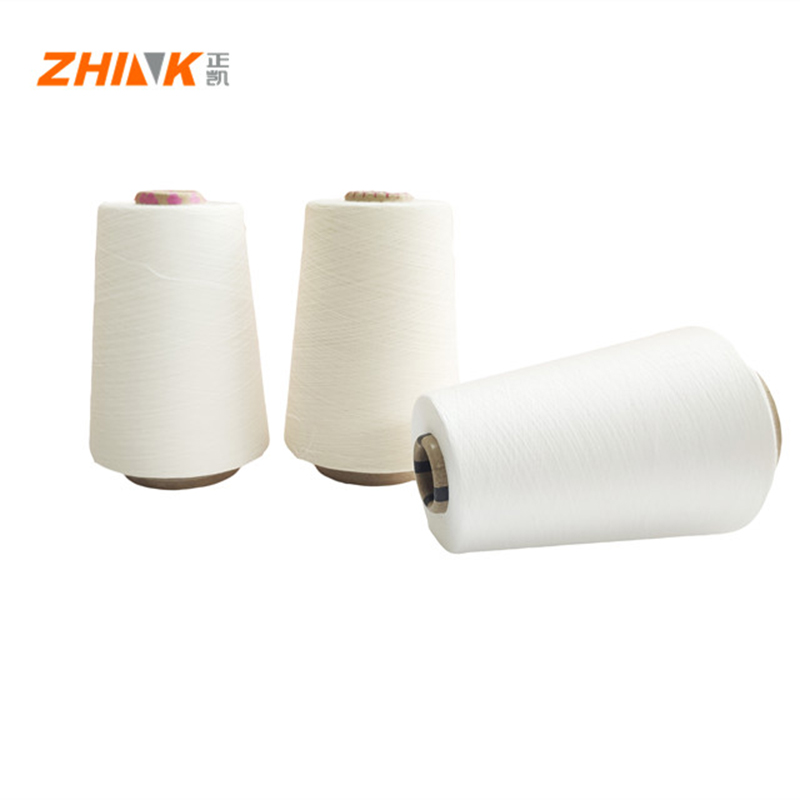
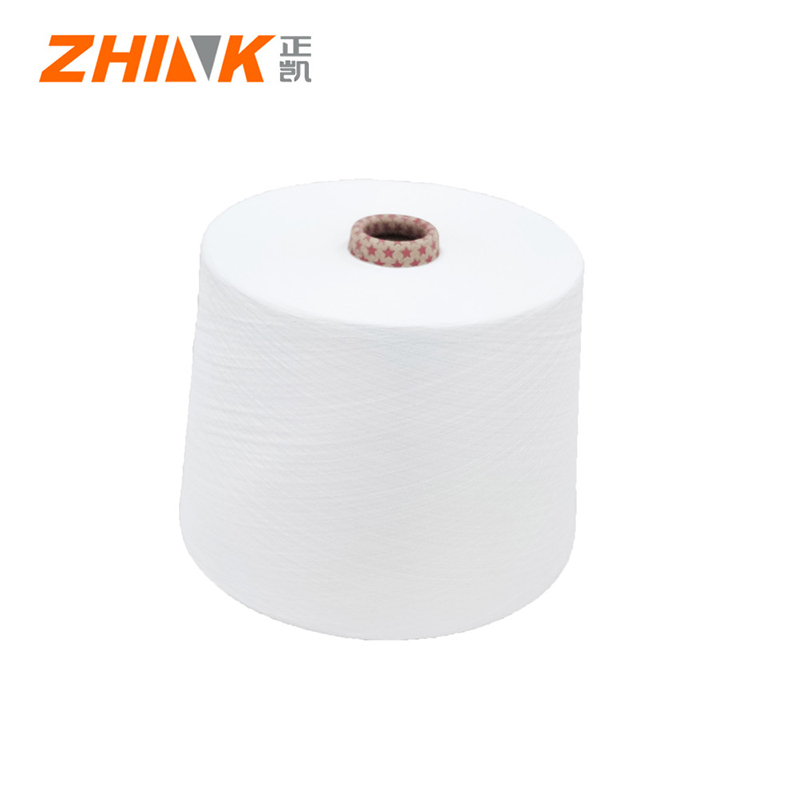
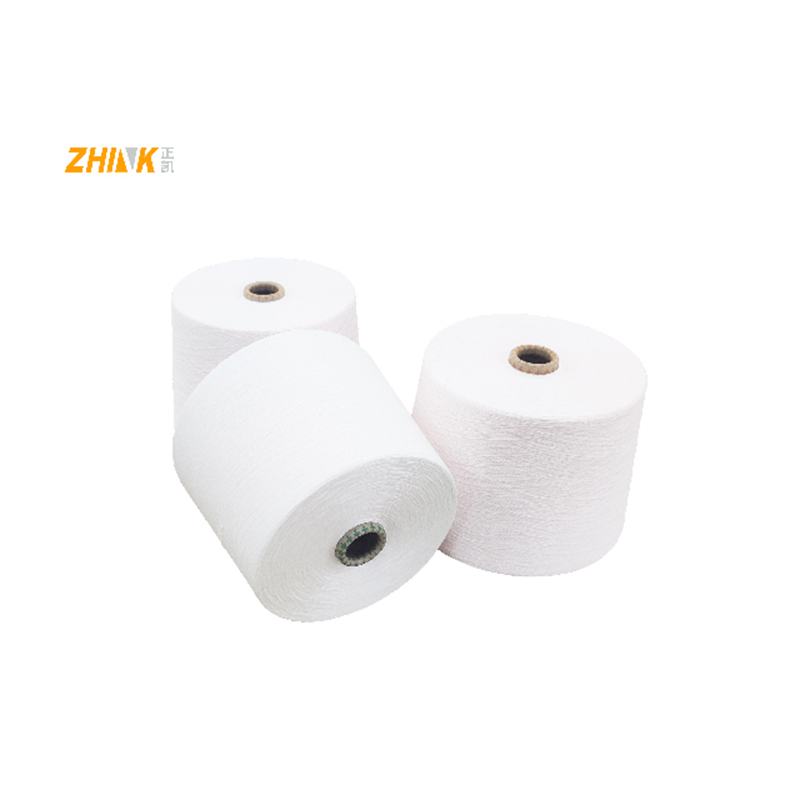
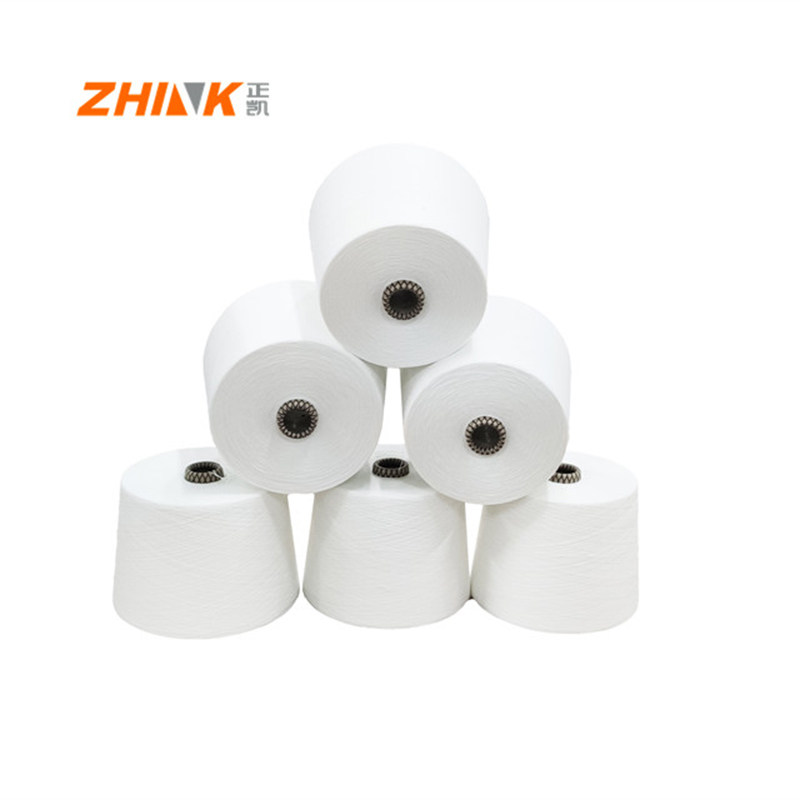
Lyocell blended yarn for weaving
The Art and Science of Lyocell Blended Yarn for Weaving
Lyocell blended yarn, often talked about without true familiarity, is both an artisan’s delight and a production challenge. Its softness and sustainability attract interest, but transforming these fibers into practical weaving solutions involves more than meets the eye. We venture into the nuanced world of Lyocell blends, shedding light on what it truly takes to work with such materials.
Understanding Lyocell's Unique Characteristics
Starting with the basics, lyocell blended yarn tends to throw newcomers with its fluidity and drape. Many assume it's a simple alternative to more mainstream fibers, but seasoned professionals know the unique tension it requires during weaving. This fiber, produced from cellulose, offers a natural feel that, when weaved, can either beautifully complement or create unforeseen setbacks.
One common oversight lies in its absorption properties. The ability of Lyocell to manage moisture is outstanding, but during weaving, this can lead to shrinkage and inconsistent tension if not controlled meticulously. Experience teaches us that adapting machine settings specifically for Lyocell saves time in post-production adjustments.
Another aspect worth noting is environmental control. The process thrives under stable humidity, as Lyocell's natural ability to interact with moisture in the air can alter its behavior on the loom. Here, patience and testing batches under varying conditions is key—a lesson learned through trial and multiple restarts.
The Role of Blending in Functionality
When choosing to blend, the choices are vast. Cotton, wool, and even synthetics like polyester are common partners for Lyocell. But why blend in the first place? At SHANDONG ZHINK NEW MATERIAL CO., LTD, found at https://www.zhinkyarn.com, the rationale goes beyond aesthetics. Blending can impart strength, reduce cost, and even alter dye uptake, each requiring its own approach.
Take cotton blends—a popular combination. The natural fibers complement each other in breathability, though tension settings can vary significantly due to their differing responses to humidity. Here, the skill is in synchronization, something Zhink New Material has explored extensively through its research-driven programs.
Polyester, on the other hand, adds resilience. It’s a blessing in disguise when it comes to reducing the natural wear downs that Lyocell is prone to. However, the slipperiness of polyester can make initial handling tricky, demanding adjustments in machine feed and careful monitoring.
Challenges and Missteps
Beginning with Lyocell blends is rarely straightforward. Beginners often encounter problems that seem minor but can escalate—like inconsistent dye uptake leading to patchiness. This is where seasoned hands have learned to pre-treat yarn before weaving, an essential step we sometimes skip in a hurry.
Another tricky affair is the finishing process. Lyocell demands a gentle touch, especially in settings involving steam or heat. Overzealous application can lead to weakening of yarn or changes in softness, a setback that can ruin entire batches if not appropriated early on.
With experience comes foresight. Mistakes in starting can offer the best lessons, reminding us to respect the quirks of these delicate fibers. Learnings from early failures at SHANDONG ZHINK NEW MATERIAL CO., LTD allowed us to refine our processes, making us more adept and thoughtful.
Successfully Weaving with Lyocell Blends
When we succeed, the results are worth the patience. The resulting fabric reflects not just the yarn’s potential, but the expertise behind its creation. At Zhink New Material, we treasure collaborative efforts and consider insights from unexpected sources as invaluable treasure.
Customer feedback has been instrumental. A designer's insight into fabric behavior in end-use scenarios informs the engineering behind our products, a step beyond the typical production cycle. This iterative process ensures adaptability and innovation.
Embracing Lyocell blends fuels a cycle of learning and development, one where each solution leads to a new possibility—ultimately feeding back into the expertise of our teams and the products we proudly create and deliver.
The Future of Lyocell in Textile Innovation
Looking forward, the conversation around Lyocell is growing within the textile industry, promising advances in both sustainable practices and product versatility. At SHANDONG ZHINK NEW MATERIAL CO., LTD, our ongoing R&D efforts are exploring new fibers and techniques, leveraging Lyocell’s strengths.
As environmental consciousness continues to shape consumer preferences, the demand for eco-friendly options expands. Lyocell naturally aligns with this movement, but success hinges on industry knowledge and innovation—a challenge we enthusiastically embrace.
From starting as an enigmatic material to becoming a staple in modern weaving, Lyocell has indeed charted a path filled with nuance and potential. Our ongoing journey at Zhink New Material inspires us to push boundaries while staying true to sustainable and quality-centric goals.
Related Products
Related Products