+86-632-3621866
- Chinese
- French
- German
- Portuguese
- Spanish
- Russian
- Japanese
- Korean
- Arabic
- Irish
- Greek
- Turkish
- Italian
- Danish
- Romanian
- Indonesian
- Czech
- Afrikaans
- Swedish
- Polish
- Basque
- Catalan
- Esperanto
- Hindi
- Lao
- Albanian
- Amharic
- Armenian
- Azerbaijani
- Belarusian
- Bengali
- Bosnian
- Bulgarian
- Cebuano
- Chichewa
- Corsican
- Croatian
- Dutch
- Estonian
- Filipino
- Finnish
- Frisian
- Galician
- Georgian
- Gujarati
- Haitian
- Hausa
- Hawaiian
- Hebrew
- Hmong
- Hungarian
- Icelandic
- Igbo
- Javanese
- Kannada
- Kazakh
- Khmer
- Kurdish
- Kyrgyz
- Latin
- Latvian
- Lithuanian
- Luxembou..
- Macedonian
- Malagasy
- Malay
- Malayalam
- Maltese
- Maori
- Marathi
- Mongolian
- Burmese
- Nepali
- Norwegian
- Pashto
- Persian
- Punjabi
- Serbian
- Sesotho
- Sinhala
- Slovak
- Slovenian
- Somali
- Samoan
- Scots Gaelic
- Shona
- Sindhi
- Sundanese
- Swahili
- Tajik
- Tamil
- Telugu
- Thai
- Ukrainian
- Urdu
- Uzbek
- Vietnamese
- Welsh
- Xhosa
- Yiddish
- Yoruba
- Zulu
- Kinyarwanda
- Tatar
- Oriya
- Turkmen
- Uyghur


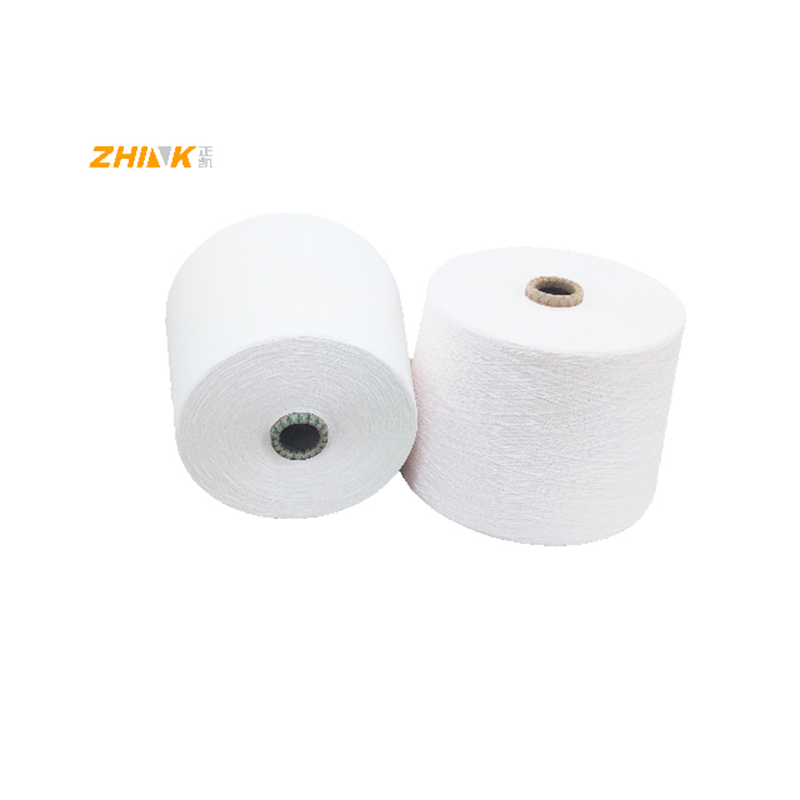
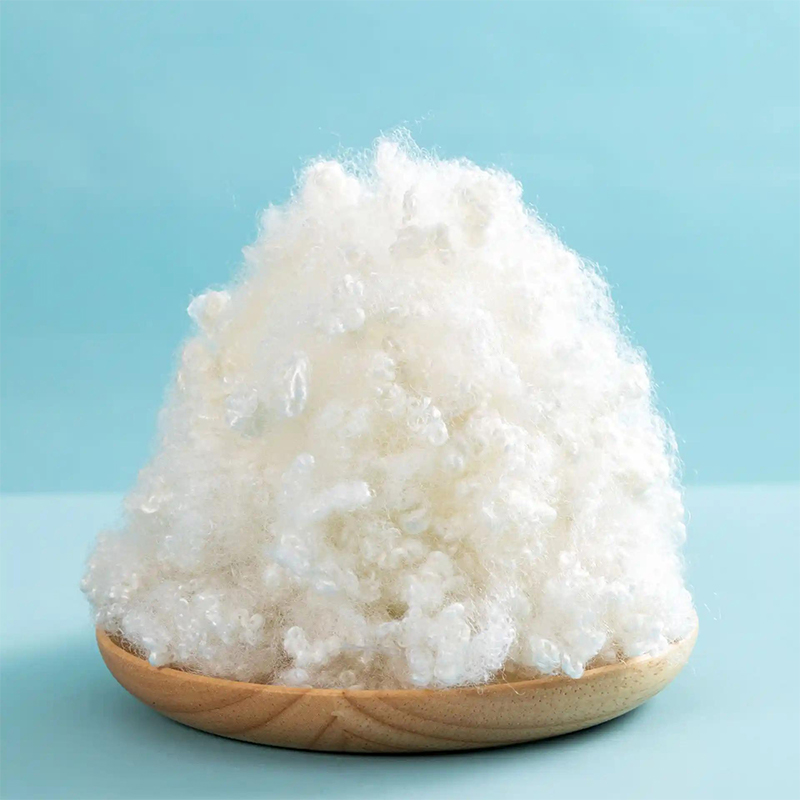
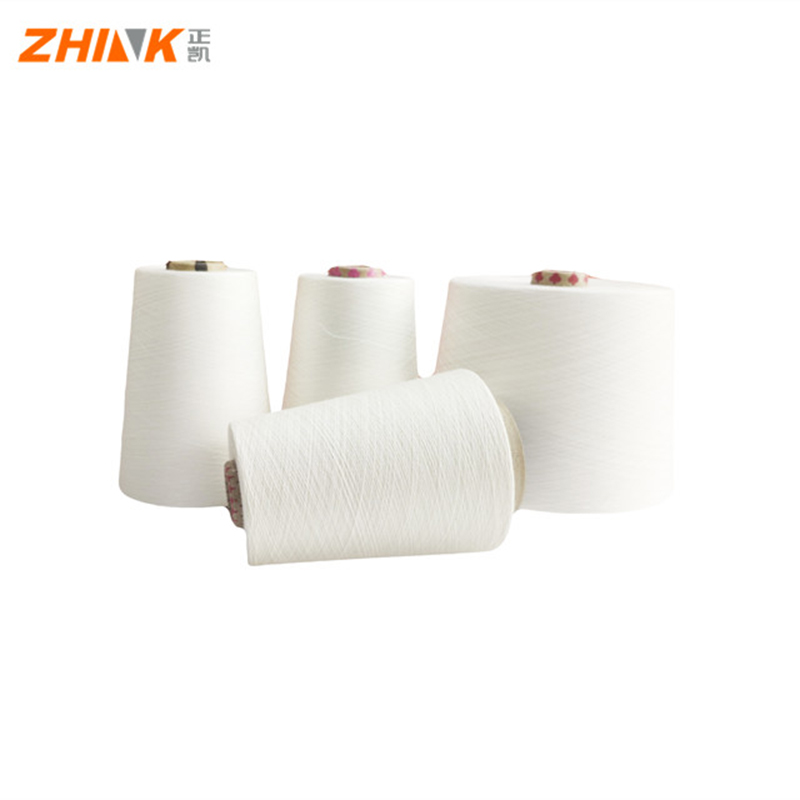
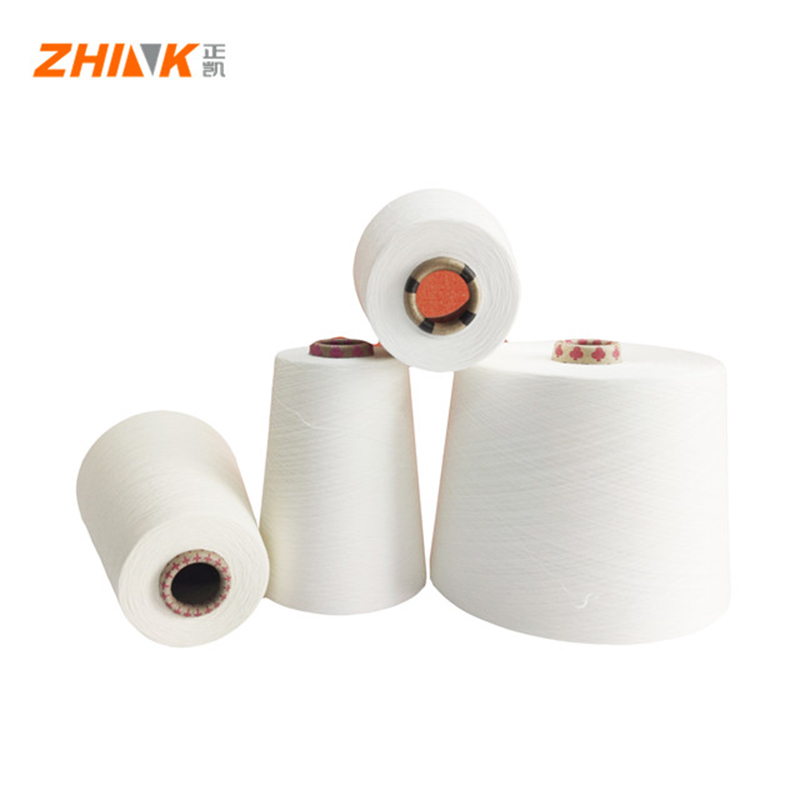
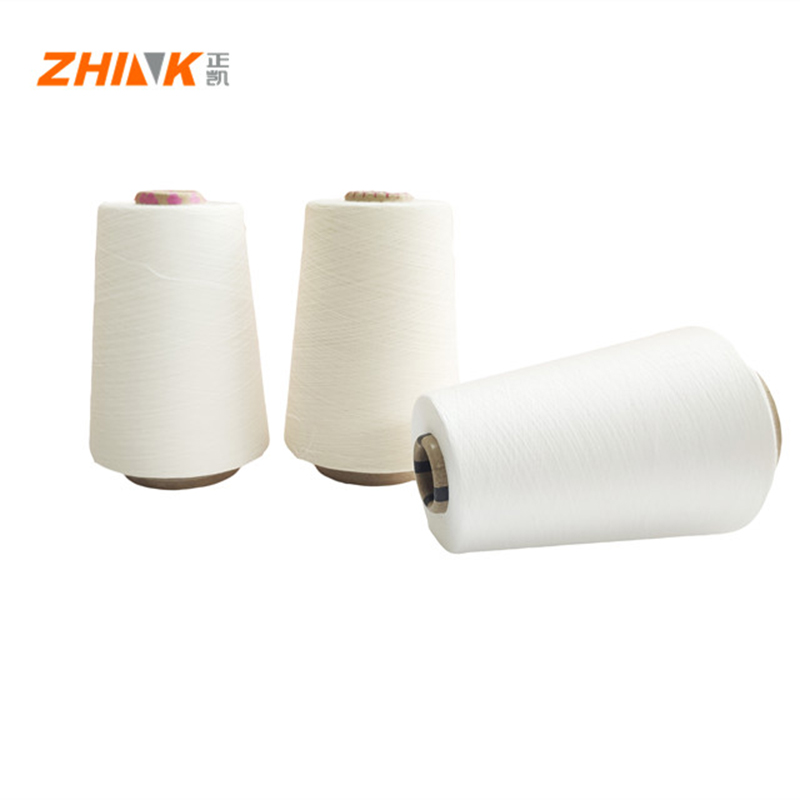
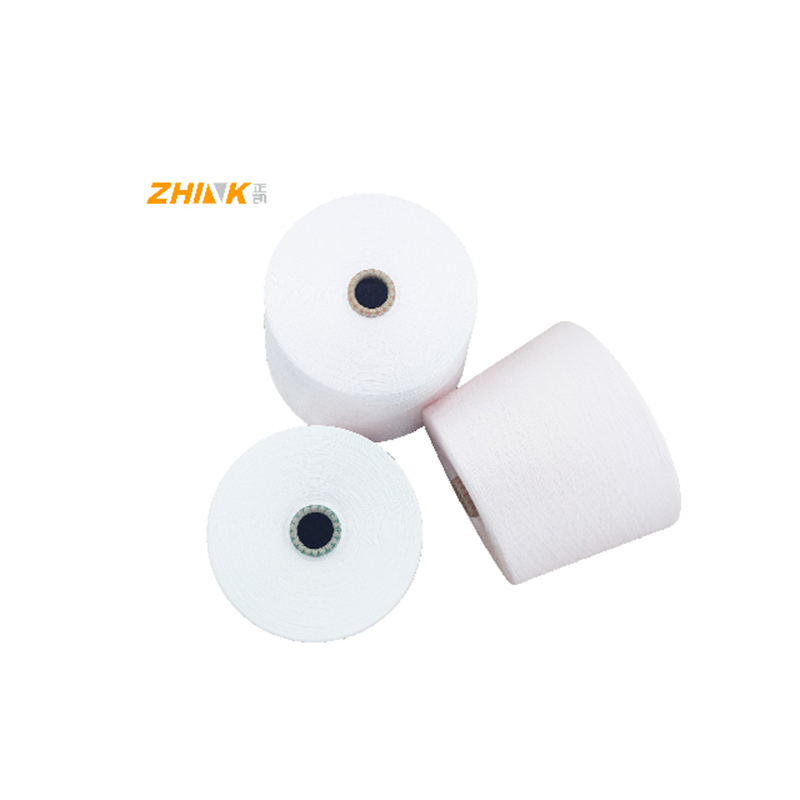
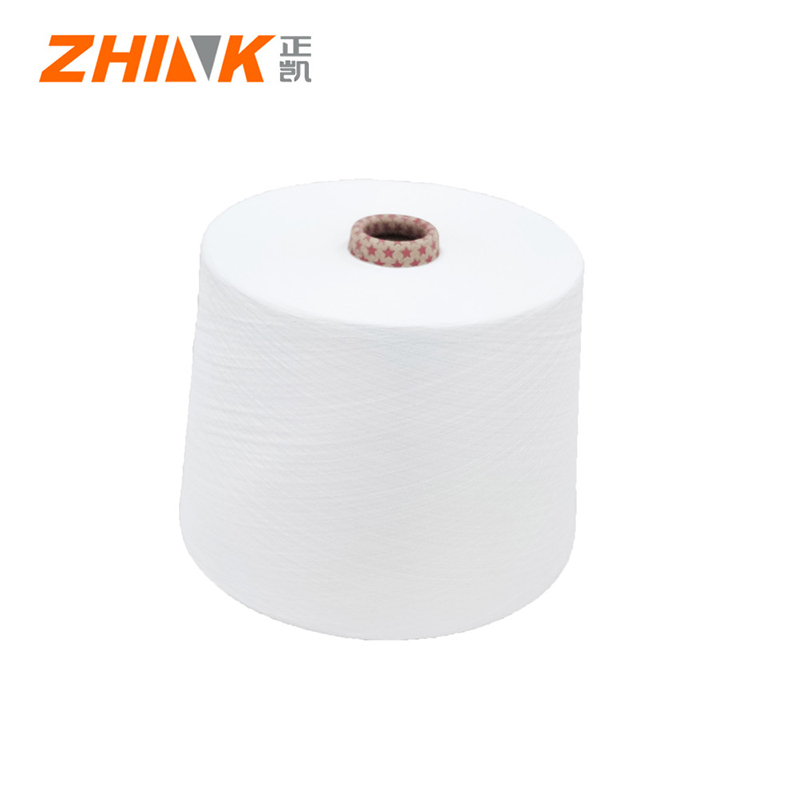
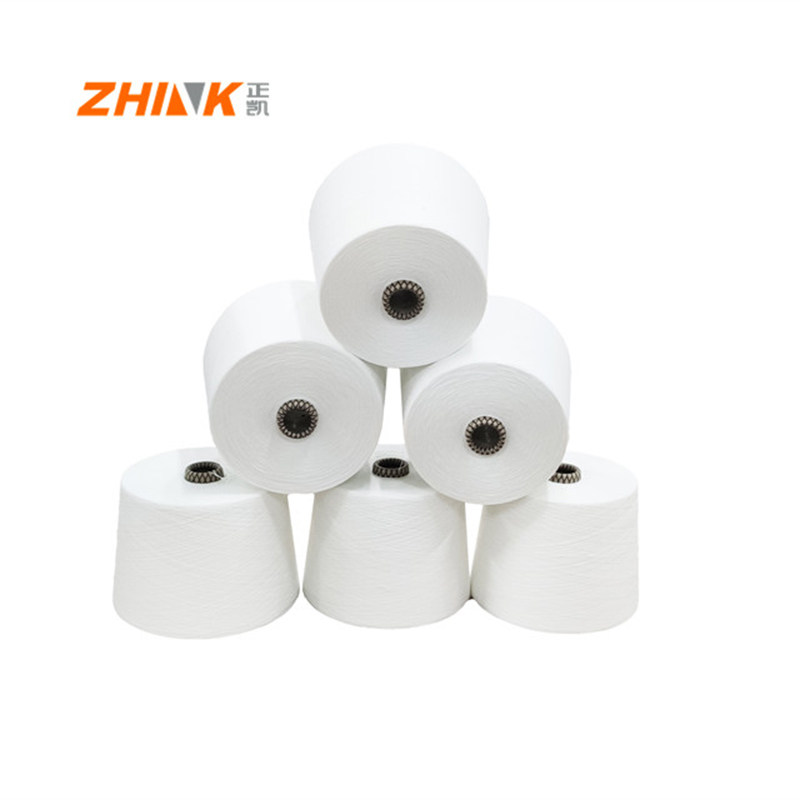
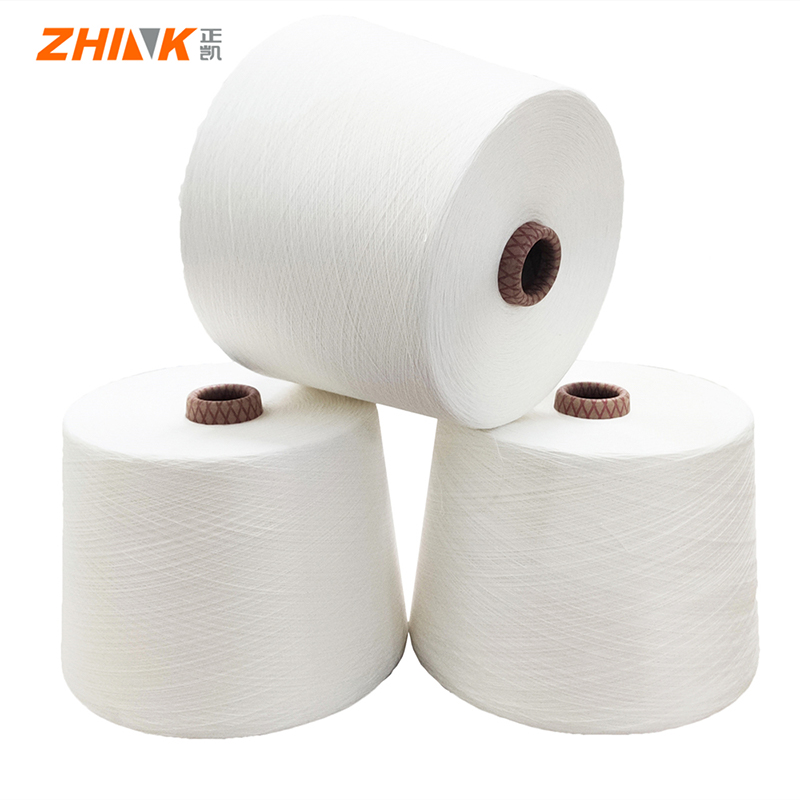
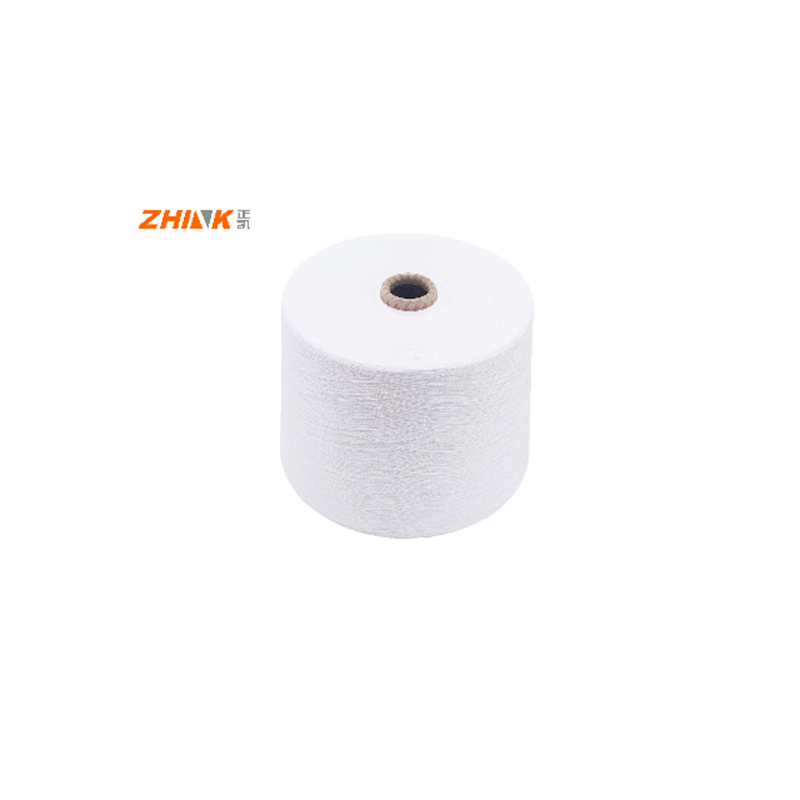
Lyocell fiber yarn
The Versatile World of Lyocell Fiber Yarn
When it comes to sustainable textiles, few materials are as intriguing as Lyocell fiber yarn. Known for its softness and environmental benefits, Lyocell has captured the attention of both industry insiders and consumers. But understanding its full potential requires a deeper dive into its production nuances and real-world applications.
Understanding Lyocell: More Than Just a Yarn
At first glance, Lyocell fiber yarn might seem like just another addition to the world of textiles. However, what sets it apart is its eco-friendly production process. Derived from wood pulp, typically from sustainably managed forests, Lyocell uses a closed-loop production method that recycles solvents and water. This is a game-changer compared to more traditional fibers like cotton or synthetics.
Lyocell's unique production confers several desirable properties. It’s incredibly soft and strong, making it ideal for a variety of applications from luxurious apparel to reliable home textiles. But the real clincher is its breathability and moisture-wicking properties, offering comfort in diverse climates.
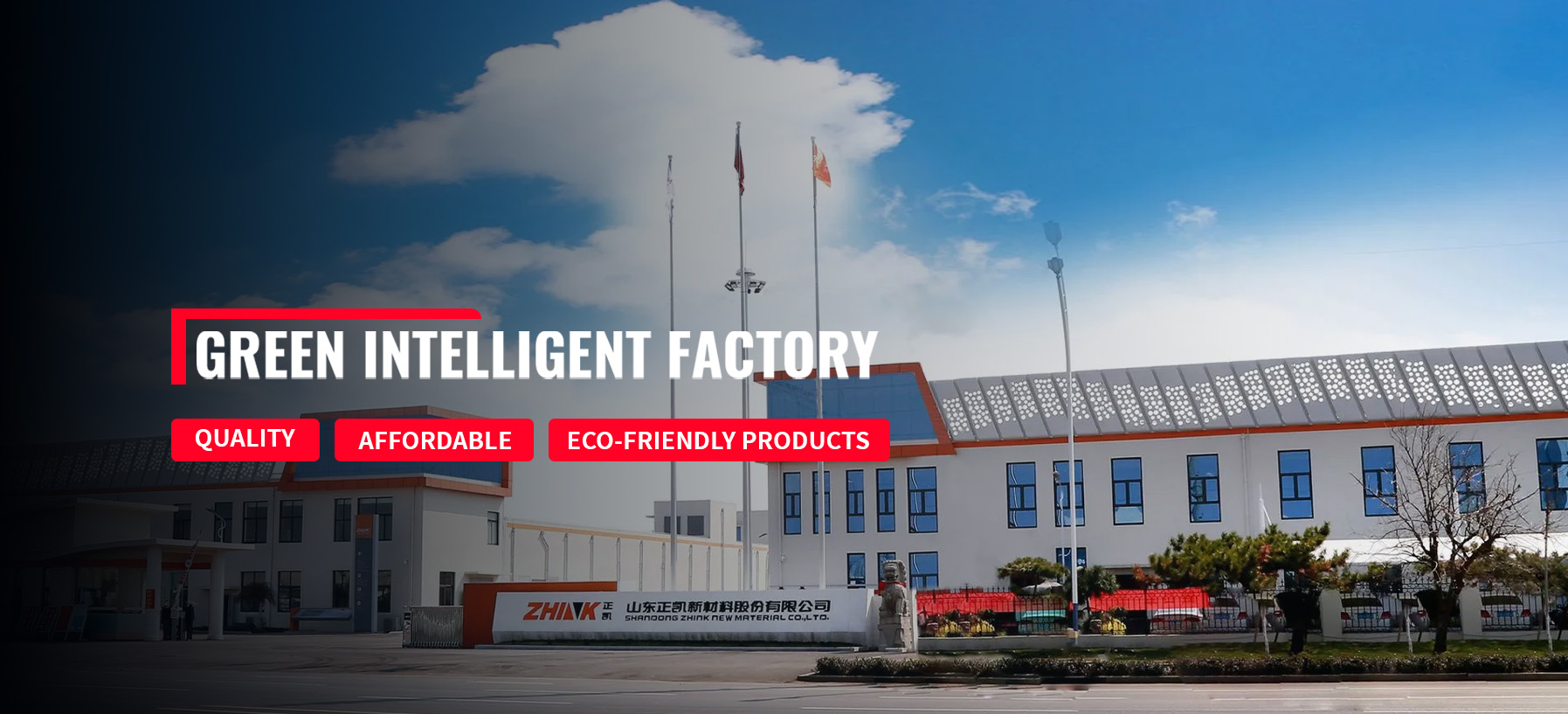
I recall a conversation with a colleague at SHANDONG ZHINK NEW MATERIAL CO., LTD, where we discussed the challenges of integrating new materials into existing production lines. Despite its advantages, adopting Lyocell requires some adjustment in handling and processing, especially in spinning the yarn to maintain its integrity and softness.
The Application Landscapes of Lyocell
One remarkable aspect of Lyocell fiber yarn is its versatility. It can be blended with other fibers to enhance their properties. For instance, combining Lyocell with cotton or wool can add breathability and reduce the environmental impact of the resultant fabric. As a supplier, Zhink New Material has seen increasing demand for these blends from fashion brands aiming for sustainable lines.
I often get inquiries about using Lyocell in sportswear. Its moisture management properties make it a top contender. During trials for a local activewear brand, we found that adding a small percentage of Lyocell improved comfort without sacrificing durability.
However, challenges do exist. Lyocell's smoothness can make dye adherence tricky, requiring specific considerations during the coloring process. For those in the fashion industry, understanding these nuances is crucial for maximizing the benefits of Lyocell.
Exploring the Environmental Edge
Environmental considerations are major drivers behind the rise of Lyocell fiber yarn. The solvent used in its production is non-toxic and fully recyclable, unlike the harsher chemicals employed for other fabrics. This aligns with modern eco-conscious movements, offering peace of mind to manufacturers and consumers alike.
One case study from Zhink New Material evidenced a 50% reduction in water usage when compared to conventional methods with no sacrifice in quality. This statistic often surprises clients, highlighting the potential for Lyocell to revolutionize textile sustainability.
Yet, promoting Lyocell purely on its environmental merit can be short-sighted. It's essential to complement this with discussions around its tactile benefits and functional applications to fully capture its value proposition.
Market Dynamics and Consumer Perceptions
In introducing Lyocell fiber yarn to new markets, understanding consumer perception is key. Many consumers still equate price with quality, often overlooking Lyocell's superior properties because of its relatively recent introduction.
Educating the market is a slow but rewarding journey. Workshops hosted by Zhink New Material, available through our website at ZHINKYARN.COM, often emphasize Lyocell’s long-term benefits. These sessions have proven effective, with attendees reporting increased confidence in specifying Lyocell for their products.
Real-world feedback underlines that while consumers initially buy for sustainability, they remain loyal because of the comfort and durability that Lyocell promises. This dual appeal is what makes it a growing staple in the textile landscape.
The Challenges and Future of Lyocell
Despite its advantages, Lyocell fiber yarn faces hurdles. From cost implications to logistical challenges in sourcing sustainable wood pulp, manufacturers must navigate a complex landscape. Zhink New Material, for instance, continuously invests in R&D to streamline processes and reduce costs without compromising quality.
As we look to the future, innovations in blending Lyocell with other fibers hold promise. Cross-industry collaborations could unlock new possibilities, enhancing textile performance even further.
The succinct takeaway for anyone in the industry: Lyocell isn't just a fleeting trend; it's a robust solution to many of the textile challenges we face today. Embracing its potential can lead to more sustainable, efficient, and innovative textile production.
Related Products
Related Products