+86-632-3621866
- Chinese
- French
- German
- Portuguese
- Spanish
- Russian
- Japanese
- Korean
- Arabic
- Irish
- Greek
- Turkish
- Italian
- Danish
- Romanian
- Indonesian
- Czech
- Afrikaans
- Swedish
- Polish
- Basque
- Catalan
- Esperanto
- Hindi
- Lao
- Albanian
- Amharic
- Armenian
- Azerbaijani
- Belarusian
- Bengali
- Bosnian
- Bulgarian
- Cebuano
- Chichewa
- Corsican
- Croatian
- Dutch
- Estonian
- Filipino
- Finnish
- Frisian
- Galician
- Georgian
- Gujarati
- Haitian
- Hausa
- Hawaiian
- Hebrew
- Hmong
- Hungarian
- Icelandic
- Igbo
- Javanese
- Kannada
- Kazakh
- Khmer
- Kurdish
- Kyrgyz
- Latin
- Latvian
- Lithuanian
- Luxembou..
- Macedonian
- Malagasy
- Malay
- Malayalam
- Maltese
- Maori
- Marathi
- Mongolian
- Burmese
- Nepali
- Norwegian
- Pashto
- Persian
- Punjabi
- Serbian
- Sesotho
- Sinhala
- Slovak
- Slovenian
- Somali
- Samoan
- Scots Gaelic
- Shona
- Sindhi
- Sundanese
- Swahili
- Tajik
- Tamil
- Telugu
- Thai
- Ukrainian
- Urdu
- Uzbek
- Vietnamese
- Welsh
- Xhosa
- Yiddish
- Yoruba
- Zulu
- Kinyarwanda
- Tatar
- Oriya
- Turkmen
- Uyghur



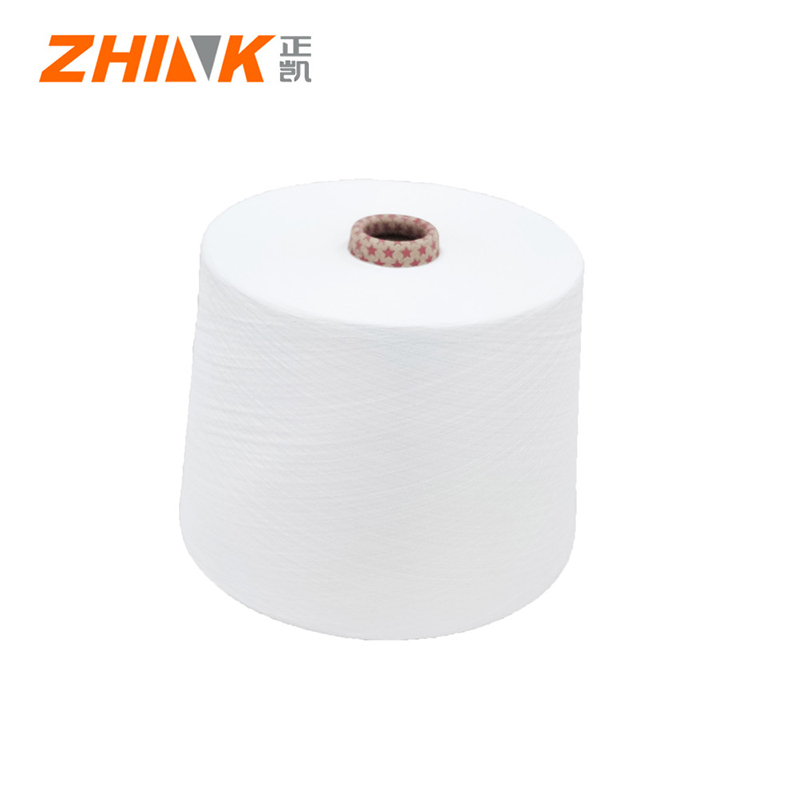
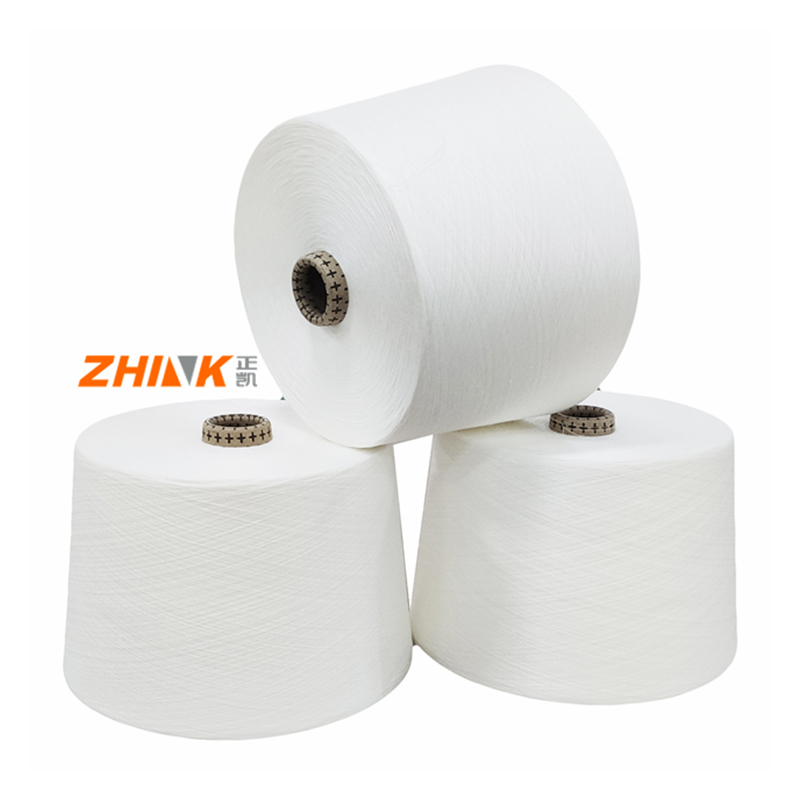
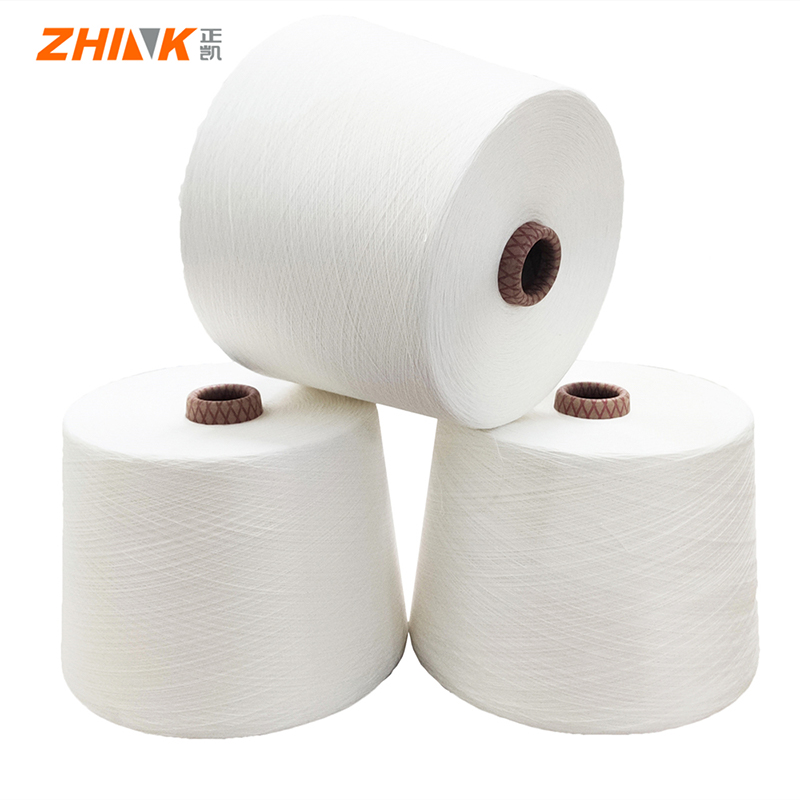
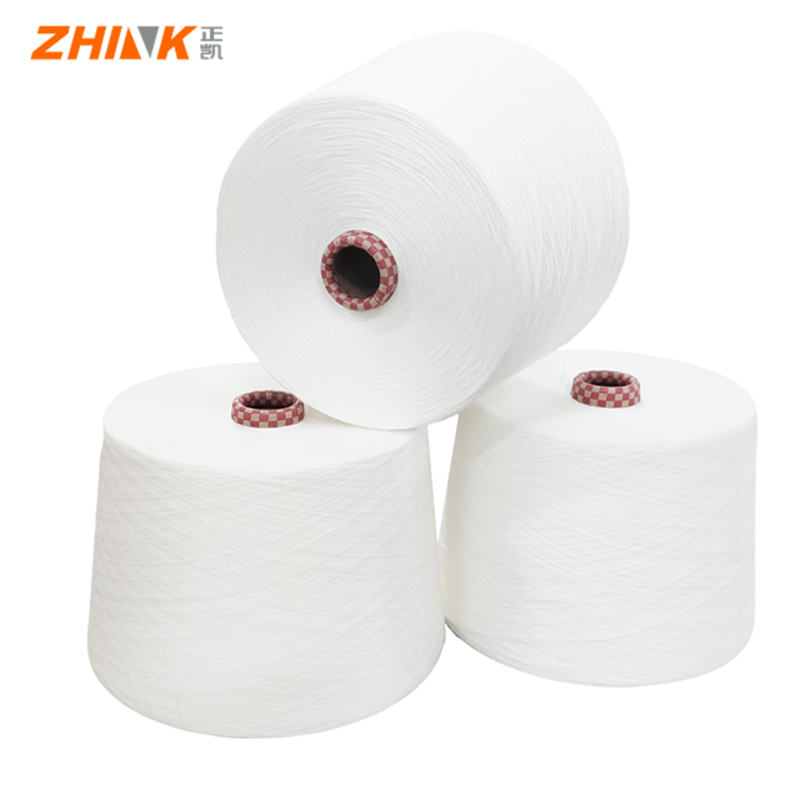
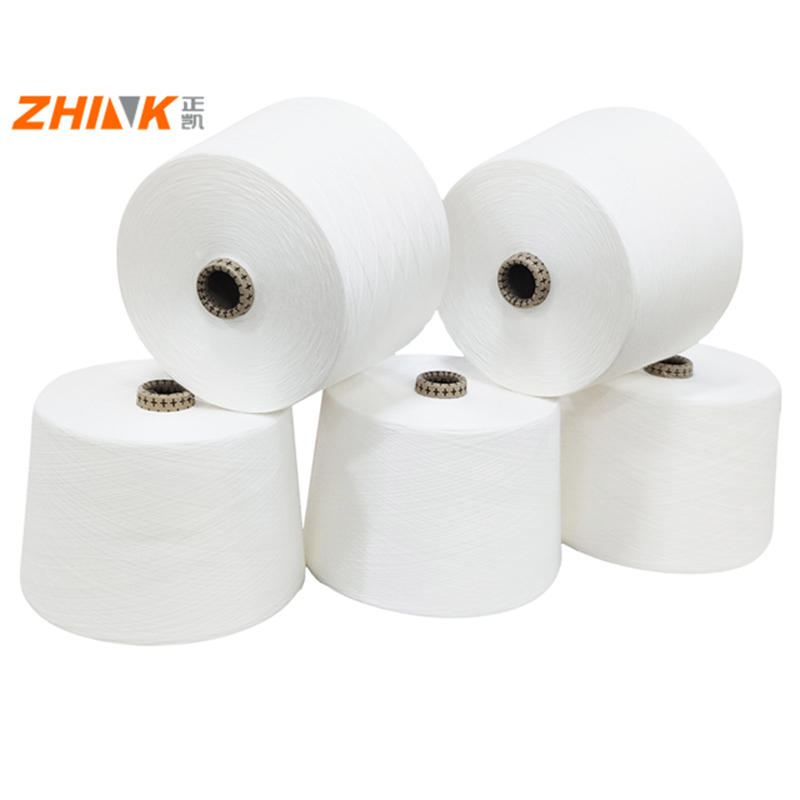
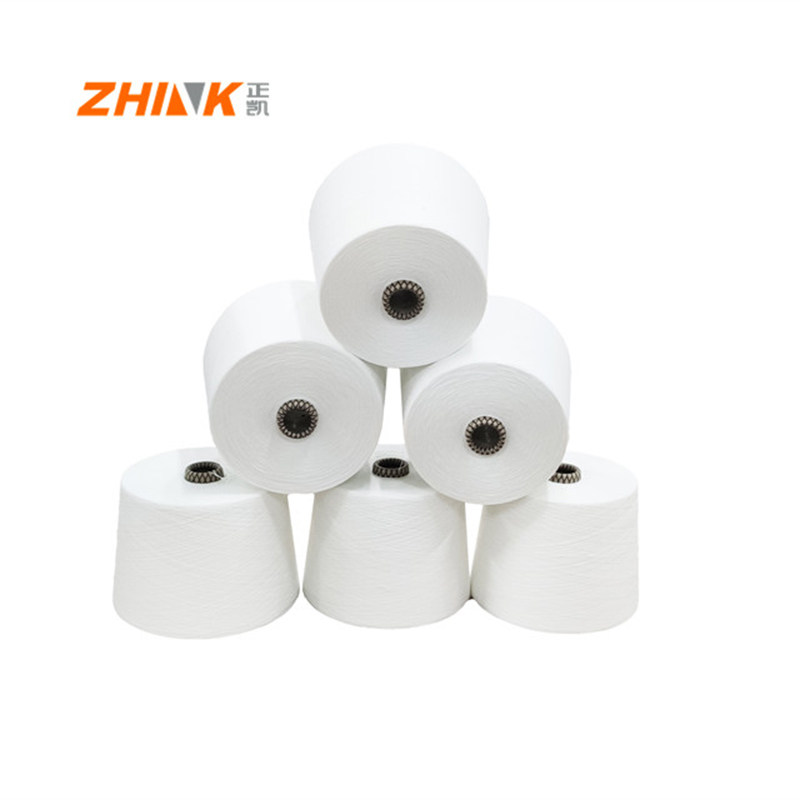
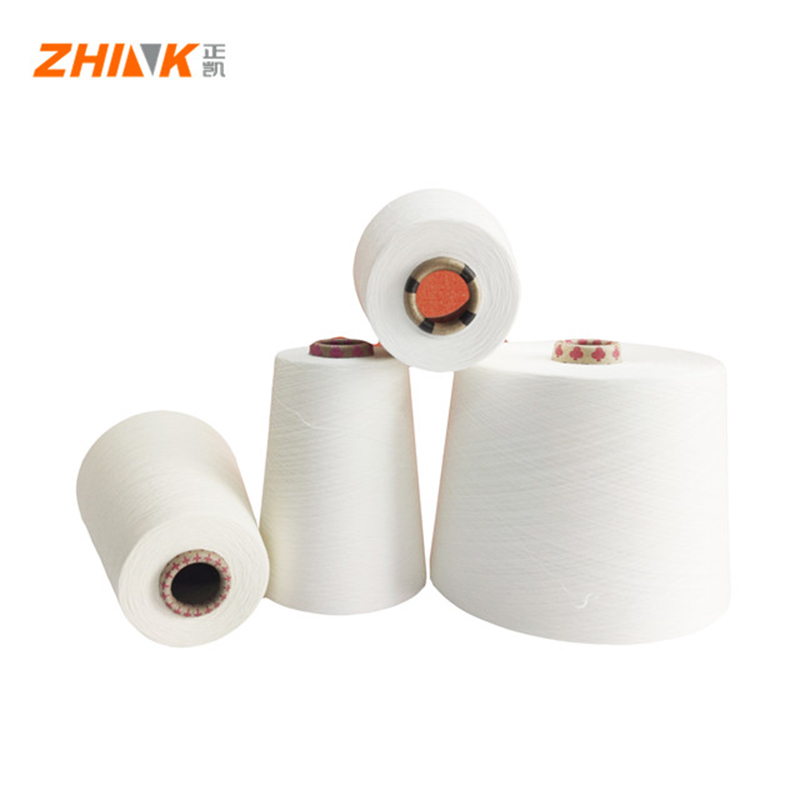
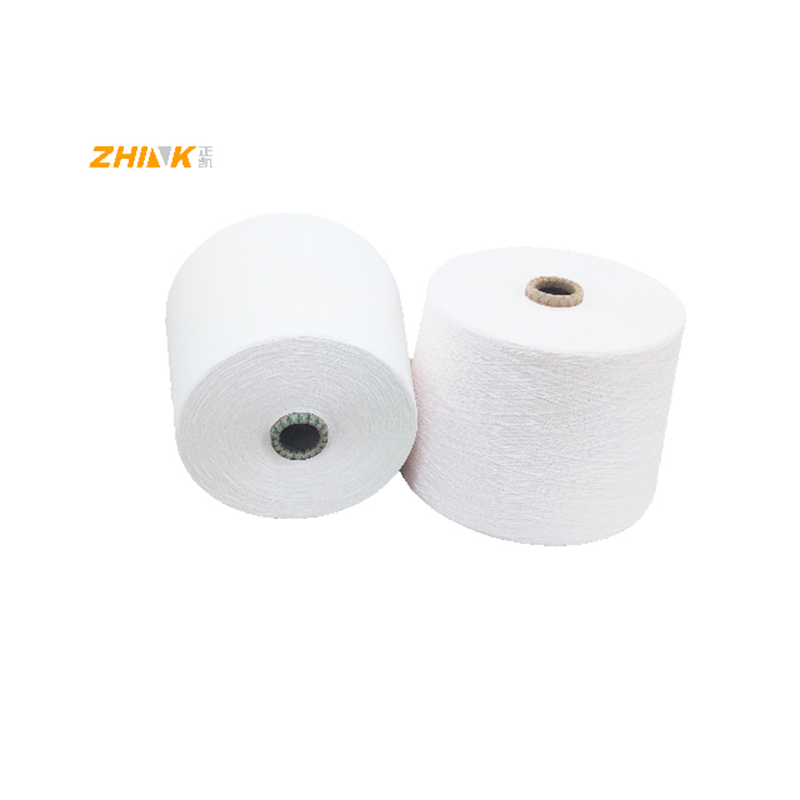
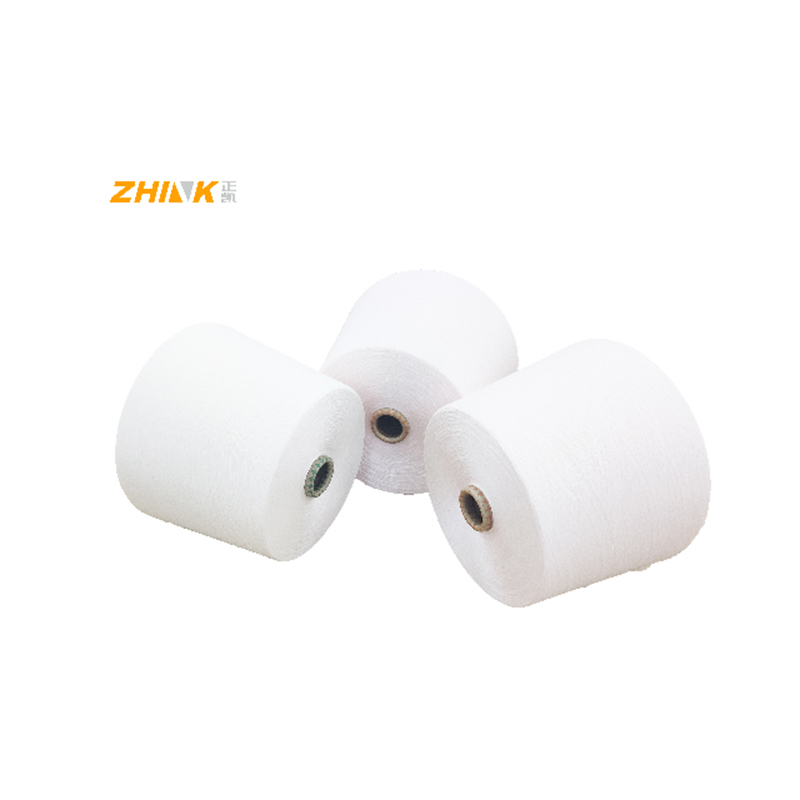
lyocell/linen 85/15 40S slub yarn
The Complex Charm of Lyocell/Linen 85/15 40S Slub Yarn
If you're in the textile industry, you know the appeal of blending lyocell and linen in 85/15 compositions, especially in the popular 40S slub yarn. It's intriguing how these fibers interact, yet misconceptions abound about their durability and feel.
Understanding the Blend: Lyocell and Linen
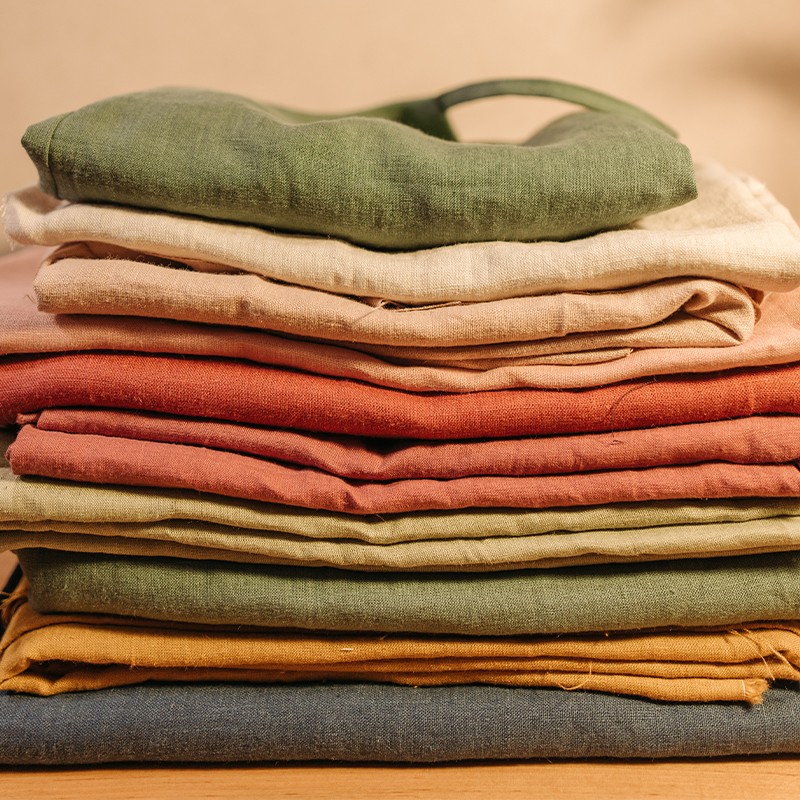
When working with lyocell and linen, the first notion to clarify is that they aren't just swapped for any project. Lyocell, known for its eco-friendly profile, combined with linen’s crispness, brings an entirely new texture. Slub yarn, with its characteristic thick and thin appearance, adds another layer of complexity because the variation affects dye uptake and the final visual effect.
In my experience, the blend's breathability often surprises clients. They expect the softness of lyocell but overlook linen's contribution to structure and drape. This disregard can lead to picking the wrong fabric for the intended garment style. In one project I managed, a designer initially hesitated to use the blend for summer dresses but was amazed by its cooling performance during trials.
Moreover, working with this yarn involves some technical nuances, especially in weaving and knitting. The tension needs careful management to maintain the slub character without sacrificing the fabric’s integrity. A small misstep can cause uneven fabric performance and wear over time.
The Craft of Producing 40S Slub Yarn
Manufacturing this specific type of yarn is not an easy feat. Places like SHANDONG ZHINK NEW MATERIAL CO., LTD, which offers extensive expertise in producing innovative textile materials, are often at the forefront of developing such unique blends. Their website at zhinkyarn.com offers a glimpse into the detailed processes involved.
What makes the 40S slub yarn special is its slub effect, created by varying the yarn's twist. This technique needs precision, experience, and a touch of artistry. Mistakes in creating slubs can result in seams that won't line up or fabrics that pull awkwardly during wear.
One challenge during production is ensuring consistency. With Zhink’s advanced research and development, they have successfully addressed these challenges, maintaining both visual appeal and functional quality. These are non-negotiable in the industry when producing ready-to-wear collections.
Applications and Market Trends
It's fascinating to see where this yarn ends up. From high fashion to sustainable collections, its versatility is increasingly valued. Sustainable brands are especially drawn to this blend due to lyocell’s environmentally friendly properties without entirely sacrificing the rugged appeal of linen.
Market trends show a rise in demand among upscale fashion houses, embracing this blend for unique textures that ordinary yarns can't achieve. It's become a hallmark in modern, casual luxury pieces targeting environmentally conscious consumers.
In one consultation with a sustainable fashion brand, they remarked that consumers loved the authenticity and feel that 40S slub yarn brought to their products. It aligns with current movements toward natural aesthetics and ethical production, providing real proof that quality doesn’t have to be compromised for sustainability.
Technical Challenges and Solutions
Handling the fabric post-production also has its hurdles. The slub texture, while aesthetically appealing, can complicate the dyeing process. The key is in choosing dyes and finishing techniques that complement the inherent texture rather than obscure it. It took a few missteps in early projects to realize this.
Furthermore, sewing this fabric demands skill. Seams can pucker if not handled properly, so choosing the right needles and stitch types is crucial. Many garment makers prefer a lockstitch for its strength, but the precision in tension is where expertise comes in.
Collaborations with Zhink have often highlighted these practical aspects, as they incorporate feedback from production teams to refine techniques continuously. Keeping the dialogue open during production ensures that improvements align with actual industry needs.
A Future with Lyocell/Linen Blends
Looking ahead, the potential for Lyocell/Linen blends in various applications seems expansive. As the industry leans more into sustainable practices, demand for materials like lyocell will likely increase, and with it, the refinement of its blends with other fibers.
Emerging technologies in textile production hint at even more innovative uses for slub yarns. From advanced 3D weaving to responsive textiles, the sector is on the brink of a transformative phase that could redefine fabric interaction. It’s an exciting time for those willing to experiment and innovate.
Ultimately, this yarn blend's charm lies in its complexity. The production challenges, the technical demands, and the remarkable end-product make it more than just a blend of fibers—it’s an opportunity for creativity in textile design.
Related Products
Related Products