+86-632-3621866
- Chinese
- French
- German
- Portuguese
- Spanish
- Russian
- Japanese
- Korean
- Arabic
- Irish
- Greek
- Turkish
- Italian
- Danish
- Romanian
- Indonesian
- Czech
- Afrikaans
- Swedish
- Polish
- Basque
- Catalan
- Esperanto
- Hindi
- Lao
- Albanian
- Amharic
- Armenian
- Azerbaijani
- Belarusian
- Bengali
- Bosnian
- Bulgarian
- Cebuano
- Chichewa
- Corsican
- Croatian
- Dutch
- Estonian
- Filipino
- Finnish
- Frisian
- Galician
- Georgian
- Gujarati
- Haitian
- Hausa
- Hawaiian
- Hebrew
- Hmong
- Hungarian
- Icelandic
- Igbo
- Javanese
- Kannada
- Kazakh
- Khmer
- Kurdish
- Kyrgyz
- Latin
- Latvian
- Lithuanian
- Luxembou..
- Macedonian
- Malagasy
- Malay
- Malayalam
- Maltese
- Maori
- Marathi
- Mongolian
- Burmese
- Nepali
- Norwegian
- Pashto
- Persian
- Punjabi
- Serbian
- Sesotho
- Sinhala
- Slovak
- Slovenian
- Somali
- Samoan
- Scots Gaelic
- Shona
- Sindhi
- Sundanese
- Swahili
- Tajik
- Tamil
- Telugu
- Thai
- Ukrainian
- Urdu
- Uzbek
- Vietnamese
- Welsh
- Xhosa
- Yiddish
- Yoruba
- Zulu
- Kinyarwanda
- Tatar
- Oriya
- Turkmen
- Uyghur


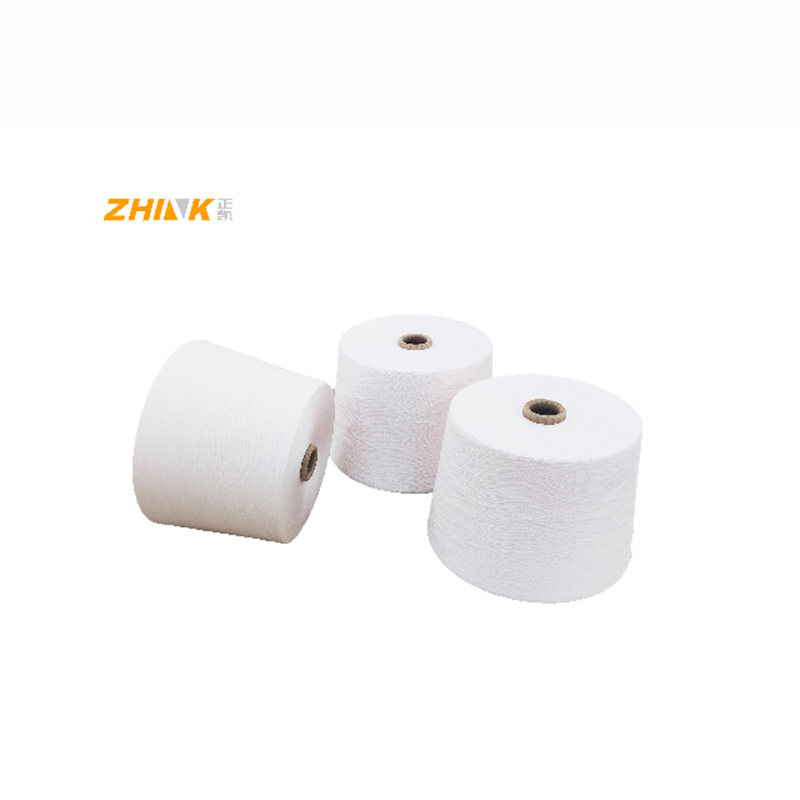
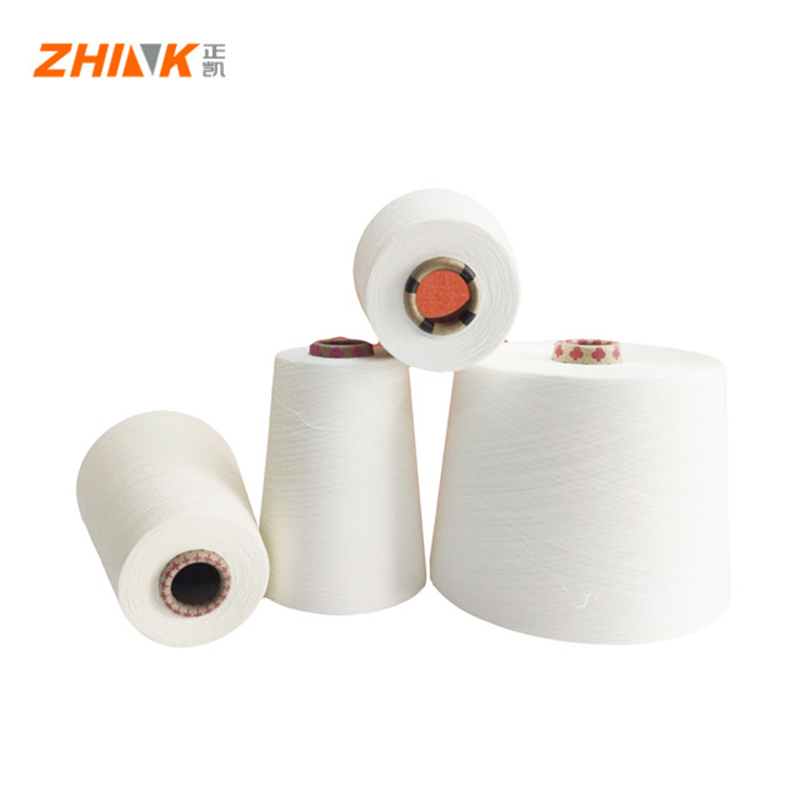
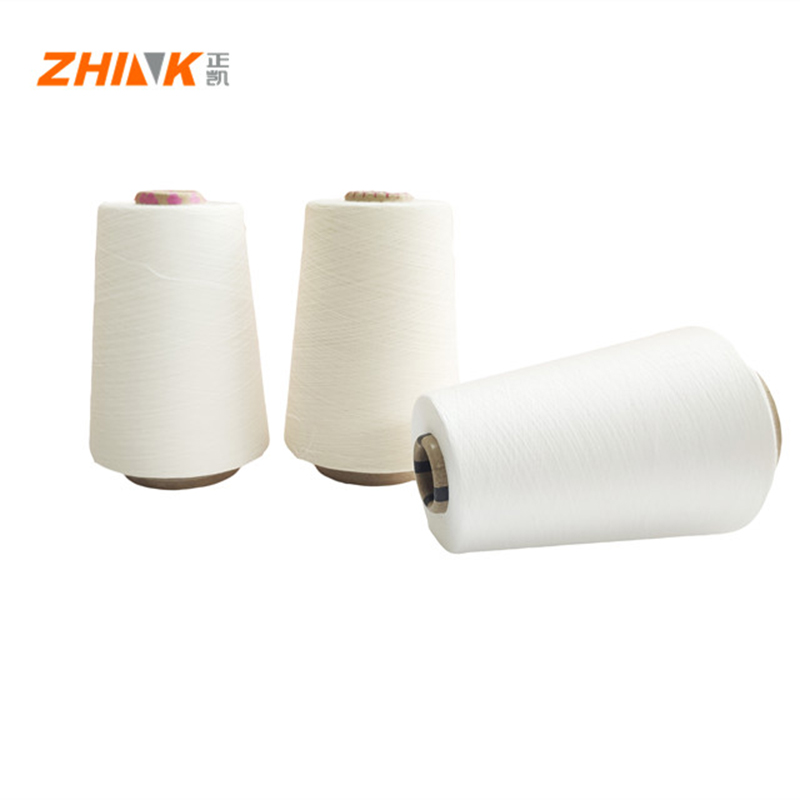
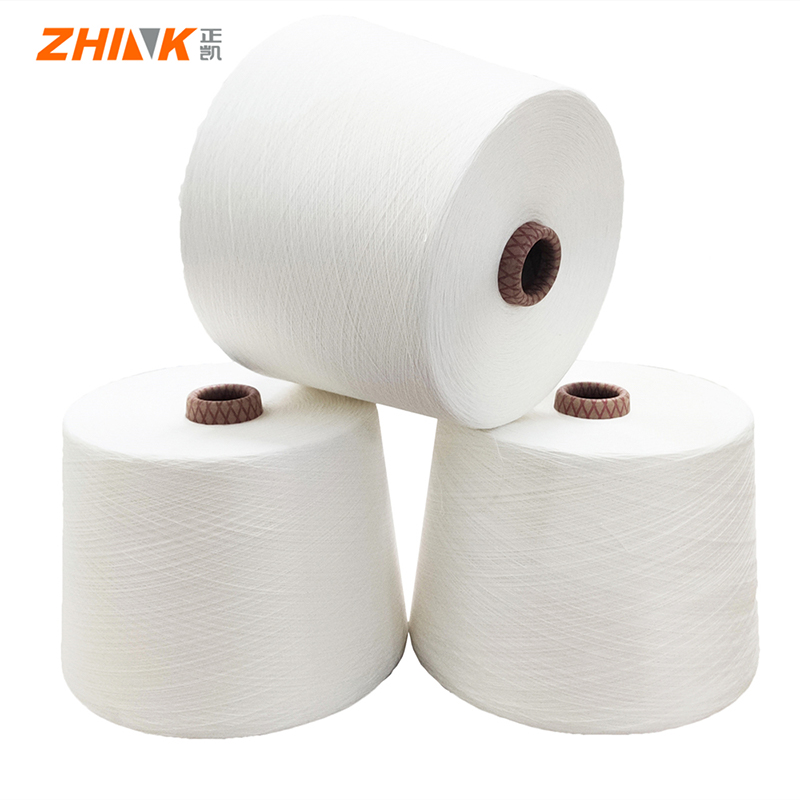
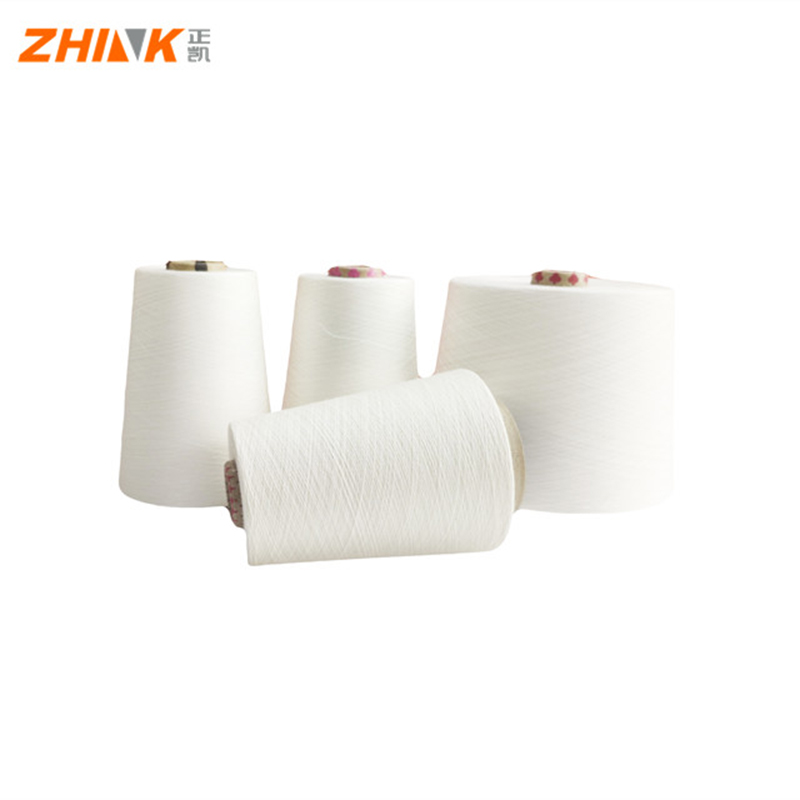
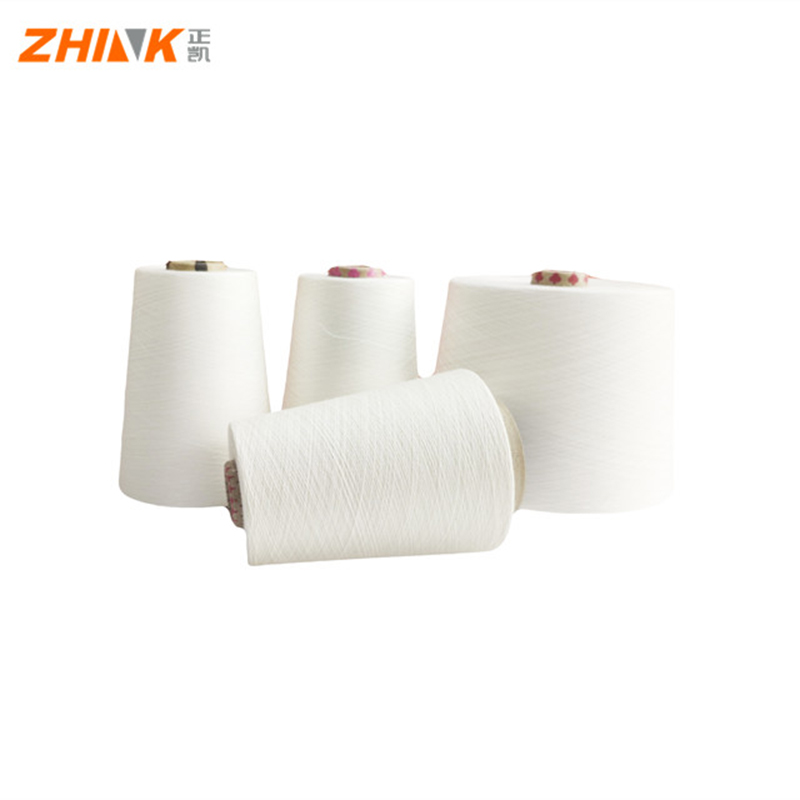
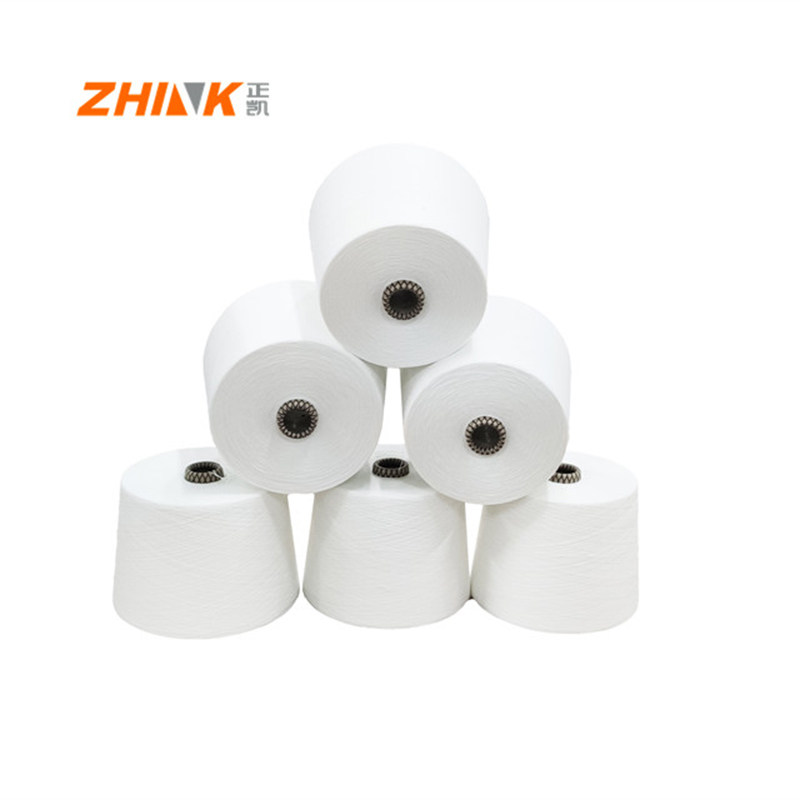
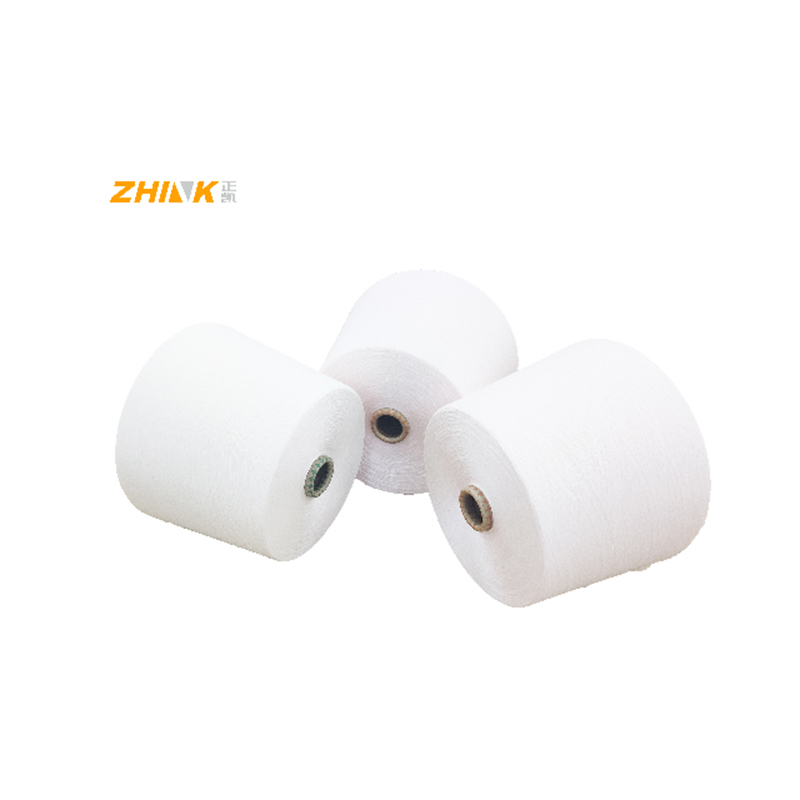
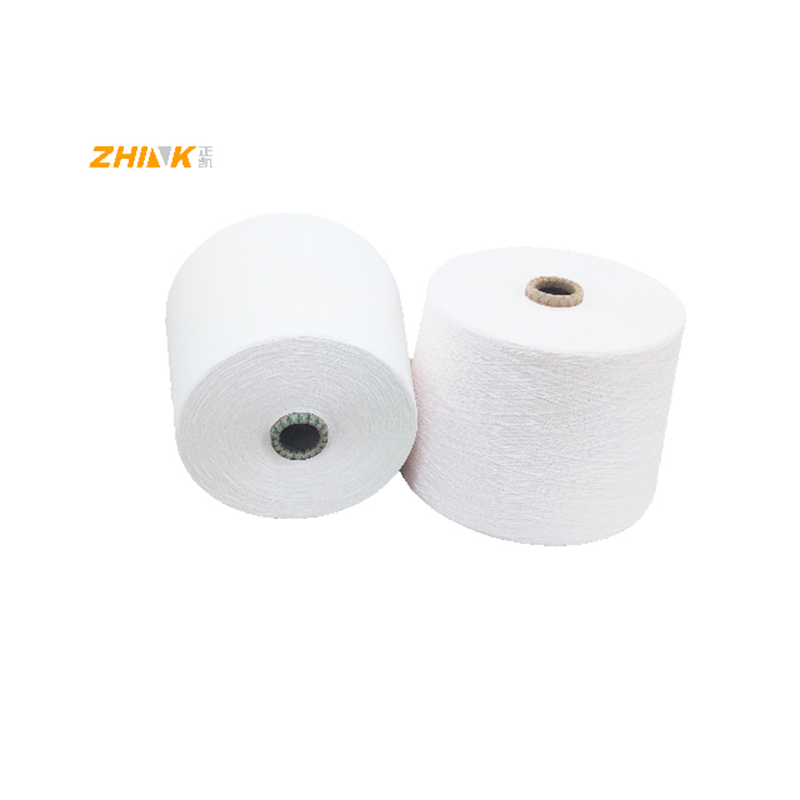
Lyocell short fiber yarn
The Versatile World of Lyocell Short Fiber Yarn
Lyocell short fiber yarn is an intriguing player in the textile industry, often celebrated for its sustainability and versatility. However, navigating its characteristics and applications can be puzzling. Let's dig into its nuances, explore industry experiences, and unravel both the potential and challenges that come with its use.
Understanding Lyocell Short Fiber Yarn
When you first encounter Lyocell short fiber yarn, it might seem like any other textile material. But those who've worked with it know it's anything but typical. Unlike synthetic yarns, Lyocell is derived from wood pulp through a closed-loop process, which means it's both eco-friendly and remarkably soft. That's great in theory, but translating that into practical use isn't always straightforward.
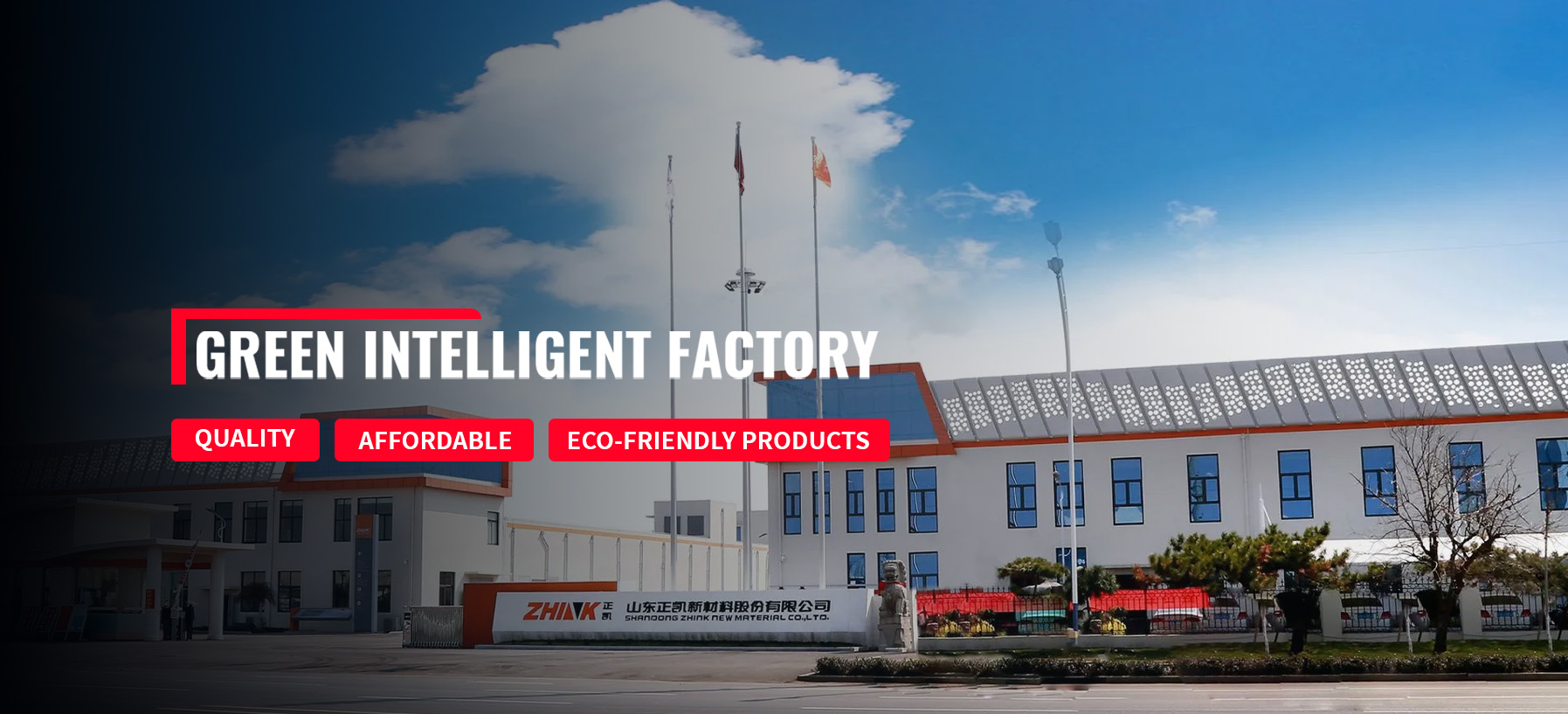
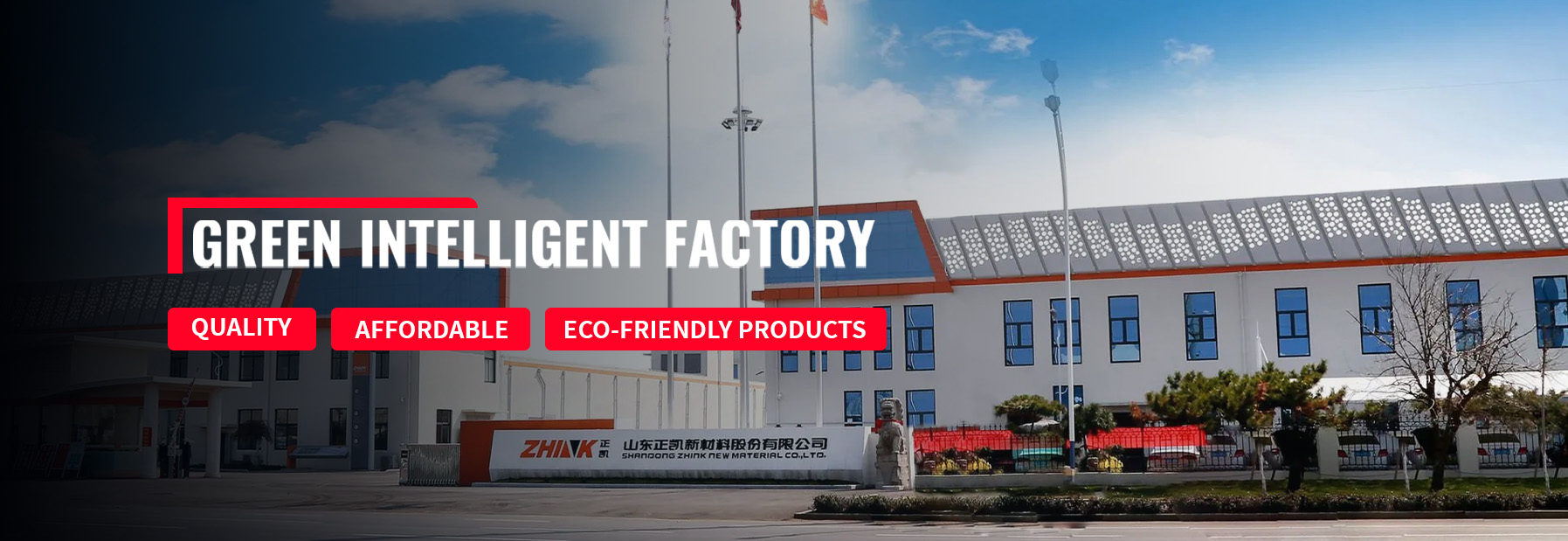
In my early experiences, I quickly learned the significance of fiber length. While short fibers give the yarn a unique texture, they can also present challenges during spinning. The properties of the yarn largely depend on the balance of these fibers, leading to varied tensile strength and elasticity. Having the right machinery and expertise, such as that provided by SHANDONG ZHINK NEW MATERIAL CO., LTD, can make a world of difference.
At Zhink, they focus on innovation and practicality, which helps tackle these issues by leveraging advanced production techniques. Their approach is a testament to the importance of the company's dedication to R&D in new textile materials.
The Challenges of Manufacturing
Manufacturing Lyocell short fiber yarn isn't devoid of hurdles. One common issue is ensuring consistency in fiber blend, which is crucial for quality control. I've heard of cases where slight variations in raw materials or process settings can lead to noticeable differences in the final product. This is where technology and skilled personnel come into play.
At SHANDONG ZHINK NEW MATERIAL CO., LTD, their commitment to precision is reflected in their specialized equipment and skilled workforce. They employ techniques that allow for a high degree of control over fiber alignment and tension throughout the spinning process. As challenging as it may seem, proper management of these variables is key to achieving a consistent product.
Another tricky aspect is handling customer expectations. Many are enamored by the sustainability aspect but sometimes overlook the technical demands. It's a balancing act to educate and deliver simultaneously, ensuring the end-users appreciate both the environmental benefits and the material's capabilities.
Applications in Fashion and Beyond
The versatility of Lyocell short fiber yarn shines in its applications. From clothing to home textiles, its soft and breathable characteristics are a hit. I remember a designer friend marveling at how well the yarn drapes, lending a luxurious feel without the hefty price tag of silk.
However, garment-making isn't its only arena. I've seen companies like Zhink innovate beyond traditional uses, exploring technical textiles that benefit from its strength-to-weight ratio. This innovation opens doors to applications in sportswear and even industrial sectors.
That being said, successful adoption often requires robust collaborations. At times, designers might dismiss the yarn based on misconceptions or past experiences with other viscose materials. It's crucial to ensure a bridge between manufacturing capabilities and design potential, something that organizations like Zhink actively cultivate.
The Environmental Impact
No discussion of Lyocell short fiber yarn can ignore its environmental footprint—or rather, its surprisingly small one. Lyocell is often lauded in sustainability discussions thanks to its closed-loop process, which significantly reduces waste. However, taking it at face value without understanding the full production cycle could be misleading.
In practice, the sustainability of these yarns depends heavily on sourcing and manufacturing diligence. At SHANDONG ZHINK NEW MATERIAL CO., LTD, they are keenly aware of this, ensuring that each step meets stringent environmental standards. They leverage technology to minimize water use and chemicals in production, setting a benchmark for others in the field.
Yet, it's important to remain vigilant. As demand grows, so does the temptation to cut corners. Experienced industry players know that maintaining eco-credentials means constant scrutiny and innovation, areas where Zhink New Material excels.
Future Prospects and Industry Trends
Looking to the future, Lyocell short fiber yarn holds promising potential within the growing eco-conscious consumer base. Textile markets are pivoting towards greener solutions, and this yarn fits perfectly into that narrative. However, the path forward isn't without its share of challenges and opportunities for growth.
The key lies in continuous innovation and addressing market needs. Companies like SHANDONG ZHINK NEW MATERIAL CO., LTD are at the forefront, not just adapting to changes but actively shaping them. Their ongoing research and development push the boundaries of what's possible with Lyocell, ensuring they're well-positioned as market dynamics shift.
Ultimately, understanding and leveraging Lyocell's full potential requires an embrace of its complex characteristics and a commitment to sustainable practice—something both consumers and producers are increasingly valuing. As this space evolves, those with a willingness to adapt and learn will likely thrive.
Related Products
Related Products