+86-632-3621866
- Chinese
- French
- German
- Portuguese
- Spanish
- Russian
- Japanese
- Korean
- Arabic
- Irish
- Greek
- Turkish
- Italian
- Danish
- Romanian
- Indonesian
- Czech
- Afrikaans
- Swedish
- Polish
- Basque
- Catalan
- Esperanto
- Hindi
- Lao
- Albanian
- Amharic
- Armenian
- Azerbaijani
- Belarusian
- Bengali
- Bosnian
- Bulgarian
- Cebuano
- Chichewa
- Corsican
- Croatian
- Dutch
- Estonian
- Filipino
- Finnish
- Frisian
- Galician
- Georgian
- Gujarati
- Haitian
- Hausa
- Hawaiian
- Hebrew
- Hmong
- Hungarian
- Icelandic
- Igbo
- Javanese
- Kannada
- Kazakh
- Khmer
- Kurdish
- Kyrgyz
- Latin
- Latvian
- Lithuanian
- Luxembou..
- Macedonian
- Malagasy
- Malay
- Malayalam
- Maltese
- Maori
- Marathi
- Mongolian
- Burmese
- Nepali
- Norwegian
- Pashto
- Persian
- Punjabi
- Serbian
- Sesotho
- Sinhala
- Slovak
- Slovenian
- Somali
- Samoan
- Scots Gaelic
- Shona
- Sindhi
- Sundanese
- Swahili
- Tajik
- Tamil
- Telugu
- Thai
- Ukrainian
- Urdu
- Uzbek
- Vietnamese
- Welsh
- Xhosa
- Yiddish
- Yoruba
- Zulu
- Kinyarwanda
- Tatar
- Oriya
- Turkmen
- Uyghur


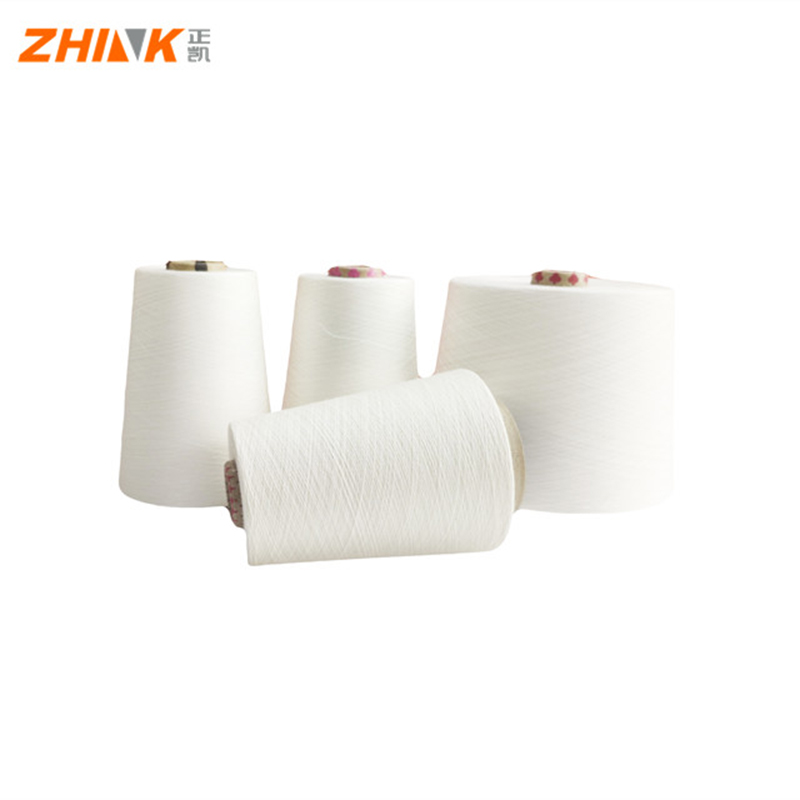
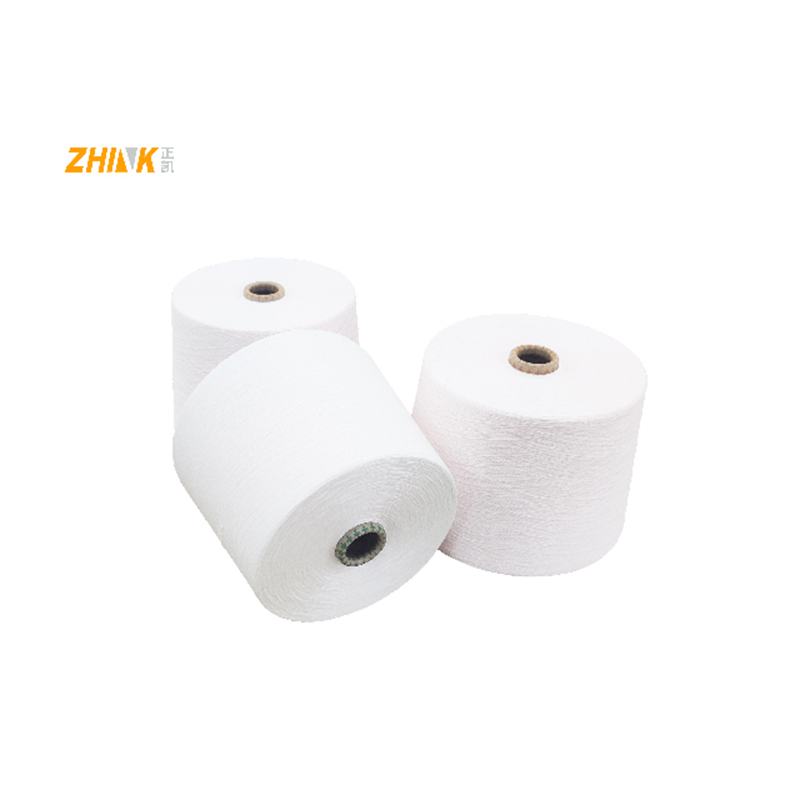
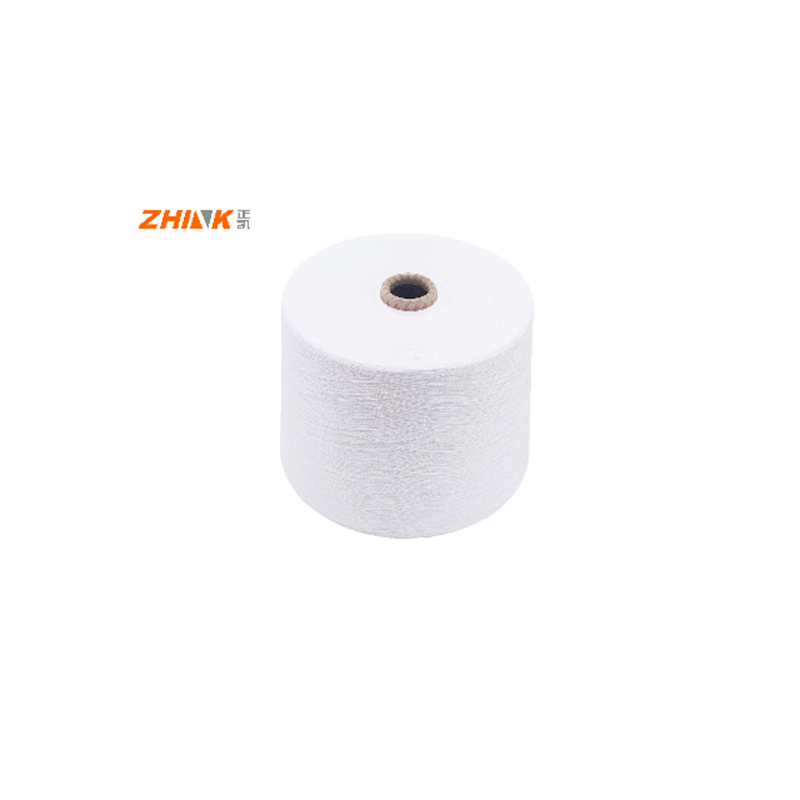
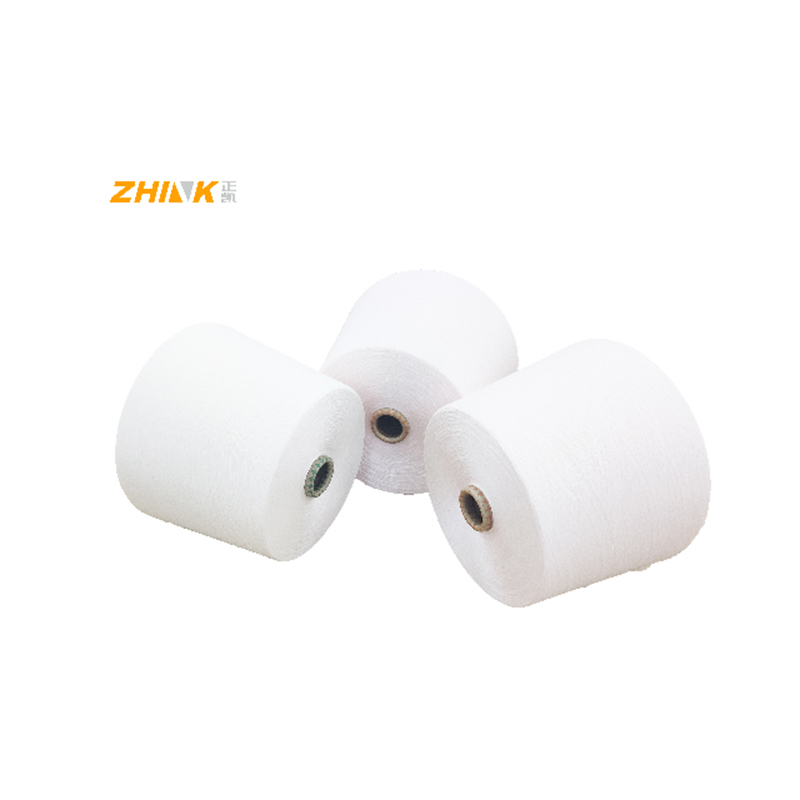
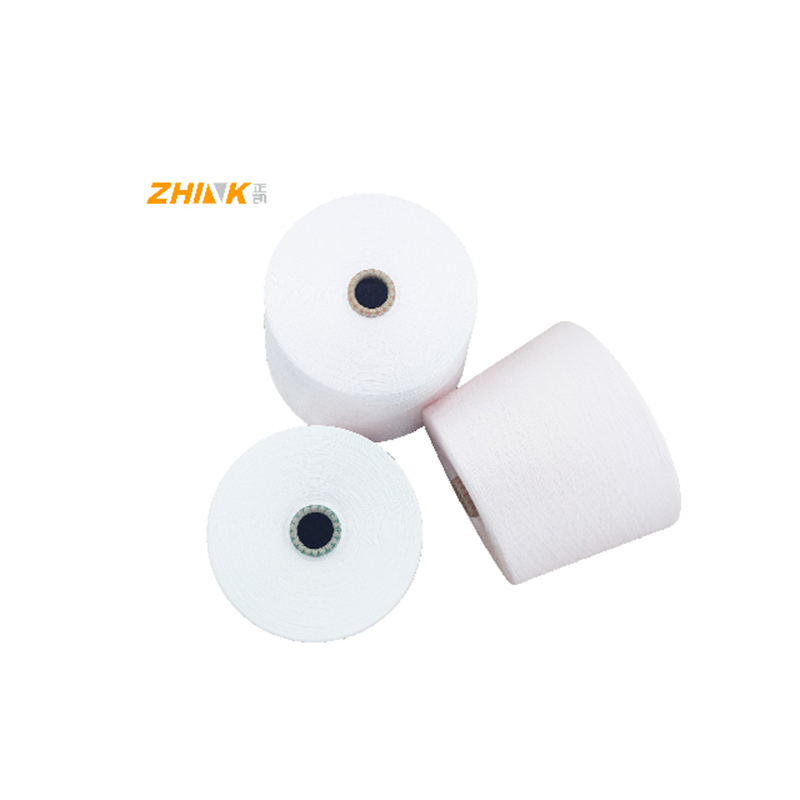
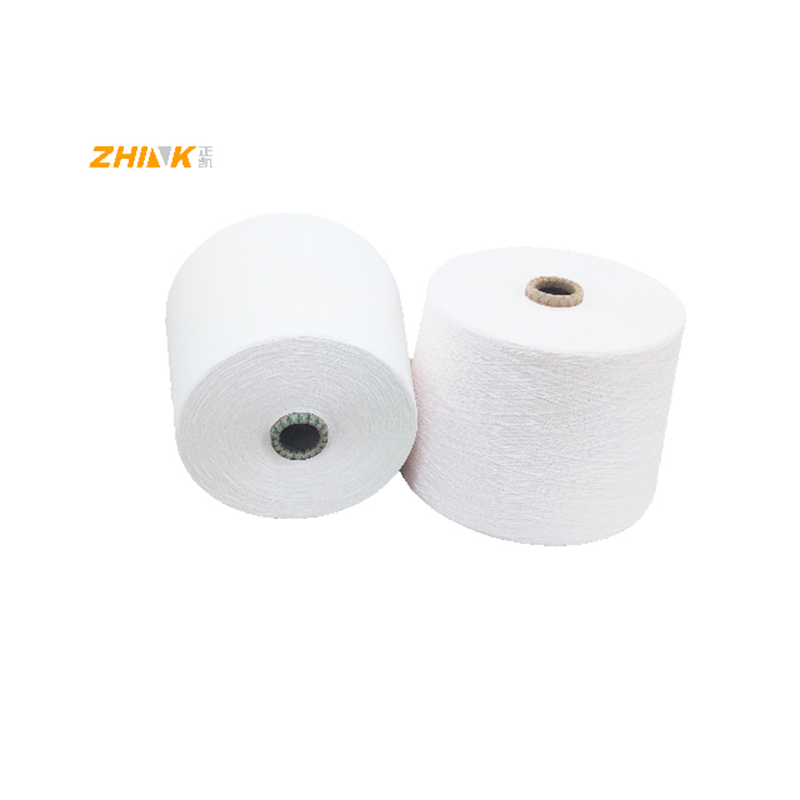
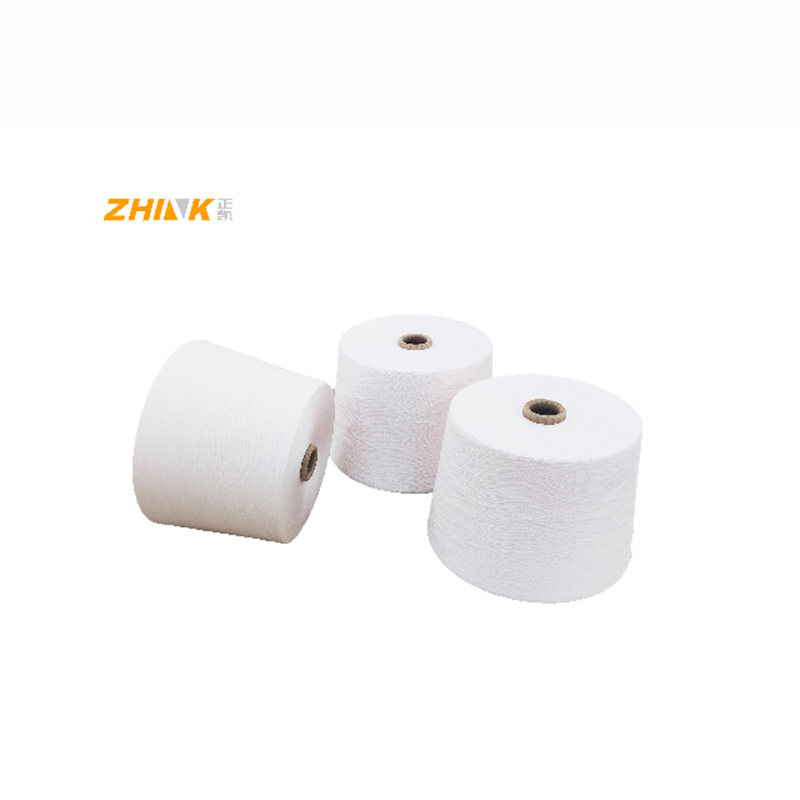
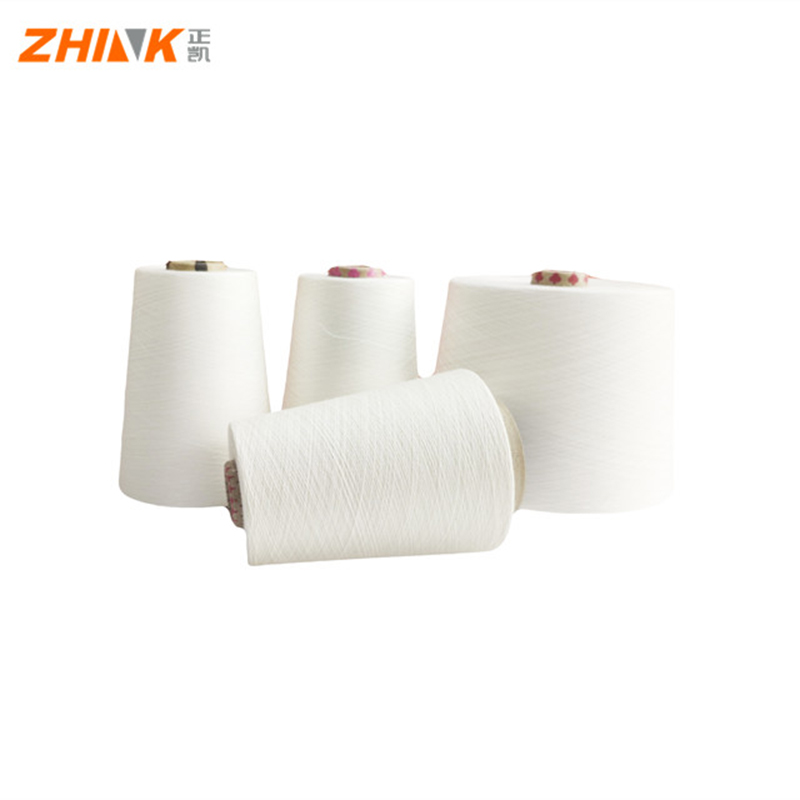
Lyocell TFO yarn
Understanding Lyocell TFO Yarn: Insights from Industry Experience
The world of textiles is vast, and one of its promising stars is Lyocell TFO yarn. While its eco-friendly nature draws much attention, there's more beneath the surface. Join me as we dive into the nuances of Lyocell TFO yarn and how it's making waves in the textile industry.
What is Lyocell TFO Yarn?
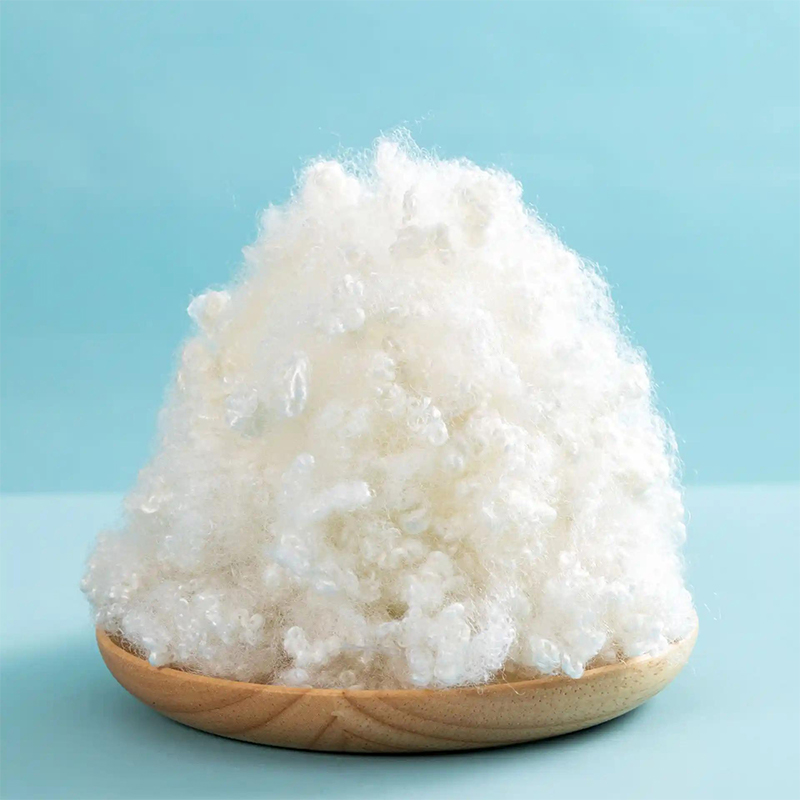
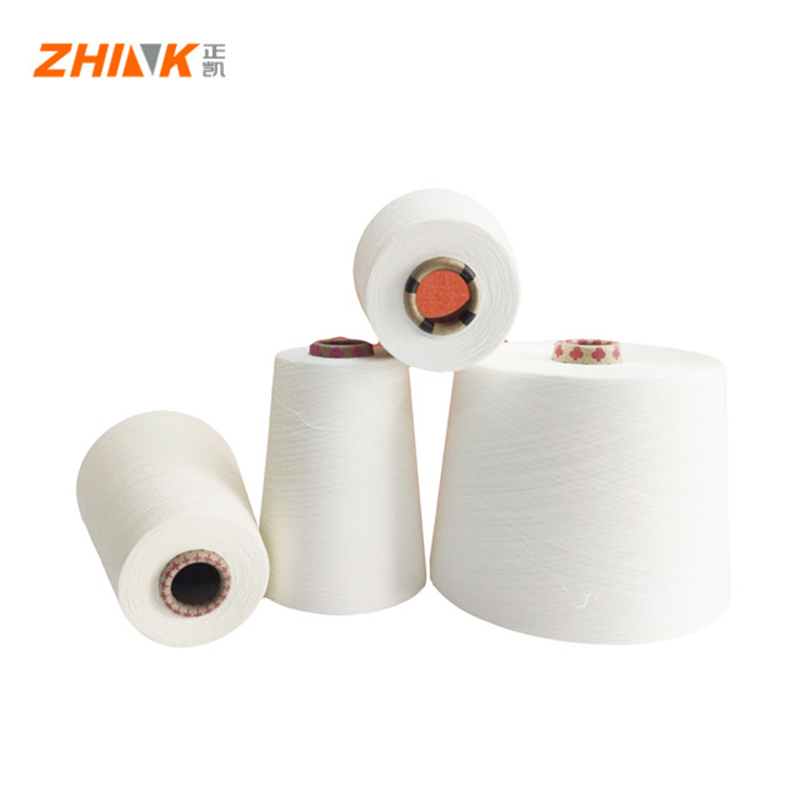
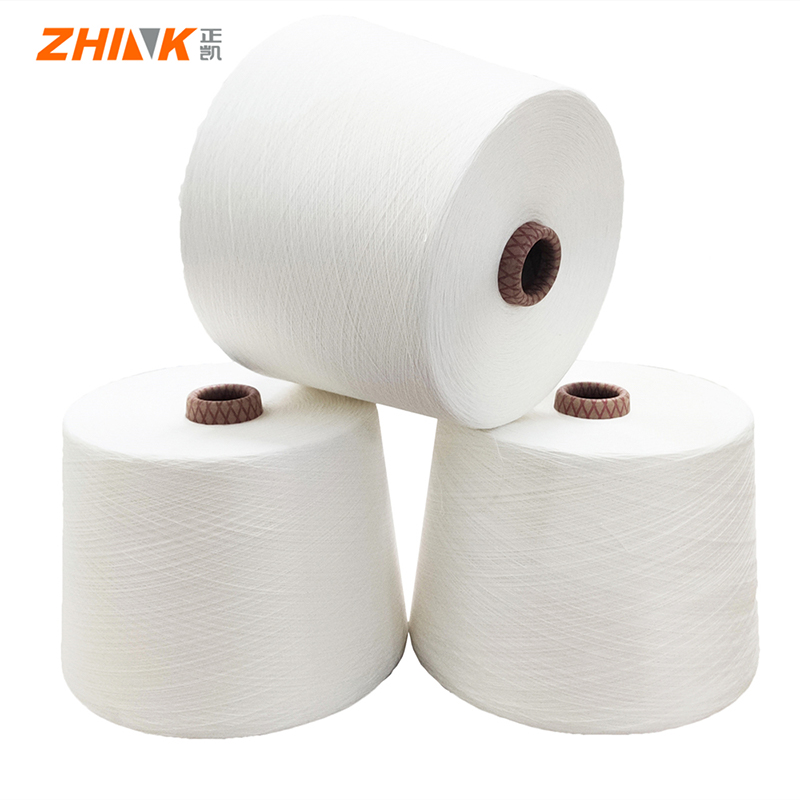
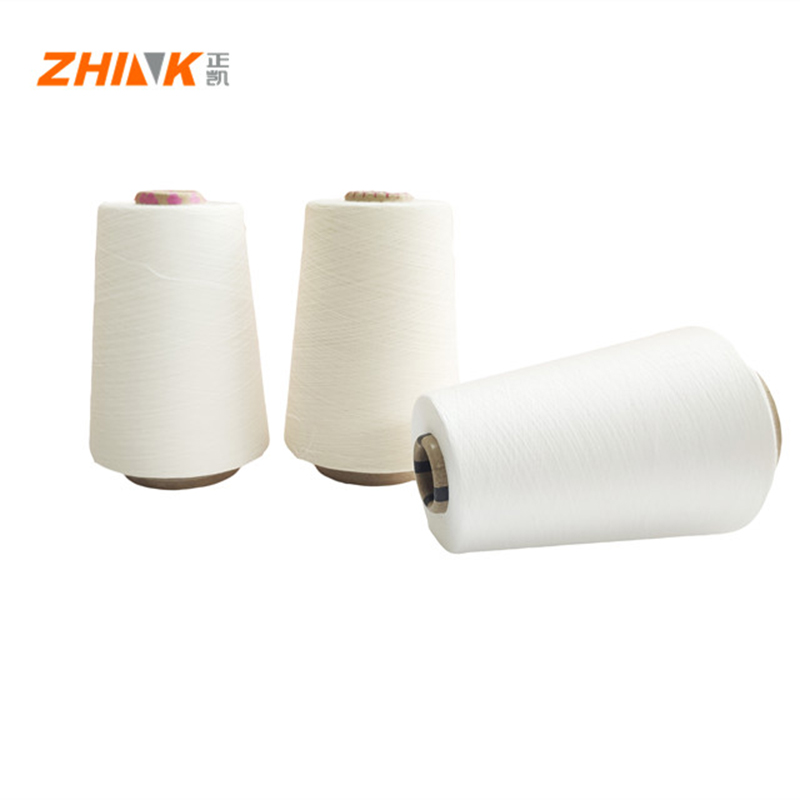
Let's start with the basics—Lyocell TFO yarn refers to yarn made from lyocell fibers, with TFO standing for Two-for-One twisting, a process that enhances the yarn's quality. It's known for its strength, softness, and eco-friendliness. But in practice, what does this mean for manufacturers? I'm reminded of a colleague who, during a factory visit, marveled at the smoothness of the yarn, noting how it seemed almost effortless to work with.
The Lyocell TFO yarn stands out because it manages to combine both comfort and durability. However, one needs to consider certain elements during production. A key observation is that maintaining consistent tension during the TFO process directly impacts the texture and quality of the final product. I've seen first-hand the difference it makes when the tension is just slightly off, leading to inconsistencies in texture.
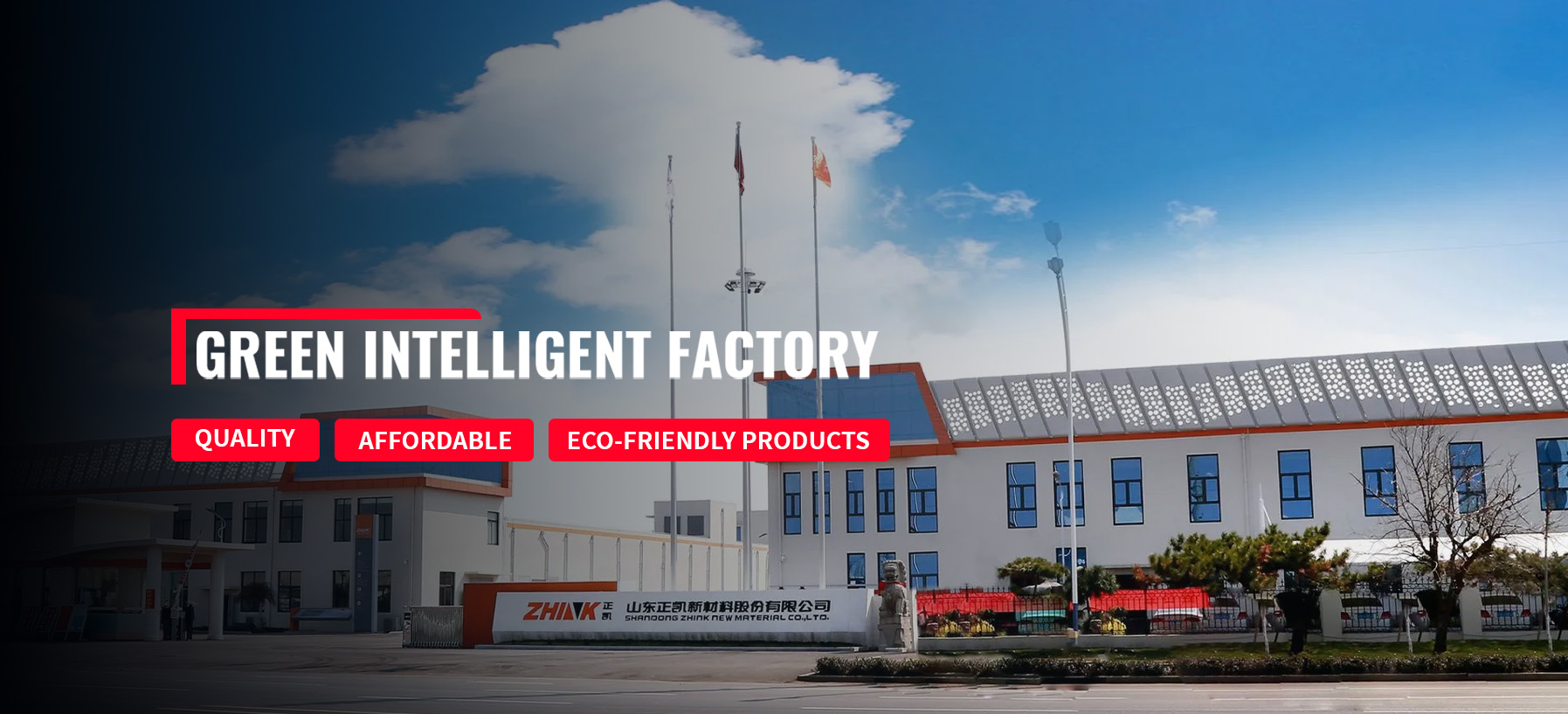
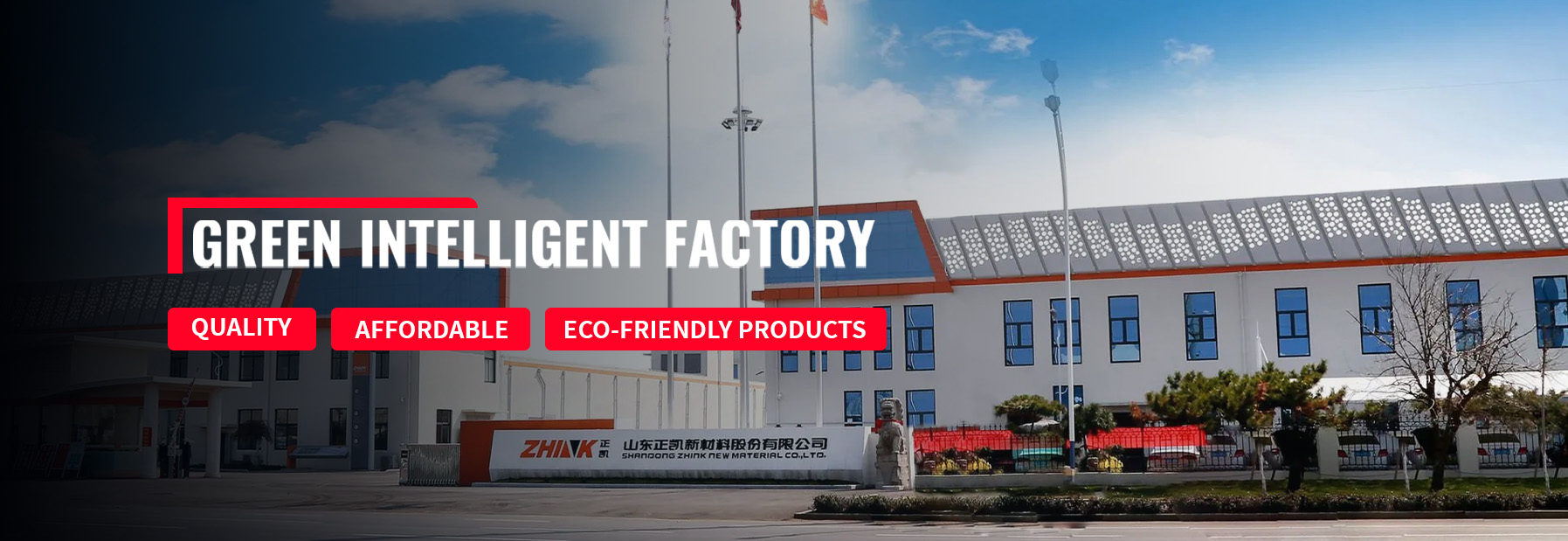
At SHANDONG ZHINK NEW MATERIAL CO., LTD, known for their innovation in textile materials, the focus on precision during production helps achieve a superior yarn quality. Their insights have been invaluable in understanding how slight tweaks in process parameters can lead to significant improvements in yarn performance.
Challenges in the Production Process
Every production process comes with its set of challenges, and Lyocell TFO yarn is no exception. The TFO twisting requires specialized equipment and a fine-tuned process to ensure consistent yarn quality. During a project with Zhink New Material, we encountered difficulties in yarn tension adjustments, which initially led to uneven twisting.
Another significant challenge is the control of humidity and temperature in the production environment. It's not just about having the right equipment; it's also about creating the right conditions. Any deviation can cause the lyocell fibers to behave unpredictably, which I've personally seen lead to unexpected weaknesses in the yarn.
Experience has taught me that successful production of Lyocell TFO yarn hinges on meticulous process control. It is fascinating to see how companies like Zhink New Material combine their expertise with cutting-edge technology to navigate these obstacles efficiently.
The Benefits of Lyocell TFO Yarn
The benefits of using Lyocell TFO yarn are compelling. It's sustainable, which is increasingly important in today's market. The fiber is derived from wood pulp and uses a closed-loop process, reducing environmental impact. During a seminar at Zhink New Material, this point was driven home: sustainability is not just an advantage; it's becoming a core requirement.
In practical terms, the yarn's smooth texture and strength make it a preferred choice for garments such as athletic wear and luxury apparel. I've handled samples that seemed to seamlessly blend robustness with an elegant drape, qualities hard to achieve with other fibers.
A fascinating insight from working with the team at Zhink New Material is the potential for blending Lyocell TFO yarn with other materials, enhancing its versatility. The hybrid blends we experimented with opened up new avenues for textile innovation, something the team is actively exploring.
Market Demand and Trends
The market demand for Lyocell TFO yarn is on the rise, primarily driven by consumer awareness regarding sustainable products. But what's intriguing is the shift in both consumer and manufacturer perceptions. In discussions with industry peers, it's clear that the narrative is evolving from mere novelty to necessity.
Particularly in the backdrop of regulatory pressures for sustainable practices and consumer shifts towards eco-friendly products, the demand trajectory for Lyocell TFO yarn only points upward. This dynamic has led Zhink New Material to invest heavily in research and development to stay ahead in this competitive landscape.
Another trend worth noting is the growth in custom applications. More brands want custom blends and exclusive textures, pushing manufacturers to innovate constantly. This demand for uniqueness aligns well with the capabilities of Lyocell TFO yarn, giving it a unique market edge.
Conclusion: Future of Lyocell TFO Yarn
Looking forward, the future of Lyocell TFO yarn seems promising, especially with companies like SHANDONG ZHINK NEW MATERIAL CO., LTD at the forefront of innovation. Their deep dives into production processes and willingness to embrace new challenges make them a pivotal player in this space.
Having seen the inner workings and talked extensively with experts at Zhink New Material, it’s clear that the potential for Lyocell TFO yarn extends well beyond its current applications. The focus on innovation, sustainability, and quality positions it as a key player not just for today, but for the foreseeable future.
In sum, while there are complexities in its production, the rewards of mastering Lyocell TFO yarn are undoubtedly worth the effort, offering a path to both profitable and sustainable textile futures.
Related Products
Related Products