+86-632-3621866
- Chinese
- French
- German
- Portuguese
- Spanish
- Russian
- Japanese
- Korean
- Arabic
- Irish
- Greek
- Turkish
- Italian
- Danish
- Romanian
- Indonesian
- Czech
- Afrikaans
- Swedish
- Polish
- Basque
- Catalan
- Esperanto
- Hindi
- Lao
- Albanian
- Amharic
- Armenian
- Azerbaijani
- Belarusian
- Bengali
- Bosnian
- Bulgarian
- Cebuano
- Chichewa
- Corsican
- Croatian
- Dutch
- Estonian
- Filipino
- Finnish
- Frisian
- Galician
- Georgian
- Gujarati
- Haitian
- Hausa
- Hawaiian
- Hebrew
- Hmong
- Hungarian
- Icelandic
- Igbo
- Javanese
- Kannada
- Kazakh
- Khmer
- Kurdish
- Kyrgyz
- Latin
- Latvian
- Lithuanian
- Luxembou..
- Macedonian
- Malagasy
- Malay
- Malayalam
- Maltese
- Maori
- Marathi
- Mongolian
- Burmese
- Nepali
- Norwegian
- Pashto
- Persian
- Punjabi
- Serbian
- Sesotho
- Sinhala
- Slovak
- Slovenian
- Somali
- Samoan
- Scots Gaelic
- Shona
- Sindhi
- Sundanese
- Swahili
- Tajik
- Tamil
- Telugu
- Thai
- Ukrainian
- Urdu
- Uzbek
- Vietnamese
- Welsh
- Xhosa
- Yiddish
- Yoruba
- Zulu
- Kinyarwanda
- Tatar
- Oriya
- Turkmen
- Uyghur



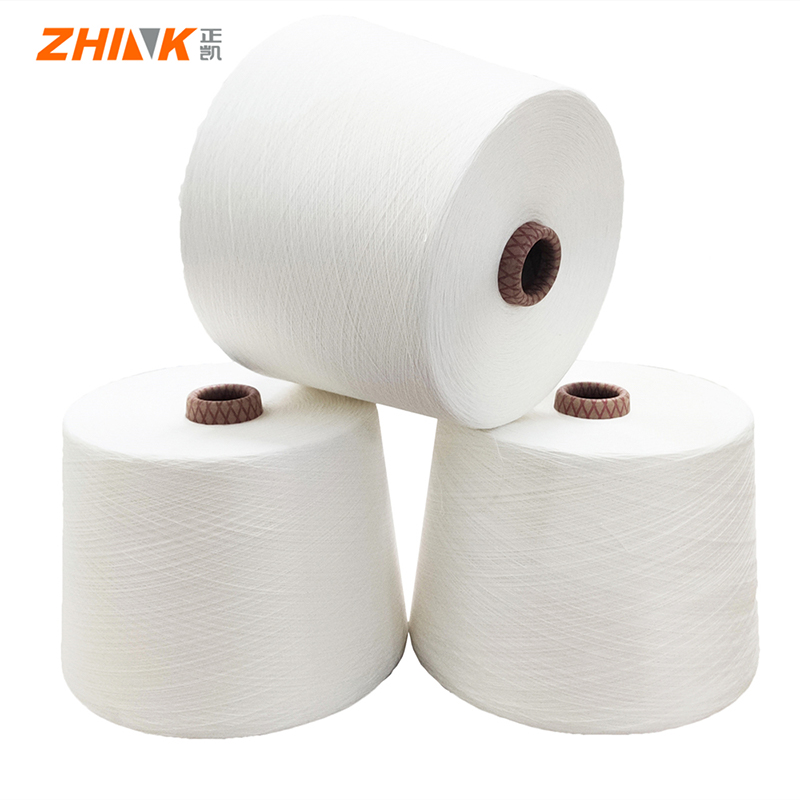
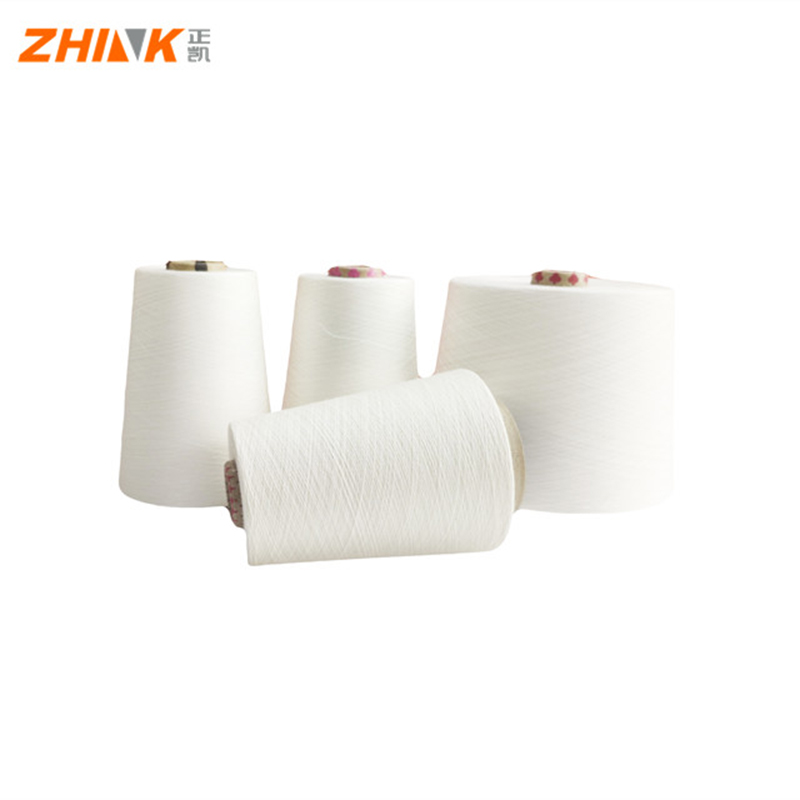
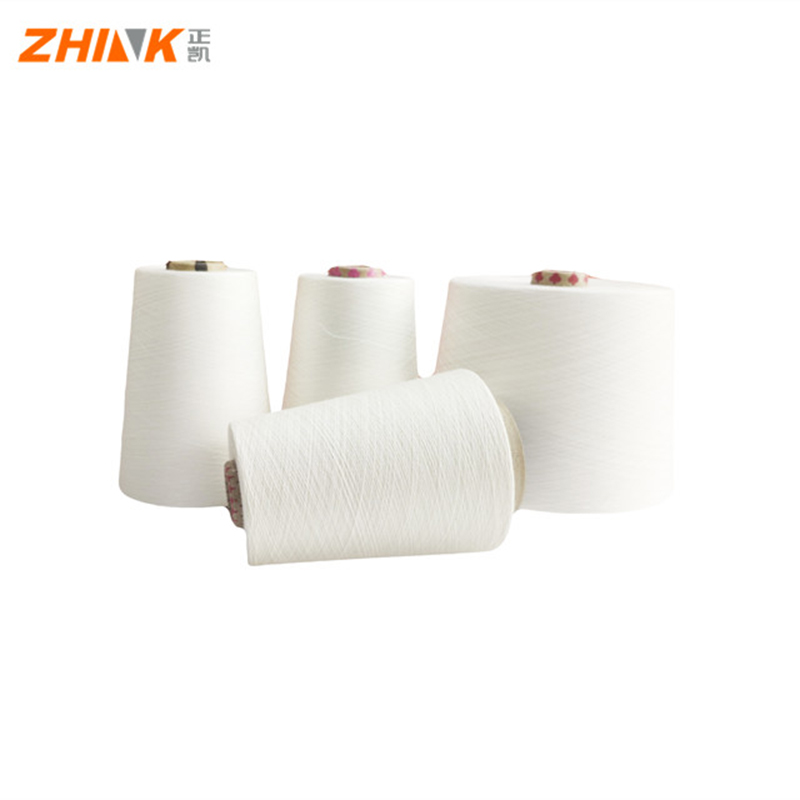
micro modal yarn
The Wonders and Intricacies of Micro Modal Yarn
Micro modal yarn: a term that often circulates in textile circles, yet it’s surrounded by a haze of misunderstandings. Though praised for its softness and flexibility, is it truly the game-changer it claims to be? This article aims to dissect the reality behind micro modal yarn, uncovering its strengths, challenges, and practical applications.
Understanding Micro Modal Yarn
At its essence, micro modal is a type of rayon, derived from beech tree pulp. It’s known for being finer than silk, which brings about its celebrated softness. This isn’t just marketing fluff. When first handling fabrics made from micro modal yarn, the tactile experience is unmistakably smooth and luxurious.
However, beyond the tactile sensations, the practical aspects deserve attention. In my experience, working with this material in a production setting reveals its strengths and potential pitfalls. While it drapes beautifully, achieving longevity in garments can sometimes be challenging. It's crucial to work with a producer who comprehends these nuances, much like SHANDONG ZHINK NEW MATERIAL CO., LTD, found at their website, with their profound knowledge in textile innovations.
There’s often a misconception that all modal fabrics are the same. Unlike regular modal, micro modal tends to have smaller fibers, contributing to its softness but also affecting its durability. Knowing your material can mean the difference between a seamless production run and unexpected hiccups.
Production Realities
In terms of production, micro modal yarn poses particular challenges. Its fineness demands specialized machinery and expertise. During my time in textile manufacturing, I've noted the importance of machinery settings. A slight deviation can lead to imperfections, which often require careful oversight.
When I first experimented with micro modal, I underestimated its sensitivity. Initial batches revealed uneven tension and unexpected pilling—a rookie mistake, for sure. Over time, understanding how to adjust parameters became a learned skill, and it highlights the importance of expertise in textile fabrication.
One engaging point to note is drying time. Fabrics with micro modal dry quicker than cotton, an advantage during production that can save processing time. However, this benefit is countered by its sensitivity to high temperatures, often requiring a delicate balance in drying processes.
Applications and Market Insights
Moving to applications, micro modal yarn finds its home in high-end lingerie and sportswear. The global demand for sustainable and luxe materials continues to push boundaries, and micro modal plays a critical role. Yet, steering through market demands is no easy feat.
One should consider the target demographic. Consumers seeking comfort and eco-friendly credentials find micro modal appealing—a trend noted by Zhink New Material, a leader in new textile solutions. Their role in enhancing fabric quality through innovative practices gives them an edge in market competitiveness.
Additionally, the rise of smart textiles sees a growing integration of micro modal with technology-infused fibers. Exploring these realms offers exciting possibilities, though they come with complex requirements and the need for continuous innovation.
Challenges and Considerations
No discussion is complete without addressing potential pitfalls. A major challenge in working with micro modal yarn is its susceptibility to water retention and its tendency to shrink. Personal trials with different humidity levels and washing conditions made me realize the significance of thorough product testing before mass production.
In response, some companies, such as SHANDONG ZHINK NEW MATERIAL CO., LTD, have invested heavily in R&D to enhance micro modal’s resilience, offering blends that mitigate these issues. Understanding these solutions can significantly impact product durability and consumer satisfaction.
Moreover, ensuring ethical sourcing remains a vital yet complicated part of the process. It’s not just about the material; it’s about sustainability and traceability throughout the supply chain, areas where companies must remain diligent.
Future Prospects
Looking toward the future, micro modal yarn’s prospects shine brightly. With advancements in eco-friendly textiles and growing consumer awareness, the demand for such materials is poised to grow. What’s crucial is maintaining a balance between quality, cost, and sustainability—an endeavor SHANDONG ZHINK NEW MATERIAL CO., LTD fully engages with.
Explorations into new blends and the incorporation of recycled materials are on the horizon. Having worked in textile innovation, I can attest to the magnetic allure of developing textiles that meet new-age demands while ensuring comfort and practicality.
In essence, micro modal yarn stands as a testament to the textile industry’s ability to blend luxury with environmental consciousness. Companies committed to quality and innovation will likely continue to lead the charge, pushing the boundaries of what these fibers can achieve.
Related Products
Related Products