+86-632-3621866
- Chinese
- French
- German
- Portuguese
- Spanish
- Russian
- Japanese
- Korean
- Arabic
- Irish
- Greek
- Turkish
- Italian
- Danish
- Romanian
- Indonesian
- Czech
- Afrikaans
- Swedish
- Polish
- Basque
- Catalan
- Esperanto
- Hindi
- Lao
- Albanian
- Amharic
- Armenian
- Azerbaijani
- Belarusian
- Bengali
- Bosnian
- Bulgarian
- Cebuano
- Chichewa
- Corsican
- Croatian
- Dutch
- Estonian
- Filipino
- Finnish
- Frisian
- Galician
- Georgian
- Gujarati
- Haitian
- Hausa
- Hawaiian
- Hebrew
- Hmong
- Hungarian
- Icelandic
- Igbo
- Javanese
- Kannada
- Kazakh
- Khmer
- Kurdish
- Kyrgyz
- Latin
- Latvian
- Lithuanian
- Luxembou..
- Macedonian
- Malagasy
- Malay
- Malayalam
- Maltese
- Maori
- Marathi
- Mongolian
- Burmese
- Nepali
- Norwegian
- Pashto
- Persian
- Punjabi
- Serbian
- Sesotho
- Sinhala
- Slovak
- Slovenian
- Somali
- Samoan
- Scots Gaelic
- Shona
- Sindhi
- Sundanese
- Swahili
- Tajik
- Tamil
- Telugu
- Thai
- Ukrainian
- Urdu
- Uzbek
- Vietnamese
- Welsh
- Xhosa
- Yiddish
- Yoruba
- Zulu
- Kinyarwanda
- Tatar
- Oriya
- Turkmen
- Uyghur



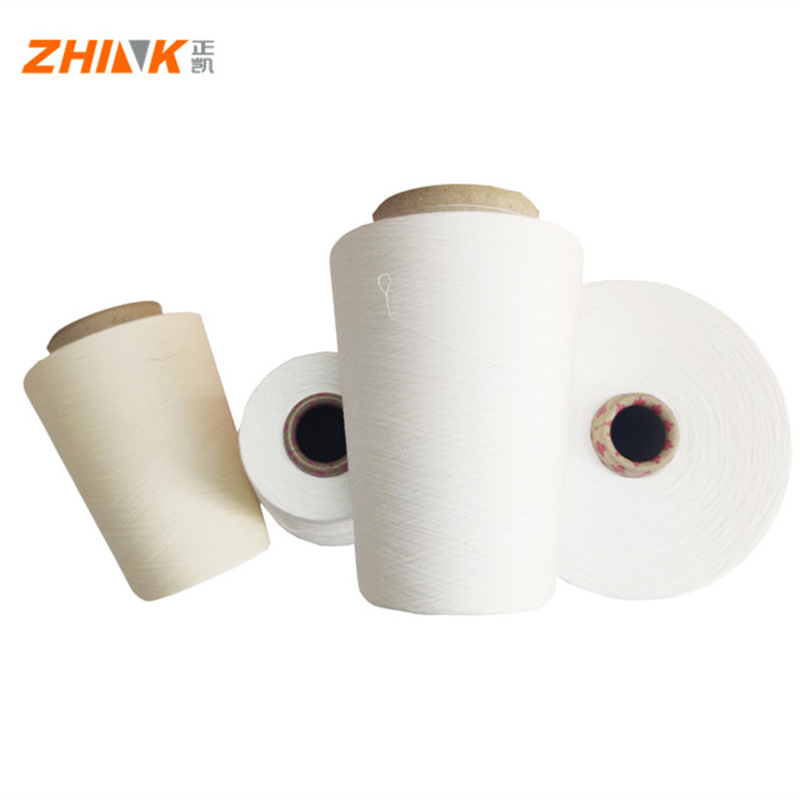
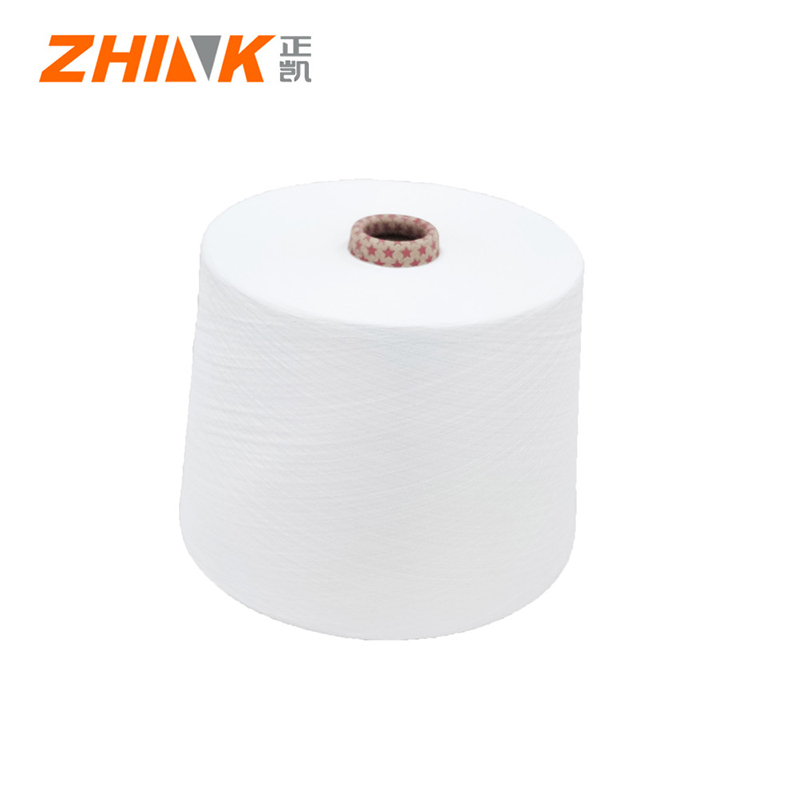
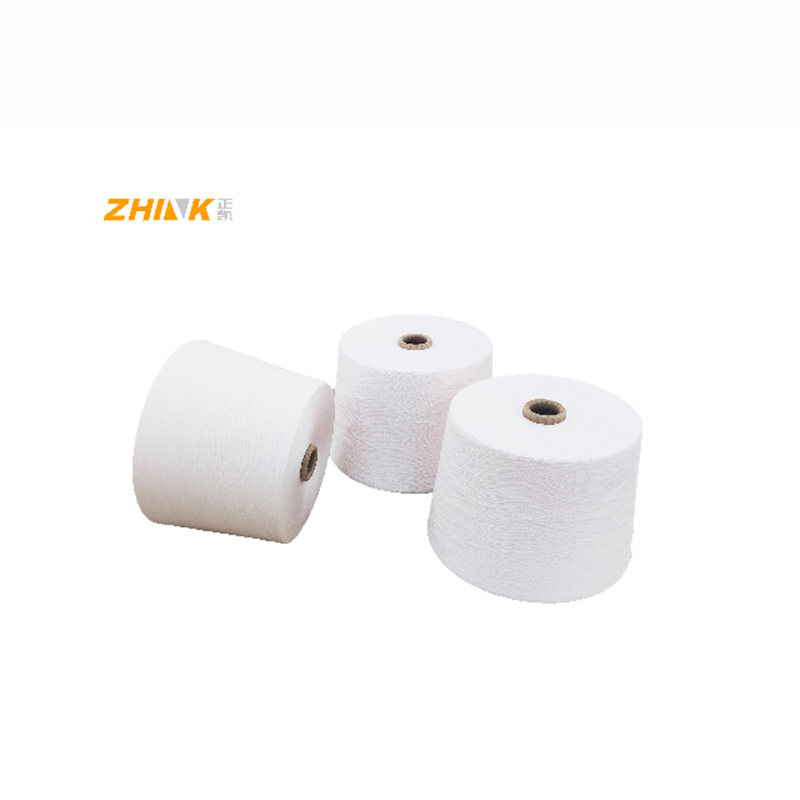
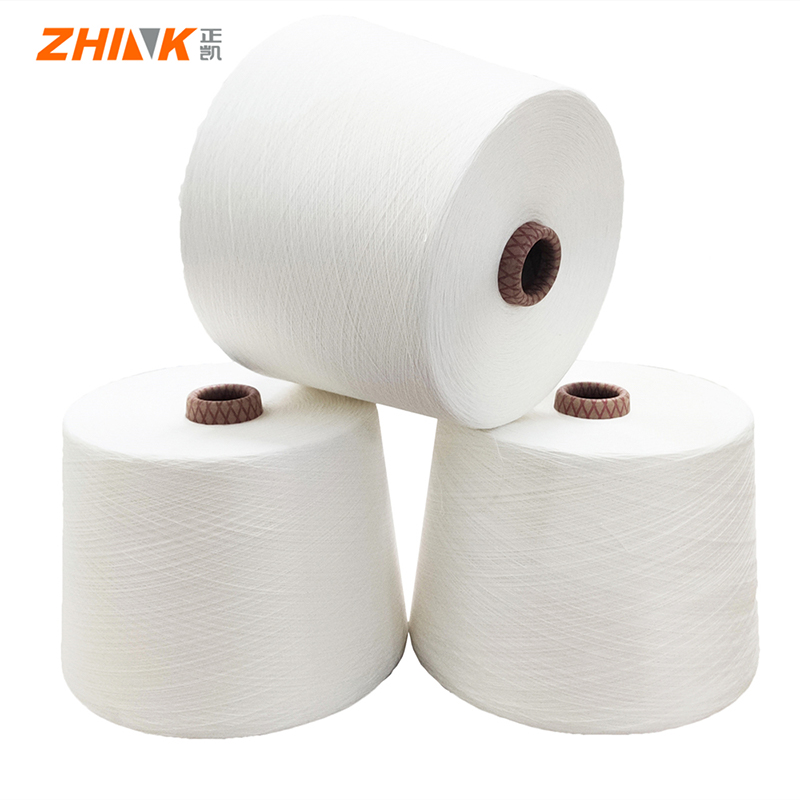
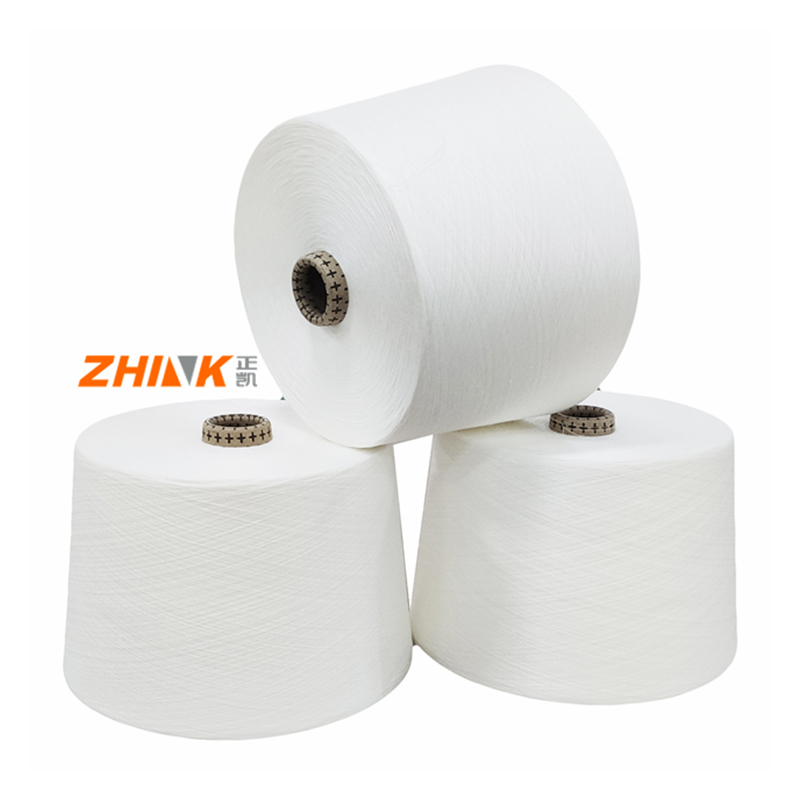
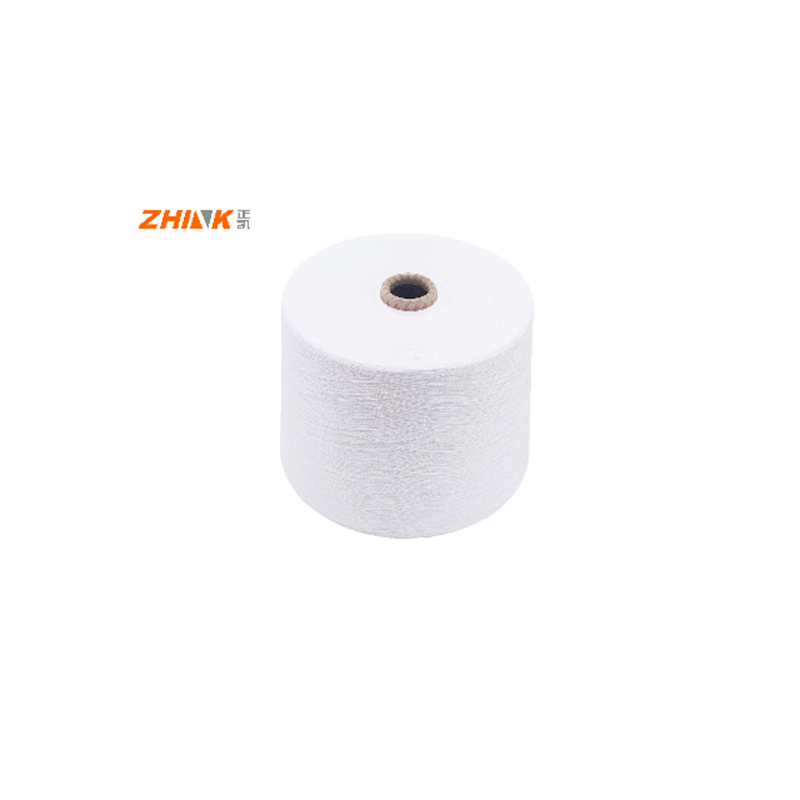
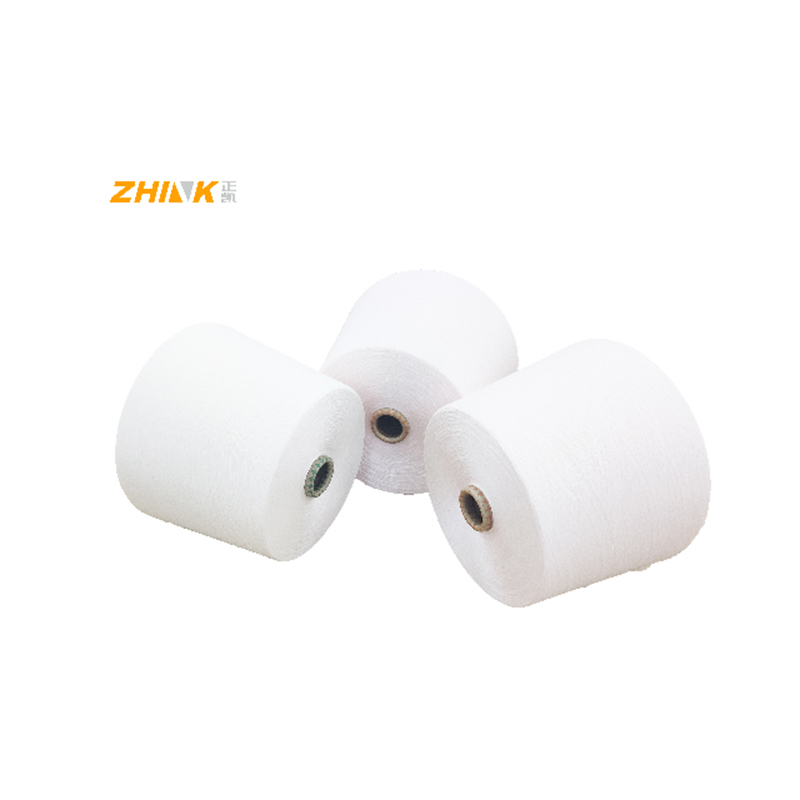
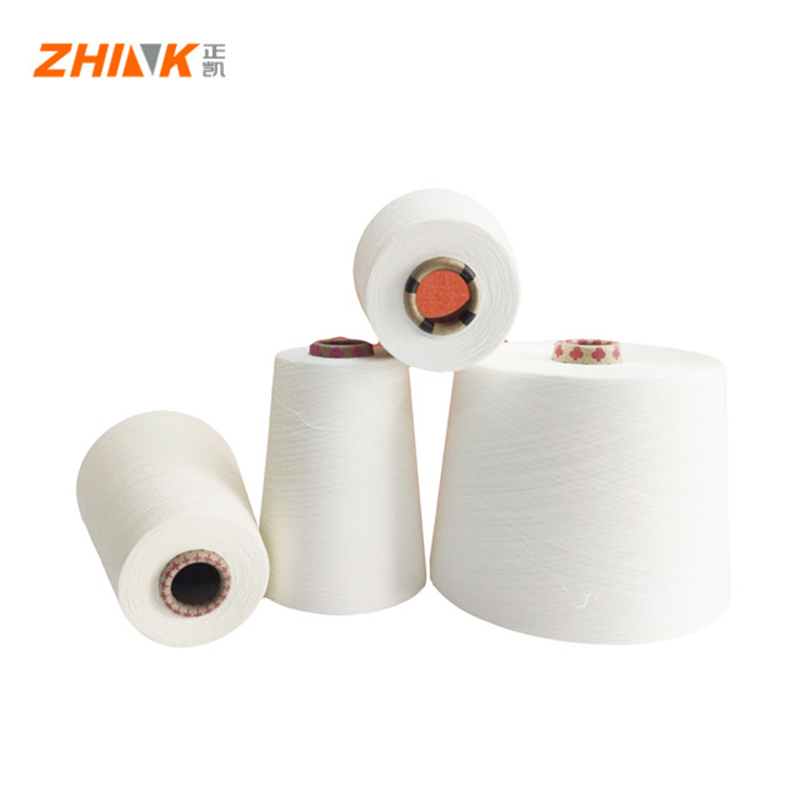
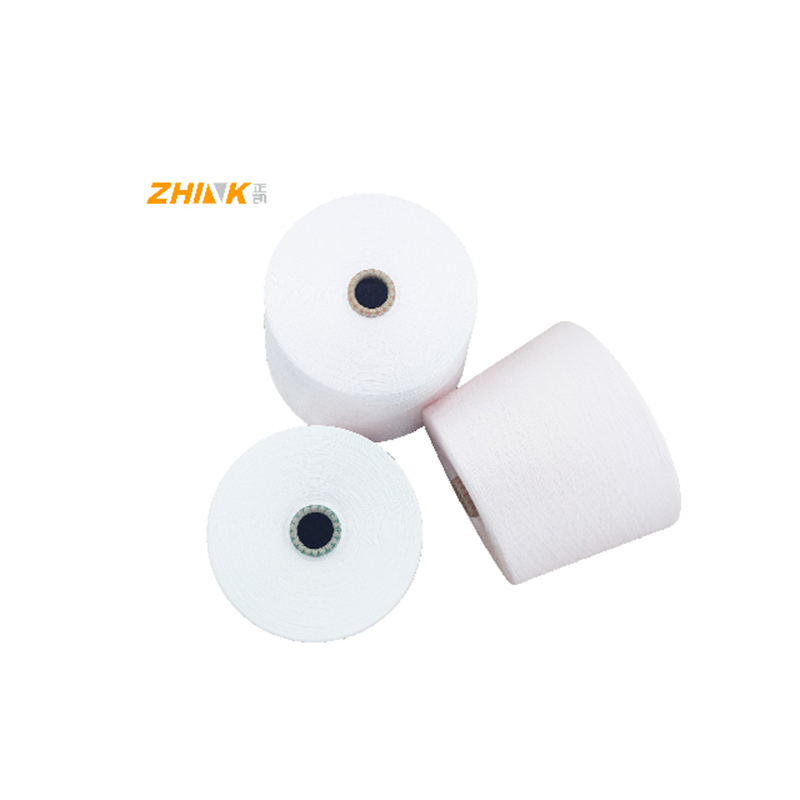
micro polyester yarn
The Untapped Potential of Micro Polyester Yarn
Micro polyester yarn might not be the household name in textiles, but its capabilities are gaining traction among industry insiders. From its durability to its exceptional feel, this fiber is redefining comfort without sacrificing performance. As discussions around sustainable fashion grow louder, its role becomes even more pivotal.
Understanding Micro Polyester Yarn
Having worked with various textiles, I often encounter the misconception that all polyesters are created equal. The truth is, micro polyester yarn stands in a category of its own. It's finer, more versatile, and offers a distinct advantage in terms of texture and application.
A company like SHANDONG ZHINK NEW MATERIAL CO., LTD, known for its innovative solutions, delves deep into the potential of these materials. With a dedicated focus on research and development, as highlighted on their website at https://www.zhinkyarn.com, they are paving the way for this yarn to take center stage.
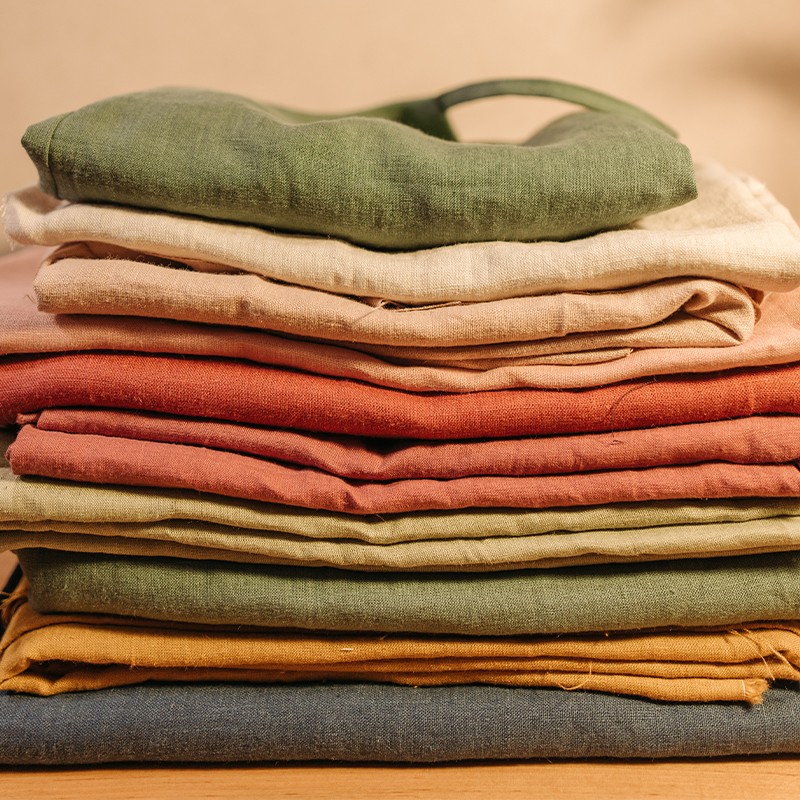
In practical applications, when we integrated micro polyester yarn into a clothing line, the immediate feedback from designers was overwhelmingly positive. They appreciated its ability to mimic the softness and breathability of natural fibers. This feature is critical for anyone wanting to strike a balance between luxury and functionality.
Durability: A Double-Edged Sword?
Now, durability is a double-edged sword. It assures consumers of longevity, but the challenge lies in overcoming the environmental criticisms associated with synthetic fibers. Yet, advancements have been made.
Sustainable practices are no longer an afterthought. Companies like Zhink New Material are making strides to ensure that production processes minimize environmental footprints. Recyclable blends are part of their product line-up, which not only address durability concerns but also cater to eco-conscious markets.
There's a tangible shift underway. While some purists remain skeptical, the adaptability and continued improvements in production technologies appear promising. It's crucial for industry participants to keep refining these practices.
Practical Challenges and Opportunities
Practical experiences remind us of the unpredictability involved in working with new materials. Our initial trials with micro polyester yarn weren't without hiccups. Misintegration with traditional equivalents often resulted in unexpected shrinkage during washes.
However, turning challenges into opportunities, we revamped our production line, introducing controlled processes. This approach paid off significantly. Both product quality and customer satisfaction metrics saw a marked improvement, signaling that the efforts were well worth the initial setbacks.
Another overlooked opportunity is in cost efficiency. Despite the upfront investment in better machinery, the long-term gains are evident in reduced material wastage and adaptable applications across different product lines.
Micro Polyester in Performance Wear
In the realm of performance wear, micro polyester is making significant inroads. Its moisture-wicking properties are not only relevant but essential. The move from traditional to micro polyester yarn has meant enhanced athletic capability, offering wearers a tangible advantage in various sporting arenas.
Our experience with athletic brands has been particularly enlightening. When tasked with enhancing a line of activewear, the inclusion of this yarn was an invaluable choice. Athletes reported better heat regulation and less irritation, showcasing the fiber's practical benefits. It was a clear testament to the worth of embracing cutting-edge textile technology.
Yet, as with any innovation, staying ahead requires continuous adaptation and learning. Feedback loops with end-users are essential to keep improving product offerings. The dynamic nature of the textile landscape demands this agility, and those unwilling to adapt risk being left behind.
The Road Ahead
No material is a panacea, but micro polyester yarn certainly ticks many boxes for manufacturers and buyers alike. Industries seeking to blend durability with sophistication will find it hard to ignore this option. The real victory—a confluence of sustainable practices and consumer satisfaction—remains on the horizon, necessitating ongoing commitment from innovators like SHANDONG ZHINK NEW MATERIAL CO., LTD.
There's an undeniable journey ahead. The intricate weave of circumstances — from technological advancements to shifting consumer expectations — will guide these materials into their next chapter. The goal is clear, though: to make strides toward functional, sustainable, and sought-after products.
In sum, integrating micro polyester yarn into textile projects is not just a technical decision but a strategic one. The shifts may be subtle but are certainly transformative for those poised to harness its full potential.
Related Products
Related Products